Clarissa Hana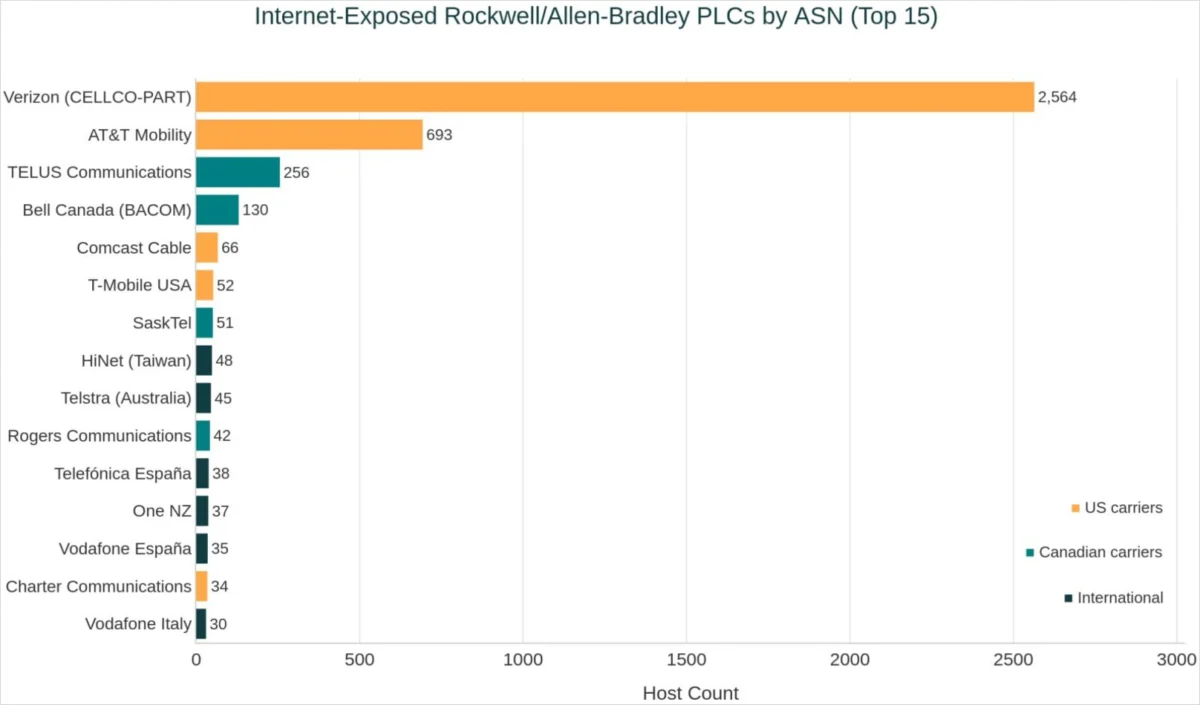
The United States Cybersecurity and Infrastructure Security Agency (CISA) has issued an urgent warning regarding a significant surge in cyberattacks specifically targeting internet-exposed programmable logic controllers (PLCs) within the nation’s water and wastewater systems sector. This alert follows a coordinated offensive that disrupted over 30 community water systems in Minnesota, highlighting a critical vulnerability in the operational technology (OT) infrastructure that underpins essential public services.
The recent spate of attacks, which commenced on a Sunday and continued through the following Monday, saw malicious actors exploiting exposed PLCs to alter critical system configurations. Tactics employed by the attackers included changing passwords to lock out legitimate operators, modifying IP addresses to sever devices from the internet, and executing other disruptive actions that directly impacted operational continuity. These incidents underscore a growing trend of sophisticated cyber adversaries focusing on critical infrastructure, recognizing the potentially devastating consequences of such breaches.
The Growing Threat Landscape for Water Systems
CISA’s advisory emphasizes that the threat is not confined to systems with rudimentary cybersecurity measures. Organizations of all sizes, including those with ostensibly mature cybersecurity programs, are becoming targets. The agency’s assessment points to operational technology (OT) assets that are inadvertently exposed to the public internet, often through the installation of undocumented cellular modems by operators, vendors, or system integrators. This lack of visibility and control over internet-facing assets creates a significant attack surface.

The implications of such vulnerabilities are far-reaching. Internet-facing OT assets are susceptible to a range of malicious activities, from simple defacement and configuration changes to more severe operational disruptions and even the potential for physical damage to critical infrastructure. CISA’s warning serves as a stark reminder of the interconnectedness of digital security and public safety, particularly in sectors like water management where service interruptions can have immediate and severe public health ramifications.
Immediate Actions and Recommended Defenses
In response to the escalating threat, CISA is strongly urging all critical infrastructure owners, operators, and integrators to take immediate action to secure their systems. The agency’s primary recommendation is to remove all publicly exposed PLCs and other operational technology (OT) from direct internet access as swiftly as possible.
For organizations where complete removal from the internet is not immediately feasible, CISA advises implementing secure access methods. This includes leveraging Virtual Private Network (VPN) connections or utilizing gateway devices to establish secure pathways for remote access. Furthermore, the agency reiterates fundamental cybersecurity practices that are often overlooked or inadequately implemented in OT environments. These include changing default passwords on all devices and restricting access to authorized IP addresses through an allow-list mechanism.
CISA has also provided specific guidance for owners of Rockwell Automation MicroLogix 1400 PLCs, which appear to be a particular focus of recent attacks. The agency has directed these users to vendor-specific documentation for instructions on how to recover access if their devices have been compromised by unauthorized password changes. This highlights the importance of vendor collaboration and adherence to manufacturer recommendations in maintaining system security.
Quantifying the Exposure: A Deep Dive into Internet-Facing Devices
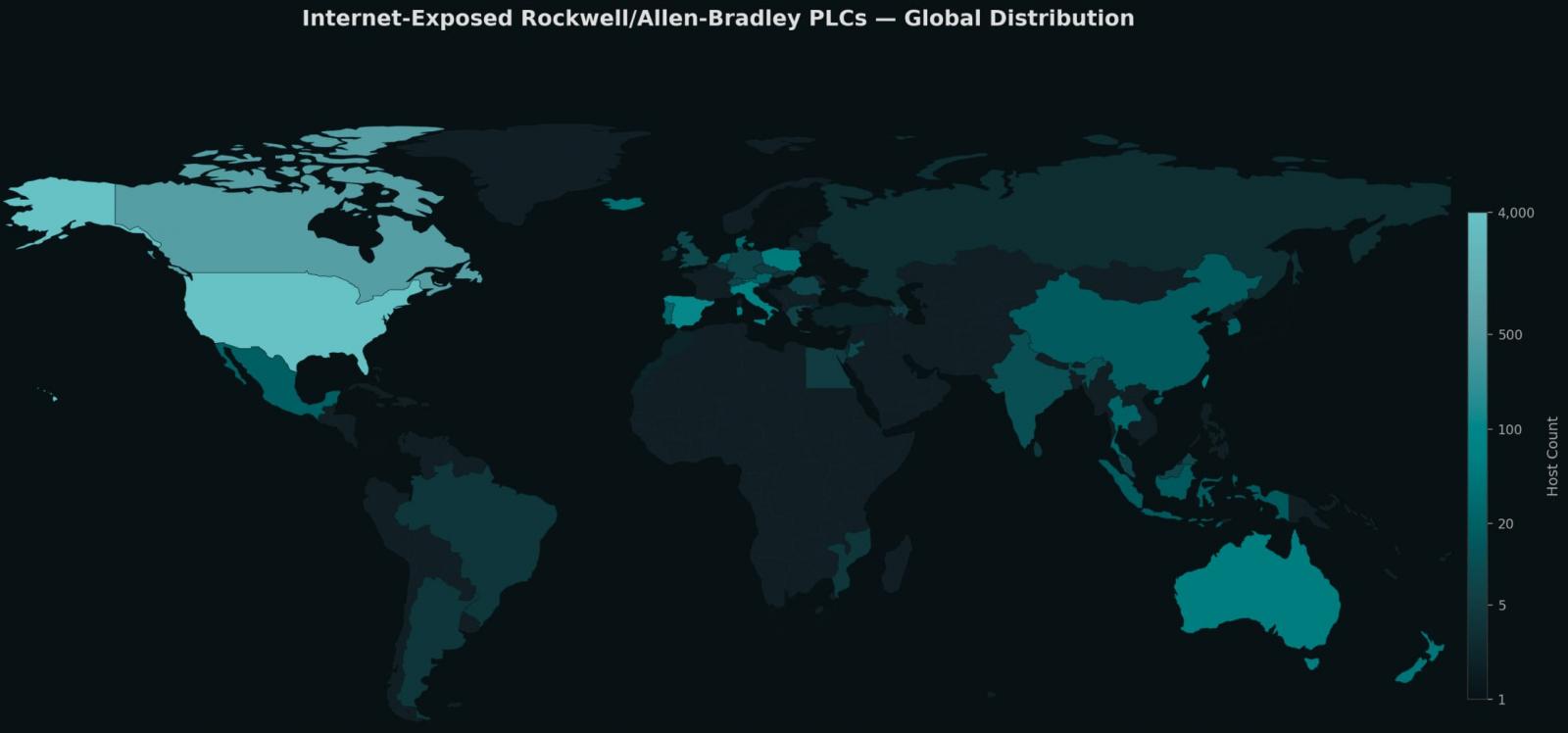
To further illustrate the scope of the problem, the cybersecurity search company Censys has published data quantifying the extent of internet exposure for industrial control systems. Their research indicates a substantial number of PLCs remain accessible via the public internet. Censys estimates that there are currently over 4,100 internet-exposed Rockwell Automation/Allen-Bradley hosts, a comparable number of Siemens hosts, and more than 2,000 Schneider Electric hosts.
These figures represent devices that are reachable over the public internet, and it is crucial to note that this does not automatically imply that all these systems are currently under attack or compromised. However, their accessibility significantly elevates the risk of exploitation.
The analysis also sheds light on the specific vulnerability of Rockwell Automation MicroLogix 1400 controllers. Censys observed that many of these devices appear to be operating with end-of-sale (EoS) firmware versions, which may lack the latest security patches and protections, rendering them more susceptible to known exploits.
A significant contributing factor to this exposure, as highlighted by Censys, is the widespread use of undocumented cellular modems. These modems, often installed for ease of remote access or maintenance, can create an unintentional gateway to the internet for OT systems. Censys reported that nearly half of the exposed Rockwell devices are accessible through various cellular networks, including those operated by major providers such as Verizon Business, AT&T, T-Mobile, as well as cable companies like Comcast and Charter, and satellite internet provider Starlink. This underscores a critical blind spot in asset management and security auditing for many organizations.
Censys has also made available an expanded set of Indicators of Compromise (IoCs) and threat-hunting guidance within its report, providing valuable resources for security professionals seeking to identify and mitigate potential threats within their networks.
The Minnesota Incident: A Case Study in Coordinated Attack
The recent cyberattack on Minnesota’s water utilities serves as a concrete example of the threats CISA is warning against. The Minnesota IT Services (MNIT) agency activated the state’s cybersecurity incident response plan after confirming a "coordinated cyberattack targeting operational technology at more than 30 Minnesota community water systems."
The timeline of the attack, which unfolded over a Sunday and Monday, saw multiple municipalities reporting significant disruptions. Equipment malfunctions, directly attributable to the cyber intrusion, forced some utilities to revert to manual operations to ensure the continuity of essential water services. This immediate impact on service delivery highlights the tangible consequences of successful cyberattacks on critical infrastructure.
In the aftermath of the incident, MNIT has been actively involved in collecting threat intelligence from the affected systems. This intelligence is being shared with other water utilities and relevant stakeholders to enhance collective defense strategies. The agency is also providing guidance and best practices to help the impacted utilities restore normal operations and bolster their defenses against future attacks.
Broader Implications for Critical Infrastructure Security
The increasing sophistication and targeting of critical infrastructure by cyber adversaries present a significant challenge for national security. Water and wastewater systems are not isolated entities; they are integral components of a larger ecosystem that includes energy, transportation, and communication networks. A successful attack on one sector can have cascading effects on others, potentially leading to widespread disruptions.
The trend of exploiting internet-exposed OT devices is a critical vulnerability that requires a multi-faceted approach to remediation. This includes not only technical solutions like network segmentation and secure access controls but also a fundamental shift in how organizations manage and secure their OT environments. Increased asset visibility, regular vulnerability assessments, and robust incident response planning are paramount.
Furthermore, the reliance on legacy systems and outdated firmware, as indicated by Censys’s findings regarding older PLC models, poses a persistent risk. Modernization of OT infrastructure, coupled with ongoing cybersecurity training for personnel responsible for these systems, is essential to keep pace with evolving threat landscapes.
The collaboration between government agencies like CISA, cybersecurity firms such as Censys, and the organizations operating critical infrastructure is vital. Sharing threat intelligence, developing standardized best practices, and fostering a culture of proactive security are key to building a resilient defense against cyber threats that aim to disrupt the essential services upon which communities depend. The ongoing efforts to secure these vital systems represent a critical battleground in the digital age, with the safety and well-being of the public hanging in the balance.