Sisilia Frederika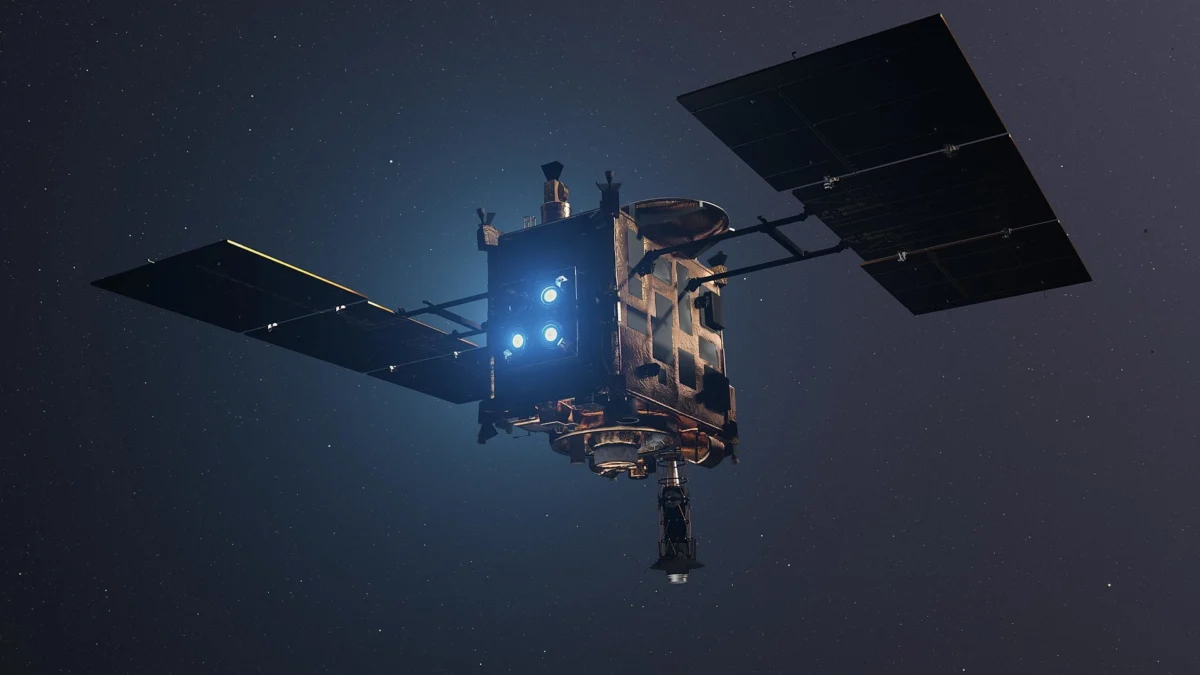
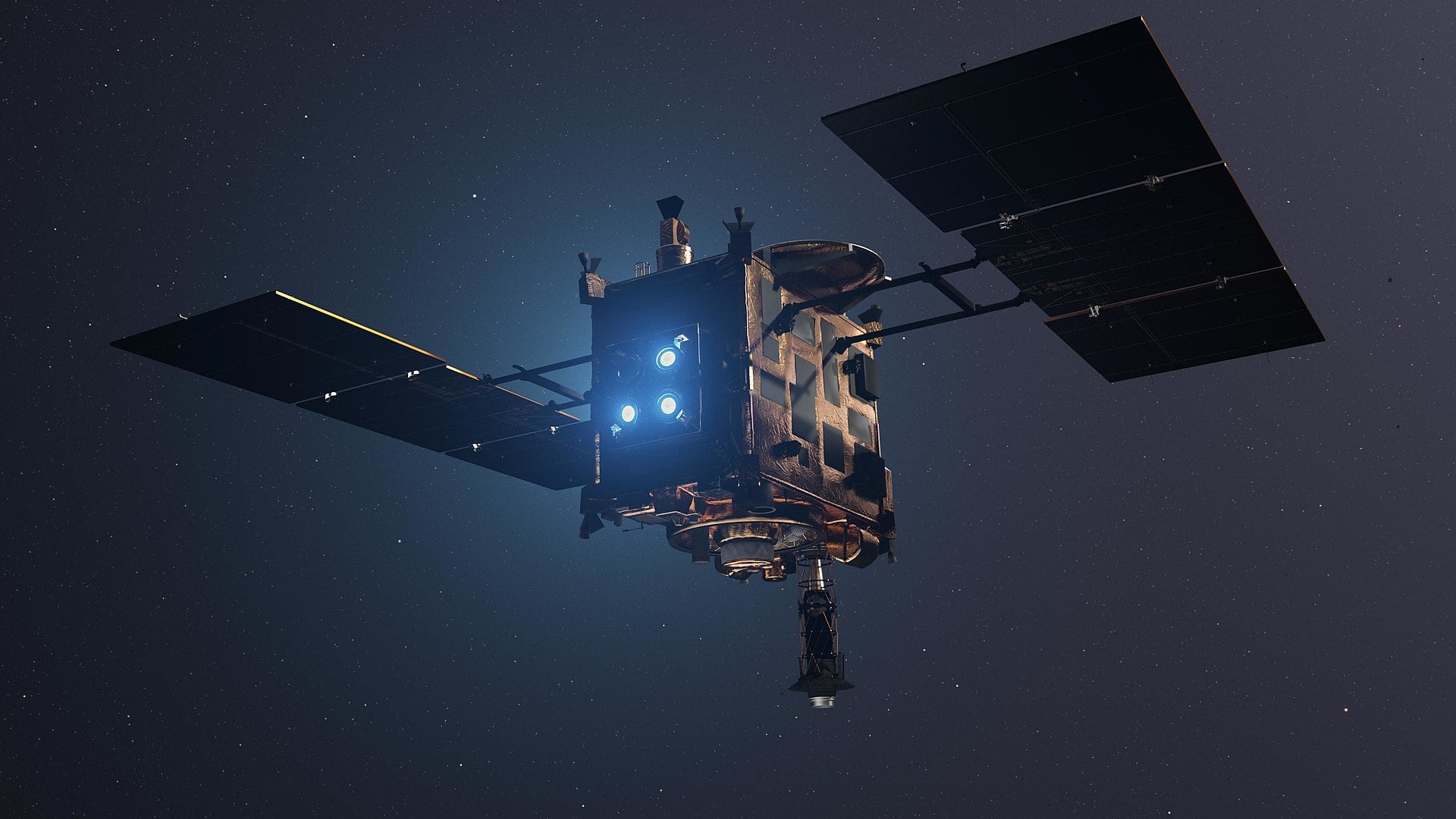
The Japan Aerospace Exploration Agency (JAXA) has successfully executed a groundbreaking technical maneuver that marks a significant leap in deep-space navigation and asteroid characterization. On Sunday, July 5, 2026, the Hayabusa2 spacecraft performed the first-ever successful laser ranging experiment during a high-speed flyby of the asteroid Torifune (officially designated 2001 CC21). This achievement, conducted as part of the "Hayabusa2#" (Hayabusa2 Sharp) extended mission, represents the first time a space agency has successfully utilized a laser altimeter to strike and receive a signal from a celestial body while traveling at hyper-velocity speeds relative to the target. By securing this data, JAXA has demonstrated a critical capability for future missions involving Near-Earth Asteroids (NEAs) and planetary defense initiatives.
Technical Execution and Precise Targeting
The experiment was centered on the utilization of the spacecraft’s Light Detection and Ranging (LIDAR) laser altimeter, known as the LALT instrument. As the probe approached Torifune, mission controllers at the JAXA Sagamihara Campus monitored the sequence of two specific laser pulses. The first successful firing occurred at 06:29:56.5 p.m. JST from a distance of approximately 20 kilometers (12.4 miles). A second pulse followed exactly one second later, at 06:29:57.5 p.m., at a closer distance of 15 kilometers (9.3 miles).
The difficulty of this feat cannot be overstated. At the time of the pulses, Hayabusa2 was screaming past the asteroid at a relative velocity of 5.3 kilometers per second, or roughly 19,080 kilometers per hour (11,855 mph). To hit a target as small as Torifune—which is estimated to be approximately 700 meters in diameter—while traveling at such speeds required unprecedented precision in attitude control and trajectory synchronization. Because the laser beam has a very narrow divergence, the footprint of the laser on the asteroid’s surface was remarkably small: only 30 meters (100 feet) for the first pulse and 23 meters (75.5 feet) for the second.
The timing was equally critical. The pulses were delivered just 4 and 3 seconds, respectively, before the spacecraft reached its closest point of approach to the asteroid. Had the spacecraft’s orientation been off by even a fraction of a degree, or the timing off by a millisecond, the laser would have missed the asteroid entirely, disappearing into the vacuum of space without a return signal.
The LIDAR Instrument: Heritage and Evolution
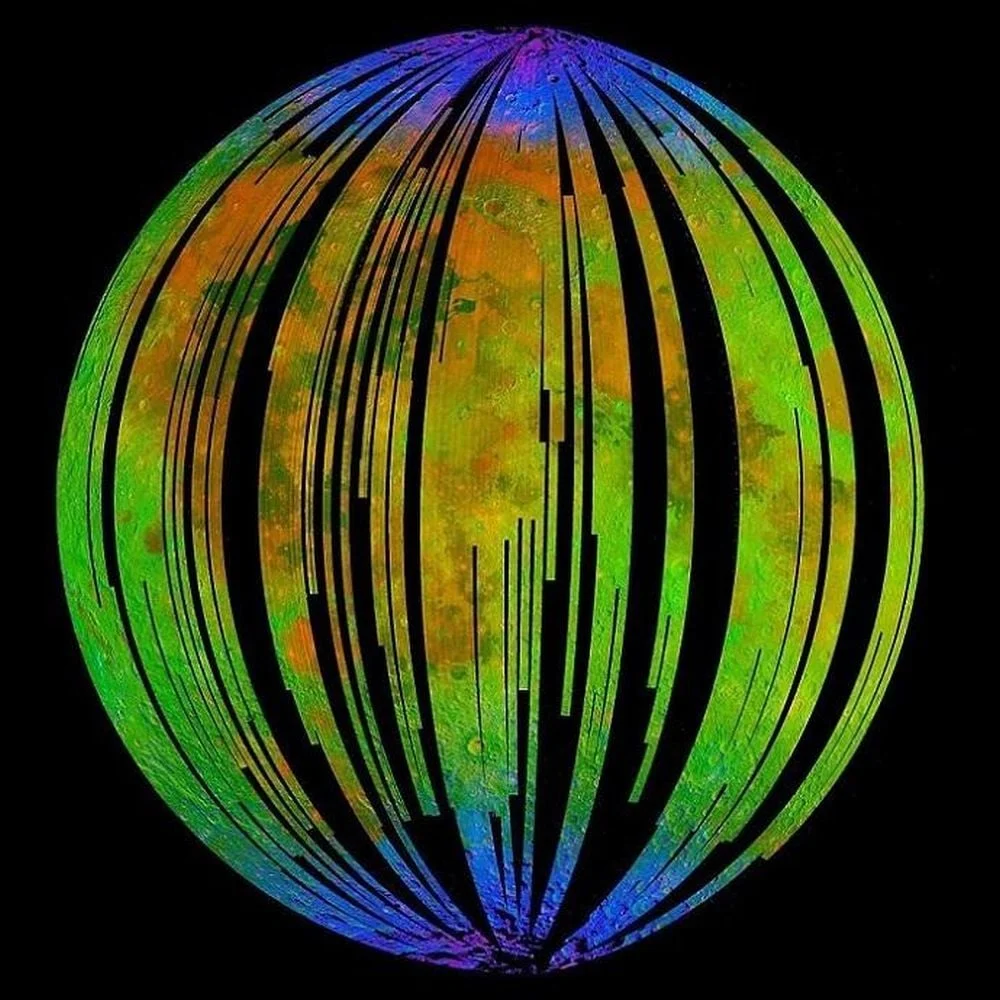
The LALT instrument is a direct descendant of the LIDAR technology used on JAXA’s Kaguya (SELENE) lunar orbiter, which mapped the moon’s topography with high precision in the late 2000s. For the Hayabusa2 mission, the instrument was ruggedized and refined to meet the demands of deep-space exploration. Beyond its primary role as a rangefinder to assist in landing and hovering, LALT is designed to serve as a scientific tool capable of measuring asteroid density, surface porosity, and reflectance (albedo).
During the spacecraft’s primary mission at the asteroid Ryugu from 2018 to 2019, the LALT played a pivotal role in the successful touchdown maneuvers. It allowed the mission team to construct detailed 3D maps of Ryugu’s boulder-strewn surface, which was essential for identifying safe landing zones. However, the Ryugu operations were conducted while the spacecraft was in a "hovering" state or moving at very low speeds relative to the asteroid. The July 2026 experiment at Torifune was fundamentally different, testing the instrument’s limits in a "dynamic flyby" environment where the target remains in the field of view for only a matter of seconds.
Chronology of the Hayabusa2 Mission Extension
The success at Torifune is the latest chapter in a mission that has already surpassed all original expectations. Launched on December 3, 2014, Hayabusa2 reached asteroid Ryugu in June 2018. Over the next year and a half, it deployed multiple rovers, created an artificial crater with an impactor, and collected two sets of samples from the asteroid’s surface and sub-surface.
In December 2020, the spacecraft returned to Earth’s vicinity, dropping a capsule containing the Ryugu samples into the Australian outback. While the sample return marked the end of the primary mission, the spacecraft itself remained in excellent health with roughly half of its xenon propellant for its ion engines still available. This led JAXA to authorize the "Hayabusa2#" extended mission, which consists of several key phases:
- 2020–2026: Orbital Transfer: The spacecraft utilized multiple Earth gravity assists to adjust its orbit to intercept new targets.
- July 2026: Torifune Flyby: The high-speed pass of asteroid 2001 CC21 (Torifune) to test flyby observation techniques.
- 2027–2028: Earth Gravity Assists: Further maneuvers to prepare for the final target rendezvous.
- July 2031: 1998 KY26 Rendezvous: A planned arrival and long-term observation of a small, rapidly rotating asteroid.
The July 5 experiment serves as a "proof of concept" for the high-speed observation techniques that will be necessary as JAXA and other agencies explore more distant or fast-moving objects in the solar system.
Navigational Challenges and Signal Processing
One of the most significant hurdles in laser ranging at these distances is the "signal-to-noise" ratio. In the vastness of space, there are no fixed reference points to help a spacecraft distinguish between a faint laser reflection from a dark asteroid and background electronic noise or stray sunlight.
To overcome this, the JAXA mission team implemented advanced filtering algorithms and precise instrument gating. By knowing the approximate distance to the asteroid through optical navigation (using cameras), the team could "gate" the LALT receiver to only look for a return signal within a very specific time window—measured in nanoseconds.
Furthermore, the asteroid’s shape and rotation had to be modeled in advance. Torifune is an S-type asteroid, which typically has a higher silica content and is more reflective than the C-type Ryugu. However, its exact shape was only known through ground-based radar and light-curve observations. The successful ranging confirms that the mission team’s trajectory predictions were accurate to within a few dozen meters over a distance of millions of kilometers.
Scientific and Strategic Implications
The data gathered from this experiment provides a dual benefit: scientific insight and strategic capability. From a scientific perspective, laser ranging adds a concrete "scale" to the images captured by the spacecraft’s Optical Navigation Cameras (ONC). While a camera can show the shape of an asteroid, it cannot always provide an exact measurement of size without a precise distance reference. By combining LIDAR data with image data, scientists can determine the exact volume of Torifune, which, when combined with gravitational data, allows for the calculation of the asteroid’s mass and bulk density.
From a strategic and planetary defense perspective, the experiment is a landmark. Understanding the precise orbit of Near-Earth Asteroids is the first step in protecting Earth from potential impacts. Laser ranging allows for a much higher degree of orbital refinement than optical tracking alone. By measuring the "time of flight" of the laser pulses, JAXA can determine the asteroid’s position with centimeter-level precision. This information is vital for long-term orbital predictions, helping scientists determine if an object like Torifune—which is large enough to cause significant regional damage upon impact—poses a threat in the coming centuries.
Reaction from the Space Community
While official statements from JAXA have focused on the technical success, the broader scientific community has lauded the achievement as a masterclass in deep-space navigation. Dr. Makoto Yoshikawa, the Hayabusa2 Mission Manager, has previously noted that the extended mission is a "marathon of technical challenges," designed to push the spacecraft to its absolute limits.
Observers from NASA and the European Space Agency (ESA) have also noted the relevance of this experiment to upcoming missions. ESA’s Hera mission, which will visit the asteroid Didymos to study the aftermath of NASA’s DART (Double Asteroid Redirection Test) impact, will rely on similar LIDAR and autonomous navigation technologies. The success of Hayabusa2 at Torifune provides a validated blueprint for how to conduct scientific observations during high-velocity encounters, reducing the risk for future deep-space probes.
Future Outlook: The Long Road to 1998 KY26
With the Torifune flyby successfully completed, the Hayabusa2 mission team is now pivoting toward the final and most ambitious goal of the extended mission: the 2031 rendezvous with asteroid 1998 KY26.
This final target is a "fast rotator," with a diameter of only about 30 meters and a rotation period of approximately 10 minutes. Such objects are notoriously difficult to study because their rapid spin creates a "centrifugal environment" that is vastly different from the microgravity environments of larger asteroids like Ryugu. The lessons learned during the July 2026 laser ranging experiment—particularly regarding high-speed targeting and precise attitude control—will be instrumental in ensuring that Hayabusa2 can safely approach and eventually observe this tiny, spinning world five years from now.
The successful laser ranging of Torifune confirms that JAXA remains at the forefront of asteroid exploration. By turning a decade-old spacecraft into a laboratory for cutting-edge navigational techniques, Japan has not only extended the life of a historic mission but has also provided the global spacefaring community with the tools necessary to better understand and defend our planet. The team is currently continuing its detailed analysis of the returned data to map the exact coordinates of the laser’s impact on the asteroid’s surface, a final step in validating this historic world-first.