Galang Taruna
Volkswagen is actively studying the integration of the China Electronic Architecture (CEA), co-developed with its Chinese partner Xpeng, into approximately 75% of its future Volkswagen, Skoda, and Cupra models destined for the European market. Thomas Schäfer, head of the Volkswagen brand and the group’s volume brands, is scheduled to present this ambitious project to the Volkswagen Group’s executive board on Tuesday, October 27th. This potential shift represents a significant strategic pivot for the German automotive giant, aiming to leverage Chinese technological prowess to address its ongoing software challenges and drive substantial cost efficiencies.
The Core Proposal: A Strategic Shift Towards Chinese Software
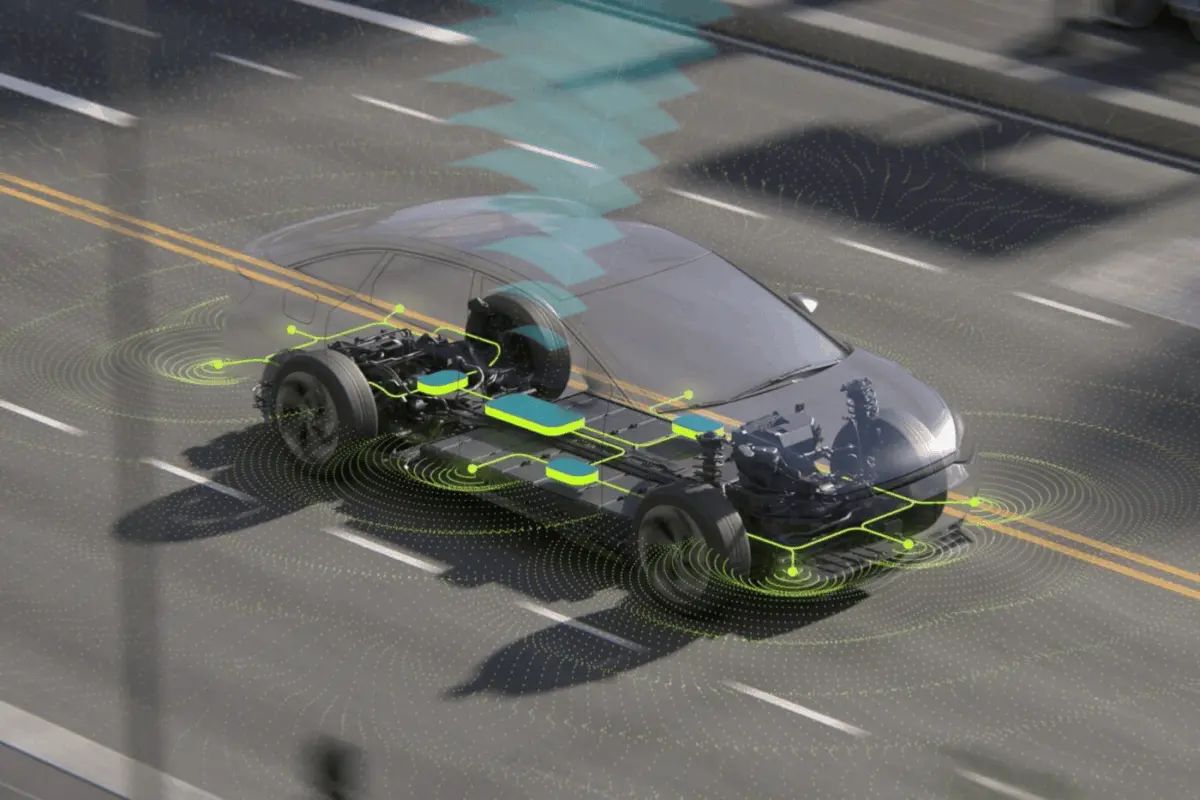
The proposal centers on the widespread adoption of the CEA, a sophisticated electronic architecture developed collaboratively by Volkswagen and Xpeng. This architecture is designed to centralize the control units that manage various vehicle functionalities, enabling seamless over-the-air (OTA) updates and fostering a more integrated, software-defined vehicle experience. According to sources cited by the German economic magazine Manager Magazin on Monday, October 26th, this technology could underpin future European models such as the anticipated ID. Golf, ID. Passat, and the next-generation Skoda Enyaq.
The scope of the proposed integration is extensive, targeting variants of the group’s future SSP31 platform. This platform is slated to support electric vehicles larger than the Polo, encompassing popular segments like the Tiguan family. The primary motivation behind this audacious move is financial, with Schäfer’s team estimating potential savings between €4 billion and €5 billion – a sum that underscores the immense pressure on Volkswagen to streamline operations and enhance profitability.
Understanding the China Electronic Architecture (CEA)
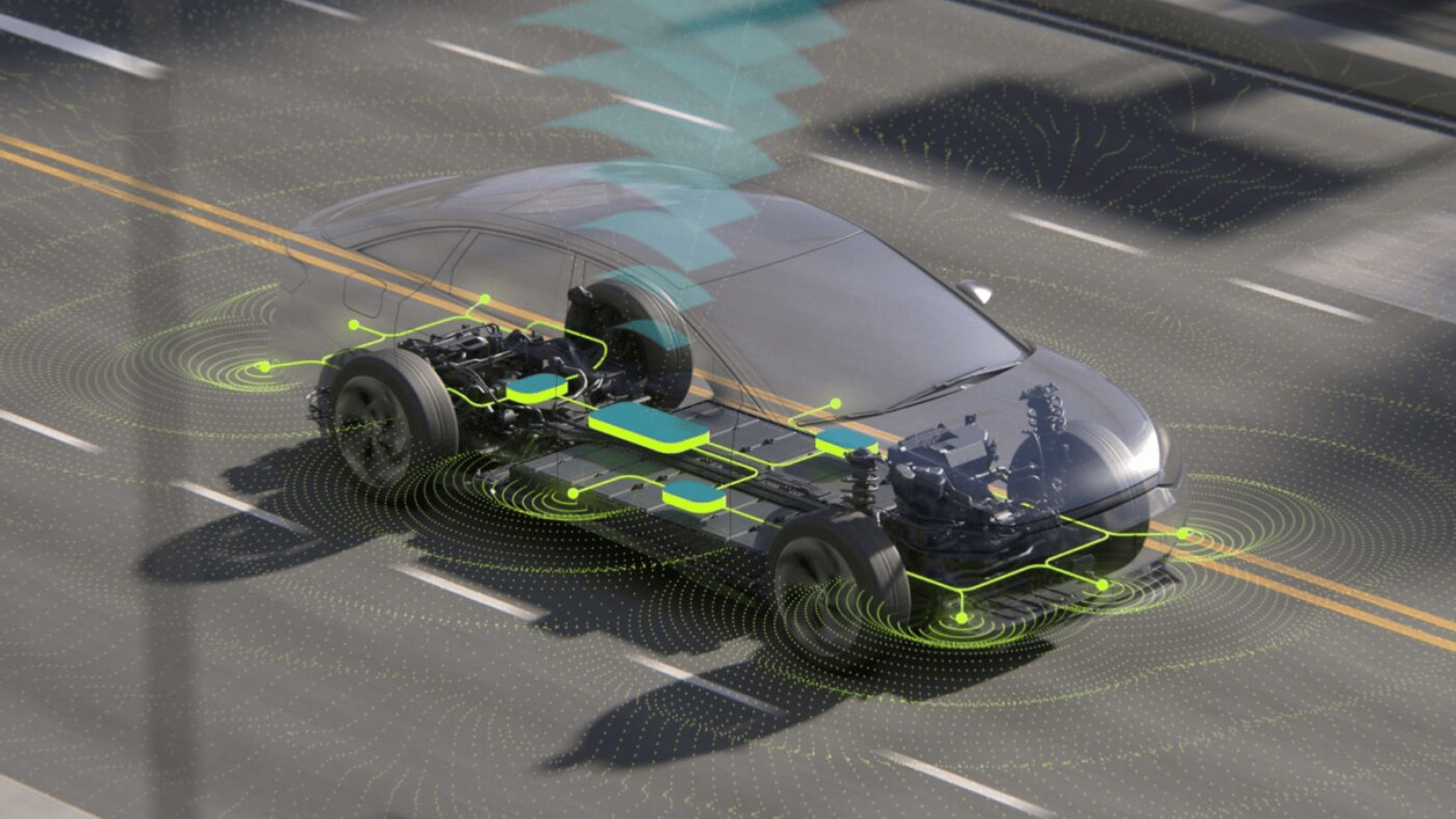
The CEA is a testament to the rapid advancements in automotive software and electronics originating from China. It moves away from the traditional distributed architecture, where numerous individual electronic control units (ECUs) manage specific functions, towards a more centralized, domain- or zone-based approach. In this system, fewer, more powerful central computers handle multiple functions, facilitating better communication, data processing, and system integration.
Key features of the CEA include:
- Centralized Computing: Consolidating numerous ECUs into a smaller number of high-performance central controllers. This simplifies wiring harnesses, reduces weight, and improves overall system efficiency.
- Over-the-Air (OTA) Updates: Enabling seamless remote software updates for various vehicle systems, from infotainment to powertrain control. This allows for continuous improvement, bug fixes, and the introduction of new features post-purchase, transforming the car into an evolving digital product.
- Enhanced Connectivity: Designed from the ground up for robust connectivity, supporting advanced driver-assistance systems (ADAS), intelligent cockpit features, and future autonomous driving capabilities.
- Scalability: The architecture is built to be scalable across different vehicle segments and brands, allowing for cost-effective deployment across a wide range of models.
The successful implementation of such an architecture is crucial for Volkswagen as it strives to compete with pioneers like Tesla and rapidly ascending Chinese EV manufacturers, all of whom have embraced software-defined vehicle paradigms.
A Detailed Timeline of the Volkswagen-Xpeng Partnership
The collaboration between Volkswagen and Xpeng is a relatively recent, yet rapidly accelerating, strategic alliance:
- July 2023: Volkswagen makes a significant investment of $700 million (approximately €625 million) into Xpeng. This investment secures a 4.99% stake in the Chinese EV maker and establishes a long-term strategic partnership aimed at joint development of electric vehicles for the Chinese market.
- August 2025: The two companies announce a major expansion of their joint development efforts. The CEA, initially conceived for specific EV models, is extended to encompass conventional internal combustion engine (ICE) and plug-in hybrid electric vehicle (PHEV) models produced in China, with deployment slated to begin from 2027. This signifies Volkswagen’s deep commitment to leveraging Xpeng’s digital expertise across its broader product portfolio in China.
- January 28, 2026: Volkswagen announces the commencement of manufacturing for the ID. UNYX 07 in China. This model is the first production vehicle to be equipped with the jointly developed CEA, marking a tangible milestone in the partnership. The ID. UNYX 07, a sleek electric sedan, represents the vanguard of Volkswagen’s next-generation intelligent vehicles in the world’s largest automotive market.
- October 24, 2026: The ID. UNYX 09, the second model co-developed with Xpeng following the ID. UNYX 08 SUV, begins sales through Volkswagen Anhui, the group’s Chinese joint venture. This further solidifies the practical application of the CEA and the joint development framework.
Despite these significant advancements and the rapid integration of Xpeng’s technology into Chinese-market Volkswagen models, these new electric offerings have reportedly faced challenges gaining traction among Chinese consumers, a market increasingly dominated by domestic brands offering cutting-edge technology at competitive prices. This context highlights the pressure on Volkswagen to find globally competitive software solutions.
Volkswagen’s Persistent Software Struggles and the Cariad Conundrum
The proposed adoption of Xpeng’s CEA for Europe must be understood within the broader context of Volkswagen’s well-documented struggles with its in-house software development arm, Cariad. Established in 2020 with the ambitious goal of creating a unified software platform for all Volkswagen Group brands – from Skoda to Porsche – Cariad has been plagued by delays, cost overruns, and internal strife.
Cariad’s inability to deliver a stable, scalable, and feature-rich software stack on schedule has had profound consequences:
- Vehicle Launch Delays: Several critical electric vehicle launches, including flagship models from Porsche and Audi, have been pushed back due to software immaturity and integration issues.
- Financial Drain: The continuous investment in Cariad without commensurate returns has become a significant financial burden on the group.
- Management Turmoil: Cariad has seen multiple leadership changes, reflecting the deep-seated challenges in aligning diverse brand requirements and developing complex software at scale.
- Reputational Damage: The delays and technical glitches have chipped away at Volkswagen’s reputation for engineering excellence, particularly in the critical domain of future-oriented vehicle technology.
The original vision for Cariad was to enable Volkswagen to compete directly with Tesla’s software prowess and establish a core competency in software-defined vehicles. However, the reality has fallen short, leaving Volkswagen vulnerable in a market where software is increasingly becoming the primary differentiator. The pressure to cut costs, as evidenced by the group’s announcement of 50,000 potential job cuts and the threat to four German factories, underscores the urgent need for efficient, ready-to-deploy solutions. This desperation is driving Volkswagen to explore unconventional pathways, including the potential importation of Chinese-developed technology.
The Rivian Dilemma: A Conflicting Strategic Partnership
The proposal to integrate Xpeng’s CEA into European models introduces a significant strategic conflict, particularly concerning Volkswagen’s existing partnership with the American electric vehicle startup, Rivian. In June 2024, Volkswagen announced a substantial investment of $5.8 billion (approximately €5.2 billion) into a joint venture with Rivian. This partnership was explicitly designed to develop next-generation software and electronic architectures for Volkswagen’s Western markets.
The Rivian collaboration, spearheaded by Volkswagen Group CEO Oliver Blume, was positioned as a cornerstone of the group’s long-term software strategy. It aimed to leverage Rivian’s expertise in electric vehicle software and hardware integration, particularly for advanced features and robust architecture, to create a competitive advantage for Volkswagen brands outside of China.
The simultaneous pursuit of two distinct software architectures – one with Xpeng for China (and potentially Europe) and another with Rivian for Western markets – presents a complex strategic challenge:
- Resource Duplication: Maintaining and developing two parallel architectural pathways could lead to inefficient allocation of engineering resources and capital.
- Platform Fragmentation: A fragmented software strategy could complicate global product planning, supply chain management, and the ability to offer a consistent user experience across different regions.
- Internal Politics: The decision will inevitably ignite internal debates about the optimal long-term technology strategy and the allocation of significant investment.
- Brand Identity: The integration of Chinese-developed software into core European models could raise questions about brand identity and technological independence.
The decision on the CEA will therefore not just be about technology, but also about the fundamental direction of Volkswagen’s global software strategy and the future of its partnerships.
Internal Skepticism and the Challenge of European Adaptation
While the potential cost savings are a powerful incentive, the proposal is not without its internal detractors. Manager Magazin reported that some within Volkswagen express doubts that adapting the CEA to European regulatory standards and consumer expectations will be as straightforward or as cost-effective as promised.
Key concerns regarding European adaptation likely include:
- Regulatory Compliance: European regulations concerning data privacy (e.g., GDPR), cybersecurity, vehicle safety, and emissions are among the strictest globally. Adapting a system developed primarily for the Chinese market to meet these stringent standards could be a complex and costly endeavor.
- Cybersecurity: Integrating software from a Chinese partner could raise concerns among European regulators and consumers regarding data security and potential vulnerabilities. Robust auditing and certification processes would be essential.
- User Experience and Localization: European consumers often have different expectations regarding infotainment systems, connectivity services, and overall user interface design compared to their Chinese counterparts. Extensive localization and customization would be required.
- Software Integration with Existing Systems: Integrating a new, centralized electronic architecture into Volkswagen’s existing vehicle platforms and supply chain ecosystem, which involves numerous legacy systems and suppliers, is an enormous engineering challenge.
- Supply Chain Resilience: Relying heavily on a single external partner for a critical core technology could introduce supply chain risks and geopolitical dependencies.
These concerns highlight that the "plug-and-play" solution implied by the cost savings might be overly optimistic, necessitating significant engineering effort and potentially eroding some of the projected financial benefits.
The Broader Market Context: Cost Pressures and the Chinese Offensive
Volkswagen’s exploration of Xpeng’s CEA is symptomatic of broader trends in the global automotive industry, characterized by intense cost pressures and a burgeoning offensive from Chinese automakers in Europe.
- Race to Affordability: The electric vehicle market is witnessing a fierce race to offer more affordable models. Volkswagen has demonstrated its ability to compete on price, having already successfully developed four electric city cars priced around €25,000 for Europe. In China, it even offers an electric SUV, the ID. Aura T6, at a highly competitive €17,200. Leveraging cost-effective software solutions is crucial for maintaining this competitive edge.
- Chinese EV Dominance: Chinese manufacturers are rapidly gaining ground globally, not just through aggressive pricing but also by offering technologically advanced vehicles with sophisticated software, connectivity, and infotainment systems. As Volkswagen itself noted, it is already considering selling its Chinese-produced electric vehicles in Europe, directly acknowledging the competitiveness of these models. The Mondial de l’Auto 2026, where Chinese manufacturers are preparing their European offensive, underscores this reality.
- Software as a Differentiator: In the era of software-defined vehicles, the quality and functionality of in-car software are increasingly critical differentiators, often outweighing traditional hardware metrics for many consumers. Volkswagen’s lagging position in this domain is a strategic vulnerability.
Xpeng’s Strategic Ambitions: Beyond Volkswagen
Xpeng, for its part, is not solely reliant on its partnership with Volkswagen. The company has articulated its own ambitious strategic goals:
- Technology Licensing: Xpeng aims to become a technology provider to other automakers, selling its cutting-edge software, electronic architectures, and potentially even components to expand its revenue streams and influence within the industry. This positions Xpeng as a significant player in the automotive tech supply chain.
- Ecosystem Integration: Xpeng has announced plans to integrate Google Play into its vehicles starting from 2027. This move will open up its infotainment systems to hundreds of applications, addressing a perceived weakness in its current offerings and significantly enhancing the user experience, particularly for international markets. This highlights Xpeng’s commitment to creating a rich, adaptable digital ecosystem within its vehicles.
Conclusion: A Crossroads for Volkswagen
The decision facing Volkswagen’s executive board on October 27th is far more than a technical or financial choice; it represents a fundamental strategic crossroads. Embracing Xpeng’s CEA for a majority of its European models could offer a fast track to addressing its software deficit, unlock significant cost savings, and enhance its competitiveness against both established rivals and emerging Chinese players.
However, such a move carries substantial risks: potential conflicts with the Rivian partnership, the complexities of adapting Chinese technology to stringent European regulations, and questions about long-term technological independence. The debate highlights the globalizing nature of automotive technology and the willingness of legacy automakers to look beyond traditional suppliers for critical components, even if it means importing core intellectual property from new competitors. The outcome of this board meeting will undoubtedly shape Volkswagen’s trajectory for years to come, influencing its product portfolio, market positioning, and its identity as a global automotive powerhouse in the age of software-defined mobility. The world watches to see if the German giant will double down on its Chinese partnership to secure its digital future in Europe.