George Chandra Eka
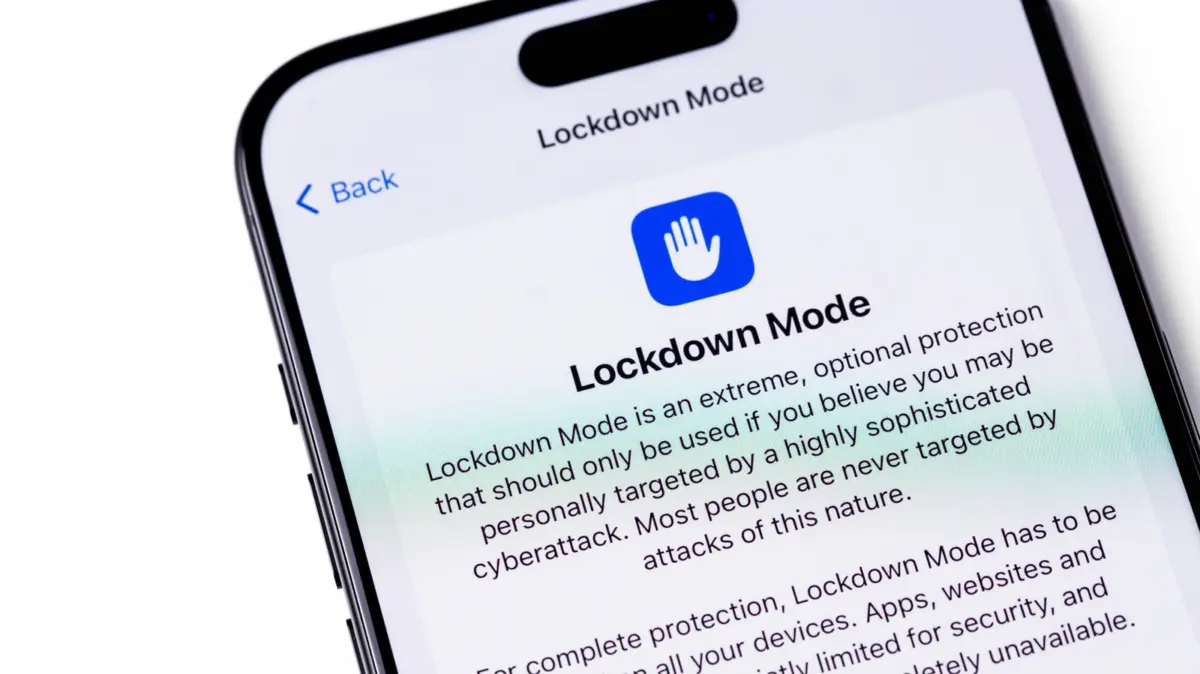
Apple’s Lockdown Mode, introduced in 2022, represents a significant escalation in personal device security, offering an "extreme" layer of protection for a select group of users facing the gravest digital threats. While most iPhone, iPad, and Mac users may not be familiar with this deeply embedded feature, its existence underscores the increasing sophistication of commercial spyware and the tech industry’s proactive efforts to counter it. Designed specifically for individuals at high risk of targeted cyberattacks, such as journalists, activists, government officials, and human rights defenders, Lockdown Mode transforms an Apple device into a highly fortified digital fortress, albeit with substantial trade-offs in functionality and convenience.
The Genesis of an "Extreme" Defense: Countering State-Sponsored Spyware
The development and deployment of Lockdown Mode did not occur in a vacuum; it was a direct response to a rapidly evolving landscape of state-sponsored and commercially available mercenary spyware. For years, reports have detailed how sophisticated tools like NSO Group’s Pegasus, Candiru, and Cytrox have been illicitly used by governments worldwide to target critics, dissidents, and perceived enemies. These potent surveillance tools often exploit "zero-click" vulnerabilities, allowing attackers to compromise a device without any user interaction, turning it into a pervasive listening and tracking device.
The timeline leading to Lockdown Mode’s inception highlights this escalating threat. By the mid-2010s, evidence began to mount regarding the widespread abuse of such spyware. Investigations by organizations like Citizen Lab and Amnesty International repeatedly exposed how Pegasus, for instance, was used to monitor prominent figures, including journalists like Jamal Khashoggi, human rights lawyers, and political opponents across dozens of countries. These revelations spurred intense public scrutiny and legal challenges, with Apple itself filing a lawsuit against NSO Group in November 2021, seeking to ban the company from using its products and services.
It was against this backdrop that Apple announced Lockdown Mode at its Worldwide Developers Conference (WWDC) in June 2022, subsequently releasing it with iOS 16, iPadOS 16, and macOS 13 Ventura later that fall. Its introduction was a clear statement from Apple: the company was committed to providing a robust defense for its most vulnerable users, even if it meant sacrificing some of the seamless user experience synonymous with its brand. The feature later extended to watchOS 10 and newer, ensuring a comprehensive ecosystem-wide shield.
Enabling Lockdown Mode is a straightforward process, though intentionally tucked away in the system settings to prevent accidental activation by the average user. To activate it, users navigate to Settings > Privacy & Security > Lockdown Mode, then tap Turn On & Restart and confirm with their device passcode. The process is reversible through the same pathway, allowing users to toggle the feature on or off as their threat assessment dictates.
Lockdown Mode’s Drastic Restrictions: A Deep Dive into Functionality Sacrifices
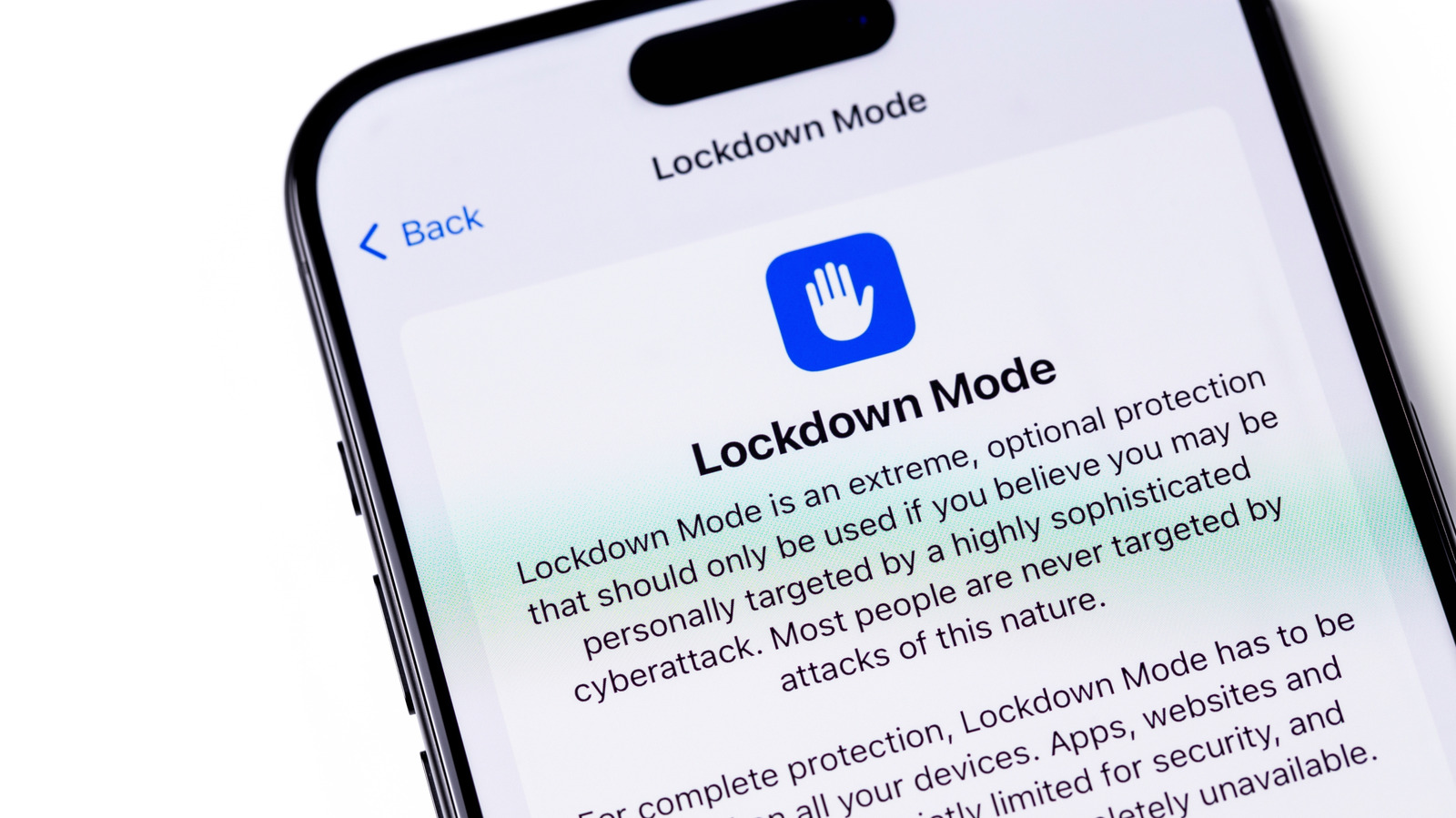
The power of Lockdown Mode lies in its aggressive posture, which fundamentally alters the device’s operational parameters by drastically reducing its attack surface. This involves disabling numerous features and services that, while convenient, could potentially serve as entry points for sophisticated exploits. The impact on daily usage is profound, affecting communication, browsing, connectivity, and various system-level functionalities.
Messaging and Communication:
Perhaps one of the most significant areas of restriction is messaging. In Lockdown Mode, most types of message attachments are blocked, and crucially, link previews are disabled. This measure directly addresses "zero-click" exploits like "ForcedEntry" and "Blastpass," which have historically leveraged vulnerabilities in iMessage’s processing of incoming data to install spyware without user interaction. By stripping down message functionality, Lockdown Mode aims to neutralize these highly insidious attack vectors. For instance, the "Blastpass" exploit, discovered in 2023, was found to be completely ineffective against devices running Lockdown Mode, highlighting its immediate and proven efficacy.
FaceTime calls also face severe limitations. Only individuals with whom the user has previously initiated a call can reach them. This prevents unsolicited calls, which could be exploited for social engineering or as a component of more complex attack chains.
Web Browsing:
The internet browsing experience is significantly impacted. Lockdown Mode restricts certain complex web technologies, most notably disabling just-in-time (JIT) JavaScript compilation in web browsers like Safari. While JavaScript is integral to modern web functionality, its complexity can also introduce vulnerabilities. By limiting its execution, Lockdown Mode sacrifices browsing speed and functionality on some websites—potentially causing pages to load slowly or not at all—in favor of enhanced security against browser-based exploits.
Connectivity Limitations:
Device connectivity is another critical area of hardening. When the iPhone is locked, wired connections are disabled, meaning the device cannot communicate with a computer or any accessory without explicit user authentication via passcode. This thwarts potential attacks that leverage compromised charging cables or physical access to inject malicious code or extract data.
Wireless connectivity is also tightened. The device will no longer automatically connect to unsecured Wi-Fi networks, reducing the risk of man-in-the-middle attacks where adversaries intercept data transmitted over compromised networks. Furthermore, support for older, less secure 2G and 3G cellular networks is entirely disabled. While these networks have largely been phased out in many regions, including the US, their continued presence elsewhere could pose a risk, as they are more susceptible to interception and impersonation attacks.
System-Level Functionality:
Beyond communication and connectivity, Lockdown Mode imposes restrictions across various system services and applications:
- Configuration Profiles: Users cannot install new configuration profiles, which are often used by schools, employers, or malicious actors for device management or surveillance. This prevents the unauthorized installation of profiles that could grant unwanted access or control.
- Apple Watch Notifications: Phone call notifications from the iPhone will not appear on a paired Apple Watch, reducing a potential secondary vector for information leakage or interaction.
- Apple Services: Features like Home invitations (for smart home control) and Game Center are unavailable. Photo sharing is also restricted. These measures are designed to minimize the potential for data exfiltration or social engineering attempts through these services.
The sum of these restrictions paints a clear picture: Lockdown Mode transforms an Apple device into a highly specialized tool, prioritizing absolute security over the typical, feature-rich user experience.
Who Needs This Extreme Protection? The Target Audience and Apple’s Stance
Apple has been unequivocal about Lockdown Mode’s intended audience, describing it as a feature for "a very small number of users who may be targeted by highly sophisticated digital threats." This isn’t a tool for the average user concerned about phishing scams or common malware; existing Apple security and privacy features are already robust against those prevalent threats. Instead, Lockdown Mode is for individuals whose lives or work place them in the crosshairs of state-sponsored actors or well-funded mercenary spyware operations.
This includes:
- Journalists and Whistleblowers: Those reporting on sensitive topics, exposing corruption, or working in oppressive regimes are prime targets for surveillance aimed at identifying sources or disrupting investigations.
- Human Rights Activists: Individuals advocating for civil liberties, democracy, or environmental protection often face intense scrutiny and attempts at intimidation or suppression through digital means.
- Government Officials and Political Dissidents: High-ranking government employees, opposition leaders, or individuals engaged in politically sensitive activities are frequently targeted for espionage or to undermine their work.
Security experts and human rights organizations have largely lauded Apple’s initiative. Researchers at Citizen Lab, who have extensively documented the abuse of spyware like Pegasus, confirmed Lockdown Mode’s effectiveness against the "Blastpass" exploit, calling it a "game changer" for high-risk individuals. This independent validation underscores the feature’s critical importance in protecting vulnerable populations.
Apple itself demonstrates immense confidence in Lockdown Mode’s capabilities. The company offers a 100 percent bonus on top of the regular reward through its Security Bounty program to anyone who can find a way to bypass the feature. This significant incentive, potentially doubling payouts for critical vulnerabilities, highlights Apple’s commitment to ensuring the mode’s impregnability.
For users who are genuinely at risk, Apple also provides an additional layer of protection: direct notification. If Apple detects that a user may have been targeted by state-sponsored mercenary spyware, it will send a threat notification to the user’s Apple ID, informing them of the potential compromise and recommending steps, including enabling Lockdown Mode. This proactive warning system is a testament to Apple’s dedication to its users’ digital safety.
While Lockdown Mode is designed to be aggressive, it does offer a degree of flexibility. Users can, for instance, exclude specific contacts from messaging restrictions, allowing trusted family members or colleagues to send them videos or documents. Similarly, certain websites and apps can be whitelisted, enabling their full functionality. However, security experts caution that loosening these restrictions inherently increases the device’s vulnerability. For those facing an active threat, maintaining all default protections is strongly advised.
Broader Implications and the Future of Digital Security
The introduction of Lockdown Mode signals a pivotal moment in the ongoing arms race between cyber defenders and attackers, particularly those involved in commercial and state-sponsored espionage. It sets a new benchmark for device security, acknowledging that traditional, layered defenses are sometimes insufficient against the most sophisticated, well-resourced adversaries.
Industry Trends: Apple’s move could prompt other operating system developers and device manufacturers to consider implementing similar "extreme" security modes. As the threat landscape continues to evolve, the concept of a configurable "hardened" state for devices may become a standard offering, catering to diverse threat models. This could spur innovation in security architecture across the tech industry, benefiting all users in the long run.
Ethical Considerations: Lockdown Mode also brings to the forefront the ethical dimensions of technology and human rights. By providing a direct countermeasure to tools like Pegasus, Apple is taking a tangible stand against the misuse of surveillance technology. This commitment from a major tech company strengthens the position of human rights advocates and investigative journalists globally, offering them a vital tool to continue their work under challenging circumstances. It also intensifies the debate around the regulation of commercial spyware and the accountability of companies that develop and sell these powerful tools.
User Empowerment and Awareness: Even for the vast majority of users who will never need Lockdown Mode, its existence serves an important educational purpose. It raises awareness about the types of advanced digital threats that exist and the fundamental trade-offs involved in achieving maximum security. It underscores that digital safety is not just about antivirus software but also about understanding attack surfaces and making informed choices about functionality versus protection.
The Balance of Security and Usability: Ultimately, Lockdown Mode embodies a fundamental tension in technology design: the balance between security and usability. For the average user, the inconveniences—broken websites, limited communication, restricted system features—would far outweigh the benefits, making the device cumbersome for everyday tasks. Standard Apple security features, including robust encryption, privacy controls, and regular software updates, are more than sufficient for the typical consumer. However, for the select few whose lives or livelihoods depend on absolute digital anonymity and protection from highly targeted attacks, Lockdown Mode is not merely a feature; it is an indispensable shield, a testament to Apple’s commitment to safeguarding even its most vulnerable users in an increasingly perilous digital world. It is a powerful, niche tool that, for its intended audience, represents a critical advancement in personal cybersecurity.