Chandra Wibowo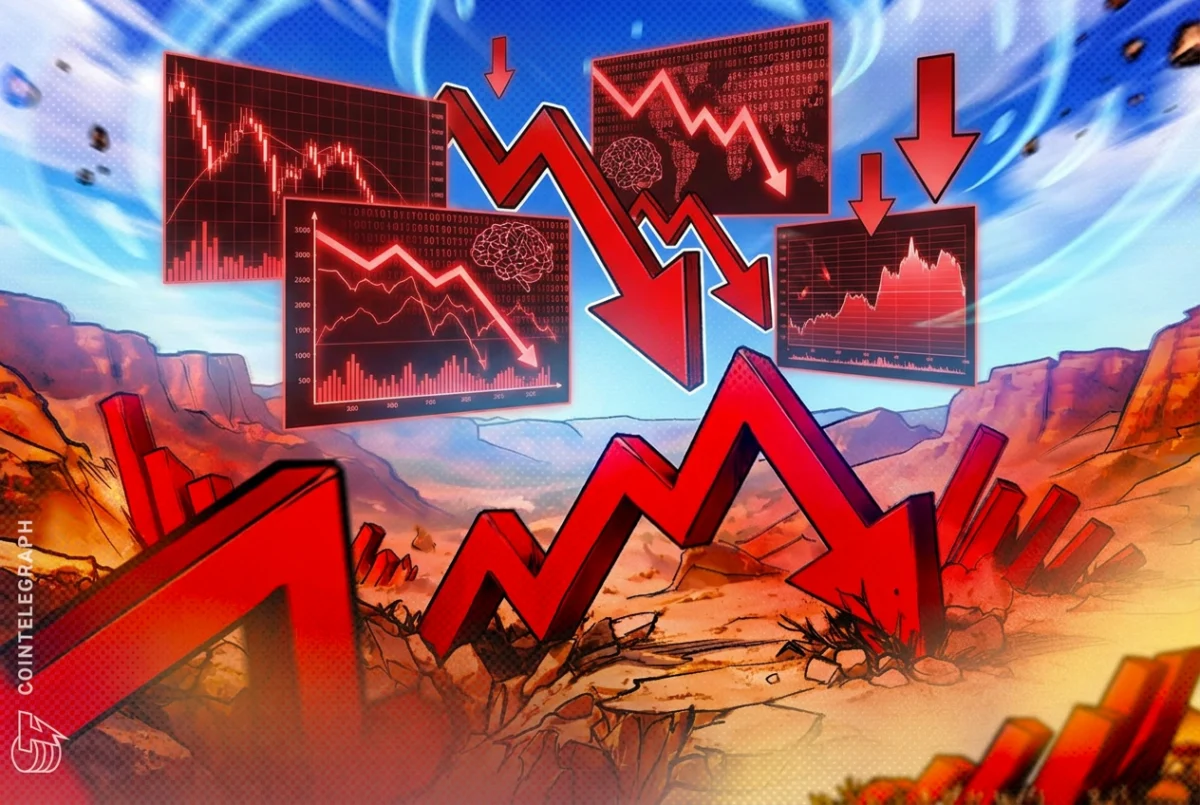
In a significant development within the high-stakes world of quantitative finance and artificial intelligence investment, Ken Griffin’s renowned hedge fund, Citadel, has reportedly acquired a substantial portion of the public stock portfolio belonging to Situational Awareness, the investment firm founded by former OpenAI researcher Leopold Aschenbrenner. This transaction, first reported by the Financial Times, comes in the wake of considerable losses experienced by Situational Awareness during a pronounced downturn in artificial intelligence-related stocks in July.
The reported acquisition highlights the volatile nature of investments tied to rapidly evolving technological sectors, particularly artificial intelligence, and underscores the strategic maneuvers undertaken by major financial players in response to market shifts. Sources familiar with the matter indicate that Citadel’s involvement was triggered by Situational Awareness’s need to liquidate assets following a challenging trading period. The specifics of the portfolio’s valuation and the exact proportion acquired by Citadel remain undisclosed, but the deal signifies a substantial financial operation, reflecting both the scale of Aschenbrenner’s fund and Citadel’s strategic investment appetite.
A Tumultuous July for Situational Awareness
Leopold Aschenbrenner’s Situational Awareness fund experienced a significant decline in its public stock portfolio during July, reportedly losing approximately 67% of its value. This steep drop, as detailed by The Wall Street Journal, occurred amidst a broader market correction in artificial intelligence stocks. Despite this substantial monthly loss, the fund managed to maintain a year-to-date gain of roughly 80%, a testament to its earlier strong performance. Prior to this July downturn, the Financial Times had reported that Situational Awareness had achieved an impressive 439% return through the end of June, indicating a period of exceptional growth that was sharply interrupted.
The July market turbulence appears to have put significant pressure on Aschenbrenner’s fund. Reports suggest that Situational Awareness had been actively seeking fresh capital from its existing investors and lenders. In an effort to manage its financial position, the fund also offered some investors the option to purchase portfolio assets directly. The Wall Street Journal further elaborated that the fund required immediate cash to meet margin calls from its lenders. In a separate, near-term transaction, Situational Awareness had agreed late on a Wednesday to sell $3.5 billion of its Anthropic shares to a consortium led by Greenoaks and Sequoia Capital. However, this deal was reportedly withdrawn the following morning, underscoring the fluidity and urgency of the fund’s financial situation.
Reuters, in its independent reporting, confirmed the leveraged nature of the portfolio involved in the sale to Citadel. While Reuters could not definitively confirm whether formal margin calls had been issued prior to the transaction, their sources indicated that Situational Awareness retained approximately $10 billion in stocks and private investments, which notably includes its stake in Anthropic. This suggests a strategic divestment of certain public holdings to stabilize the fund’s overall financial health.
AI Holdings Under Pressure
The reported decline in Situational Awareness’s portfolio is directly linked to the performance of several key stocks heavily associated with the artificial intelligence sector. Companies that were prominent holdings of the fund experienced significant price drops in July. For instance, Sandisk (SNDK), a semiconductor company, saw its value decrease by approximately 44% during the month, even after a rebound of 26% on a particular Thursday. Similarly, CoreWeave (CRWV), a cloud infrastructure provider specializing in GPU-accelerated computing, experienced a nearly 26% decline in July. Bloom Energy (BE), a company focused on clean energy solutions, also faced headwinds, with its stock falling around 32% over the same period, according to data from Yahoo Finance.
These specific stock performances illustrate the broader trend of volatility within the AI investment landscape. The sharp declines suggest that the market’s enthusiasm for AI-related companies may have outpaced underlying fundamentals or that macroeconomic factors exerted a disproportionate influence on these growth-oriented stocks. Situational Awareness’s U.S. Securities and Exchange Commission (SEC) filing, dated March 31, confirmed direct share positions in all three of these companies, highlighting their significance within the fund’s public equity holdings.
Diversification into Bitcoin Mining and AI Infrastructure
Beyond direct AI technology companies, Situational Awareness had also strategically invested in the burgeoning intersection of artificial intelligence and cryptocurrency mining. The fund’s SEC filing revealed holdings valued at approximately $1.11 billion across seven Bitcoin mining companies. These included significant positions in Iren, Core Scientific, Riot Platforms, and CleanSpark.
Cointelegraph had previously reported on Situational Awareness’s foresight in investing in these miners, recognizing their potential to expand into AI infrastructure. By repurposing their substantial power supply capabilities and data center facilities, these Bitcoin miners were seen as well-positioned to support the immense computing power demands of artificial intelligence and high-performance computing (HPC) applications. This diversification strategy reflected a broader trend of synergistic growth between the AI and blockchain industries, both of which are characterized by high energy consumption and a need for robust computational resources.
It remains unclear precisely which stocks were included in the transaction between Citadel and Situational Awareness. Furthermore, it is yet to be determined whether the fund has retained any of its positions in the Bitcoin mining sector following the sale of a portion of its public stock portfolio.
The Genesis of Situational Awareness and Aschenbrenner’s Vision
The name of Leopold Aschenbrenner’s fund, Situational Awareness, is directly inspired by his influential essay series, "Situational Awareness: The Decade Ahead," published in 2024. This series articulated a compelling argument for the imminent arrival of Artificial General Intelligence (AGI), positing that it could be realized as early as 2027. Aschenbrenner’s thesis predicted that the advent of AGI would catalyze an unprecedented surge in demand for computing power and electricity, thereby creating significant investment opportunities in the underlying infrastructure.
Aschenbrenner’s background is noteworthy, preceding his venture into founding Situational Awareness. He was a member of the five-person team at the FTX Future Fund, the venture capital arm of the now-defunct cryptocurrency exchange FTX. He was among those who signed the resignation notice in November 2022, as FTX faced its dramatic collapse. This experience, coupled with his deep involvement in the AI research community, provides a unique perspective on the intersection of cutting-edge technology, financial markets, and the challenges of managing significant investment capital in rapidly evolving sectors.
Market Implications and Future Outlook
The acquisition by Citadel of a significant portion of Situational Awareness’s public stock portfolio has several implications for the financial markets. Firstly, it signals Citadel’s confidence in identifying and capitalizing on distressed assets within high-growth sectors. The fund’s ability to absorb a large portfolio during a period of market correction suggests a strategic assessment of long-term value rather than short-term market fluctuations.
Secondly, the transaction highlights the intense scrutiny and potential for volatility that surrounds AI-focused investments. While the long-term prospects of AI remain exceptionally promising, the short-to-medium term performance of related stocks can be subject to rapid shifts driven by news, regulatory developments, and investor sentiment. The substantial losses incurred by Situational Awareness serve as a cautionary tale for investors in this dynamic space.
The broader impact of this event may also influence investor behavior and capital allocation strategies. As the AI sector continues to mature, investors are likely to place a greater emphasis on fundamental analysis, risk management, and diversification. The potential for significant gains remains, but the heightened awareness of the risks involved may lead to more discerning investment decisions.
Furthermore, the involvement of major players like Citadel in acquiring assets from a fund founded by an AI researcher underscores the increasing convergence of technology and traditional finance. This trend is likely to accelerate as AI continues to permeate various industries, creating new investment paradigms and opportunities.
As of the publication of this article, neither Situational Awareness nor Citadel had provided official comment regarding the transaction. The market will be closely watching for further developments and any insights into the specific assets transferred and the strategic rationale behind Citadel’s acquisition. The story of Situational Awareness’s recent market challenges and Citadel’s strategic response offers a compelling case study in the complexities and opportunities present in today’s rapidly evolving investment landscape, particularly at the forefront of artificial intelligence innovation.