George Chandra Eka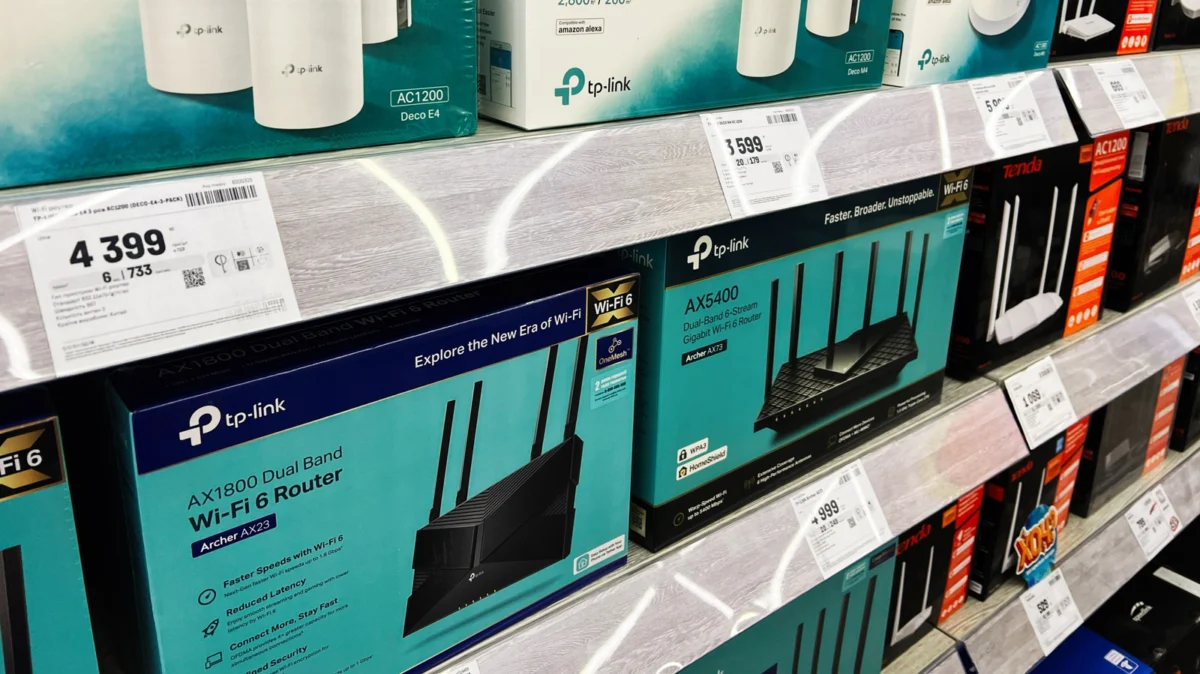
The United States has seen a significant shift in its regulatory approach to consumer technology, particularly impacting the market for Wi-Fi routers. A broad directive from the Federal Communications Commission (FCC) initially aimed at curbing supply-chain vulnerabilities from foreign-made network equipment has placed a cloud of uncertainty over several manufacturers, most notably TP-Link. Once a stalwart recommendation for its blend of performance and affordability, TP-Link now finds its future product pipeline in the U.S. market severely constrained, not primarily due to product-specific security flaws, but rather as a byproduct of escalating geopolitical tensions and a politically charged regulatory environment.
This development means that while TP-Link can continue to sell routers already approved by the FCC prior to the ban, the introduction of new models faces formidable hurdles. For consumers within the United States, this situation complicates purchasing decisions, advising caution when considering new TP-Link devices due to potential long-term support uncertainties. However, for markets outside the U.S., TP-Link products remain viable, as the regulatory concerns are specific to American policy and not indicative of a global security compromise inherent to the company’s offerings. The crux of the issue lies less in publicly substantiated evidence of unique insecurity in TP-Link products and more in the ambiguity and market distortion created by the FCC’s actions.
A Chronology of Regulatory Action and Geopolitical Undercurrents
The roots of this regulatory crackdown extend back to a period of heightened trade and technology disputes during the Trump administration, characterized by an assertive stance against Chinese technology companies. This era saw the U.S. government implement various measures, including export controls and bans, targeting firms like Huawei and ZTE, citing national security concerns. The rationale often revolved around fears of potential espionage or sabotage facilitated by equipment from companies with perceived ties to the Chinese government.
It was against this backdrop that the FCC, without explicitly naming TP-Link, issued a sweeping notice declaring that foreign-made consumer routers could pose significant supply-chain vulnerabilities and cybersecurity risks. The agency’s broad framing of the issue linked these risks to potential espionage and attacks on critical infrastructure. This generalized concern formed the basis for restricting the approval of new router models originating from certain foreign entities.
While the initial notice was comprehensive, subsequent actions by the FCC revealed a more nuanced, and some would argue, selective application of the policy. The commission later granted conditional approvals and waivers to a growing list of other manufacturers, including prominent players like Netgear and Amazon’s Eero. This selective granting of exemptions effectively highlighted companies like TP-Link, which did not receive such waivers, as implicit targets of the policy, despite the FCC’s initial broader framing. The implication was clear: while the policy was presented as a blanket measure against foreign-made equipment, its practical application appeared to disproportionately affect specific companies.
In response to this evolving landscape, TP-Link announced a significant corporate restructuring in 2024, stating that its global headquarters had been relocated to the United States. This move was widely seen as an attempt to address the "foreign-made" designation and mitigate the impact of U.S. regulatory scrutiny. However, despite this strategic reorganization, the FCC’s position regarding TP-Link’s new product approvals in the U.S. market does not appear to have significantly softened, suggesting that the underlying concerns, whether political or security-based, remain unresolved from the regulator’s perspective.
Further complicating the timeline was the FCC’s initial stipulation regarding security updates. Initially, affected companies faced a March 2027 cutoff for pushing critical security updates to their devices. This deadline drew widespread criticism for being consumer-hostile and creating a potential cybersecurity nightmare by rendering millions of devices vulnerable. Recognizing these grave implications, the FCC later extended this deadline to January 1, 2029, allowing a longer window for essential firmware and security patches. While providing some reprieve, this extension also inadvertently underscored the inconsistencies in the FCC’s narrative: if these routers truly posed an urgent, grave threat, such an extension would seem counterproductive to immediate national security objectives.
The FCC’s Mandate and Chairman Carr’s Controversial Tenure
The Federal Communications Commission is an independent agency of the United States government established by statute to regulate interstate and international communications by radio, television, wire, satellite, and cable. Its mandate includes ensuring the availability of rapid, efficient, nationwide, and worldwide wire and radio communication services. In the context of cybersecurity, the FCC plays a role in safeguarding the nation’s communications infrastructure. However, the agency’s actions under Chairman Brendan Carr have drawn considerable criticism, with many observers suggesting a departure from traditional regulatory impartiality.
Chairman Carr, a Republican appointee, has been a vocal proponent of a hawkish stance on Chinese technology and has been widely perceived as aligning the FCC’s agenda with the broader political objectives of the Trump administration. His tenure has been marked by several instances where critics argue the FCC acted more as a political instrument than an independent arbiter. For example, Carr has reportedly issued warnings to broadcasters about potentially losing their licenses over coverage deemed unfavorable to the President, pressured ABC affiliates to cease airing late-night comedy shows critical of the administration, and even initiated early reviews of Disney-owned ABC station licenses. These actions have fostered an environment where the FCC’s pronouncements, particularly those touching on politically sensitive topics like Chinese tech, are viewed with a degree of skepticism regarding their neutrality and underlying motivations.
While the presence of political motivations does not automatically invalidate the FCC’s security claims, it certainly diminishes the agency’s credibility and the public’s willingness to accept its assertions at face value. A truly independent regulatory body typically builds its case on robust, transparent, and specific evidence, which, in the case of TP-Link and the broader router ban, has largely been absent from public discourse.
Scrutinizing the Security Rationale and Market Realities
The FCC’s core argument for restricting foreign-made routers centers on generic "supply-chain vulnerabilities" and "cybersecurity risks" tied to espionage. While these are legitimate concerns in the abstract, the agency has not presented specific, public evidence detailing how TP-Link routers, in particular, pose a unique or elevated threat compared to other brands or to the general landscape of internet-connected devices. The lack of specific public findings against TP-Link contrasts sharply with previous U.S. government actions against companies like Huawei, where detailed intelligence assessments, albeit often classified, were referenced to justify severe restrictions.
Moreover, several inconsistencies in the FCC’s public case undermine its narrative. Firstly, if foreign-made routers truly represent an urgent national security threat, then banning only new models while allowing a vast installed base of previously approved devices to remain in operation appears illogical. This approach does little to address the immediate, perceived threat posed by millions of existing routers already deployed in American homes and businesses. The extension of security update deadlines to 2029 further complicates this argument; if the devices are inherently dangerous, prolonging their operational life with updates, rather than encouraging immediate replacement, seems contradictory.
Secondly, the notion of a "fully American-made consumer Wi-Fi router" is largely a myth in today’s globally integrated electronics industry. Even brands headquartered in the U.S. or granted exemptions by the FCC invariably rely on complex global supply chains for components, manufacturing, assembly, and often, design elements. Semiconductors, circuit boards, plastics, and other critical parts are sourced from various countries, including China, Taiwan, South Korea, and others. This intricate web makes it exceedingly difficult, if not impossible, to claim any consumer electronic device is entirely free from foreign influence or potential supply chain vulnerabilities. The FCC’s policy, therefore, appears to target the country of origin for the final assembly or corporate registration rather than addressing the fundamental interconnectedness of modern manufacturing. This reality suggests that the policy may be more symbolic or politically motivated than truly effective in isolating the U.S. from global supply chain risks.
Thirdly, router security issues are not unique to any single country’s supply chain or a specific manufacturer. Cybersecurity researchers and consumer advocacy groups, such as Consumer Reports, have frequently highlighted that a wide range of routers, regardless of their country of origin, often come with basic security flaws, outdated firmware, or default configurations that leave users vulnerable. Focusing disproportionately on "foreign-made" routers, particularly without specific evidence, risks diverting attention from the broader, systemic security challenges facing the entire router industry.
TP-Link’s Market Position and the Broader Industry Landscape
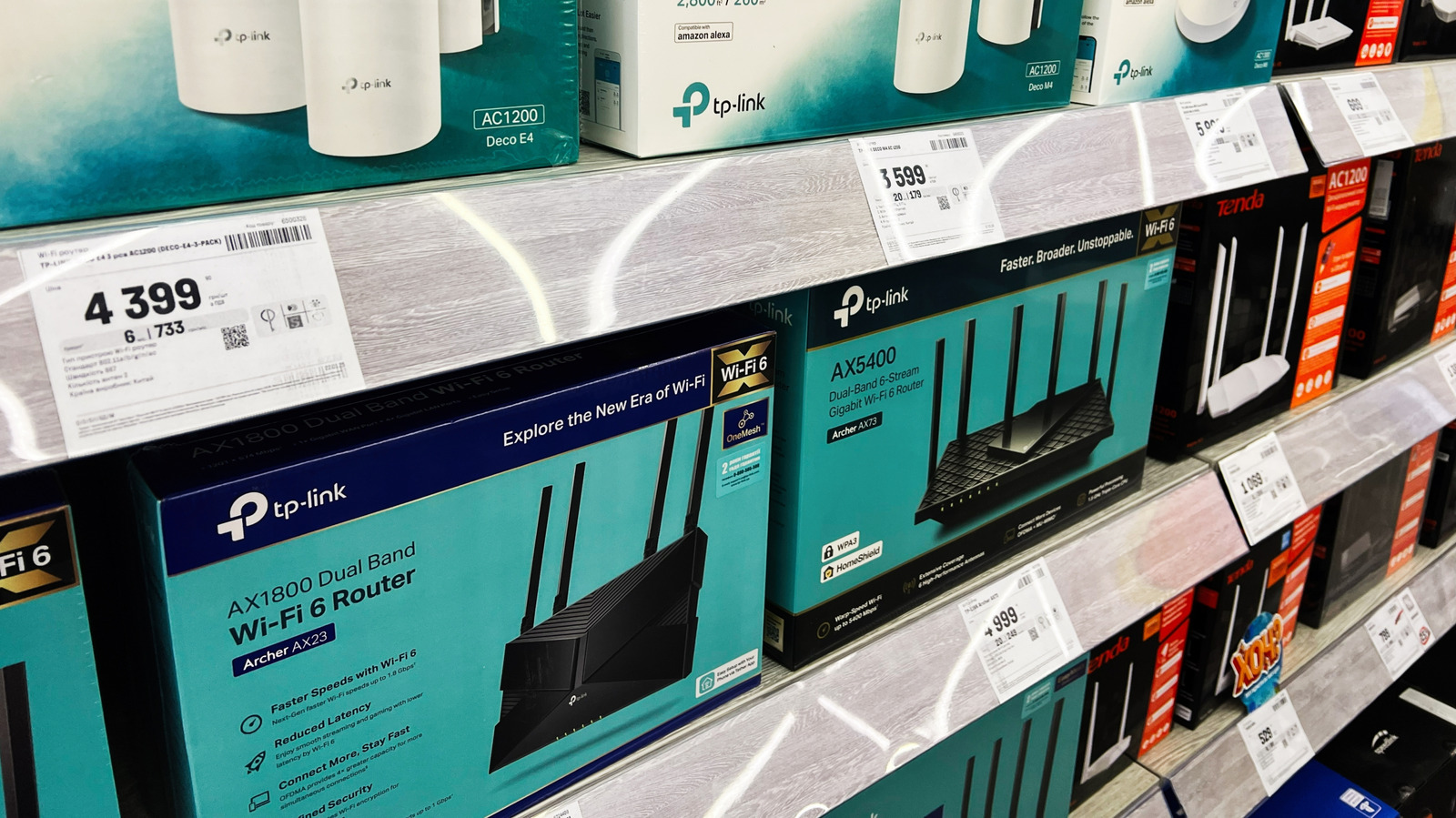
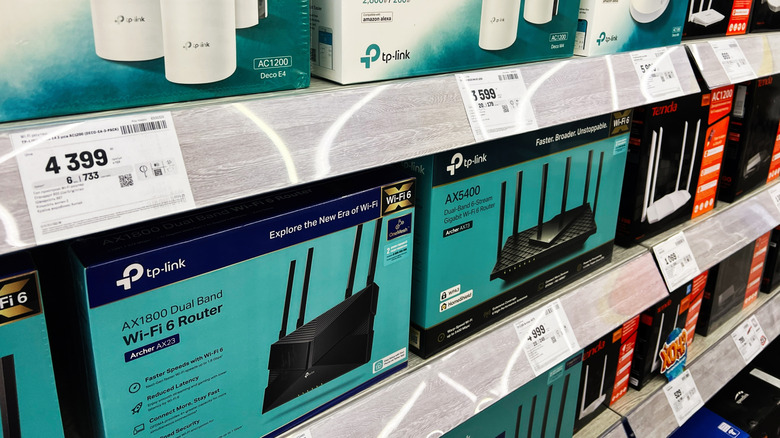
TP-Link has long been a formidable presence in the global networking market. For years, it has consistently ranked among the top vendors for Wi-Fi products, often holding a significant global market share. For instance, market research firms have frequently reported TP-Link as a leader in the WLAN (Wireless Local Area Network) segment, demonstrating its widespread adoption and reputation for providing reliable, high-performing, and cost-effective solutions. Its product lines, including the popular Archer series for routers and Deco series for mesh Wi-Fi systems, have garnered positive reviews for their performance, ease of use, and competitive pricing. In the U.S. market specifically, TP-Link had carved out a substantial niche, appealing to a broad spectrum of consumers from budget-conscious buyers to those seeking advanced features without breaking the bank.
The FCC’s restrictions introduce significant market distortion. By granting conditional approvals to competitors like Netgear and Amazon’s Eero, the policy effectively creates a more favorable competitive environment for these companies within the U.S. This could lead to market consolidation, potentially reducing consumer choice and driving up prices for networking equipment in the long run. Innovation might also suffer if companies perceive an uneven playing field where regulatory hurdles are influenced by geopolitical considerations rather than purely technical merits or security assessments.
Implications for US Consumers and International Markets
For US consumers, the immediate impact of the FCC’s actions is a tangible reduction in choice for new router models and a cloud of uncertainty over long-term product support. Routers are typically considered long-term investments, with users expecting several years of reliable operation and, critically, ongoing security updates. While existing TP-Link owners in the U.S. can take some solace in the extended security update deadline until January 1, 2029, new buyers face an increasingly truncated runway of guaranteed support. The policy risk is substantial: purchasing a new TP-Link router in the U.S. today means accepting the possibility that security updates might cease within a relatively short timeframe, potentially leaving the device vulnerable to future threats. Given the critical role a router plays in home network security, this uncertainty makes it a difficult recommendation for American consumers.

Current owners of TP-Link routers in the U.S. are advised not to panic. As long as their devices are performing well and receiving firmware updates, there is no immediate need for replacement. However, it is crucial to regularly check for these updates and to be prepared to reassess their situation as the January 1, 2029, deadline approaches. Beyond this date, continued use of an unsupported router would carry significant security risks.
Crucially, for consumers outside the United States, the situation remains fundamentally different. There is no evidence or regulatory action from other major global markets suggesting that TP-Link routers are uniquely insecure or should be avoided. The issue is primarily a consequence of specific U.S. regulatory policy, heavily influenced by its geopolitical stance, rather than a blanket indictment of TP-Link’s product quality or security posture globally. Therefore, international buyers can continue to consider TP-Link products based on their performance, features, and value proposition without the added layer of regulatory uncertainty present in the U.S.
Broader Industry and Policy Ramifications
The FCC’s actions against TP-Link and other foreign-made routers set a significant precedent for future technology regulation. It signals an increasing willingness by U.S. regulators to use national security as a broad justification for restricting market access, even in the absence of specific, publicly disclosed evidence of malfeasance. This approach could spill over into other consumer electronics categories, creating a fragmented global market where product availability and support are dictated by geopolitical alignments rather than technological innovation or consumer demand.
The policy also highlights the ongoing challenge for governments worldwide to balance legitimate national security concerns with the principles of free trade, open markets, and consumer choice. While protecting critical infrastructure and guarding against espionage are paramount, the method and transparency of such measures are equally important. When regulatory actions are perceived as politically motivated or inconsistent, they risk undermining trust in institutions, distorting markets, and ultimately harming consumers.
In conclusion, the situation surrounding TP-Link routers in the U.S. market is a complex interplay of technology, trade, and geopolitics. While the FCC cites national security, the selective nature of its exemptions, the lack of specific public evidence against TP-Link, and the political backdrop of Chairman Carr’s tenure raise questions about the true motivations behind the policy. For US consumers, the practical implication is a necessary caution when considering new TP-Link purchases, primarily due to future support uncertainties. For the global tech industry, it serves as a stark reminder of how geopolitical currents can profoundly impact market access and competition, shaping the future of consumer electronics in ways that extend far beyond technical specifications or product performance.