Galang Taruna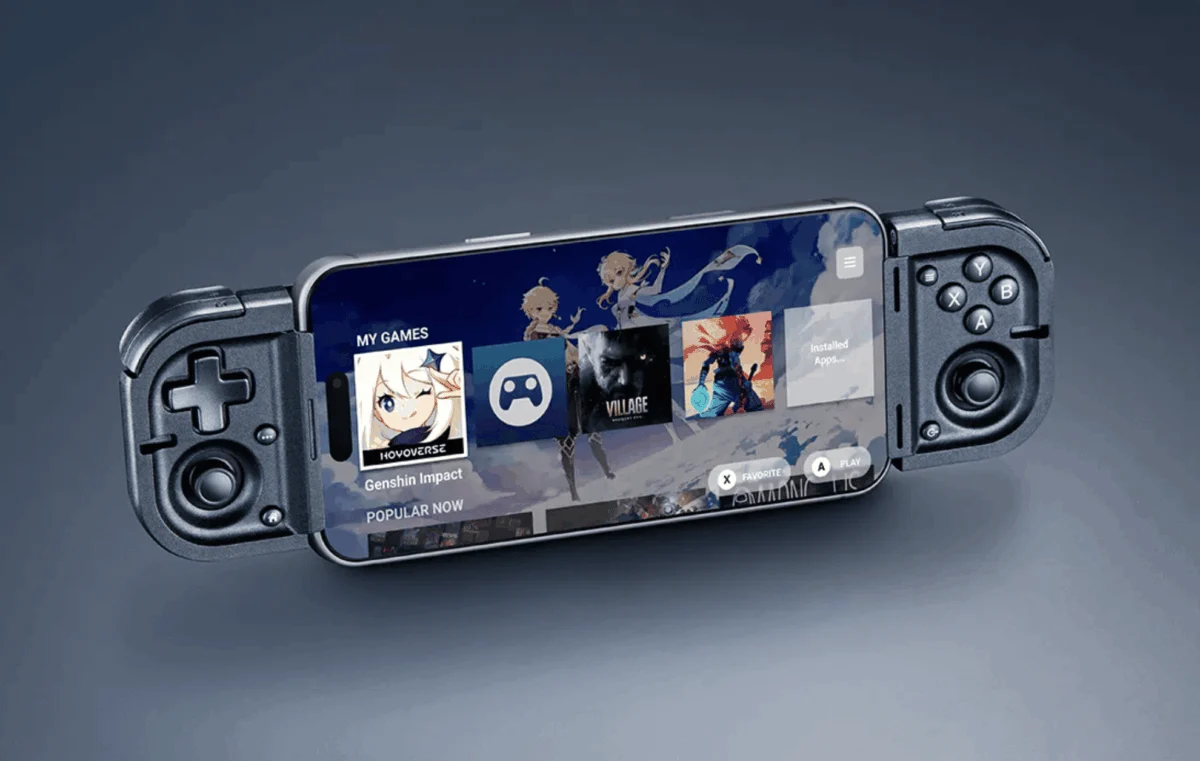
Razer, a global leader in high-performance gaming hardware, has officially launched the Razer Prio, a revolutionary foldable mobile gaming controller priced at €109.99. The device’s standout feature is its ultra-compact design, allowing it to fold down to roughly the size of a credit card, fitting effortlessly into a pocket. This innovative form factor positions the Prio as a direct answer to the increasing demand for truly portable gaming solutions in an ever-evolving mobile landscape.
Redefining Mobile Gaming Portability
The Razer Prio is engineered with a primary focus on portability and immediate accessibility. When folded, the controller measures approximately 101 x 67 mm and weighs a mere 101 grams, making it exceptionally lightweight and compact – comparable to a slightly thicker credit card. This design philosophy directly addresses a critical pain point for mobile gamers: the often cumbersome nature of traditional mobile controllers that, while offering enhanced gameplay, can be inconvenient to carry. The Prio unfolds swiftly, expanding to cradle a smartphone, transforming it into a complete handheld gaming system. This seamless transition from pocket-sized device to full-fledged controller is central to Razer’s vision for the product.
Razer explicitly targets everyday "dead times" for potential users, such as commutes on public transport, prolonged waits in doctor’s offices, or brief lunch breaks. These scenarios often preclude the use of larger, more complex gaming setups, making the Prio’s instant-play capability particularly appealing. The device enters a market already populated by compact mobile controllers, but seeks to carve out a distinct niche through its unique blend of extreme portability and robust feature set.
Design and Technical Specifications
The Prio’s design is not merely about its folding mechanism; it also encompasses a thoughtful approach to connectivity and power. Unlike many mobile controllers that feature integrated batteries, the Prio operates without one. Instead, it connects via USB-C and draws power directly from the connected smartphone. This design choice offers a dual benefit: it eliminates the need for an additional charging cable or power bank for the controller itself, simplifying the user experience and contributing to the Prio’s remarkably light weight. However, this convenience comes with the caveat of potentially accelerated battery drain on the host smartphone, a trade-off users will weigh against the benefits of portability and hassle-free operation.
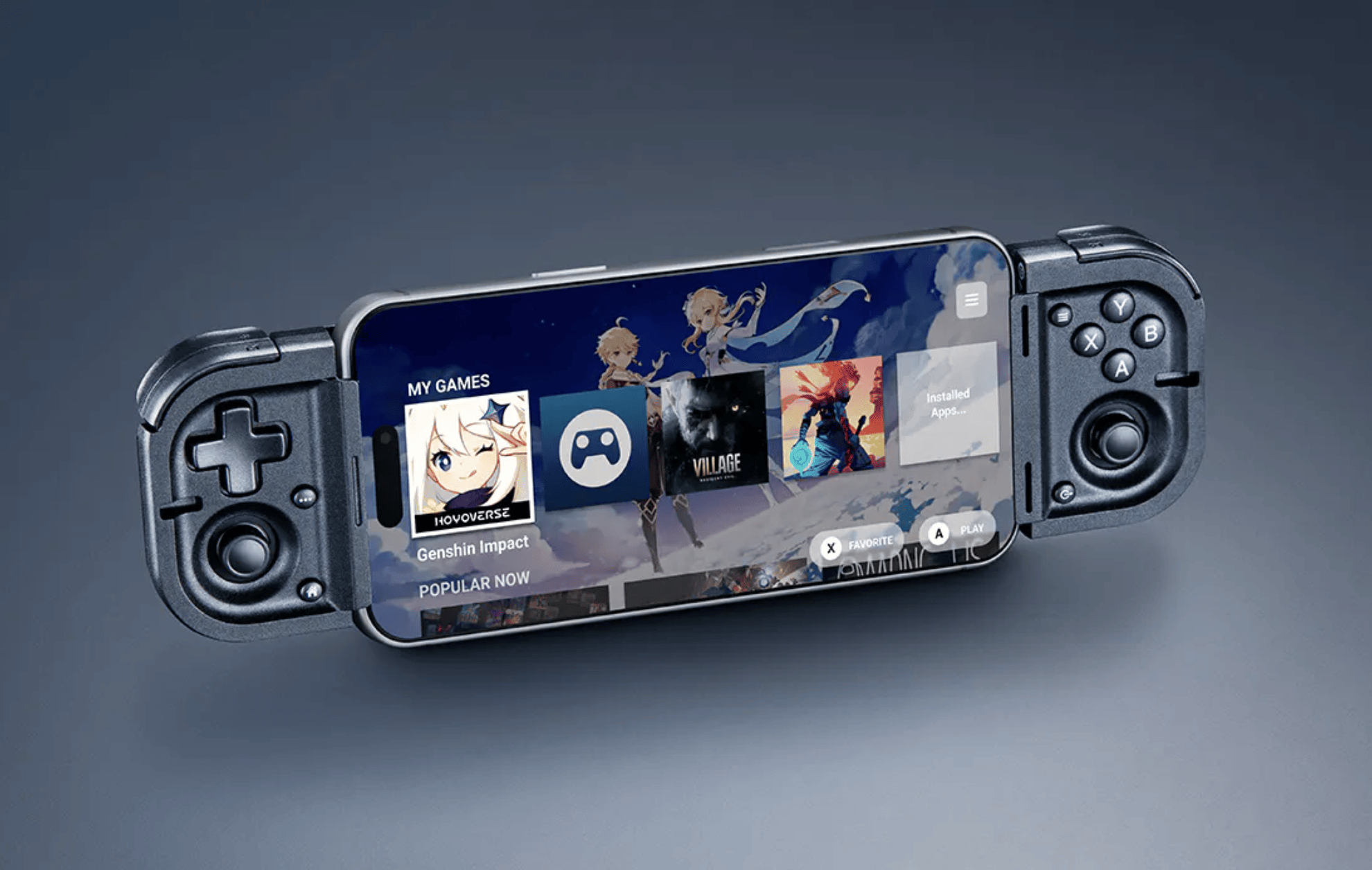
The controller boasts broad compatibility, accommodating smartphones up to 7 inches in size. This includes a wide array of flagship devices, from the anticipated iPhone 17 Pro Max to the Samsung Galaxy S26 Ultra, ensuring a vast majority of modern smartphones can be paired with the Prio. Furthermore, Razer has designed the Prio to allow most smartphone cases to remain on the device during use, enhancing user convenience and protecting the phone. This wide compatibility positions the Prio as a versatile accessory for both Android and iOS users seeking to elevate their mobile gaming experience.
Ergonomics and Advanced Control Features
Despite its compact, foldable nature, Razer asserts that the Prio delivers "full-size" controls, aiming to provide a gaming experience that rivals larger, more conventional controllers. The layout includes a tactile four-direction D-pad, two bumpers, two triggers, and four silent face buttons with haptic feedback. These elements are strategically placed to ensure comfortable and responsive gameplay, crucial for competitive titles and immersive single-player experiences alike.
A significant technical innovation highlighted by Razer is the inclusion of capacitive, contact-less Hall Effect joysticks. This technology is designed to prevent "stick drift," a common and frustrating issue in many controllers where the joystick registers input even when physically centered, causing unintended character movement. By utilizing magnetic fields instead of physical contacts, Hall Effect sensors offer enhanced durability and precision over time, providing a tangible advantage for serious gamers. This choice reflects Razer’s commitment to delivering a premium, reliable gaming experience even in a highly portable form factor.
Beyond physical controls, the Prio integrates seamlessly with Razer’s software ecosystem. A dedicated button on the controller provides quick access to Razer Cortex Mobile, the company’s proprietary gaming library and optimization application. While the app itself is free, it serves as a gateway to various gaming services, some of which may be subscription-based or require purchases. The Prio is also designed for universal compatibility with leading cloud gaming and remote play platforms, including Xbox Cloud Gaming, PlayStation Remote Play, Steam Link, and Razer PC Remote Play. This broad support ensures that users can enjoy a wide range of titles and services, whether streamed from a cloud server or a personal PC. Furthermore, the Prio can connect directly to a Windows 11 PC via USB-C, extending its utility beyond mobile devices and offering an alternative for PC gamers seeking a compact controller solution.
Market Landscape and Competition
The mobile gaming market has witnessed explosive growth over the past decade, with projections indicating continued expansion. As smartphone technology advances, supporting increasingly complex and graphically intensive games, the demand for dedicated gaming accessories like controllers has surged. Companies like Razer, Backbone, and others have invested heavily in developing peripherals that bridge the gap between console-like experiences and mobile convenience.

The Razer Prio enters a competitive segment, with the Backbone One widely recognized as a benchmark for compact mobile controllers. The Backbone One, which often retails in a similar price bracket, has garnered significant acclaim for its ergonomics, seamless integration, and overall performance. Razer’s direct challenge to the Backbone One is underscored by its emphasis on the Prio’s Hall Effect sticks, a key differentiator aimed at addressing the common problem of stick drift that can plague even premium controllers over time. This technological edge could be a significant draw for discerning gamers.
Razer also faces internal competition from its own successful line of mobile controllers, the Kishi series. The Razer Kishi V3 and Kishi V3 Pro are well-regarded for their robust build quality and comprehensive feature sets, albeit at a greater weight and size. The Kishi V3, for instance, weighs 175 grams, while the Kishi V3 Pro clocks in at 268 grams. In contrast, the Prio’s 101-gram weight highlights its absolute commitment to ultralight portability. However, this emphasis on lightness and compactness necessitates certain trade-offs. The Prio, unlike the Kishi V3 Pro, foregoes a pass-through charging port, meaning users cannot charge their phone while playing if the controller is connected via USB-C. Additionally, the Prio’s joysticks are not clickable, a feature present in many other controllers, including the Kishi series, which typically allows for additional in-game actions like "sprinting" or "melee attacks." These design choices reflect a clear strategic segmentation within Razer’s mobile controller portfolio, with the Prio targeting users for whom supreme portability is the paramount consideration.
Strategic Implications and Future Outlook
The launch of the Razer Prio signifies a strategic move by Razer to capture a larger share of the rapidly expanding mobile gaming accessory market. By offering a controller that prioritizes extreme portability without compromising on core gaming functionality, Razer aims to appeal to a broad demographic, from casual players to dedicated mobile esports enthusiasts who require performance on the go. The Prio’s unique folding mechanism and Hall Effect sticks provide compelling arguments for its adoption, potentially swaying consumers who prioritize durability and precision alongside convenience.
The trend towards cloud gaming and remote play further amplifies the relevance of devices like the Prio. As more players access high-fidelity games on their smartphones via streaming services, the quality of the input device becomes paramount. A reliable, low-latency, and comfortable controller can significantly enhance the streaming experience, making it feel more akin to playing on a dedicated console. Razer’s comprehensive support for these platforms positions the Prio as a forward-looking accessory aligned with the future of gaming.
Ultimately, the Razer Prio’s success will depend on how well its unique selling propositions—its credit card-sized portability and anti-drift Hall Effect joysticks—resonate with the target audience against the backdrop of its compromises, such as the lack of an internal battery and non-clickable sticks. Priced at €109.99, the Prio is immediately available for purchase on Razer.com and Amazon, poised to make its mark on the evolving landscape of mobile gaming peripherals. Its introduction underscores the industry’s continuous innovation in making high-quality gaming experiences accessible anytime, anywhere.