Galang Taruna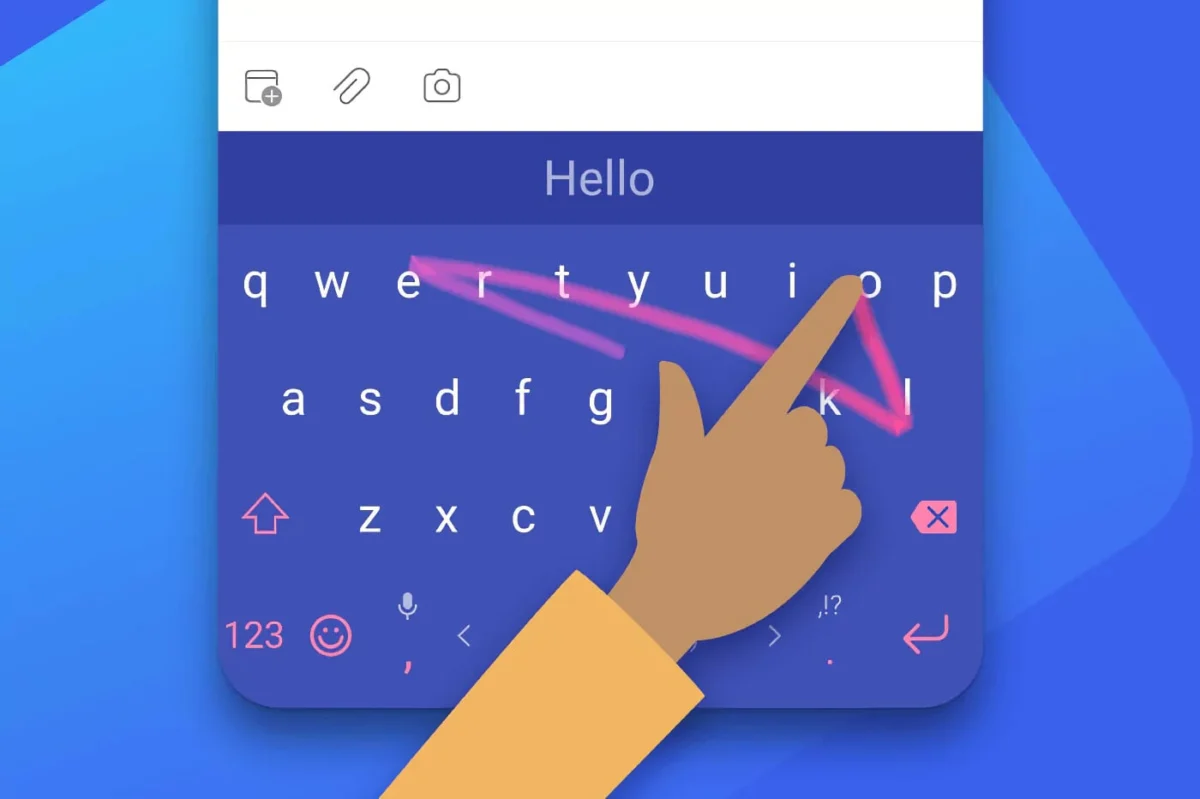
Users of SwiftKey, the popular predictive keyboard application, are facing a significant policy change as Microsoft has announced that a mandatory Microsoft account will be required to access the keyboard’s full functionality on Android and iOS devices starting May 31, 2026. This strategic shift will centralize user typing data, including personalized dictionaries and learned typing habits, onto Microsoft OneDrive, effectively ending the previous options of logging in with Google or Apple accounts, or using the application anonymously. The move, communicated via user emails, marks a pivotal moment in Microsoft’s decade-long ownership of SwiftKey, underscoring a broader push towards ecosystem integration and data-driven AI development.
A Decade of Microsoft Ownership Culminates in Policy Shift
Microsoft acquired SwiftKey in February 2016 for an estimated $250 million, a move that was largely seen as an effort to bolster its mobile software presence and integrate advanced AI capabilities into its ecosystem. At the time of acquisition, SwiftKey had already established itself as a pioneering force in mobile keyboards, renowned for its highly accurate predictive text engine and innovative features like flow typing (swipe-to-type). Founded in 2008 by Jon Reynolds and Chris Williams, SwiftKey quickly gained traction by offering a superior typing experience that adapted to individual users’ language styles, leading to faster and more efficient communication. Its intelligent algorithms learned from user input, accumulating a personalized dictionary and predicting words and phrases with remarkable precision. This bespoke learning capability was a significant differentiator in the competitive mobile app market.
For nearly a decade following the acquisition, Microsoft largely maintained SwiftKey’s existing operational model, allowing users considerable flexibility in how they interacted with the service. Users could link their SwiftKey profiles to Google or Apple accounts, or even opt to use the keyboard without any linked account, foregoing cloud synchronization but retaining local learning capabilities. This approach positioned SwiftKey as a relatively platform-agnostic tool, appealing to a broad user base across both Android and iOS environments, irrespective of their primary cloud service allegiance. The relatively hands-off management allowed SwiftKey to retain its independent identity and widespread appeal, even as competitors like Google’s Gboard intensified their presence.
However, the impending May 31, 2026, deadline signals a decisive pivot in this strategy. Microsoft is now consolidating SwiftKey more deeply into its proprietary ecosystem. This decision reflects a growing trend among major technology companies to integrate their acquired assets more thoroughly, often to leverage user data for strategic advantages, particularly in the burgeoning field of artificial intelligence. The transition period, which extends for over two years, is intended to provide users ample time to adjust to the new requirements and migrate their data.
The New Mandate: A Microsoft Account for Continued Access
Effective May 31, 2026, the absence of a registered Microsoft account will render the advanced, personalized features of SwiftKey inoperable. Current users who rely on Google or Apple accounts for synchronization will find these options deprecated, forcing them to create or link an existing Microsoft account to continue utilizing SwiftKey’s core predictive functionalities. For those who have previously used SwiftKey without any cloud account, the shift will be even more pronounced, as their locally stored language models and custom dictionaries will no longer be accessible through the application’s cloud-backed features unless they comply with the new mandate.
The primary consequence of non-compliance is the loss of personalized typing data. This includes the bespoke dictionary of words and phrases SwiftKey has learned from a user over time, their unique typing patterns, autocorrection preferences, and stylistic nuances. Without this data, the keyboard would revert to a generic state, significantly diminishing the "smart" and efficient typing experience that has been SwiftKey’s hallmark. Users have reportedly begun receiving email notifications detailing these impending changes, urging them to prepare for the transition well in advance of the deadline. This proactive communication aims to minimize disruption, though it is likely to generate discussion and potentially frustration among a segment of the user base.
Data Centralization on Microsoft OneDrive: Security and Synchronization
A cornerstone of this new policy is the migration of all user typing data to Microsoft OneDrive. Historically, SwiftKey’s cloud synchronization relied on its own servers, offering flexibility in account linking. With this change, all personalized data, including linguistic models, learned vocabulary, and typing habits, will be stored exclusively within Microsoft’s cloud infrastructure.
Microsoft justifies this move by citing enhanced security and improved synchronization capabilities across devices, particularly emphasizing seamless integration with Windows. The company highlights that Windows already incorporates elements of SwiftKey’s technology, and centralizing data on OneDrive will facilitate a more unified and consistent typing experience across the entire Microsoft ecosystem, from mobile phones to desktop computers. This integration could potentially allow for real-time learning and synchronization of typing preferences across a user’s various devices, offering a genuinely cohesive digital experience. For instance, a word learned on an Android phone could instantly be recognized and suggested on a Windows PC, streamlining workflow and reducing redundancy in personalized settings.
However, this centralization also marks the definitive end of SwiftKey’s previous interoperability. The option to link SwiftKey to non-Microsoft accounts, such as Google or Apple IDs, is being eliminated entirely. This decision effectively funnels users into Microsoft’s proprietary cloud services, a strategic move that carries significant implications for user data privacy and control. While Microsoft emphasizes security, the consolidation of such a vast and intimate dataset under a single corporate umbrella raises questions about data sovereignty and the potential for extensive user profiling.
Broader Implications: Privacy, Ecosystem Lock-in, and AI Development
The mandatory Microsoft account and OneDrive data storage have several profound implications for users and the broader mobile technology landscape.
Privacy Concerns: Typing data is inherently personal and sensitive. It reflects individual communication styles, often containing personal names, addresses, private conversations, and unique vocabulary. Centralizing this vast repository of data on a single proprietary cloud service, regardless of Microsoft’s assurances regarding security and privacy protocols, naturally raises concerns among privacy-conscious users. Questions may arise about how this data will be protected from breaches, how it will be used for internal product development, and whether it could ever be accessed by third parties under specific legal frameworks. While Microsoft has a strong track record in enterprise security, the sheer volume and intimacy of this data warrant careful consideration from users.
Ecosystem Lock-in: By forcing users into its account ecosystem, Microsoft strengthens its overall market position and increases "stickiness." Users who rely heavily on SwiftKey’s personalization will be compelled to engage more deeply with Microsoft’s services, potentially leading them to adopt other Microsoft products like Office 365, Edge browser, or OneDrive for other file storage needs. This strategy is common among tech giants, aiming to create a cohesive user experience that discourages switching to competitor platforms. For many users, particularly those who prefer a more open and platform-agnostic approach, this shift represents a move towards greater vendor dependence.
Strategic AI Development: Perhaps the most significant underlying motivation for this policy change is Microsoft’s ambitious investment in artificial intelligence. Typing data is an invaluable asset for training and refining large language models (LLMs) and other AI technologies. The nuances of human communication captured through billions of keystrokes, autocorrect patterns, and learned phrases provide rich linguistic datasets that can dramatically improve predictive algorithms, natural language understanding, and generative AI capabilities. By centralizing SwiftKey’s data on OneDrive, Microsoft gains direct access to a proprietary, continuously updated source of real-world linguistic data. This data can be leveraged to enhance not only SwiftKey itself but also other Microsoft AI initiatives, such as Copilot, its suite of AI assistants integrated across Windows and Microsoft 365 applications. The ability to "better understand" users through their typing habits offers a competitive edge in the rapidly evolving AI landscape.
Competitive Landscape and User Reactions
The mobile keyboard market is highly competitive, dominated by major players like Google’s Gboard, Apple’s native keyboard, and various third-party offerings. SwiftKey, despite its early innovation, has faced increasing pressure from these alternatives, which often offer deep integration with their respective operating systems and cloud services. Google’s Gboard, for instance, seamlessly integrates with Google Search, Google Translate, and other Google services, leveraging its vast data pool for predictive accuracy.
User reactions to such policy changes are typically mixed. A segment of loyal users, especially those already integrated into the Microsoft ecosystem or who value cross-device synchronization, may welcome the enhanced integration and potential for a more unified experience. However, another significant portion, particularly those valuing privacy, platform neutrality, or simply disinclined to create new accounts, may express frustration. Some users might perceive this as an unnecessary hurdle or an infringement on their data autonomy. This could lead to an exodus of users towards alternative keyboards that offer more flexibility or perceived privacy, such as Gboard, Grammarly Keyboard, or even open-source alternatives.
The timeline of over two years provides an extended period for users to make informed decisions. It also allows Microsoft to refine its messaging and potentially address some of the privacy concerns that are likely to arise. However, the fundamental requirement for a Microsoft account and OneDrive storage will remain, indicating a clear strategic direction from the company.
Looking Ahead: The Future of Mobile Typing
Microsoft’s decision regarding SwiftKey is indicative of a broader industry trend where tech giants increasingly leverage their acquired assets and user data to strengthen their ecosystems and fuel their AI development. The move to centralize SwiftKey’s data on OneDrive is a clear strategic play to integrate one of the world’s most popular third-party keyboards more deeply into Microsoft’s suite of services, enhancing cross-device synchronization and, crucially, providing a rich, proprietary dataset for AI model training.
As the May 2026 deadline approaches, users will be faced with a choice: embrace the Microsoft ecosystem and its associated benefits, or seek alternative typing solutions that align more closely with their preferences for privacy, platform independence, or account management. The long-term impact on SwiftKey’s user base and its competitive standing will depend significantly on how users perceive the value proposition of enhanced integration versus concerns about data centralization and ecosystem lock-in. This development marks a definitive step in SwiftKey’s evolution under Microsoft, transforming it from a relatively independent, versatile typing tool into a more integral component of Microsoft’s expansive digital ecosystem.