Metty Iskandar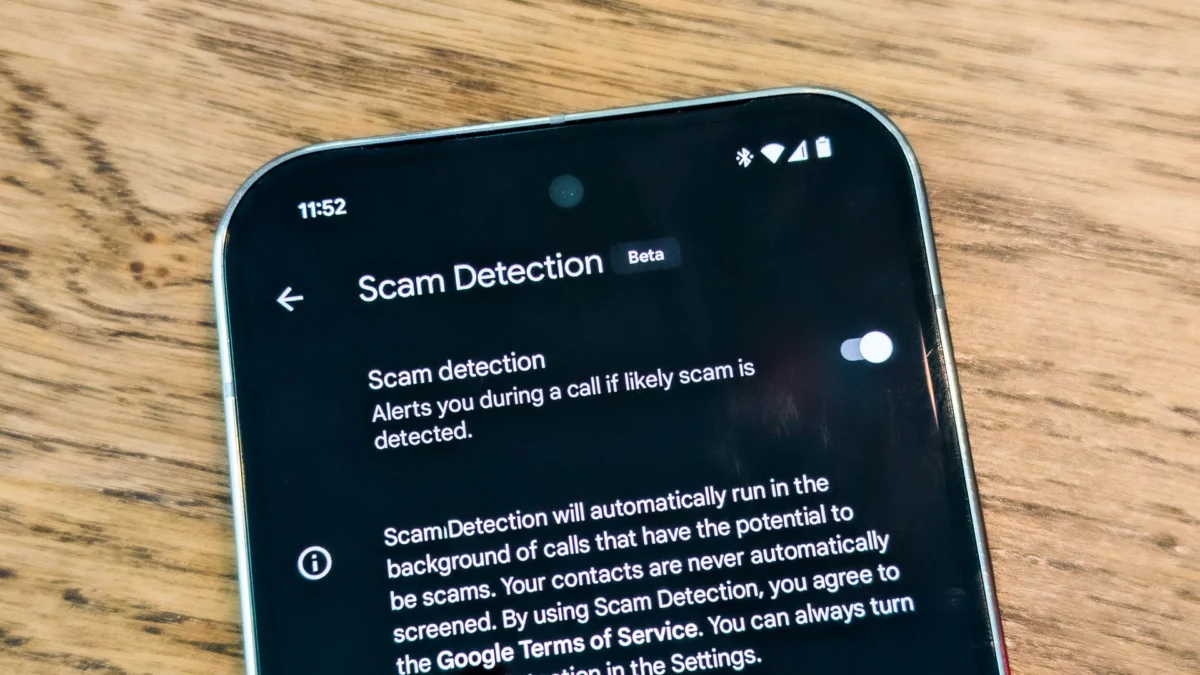
The advanced Scam Detection feature, initially a Pixel exclusive, is continuing its significant expansion across the Android ecosystem, with new evidence pointing towards its imminent arrival on Xiaomi devices. This development, unearthed through an analysis of the latest public beta of the Google Phone app, suggests a strategic move by Google to consolidate its call screening and fraud prevention technologies across a wider range of Android smartphones. The inclusion of Xiaomi, a global leader in smartphone manufacturing, marks another substantial step in making this protective technology accessible to a vast new user base.
The Evolving Landscape of Scam Detection
For years, the threat of phone scams has loomed large for mobile users worldwide. From sophisticated phishing attempts to outright fraudulent calls, individuals have been vulnerable to financial loss and personal data compromise. Recognizing this pervasive issue, Google has been actively developing and refining its Scam Detection capabilities, leveraging on-device artificial intelligence to identify and flag potentially malicious calls.
Initially rolled out to Google Pixel devices, the Scam Detection feature aimed to provide users with an intelligent layer of defense directly within their phone’s native dialer application. The technology works by analyzing call patterns, caller information, and conversational nuances in real-time. While in beta, it has shown promise in identifying suspicious calls, offering users an alert before they engage with potentially fraudulent actors. The gradual rollout to other manufacturers signifies Google’s commitment to democratizing these advanced security features, moving beyond its own hardware to foster a more secure Android environment for all.
Tracing the Expansion: From Samsung to Xiaomi
The journey of Scam Detection beyond Pixel phones has been a methodical and observable one. Early indicators of this broader integration began to surface as the feature was spotted on Samsung Galaxy devices, notably the Galaxy S26 series. This partnership demonstrated Google’s willingness to collaborate with major Android OEMs to integrate its software solutions. The subsequent detection of signs suggesting its potential arrival on vivo phones further reinforced the trend of wider adoption.
The latest discovery, made during an in-depth teardown of the Google Phone app version v237.0.973536915, has now added Xiaomi to this growing roster of supported manufacturers. This finding is particularly noteworthy given Xiaomi’s substantial global market share. The company’s name has been officially appended to the list of phone makers that will benefit from this enhanced scam detection technology, solidifying its integration.
Unpacking the Technical Details and Future Rollout
The APK teardown, a common method for tech journalists and developers to predict future features based on code analysis, revealed specific references to Xiaomi within the Scam Detection framework. This suggests that Google has been actively working to ensure compatibility and implement the necessary software hooks for Xiaomi devices.
While the exact timeline and the specific Xiaomi models that will receive the Scam Detection feature remain undisclosed, speculation points towards a phased rollout. The recently unveiled Xiaomi 18 Fold, showcased at IFA 2026, would logically be a prime candidate for such an advanced feature. However, its current confirmed launch in China might influence the initial global deployment. It is more probable that Scam Detection will first appear on a flagship Xiaomi model with broader international availability, ensuring maximum impact and user reach.
The underlying mechanism of Google’s Scam Detection relies on sophisticated on-device AI processing. This approach is crucial for privacy, as it means call data is analyzed locally on the user’s device rather than being sent to external servers for processing. This not only protects user privacy but also allows for faster detection and response times, as the data does not need to traverse the internet. The AI models are trained on vast datasets of call characteristics, enabling them to identify patterns associated with known scam tactics, such as unusually aggressive sales pitches, requests for sensitive personal information, or the use of deceptive caller IDs.
Addressing the Beta Status and Potential Improvements
It is important to acknowledge that the Scam Detection feature, despite its promising advancements, is still in its beta phase. This means that while it is actively being developed and tested, it is not yet a flawless system. Reports and user experiences have indicated that there are instances where the feature may not accurately flag all scam calls or, conversely, might flag legitimate calls as suspicious.
Google’s ongoing work on the feature aims to refine these algorithms and improve accuracy. The company is likely gathering extensive feedback from beta testers and analyzing call data (anonymized and with user consent where applicable) to enhance the AI’s predictive capabilities. The goal is to minimize false positives and maximize the detection rate of actual scams. The successful integration with major manufacturers like Samsung and now Xiaomi suggests that Google is committed to ironing out these kinks and eventually releasing a robust and reliable Scam Detection service to a global audience.
Broader Implications for Android Security and User Trust
The expansion of Google’s Scam Detection feature to manufacturers like Xiaomi carries significant implications for the broader Android ecosystem. Firstly, it represents a substantial enhancement in the security posture of Android devices. By providing a more unified and advanced defense against phone scams, Google is working to build greater user trust in the Android platform. As scams become more sophisticated, so too must the protective measures available to consumers.
Secondly, this integration strategy allows Google to leverage its AI expertise across a vast user base without dictating hardware specifications to OEMs. This collaborative approach fosters innovation and allows for faster deployment of critical security updates. It also reinforces the value proposition of the Google ecosystem, making Android devices more appealing to security-conscious consumers.
Furthermore, the success of such features could pave the way for even more advanced AI-driven security and privacy tools within the Android operating system. As on-device AI capabilities continue to evolve, we can anticipate further integration of intelligent features that protect users from various online threats, not just phone scams.
The Road Ahead: Continued Vigilance and Updates
The addition of Xiaomi to the list of potential Scam Detection beneficiaries is a clear indicator of Google’s strategic direction. The company appears committed to making its advanced call screening and scam identification technologies a standard feature across the Android landscape. This proactive approach is vital in an era where digital threats are constantly evolving and becoming more pervasive.
As Google continues to refine its algorithms and expand compatibility, Android users can look forward to a more secure and trustworthy communication experience. The ongoing updates to the Google Phone app will undoubtedly be closely monitored for further indications of new partnerships and feature enhancements. Users are encouraged to keep their Google Phone app updated to the latest version to benefit from these evolving security measures. The fight against phone scams is a continuous one, and Google’s expanding Scam Detection feature represents a significant stride forward in empowering users with the tools they need to stay safe.
The inclusion of Xiaomi, a brand with a massive global footprint, particularly in emerging markets where scam prevalence can be high, is a critical step in democratizing these security enhancements. This move underscores Google’s commitment to not only innovating in the tech space but also ensuring that its innovations translate into tangible benefits for a diverse and widespread user base. The ultimate goal is to create an Android environment where users can communicate with confidence, free from the constant threat of fraudulent calls.