Vera Intan Clara
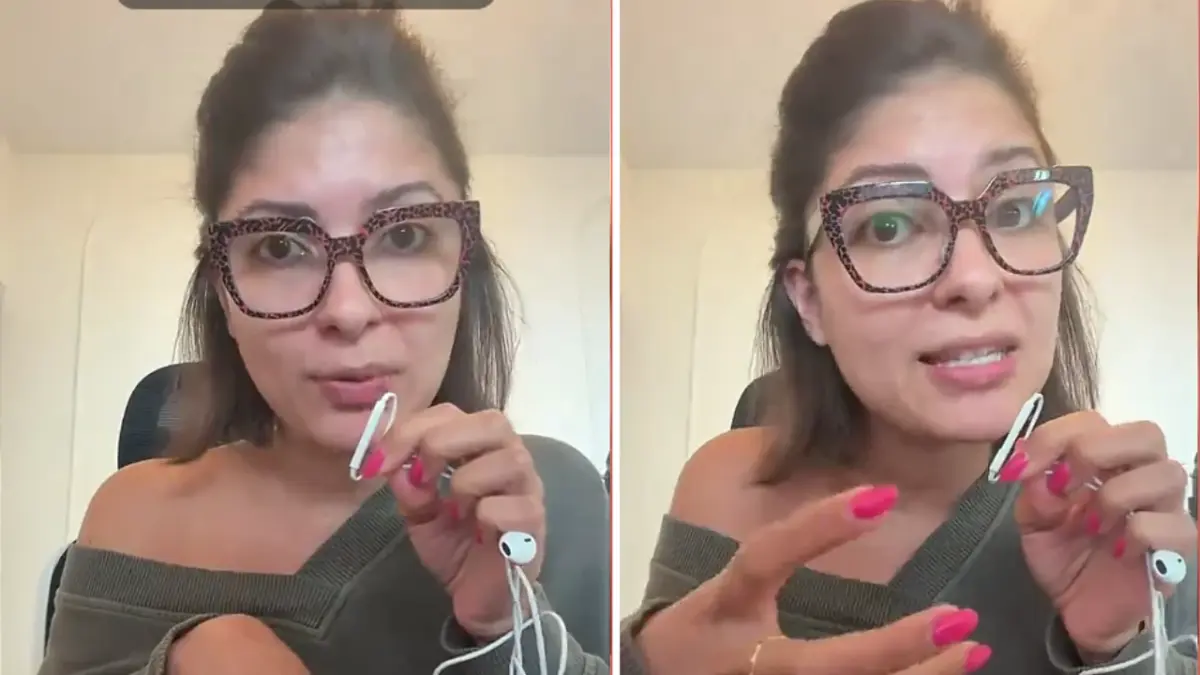
The video, which rapidly amassed over 358,000 views and 215 comments, centers on a highly contentious interaction where an employer, upon learning of an employee’s pregnancy, posed the question, “Was it planned or unplanned?” This seemingly innocuous query, as illuminated by Emily, a recruiting professional, and corroborated by numerous online commenters, crosses a significant legal and ethical boundary, prompting widespread discussion among employees, human resources professionals, and legal experts about workplace conduct and employee rights.
The Catalyst: A Question That Crossed the Line
The genesis of this renewed debate was an experience shared by another TikTok creator, whose account of her boss’s response to her pregnancy disclosure resonated deeply with a broad audience. Emily, reacting to this original video, underscored the problematic nature of the “planned or unplanned” question. She argued that such inquiries are not merely inappropriate but can be deeply discriminatory, potentially serving as a pretext for treating a pregnant employee differently. This sentiment was echoed by a commenter identifying as an HR Management major, who emphatically stated, “HR Management major here… VERY illegal!”
Emily elaborated on the implications, suggesting that the question implicitly communicates that an employee’s pregnancy is an inconvenience to the company. “What they’re basically saying is, ‘You really inconvenienced me with this. Did you plan this? This is inconvenient for me,’” she explained, capturing the underlying sentiment of many who have faced similar questions. This interpretation highlights how seemingly casual remarks can undermine an employee’s sense of value and security within an organization, creating a hostile environment that contravenes established labor laws.
Legal Framework: Protecting Pregnant Workers
The legal landscape surrounding pregnancy in the workplace in the United States is primarily shaped by several key pieces of legislation designed to prevent discrimination and ensure equitable treatment.
- The Pregnancy Discrimination Act (PDA) of 1978: This landmark amendment to Title VII of the Civil Rights Act of 1964 explicitly prohibits discrimination on the basis of pregnancy, childbirth, or related medical conditions. It mandates that pregnant women must be treated the same as other employees who are similar in their ability or inability to work. This means an employer cannot refuse to hire or promote a woman because she is pregnant, nor can they fire her or deny her benefits due to her pregnancy. The PDA makes it illegal for an employer to ask questions about the planned nature of a pregnancy, as such information could be used to make discriminatory decisions about an employee’s role, promotion prospects, or job security.
- Title VII of the Civil Rights Act of 1964: As the foundational anti-discrimination law, Title VII prohibits employment discrimination based on race, color, religion, sex, and national origin. The PDA clarified that discrimination based on pregnancy is a form of sex discrimination.
- The Family and Medical Leave Act (FMLA) of 1993: While not directly addressing discrimination, the FMLA grants eligible employees up to 12 weeks of unpaid, job-protected leave per year for specific family and medical reasons, including the birth of a child and to care for the newborn child. This law provides a crucial safety net, ensuring employees can take time off for pregnancy and childbirth without fear of losing their jobs, provided they meet the eligibility criteria (e.g., working for a covered employer for at least 12 months and 1,250 hours).
These legal protections are designed to foster an inclusive workplace where an employee’s decision to have a family does not jeopardize their career. However, as the TikTok discussion illustrates, practical application and employer adherence to these laws remain ongoing challenges.
The Importance of Documentation: A Shield Against Discrimination
A central piece of Emily’s advice, and a recurring theme in discussions about workplace rights, is the critical need for employees to document conversations with their employers, particularly when potentially discriminatory remarks are made. Emily suggested various methods:
- Recording conversations: Where legally permissible, recording a conversation can provide irrefutable evidence. However, employees must be acutely aware of state laws regarding consent for recording. Some states are "one-party consent" states, meaning only one person in the conversation needs to know it’s being recorded. Others are "two-party (or all-party) consent" states, requiring everyone involved to consent. Misunderstanding these laws can lead to legal complications for the employee.
- Detailed written records: If recording isn’t feasible or legal, employees should immediately write down the date, time, location, attendees, and specific details of what was said. This contemporaneous record, even if not a direct recording, holds significant weight as evidence.
- Emailing oneself or HR: As one commenter suggested, sending a private email to oneself or to HR (if HR is deemed trustworthy and impartial) detailing the incident can create a timestamped record.
This documentation serves a vital purpose: to provide evidence should an employer attempt to pressure, harass, or discriminate against a pregnant employee, potentially forcing them out before they become eligible for parental leave or other benefits. Such records can be indispensable if the situation escalates to legal action, providing concrete evidence for an attorney or regulatory body like the Equal Employment Opportunity Commission (EEOC).
Statistical Realities: The Pervasiveness of Pregnancy Discrimination
The anecdotal evidence shared on TikTok is unfortunately supported by robust data reflecting the widespread nature of pregnancy discrimination. The Equal Employment Opportunity Commission (EEOC), the federal agency responsible for enforcing anti-discrimination laws, consistently receives thousands of pregnancy discrimination charges annually.
- EEOC Data: In fiscal year 2022, the EEOC reported 2,524 charges of pregnancy discrimination. While this number has fluctuated, it consistently represents a significant portion of overall sex-based discrimination claims. These numbers only reflect reported cases; many instances of discrimination go unreported due to fear of retaliation, lack of awareness of rights, or the difficulty of proving discrimination.
- Impact on Careers: Studies, such as those by the National Bureau of Economic Research, have shown that women often experience a significant earnings penalty after childbirth, a phenomenon sometimes referred to as the "motherhood penalty." This penalty can be exacerbated by workplace discrimination, including being passed over for promotions, denied training opportunities, or subjected to unfair performance evaluations after disclosing a pregnancy.
- Workplace Surveys: Surveys conducted by organizations like the National Partnership for Women & Families often reveal that a substantial percentage of women report experiencing some form of discrimination or unfair treatment during pregnancy or after returning from maternity leave, from subtle biases to overt hostile actions. These experiences contribute to women leaving the workforce prematurely or struggling to advance their careers, impacting gender equity and economic stability.
Beyond the Incident: Broader Implications and Workplace Culture
The TikTok video and the ensuing discussion transcend a single incident, pointing to broader systemic issues within workplace culture and employer attitudes towards working parents, particularly mothers.
- Implicit Bias: The "planned or unplanned" question often stems from implicit biases about a pregnant employee’s commitment, reliability, or future career trajectory. Employers might unconsciously assume a pregnant employee will be less dedicated, require more flexibility, or eventually leave, leading to discriminatory treatment in assignments, promotions, or even termination. These biases are deeply ingrained and require proactive efforts to dismantle.
- The Business Case for Support: Companies that support pregnant employees and new parents through inclusive policies (e.g., paid parental leave, flexible work arrangements, lactation support) experience numerous benefits. These include higher employee morale, increased retention of skilled workers, enhanced productivity, and a more positive company reputation. Conversely, discriminatory practices lead to legal costs, reputational damage, and difficulty attracting top talent.
- The Parental Leave Gap: The United States remains one of the few industrialized nations without a national paid parental leave policy. This lack of mandated support often puts the onus on individual employers, leading to disparities in benefits and sometimes contributing to employer resentment or discomfort when an employee announces a pregnancy. The absence of comprehensive parental leave policies can inadvertently foster environments where questions about "planned" pregnancies become more prevalent, as employers may view leave as an uncompensated burden.
The Public Discourse: Social Media as an Awareness Tool
The virality of @emily.the.recruiter’s video underscores the power of social media platforms like TikTok in raising awareness about complex legal and ethical issues. The comment section became a de facto forum, with many sharing similar experiences:
- "I went to a job interview once and when the topic of health insurance came up they asked if I ever planned on getting pregnant," one commenter recounted, illustrating how such intrusive questions can even surface before employment begins, clearly violating anti-discrimination statutes.
- Another shared, "I told my boss in my third trimester when the paperwork for my conversion to a permanent employee was complete," highlighting the fear many women harbor that disclosing pregnancy too early could jeopardize their job security or career progression.
- The call for more guidance on documentation, "How does one document it? Keep a private note or email it to oneself or to someone like HR. Please do a video on documentation – how to document," demonstrates a genuine hunger for practical advice and empowerment among employees.
This collective sharing validates individual experiences, reduces feelings of isolation, and educates a broader audience on what constitutes illegal workplace behavior. It transforms personal anecdotes into a collective call for accountability and change.
Employer Responsibilities and Best Practices
For employers, navigating an employee’s pregnancy disclosure requires adherence to legal mandates and a commitment to fostering a supportive, inclusive environment.
- Focus on the job, not personal life: When an employee discloses pregnancy, the employer’s focus should solely be on how to support the employee in continuing their job duties, making reasonable accommodations if necessary, and understanding their leave plans within legal frameworks.
- Training and Education: Regular training for managers and HR staff on anti-discrimination laws, FMLA, PDA, and best practices for supporting pregnant employees is crucial. This includes sensitivity training to address implicit biases.
- Clear Policies: Companies should have clear, well-communicated policies regarding pregnancy leave, parental leave, and anti-discrimination, ensuring employees understand their rights and how to report concerns.
- Offer Support, Not Scrutiny: Instead of asking intrusive questions, employers should offer support, discuss available company benefits, and plan for temporary coverage during leave in a non-discriminatory manner.
- Reasonable Accommodations: Employers are often required to provide reasonable accommodations for pregnant employees, similar to those provided for other temporary disabilities, unless doing so would cause undue hardship.
Conclusion: A Call for Vigilance and Empowerment
The viral TikTok discussion serves as a powerful reminder that while legal protections for pregnant workers exist, their enforcement and consistent application in workplaces remain a challenge. The seemingly innocent question, "Was it planned or unplanned?", encapsulates a broader issue of systemic bias and the need for greater vigilance from both employees and employers.
For employees, understanding their rights and diligently documenting any potentially discriminatory interactions is paramount. For employers, this incident should serve as a wake-up call to review and reinforce their policies, train their staff, and cultivate a truly inclusive environment where pregnancy is celebrated as a personal milestone, not viewed as a professional inconvenience. The ongoing online conversation underscores that the fight for equitable treatment for pregnant workers is far from over, necessitating continued advocacy, education, and legal enforcement to ensure that no employee’s career is derailed by discriminatory questions or actions related to their decision to start a family.
The Daily Dot was unable to independently verify the claims made in the post, which are based on TikTok creator @emily.the.recruiter’s account and commentary shared in the video.