Vera Intan Clara
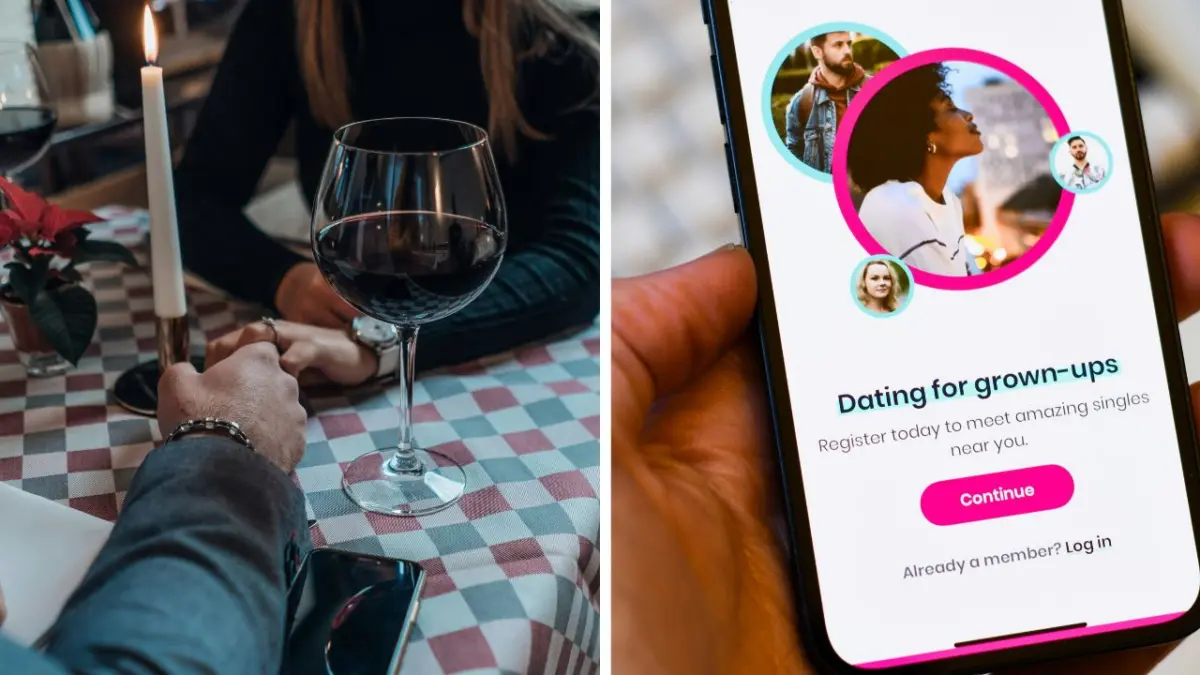
A recent Reddit post ignited a robust discussion within the r/GenZ community, drawing significant attention to the complex and often disheartening landscape of modern dating for young adults. A 26-year-old man, whose identity remains anonymous as per Reddit’s user guidelines, detailed his extensive struggles with finding romantic connections, describing dating as "the most miserable thing in the world." His candid account, which questioned whether Gen Z women still harbored interest in traditional relationships, quickly garnered over 700 upvotes and hundreds of comments, reflecting a shared sentiment of frustration and confusion among his peers.
The Catalyst: A Personal Account of Dating Despair
The original poster (OP) articulated years of persistent effort across various dating avenues, including popular applications like Hinge, Tinder, and Bumble, alongside traditional in-person approaches and attempts to cultivate friendships that might evolve into romance. Despite these multifaceted endeavors, his quantifiable success was remarkably limited. He reported securing only two dates over several years of active engagement on these platforms. This stark disparity between effort and outcome formed the crux of his lament.
Further elaborating on his digital interactions, the OP revealed that out of approximately 25 to 30 matches received across dating apps, only a fraction—eight to ten women—engaged in actual conversation. Of these, merely two progressed to in-person dates, neither of which developed into a sustained relationship. One particularly dispiriting encounter involved a date where the woman allegedly ordered an expensive meal, expected him to cover the cost, took home leftovers, and subsequently provided a false phone number. These experiences culminated in his central query: had Gen Z women collectively lost interest in dating, sexual relationships, or committed partnerships? The raw honesty of his post resonated deeply, tapping into a broader current of dissatisfaction felt by many navigating the digital-first dating world.
A Digital Agora: The Reddit Community Responds
The outpouring of comments transformed the Reddit thread into a dynamic forum for collective introspection on the state of modern romance. Users from various backgrounds, genders, and experiences weighed in, dissecting the myriad factors contributing to the perceived difficulty of dating in the current era. The discussion swiftly moved beyond the OP’s individual plight to address systemic issues within contemporary dating culture.
One of the most highly upvoted responses centered on the psychological impact of dating applications, arguing that they create an "illusion of infinite choice." This user posited that while women are indeed interested in dating and relationships, the sheer volume of potential matches and interested men presented by apps can become overwhelming. This sentiment was echoed by another commenter who lamented the "gamification" of dating, asserting that it "removes the whole human aspect of it." The algorithmic nature of these platforms, designed to maximize engagement through swiping and superficial selection, was seen as reducing genuine connection to a transactional or competitive process, rather than an organic human interaction.
The impact of dating apps on self-confidence emerged as another significant theme. Several male users described a profound "humbling" experience, where initial self-assurance was eroded by a lack of matches or likes on platforms. One man confessed, "I was pretty confident in myself until I tried the apps and got almost no likes or matches." While he noted regaining his confidence later, the initial blow highlighted the apps’ capacity to negatively affect self-perception. Conversely, female users articulated their own set of challenges, with one commenter stating that "Tons of girls hate dating apps because it’s like getting harassed through the internet." This pointed to the often-unpleasant reality of unsolicited messages, aggressive advances, and superficial judgments that women frequently endure online.
Physical attributes, specifically height, became a contentious point of discussion. When a commenter suggested the OP’s height might be a contributing factor to his struggles, the OP disclosed he was 5 feet 4 inches tall and maintained an active lifestyle. This sparked a rebuttal from a woman who argued against the prevailing notion that height is a universal deal-breaker, stating, "I am a woman and have had many friends who are gorgeous and dated men who were shorter than them." She emphasized that qualities such as kindness, humor, and respect held far greater importance for many women than physical stature. This segment of the debate underscored the complex interplay between perceived desirability, societal expectations, and individual preferences in partner selection.
Finally, the discussion delved into the evolving expectations women have for potential partners. A particularly pointed comment declared, "We want to date men, not little boys," listing insecurity, controlling behavior, and limited interests as significant concerns. This highlighted a demand for emotional maturity, self-awareness, and shared life goals. Other users explored the nuanced dynamics of how men and women approach friendship before expressing romantic interest, illustrating that dating frustrations extend beyond superficial metrics like appearance or match counts, touching upon deeper issues of communication, emotional intelligence, and mutual respect.
Beyond the Screen: Broader Context of Gen Z Dating
The Reddit discussion serves as a microcosm of the broader challenges facing Gen Z in the realm of romance. Born between the late 1990s and early 2010s, Gen Z are digital natives, characterized by their innate familiarity with technology and social media. This generation has grown up in an era where dating apps are not a novelty but a primary, often unavoidable, conduit for meeting potential partners. This fundamental shift has altered the courtship ritual, moving away from organic, in-person introductions towards curated profiles and algorithm-driven matching.
The "dating app fatigue" phenomenon is increasingly prevalent among Gen Z. While apps offer convenience and access to a wider pool of potential partners, many users report feeling burnt out by the endless swiping, superficial interactions, ghosting, and the pressure to constantly present an idealized version of themselves. This contributes to a sense of disillusionment and exhaustion, making the pursuit of meaningful connections feel more like a chore than an exciting prospect.
Data-Driven Insights: Quantifying the Struggle
The anxieties articulated on Reddit are not isolated incidents but reflect quantifiable trends in modern dating. According to a 2023 Pew Research Center study, approximately 30% of U.S. adults have used a dating app or site, with usage higher among younger age groups. For Gen Z specifically, usage is significant, though satisfaction rates vary. While apps offer reach, studies by companies like Statista show that despite high usage, a substantial percentage of users report negative experiences, such as encountering dishonest profiles, harassment, or feeling overwhelmed by choice.
The "paradox of choice," a psychological concept suggesting that an abundance of options can lead to anxiety and dissatisfaction, is particularly relevant to dating apps. While platforms like Tinder, Bumble, and Hinge boast millions of users, studies in journals like Psychological Science indicate that too many options can decrease satisfaction and increase the likelihood of decision paralysis, making it harder for users to commit to a choice or feel content with their selection. This can translate into endless swiping and a constant feeling that a "better" option might be just one swipe away, undermining the formation of genuine connections.
Relationship trends among Gen Z also paint a complex picture. Data from the U.S. Census Bureau and various sociological surveys indicate a continuing decline in marriage rates among younger generations, with Gen Z potentially delaying marriage and family formation even further than Millennials. While this doesn’t necessarily signify a lack of interest in relationships, it suggests a shift in priorities or a redefinition of what constitutes a successful partnership. Some analyses point to increased economic instability, student debt, and a focus on personal development and career as factors influencing these delays. Loneliness, too, has been reported at higher rates among young adults, with surveys suggesting a disconnect between digital connectivity and deep emotional bonds.
Moreover, the psychological impacts of dating apps are well-documented. Research published in journals like the Journal of Social and Personal Relationships highlights links between heavy dating app usage and increased rates of anxiety, depression, and lower self-esteem, particularly when users experience frequent rejection or perceived inadequacy. The gendered experience on these apps is also distinct; studies often show men receiving fewer matches and feeling the sting of rejection more acutely, while women frequently contend with a deluge of messages, some of which are unwanted or inappropriate, leading to feelings of harassment and objectification.
Expert Perspectives and Societal Implications
Sociologists and relationship experts widely acknowledge the challenges highlighted by the Reddit discussion. Dr. Helen Fisher, a biological anthropologist and chief scientific advisor to Match.com, has often spoken about the "slow love" phenomenon, where young people take longer to commit due to an extended period of mate assessment facilitated by online platforms. However, this extended assessment can also lead to fatigue and an inability to truly connect.
Psychologists frequently point to the erosion of traditional social skills in the digital age. With so much interaction mediated by screens, some Gen Z individuals may struggle with the nuances of in-person communication, reading body language, and navigating the vulnerabilities inherent in real-world dating. Dr. Sherry Turkle, a professor of the Social Studies of Science and Technology at MIT, has extensively researched how technology shapes human relationships, often cautioning against the superficiality that can arise when digital interactions replace deeper, face-to-face engagements.
The economic landscape also plays a subtle yet significant role. Gen Z faces unique financial pressures, including higher student loan debt and a challenging housing market. These economic realities can impact dating choices, affecting everything from the ability to afford dates to the perceived readiness for long-term commitments like marriage or cohabitation. The cost of dating itself, from app subscriptions to restaurant bills, can become a barrier.
The implications of these dating dilemmas extend beyond individual frustration. On a broader societal level, persistent difficulties in forming meaningful romantic relationships can contribute to increased loneliness, mental health crises, and potentially impact future demographic trends. The Reddit conversation, therefore, is not merely a venting session but a public appeal for understanding and perhaps, for new approaches to connection. It suggests a growing desire for more authentic, human-centered interactions in a world increasingly mediated by algorithms and screens. The future of dating for Gen Z may necessitate a re-evaluation of app design, a greater emphasis on fostering real-world social skills, and a collective commitment to cultivating genuine empathy and respect in the pursuit of romantic partnerships.
The Daily Dot was unable to independently verify the experiences described by the Reddit users. The details above reflect the original post and comments shared in r/GenZ.