Vera Intan Clara
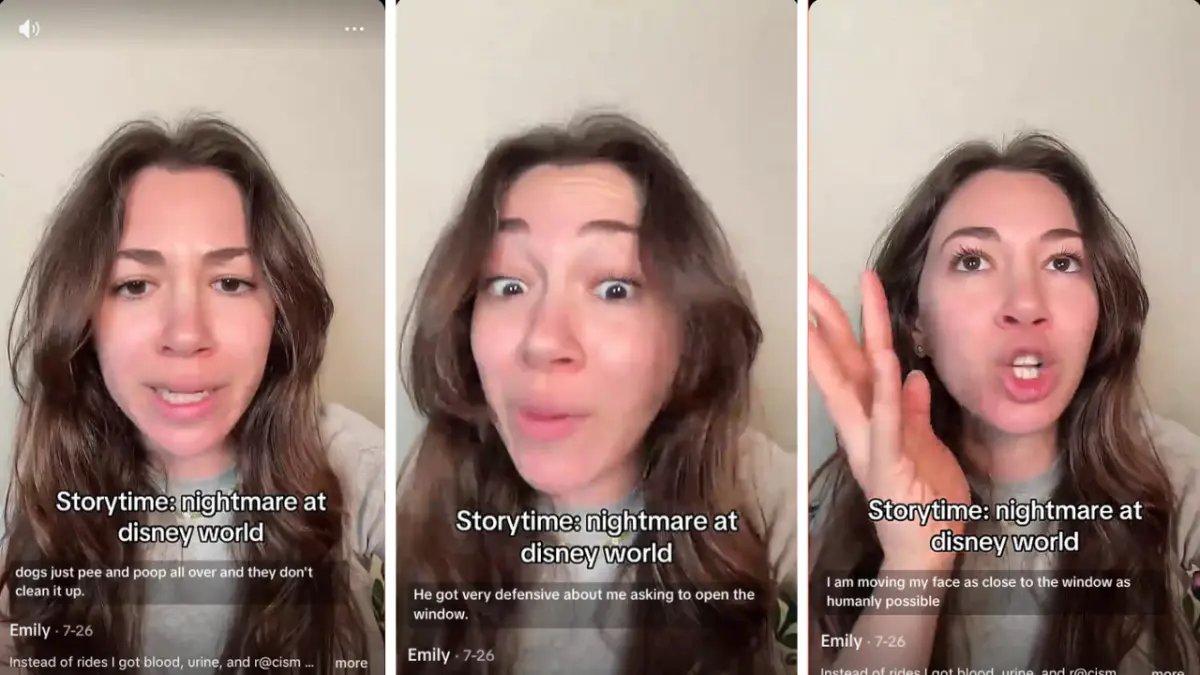
A viral video shared on TikTok by creator @emilytatouille has captivated over 239,000 viewers as of publication, detailing a harrowing and utterly repulsive Disney World trip experience with a former boyfriend. The account, which Emily describes as one of the most disturbing memories of her life, unravels a relationship that swiftly devolved from a seemingly normal courtship into a nightmare characterized by unsanitary living conditions, regressive behavior, poor hygiene, and blatant racism. The narrative serves as a stark reminder of the hidden complexities in nascent relationships and the profound impact of behavioral "red flags" on personal well-being.
The Genesis of a Troubled Trip: A Friend’s Introduction and Initial Impressions
The unsettling saga began during Emily’s junior year of college in Florida. A close friend, intending to foster a new connection, introduced Emily to one of her male acquaintances, setting the stage for what initially appeared to be a promising romantic prospect. The endorsement from a trusted confidante naturally instilled a degree of confidence and openness in Emily, leading her to consider the possibility of a serious relationship. In the contemporary dating landscape, where introductions through mutual friends often carry an implicit seal of approval, such an arrangement can significantly influence initial perceptions, sometimes overshadowing the need for independent vetting.
Following several dates, the pair formalized their relationship, transitioning into an exclusive partnership. During this preliminary phase, no discernible warning signs emerged. The couple maintained separate residences, limiting their interactions to structured outings and preventing the extended periods of cohabitation that often reveal deeper personality traits and habits. This common early-relationship dynamic, where individuals present their most polished selves, frequently masks underlying incompatibilities or problematic tendencies until circumstances necessitate closer proximity and shared vulnerability.
Unveiling Red Flags: The Pre-Disney Experience and a Shocking Revelation
The true test of their compatibility arrived with the onset of winter break, offering both Emily and her new boyfriend several weeks away from their academic commitments. As a festive gesture, the boyfriend presented Emily with a Christmas gift: tickets to Walt Disney World, a destination synonymous with magic and cherished memories for countless individuals. Given their proximity to the iconic theme park in Florida, a weekend trip seemed an ideal way to celebrate the holiday season and deepen their bond.
However, a critical decision regarding accommodation soon emerged. Opting to save on hotel expenses, the couple decided to stay at the boyfriend’s parents’ house, also located in Florida. This seemingly innocuous choice marked the turning point in Emily’s perception of her partner. Shortly before their arrival, the boyfriend issued a pre-emptive warning, admitting that his family home was plagued by the pervasive odor of animal urine and feces. He attributed this to his parents’ neglect in cleaning up after their numerous dogs and cats, expressing a degree of embarrassment about the situation. Despite the concerning disclosure, Emily, committed to supporting her partner and already having agreed to the arrangement, chose to proceed, hoping to navigate the situation with understanding and resilience. This moment highlights the dilemma many individuals face early in relationships: balancing a desire to be supportive with an intuitive recognition of potential issues.
A Disastrous Disney Detour: The True Colors Emerge
The reality of the living situation, however, far surpassed the boyfriend’s mild warning. Upon entering the residence, Emily was immediately confronted by a putrid, overwhelming stench that permeated every corner of the house. The intensity of the odor was beyond anything she could have anticipated, creating an instantly repulsive and deeply uncomfortable environment. Trapped by her prior agreement and lacking an immediate alternative, Emily felt compelled to endure the unsanitary conditions, a decision that would foreshadow the escalating discomfort of the entire trip. The sensory shock of such an environment can be profoundly disorienting, challenging an individual’s sense of personal space and well-being.
The shift in her boyfriend’s demeanor and the revelation of his true character began almost immediately. Emily observed him regress into a childlike state, pleading with his father to change the oil in his car, a task indicative of a lack of self-sufficiency. Further eroding her respect, she discovered that the "gift" of Disney World tickets had not been purchased by him but by his parents, exposing a financial dependency that contradicted the image of an independent adult. Such revelations can significantly alter a partner’s perception, diminishing perceived maturity and integrity.
Later that evening, desperate for relief from the suffocating odor in his bedroom, Emily requested that he open a window. His reaction was startling and aggressive. He became immediately defensive, responding with anger and sarcasm: "What? So, it smells?! You can’t breathe in here? You need me to open the window?!" This hostile and dismissive response, a clear manifestation of gaslighting and an inability to accept constructive criticism, was a definitive "red flag" for Emily, leaving her literally gasping for fresh air and emotionally reeling from his unexpected aggression.
The Escalation of Concerns: Hygiene, Disrespect, and Public Embarrassment
The following day brought an even more disturbing revelation regarding his personal hygiene. Emily recounted having to almost "beg" him to brush his teeth, likening the interaction to a mother coaxing her son. This level of neglect in basic self-care was deeply unsettling and a significant turn-off. So distraught was Emily by this point that she called her mother, crying and expressing a desperate wish for the trip to end before it had truly even begun. The emotional toll of witnessing such fundamental disregard for personal hygiene and maturity profoundly impacted her, completely diminishing any romantic attraction.
Despite her growing repulsion, Emily attempted to salvage the Disney World experience. However, another concerning incident soon followed. She noticed his teeth bleeding, prompting her concern. He then revealed he had gingivitis and abruptly "ran away" from the conversation. Driven by a genuine worry for his health, Emily pursued him, attempting to offer help and support. His evasive and almost childish reaction to a health issue further underscored his immaturity and unwillingness to address personal problems. Gingivitis, a common gum disease, is treatable but requires consistent oral hygiene and, if severe, professional intervention. His reaction indicated a deeper issue than just dental health—a pattern of avoidance and immaturity.
The second day of their Disney excursion, at Magic Kingdom within Epcot, presented another moment of profound discomfort. Emily, like many couples visiting the iconic park, desired a commemorative photograph together. However, her boyfriend expressed a strong aversion to being photographed, explicitly stating his unwillingness to take a picture with her. While she eventually convinced him, the resulting image captured his evident disgust at standing beside her, a clear display of disrespect and a lack of enthusiasm for sharing a public moment of affection. This incident highlighted his disregard for her desires and his inability to perform even basic acts of coupledom without resentment.
The Final Incident: Cultural Insensitivity and Blatant Racism
The undeniable "final straw" for Emily occurred during a visit to a Chinese gift shop. In an act of shocking cultural insensitivity and blatant racism, her boyfriend picked up a traditional Chinese straw hat, placed it on his head, and proceeded to mock Chinese culture. He did so by slanting his eyes and performing a derogatory, terrible imitation of a Chinese accent. Emily was not only profoundly embarrassed by his public display of bigotry but also deeply repulsed by his open racism. This incident was a culmination of all the previous red flags, revealing a character flaw that was unforgivable. Cultural appropriation and mockery are widely condemned, representing a profound disrespect for the heritage and identity of others. Such behavior transcends mere immaturity; it speaks to a fundamental lack of empathy, education, and moral compass.
Following the deeply traumatic Disney World trip, Emily found herself unable to wait for winter break to conclude to terminate the relationship. The cumulative impact of the unsanitary living conditions, the regressive behavior, the poor hygiene, the disrespect, and finally, the overt racism, solidified her decision. She ended the relationship over the phone, citing the revelation of a side of him she had never anticipated and the absolute filth in which he lived with his parents. This swift and decisive action underscored the severity of the emotional and moral distress she had endured.
Post-Trip Repercussions and Online Reactions: Validation and Shared Experiences
Emily’s candid recounting of her experience on TikTok resonated powerfully with a vast online audience, garnering significant engagement and a flood of comments. The shared narrative tapped into a collective understanding of problematic relationships and the importance of recognizing warning signs. Many commenters echoed Emily’s sentiments, agreeing that the "red flags" in her story were too numerous to ignore and applauding her for her swift departure from the situation.
One commenter articulated a common sentiment, writing, "Constant red flags. . . glad you got out of that situation!" This response highlights the validating power of shared experiences on social media platforms, where individuals find solidarity and affirmation for their decisions. Another user emphasized the immediate discomfort caused by the living conditions, stating, "I just couldn’t have stayed at that house, I would’ve died," underscoring the severity of the described unsanitary environment.
A particularly poignant reaction came from a separate commenter who expressed profound distrust in friends after a similar experience. She wrote, "Nah I don’t trust friends anymore. My best friend set me up with a guy who was in an active r**e case. And my friend KNEW. Bye to both." This comment reveals the severe implications when a trusted friend’s judgment leads to dangerous or deeply upsetting situations, highlighting the potential for betrayal and the erosion of trust in both romantic and platonic relationships. Such testimonies underscore the complex dynamics of social introductions and the responsibility friends bear when connecting individuals.
Broader Implications: Social Media, Relationships, and Accountability
Emily’s viral TikTok video serves as more than just a personal anecdote; it offers a compelling case study on several contemporary societal phenomena. Firstly, it underscores the burgeoning role of social media platforms like TikTok as forums for sharing personal narratives, seeking validation, and fostering community around shared experiences. These platforms empower individuals to document and disseminate their stories, often leading to collective wisdom and support that might be harder to find in traditional social circles. The virality of such content also contributes to a broader public discourse on relationship health, personal boundaries, and the identification of problematic behaviors.
Secondly, the story provides a vivid illustration of the critical importance of recognizing and addressing "red flags" in the early stages of a relationship. What began as a seemingly innocent setup quickly unraveled into a series of increasingly disturbing revelations. From the unsanitary home environment and financial dependency to the aggressive defensiveness, poor hygiene, and outright racism, each incident chipped away at the foundation of trust and respect. Relationship experts often advise observing how a potential partner handles stress, interacts with their family, manages their personal space, and treats service staff, as these often reveal core personality traits that are hidden during initial courtship. Emily’s experience exemplifies how these seemingly minor details can accumulate to paint a comprehensive picture of incompatibility and character flaws.
Finally, the incident of cultural mockery highlights a persistent issue of cultural insensitivity and racism that remains prevalent in society. The public nature of such a blatant act, even within the confines of a personal relationship, underscores the need for ongoing education and accountability. In an increasingly interconnected world, respect for diverse cultures is paramount, and acts of mockery or appropriation are not only offensive to the targeted community but also reveal a fundamental lack of empathy and understanding in the perpetrator.
Emily’s Disney World nightmare, vividly recounted for a global audience, is a powerful cautionary tale about the complexities of human relationships, the deceptive nature of initial impressions, and the profound impact of behavioral warning signs. It stands as a testament to the courage of individuals who share their difficult experiences, fostering an environment where others can learn, empathize, and find the strength to extricate themselves from similarly toxic situations. The online community’s overwhelming response further emphasizes the collective need for transparency, accountability, and the promotion of healthy, respectful relationships in all their forms.