George Chandra Eka
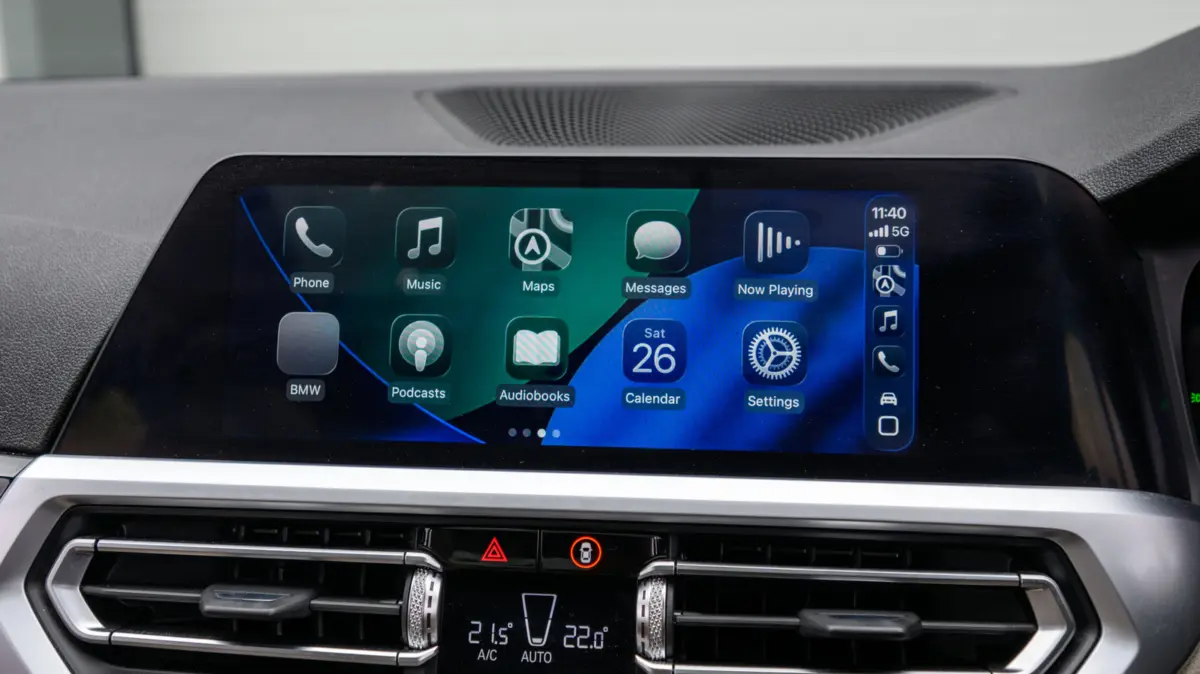
The modern driving experience is increasingly defined by seamless integration between personal technology and vehicle systems, with Apple CarPlay standing as a cornerstone of this digital convergence. While hundreds of vehicle models offer CarPlay functionality, a significant portion still necessitates a wired connection to an iPhone, tethering users to a physical cable. This reliance on a wired connection, while offering inherent stability, often sacrifices the convenience and aesthetic appeal of a truly integrated wireless experience. Fortunately, a burgeoning aftermarket has stepped in to bridge this gap, offering relatively inexpensive adapters that convert existing wired CarPlay systems into their wireless counterparts. These "plug-and-play" devices act as intelligent intermediaries, allowing an iPhone to connect to the car’s infotainment system without the need for a physical cable. However, the market for these adapters is diverse, and making an informed choice requires understanding key compatibility factors and performance specifications to avoid common pitfalls such as slow connections or outright incompatibility with certain vehicle systems or iOS versions.
CarPlay’s Journey: From Wired Beginnings to Wireless Aspirations
Apple first introduced CarPlay in 2014, fundamentally reshaping how drivers interacted with their iPhones on the road. Initially launched with a select group of automakers including Ferrari, Mercedes-Benz, and Volvo, CarPlay promised a safer, more intuitive way to access navigation, communication, and entertainment features directly through the car’s built-in display. The initial rollout was exclusively wired, requiring a Lightning cable connection between the iPhone and the vehicle’s USB port. This foundational approach, while functional, presented certain limitations. Cables could be cumbersome, cluttering the cabin, and the act of plugging in the phone for every drive, however brief, added a minor friction point to the user experience.
The concept of wireless CarPlay began to emerge with iOS 9 in 2015, but its widespread adoption by automakers took several years. Manufacturers faced challenges in integrating the necessary Wi-Fi and Bluetooth modules, along with the software overhead, into their infotainment systems. Consequently, many vehicles produced between 2015 and 2020, and even some newer models, continued to offer only wired CarPlay, despite the underlying technology for wireless connectivity becoming more robust. This created a significant market gap: millions of car owners with perfectly capable CarPlay systems, but lacking the convenience of wireless connectivity. It was this void that aftermarket wireless CarPlay adapters sought to fill, offering a cost-effective solution without requiring a complete infotainment system overhaul or the purchase of a new vehicle. The market for these adapters began to grow steadily, driven by consumer demand for a truly cable-free driving experience, mirroring the broader trend towards wireless technologies in personal electronics.
Navigating the Market: Essential Considerations Before Purchase
The proliferation of wireless CarPlay adapters means consumers have a wide array of options, but careful selection is paramount. The primary and most critical prerequisite is that the vehicle must already be equipped with a factory-installed, wired CarPlay system. These adapters are designed solely to convert an existing wired connection to wireless; they cannot add CarPlay functionality to a car that doesn’t inherently support it. For vehicles without any CarPlay integration, alternative solutions such as portable CarPlay displays would be necessary.
Confirming Core Compatibility: Your Car’s Prerequisite
Once the basic CarPlay compatibility is established, the next step involves meticulous research into the adapter’s specific vehicle compatibility. While many high-quality units boast broad support across hundreds of models, minor incompatibilities can still arise due to variations in infotainment system firmware or hardware configurations across different car manufacturers and model years. Reputable adapter manufacturers typically provide extensive lists of supported vehicles, often segmented by make, model, and year. Consulting these lists, alongside community forums and user reviews for specific vehicle models, can prevent frustrating purchase errors. For instance, an adapter like the Amzfeel unit might claim support for over 800 vehicle models, a testament to the extensive testing required to ensure broad functionality.
Furthermore, the physical connection port in your vehicle is a crucial detail. Older vehicles predominantly feature USB-A ports, while newer cars are increasingly adopting USB-C. Ensuring the chosen wireless CarPlay adapter comes with the appropriate matching port (or a suitable, high-quality adapter cable if necessary) avoids the inconvenience of needing additional converters, which can sometimes introduce instability.
The Importance of Modern Standards: Wi-Fi, Bluetooth, and iOS
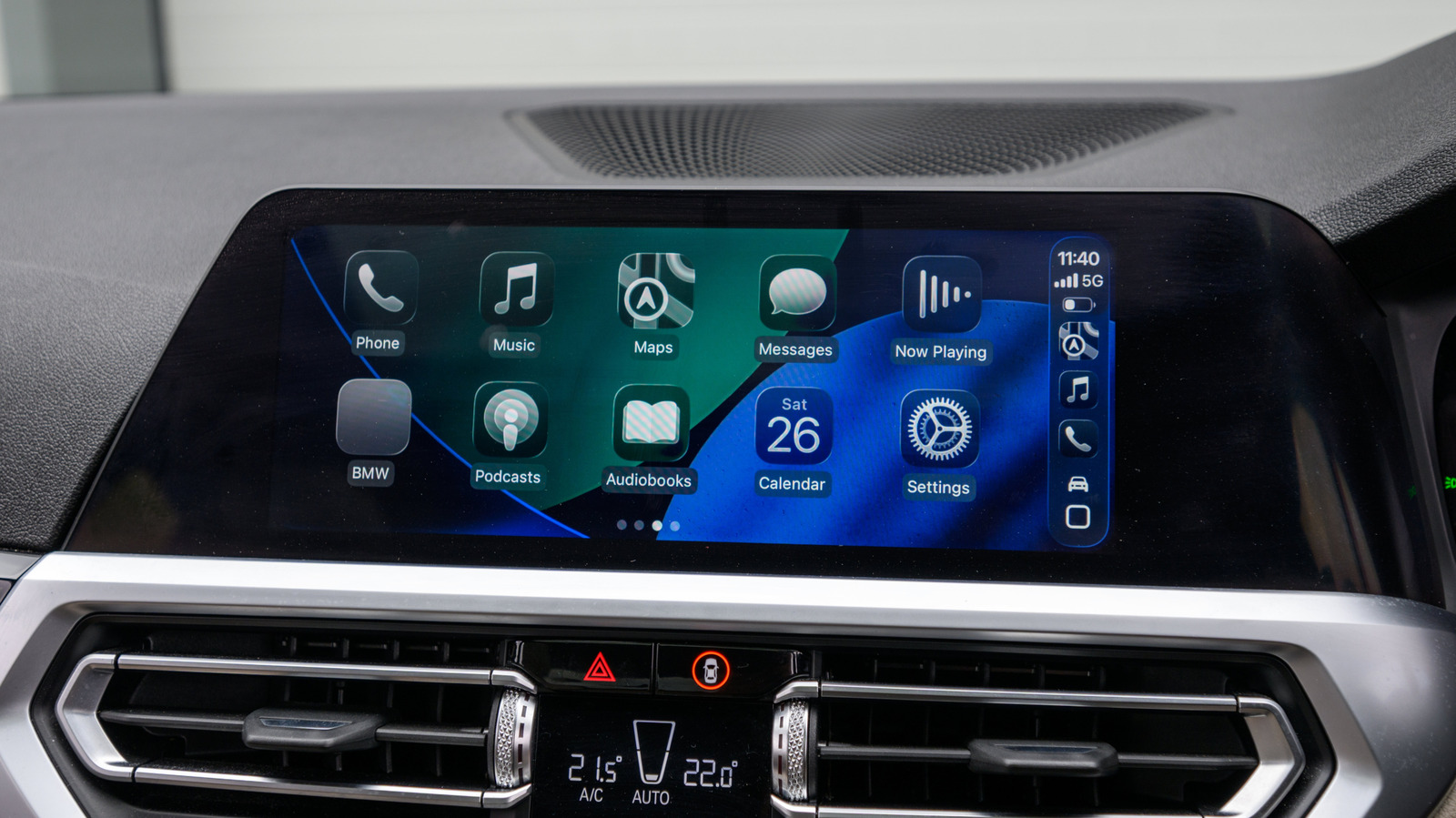
Beyond physical compatibility, the underlying wireless technologies employed by the adapter significantly impact performance. Wireless CarPlay relies on both Bluetooth for initial pairing and Wi-Fi for high-bandwidth data transfer, which handles audio, video, and control signals. Adapters that support 5GHz Wi-Fi are highly recommended. The 5GHz band offers significantly more bandwidth and less interference compared to the older 2.4GHz band, leading to quicker response times, smoother navigation, and higher-fidelity audio streaming. Similarly, an adapter supporting at least Bluetooth 5.0 ensures faster, more stable initial connections between your iPhone and the adapter. Cheaper adapters often skimp on these modern wireless standards, resulting in noticeable lag, dropped connections, or audio/video synchronization issues, ultimately degrading the user experience.
Another critical, often overlooked, aspect is ongoing compatibility with Apple’s iOS ecosystem. Apple regularly updates iOS, and these updates can sometimes introduce changes that break compatibility with older or poorly supported adapters. It is essential to choose an adapter that explicitly states compatibility with the latest iOS versions and, crucially, offers the ability for firmware updates. Firmware updatability ensures that the adapter can adapt to future iOS changes, extending its lifespan and protecting your investment from obsolescence. Without this feature, a new iOS update could render an adapter unusable, forcing a replacement.
Feature Set That Defines Convenience: Auto-Reconnect, Controls, and Beyond
The user experience of a wireless CarPlay adapter is heavily influenced by its feature set. A standout feature for convenience is auto-reconnect. After the initial setup, a high-quality adapter should automatically establish a wireless CarPlay connection with your iPhone every time you start your car, without any manual intervention. Adapters lacking this feature require users to manually pair their devices each time, negating much of the wireless convenience.
Integration with existing vehicle controls is also paramount. Many users rely on steering wheel controls for audio playback, call management, and activating voice assistants. Similarly, seamless support for hands-free Siri commands is fundamental to CarPlay’s safety and utility. Prospective buyers should verify that the adapter fully supports these functionalities, as some budget models may omit or offer limited support for them.
For households with multiple drivers or shared vehicles, an adapter that supports multiple paired iPhones is a valuable asset, allowing different users to connect their devices without repeated setup procedures. While the core function remains the same, some premium adapters offer additional features like support for Android Auto (making them universal for both major smartphone platforms) or even built-in video streaming apps, although these extras typically come with a higher price tag.
Powering Your Choice: Connectivity Ports and Firmware Longevity
The physical design and connectivity options of the adapter also warrant attention. Most adapters draw power directly from the car’s USB port. Ensuring the adapter’s physical form factor is suitable for your car’s interior, potentially minimizing clutter or obstructing other controls, is a minor but practical consideration. As noted earlier, the USB port type (USB-A or USB-C) must match your vehicle’s port to avoid needing additional dongles. The long-term viability of the adapter is strongly tied to its ability to receive firmware updates. A reputable manufacturer will provide regular updates to improve performance, fix bugs, and maintain compatibility with new iOS versions. Checking for evidence of such support, perhaps through a manufacturer’s website or user forums, is a wise step.
Industry Dynamics and Consumer Empowerment
The market for wireless CarPlay adapters represents a dynamic intersection of automotive technology, consumer electronics, and aftermarket innovation. The rapid growth of this segment underscores a significant consumer demand for advanced in-car connectivity that automakers have not always met with the same speed.
A Growing Aftermarket Segment
The adapter market is characterized by a competitive landscape with numerous brands vying for consumer attention. While established players like Ottocast have gained recognition for their reliable products, many smaller manufacturers also offer compelling solutions. This competition drives innovation, leading to faster connection times, improved stability, and broader compatibility. The typical price range for these adapters, between $30 and $50 for basic models, makes them an accessible upgrade for a wide demographic of car owners, offering significant value compared to the cost of a new head unit or vehicle. This price point, combined with the ease of installation, has fueled their popularity.
Automaker Strategies and Apple’s Ecosystem
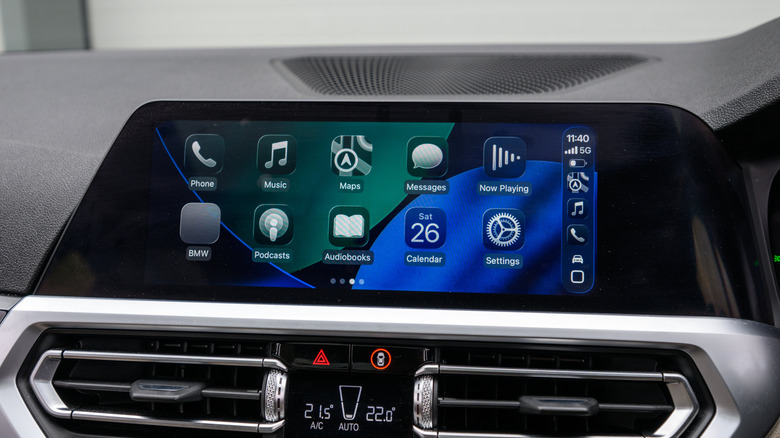
From an automaker’s perspective, the trend is clear: newer vehicle models are increasingly integrating native wireless CarPlay (and Android Auto) as standard features. However, the vast installed base of vehicles with wired-only CarPlay ensures the adapter market will remain relevant for years to come. Automakers, while focused on their new vehicle offerings, indirectly benefit from these aftermarket solutions as they enhance the overall ownership experience for their existing customers. Apple, on its part, provides the core CarPlay software framework and sets the standards that both automakers and accessory manufacturers must adhere to. While Apple does not directly produce these adapters, its continuous refinement of CarPlay and iOS dictates the technical requirements and challenges for adapter developers.
The Consumer-Driven Demand for Seamlessness
The success of wireless CarPlay adapters is a testament to the power of consumer demand for convenience and a truly seamless digital life. Drivers want their in-car experience to mirror the effortless connectivity they enjoy with their smartphones at home or work. The freedom to place their phone anywhere in the car, or simply leave it in a pocket or bag, without the need to fumble with cables, enhances both convenience and safety by reducing distractions. This strong consumer preference has validated the business model for these aftermarket solutions and continues to drive their evolution.
Beyond the Cable: Broader Implications for Automotive Technology
The rise of wireless CarPlay adapters carries broader implications for the automotive industry and the future of in-car technology.
Enhancing the In-Car Experience
Firstly, these adapters significantly enhance the daily driving experience for millions. They transform a minor inconvenience (the wired connection) into a seamless, automatic process, making CarPlay feel more like an integral part of the car rather than an add-on. This improved user experience can lead to greater satisfaction with existing vehicles and their infotainment systems.
Sustainability and Value Proposition
Secondly, wireless CarPlay adapters offer a sustainable and cost-effective solution. Instead of pushing consumers towards expensive head unit upgrades or the purchase of new vehicles to gain wireless functionality, these adapters extend the utility and modernity of existing car infotainment systems. This approach aligns with a growing consumer desire for products that offer longevity and enhanced value without significant financial outlay.
The Road Ahead: Future of In-Car Connectivity
Looking forward, the trend towards wireless connectivity in vehicles is irreversible. As 5G networks become more prevalent and in-car Wi-Fi capabilities become more sophisticated, we can expect even faster and more reliable wireless CarPlay experiences. The adapter market may evolve to offer more advanced features, potentially integrating deeper with vehicle diagnostics or offering enhanced customization options. However, challenges remain, particularly regarding ensuring universal compatibility across the fragmented landscape of car infotainment systems and consistently keeping pace with rapid iOS updates. The ongoing need for robust firmware updates will be a key differentiator for adapter manufacturers.
Conclusion: A Smart Upgrade for Modern Driving
For owners of vehicles equipped with wired CarPlay, a high-quality wireless adapter represents a smart, relatively inexpensive upgrade that significantly enhances the driving experience. By carefully considering vehicle compatibility, essential wireless standards (5GHz Wi-Fi, Bluetooth 5.0+), critical features like auto-reconnect and steering wheel control integration, and the manufacturer’s commitment to firmware updates, consumers can confidently choose an adapter that delivers reliable, cable-free CarPlay functionality. This aftermarket innovation not only addresses a common pain point but also underscores the enduring demand for seamless, intuitive technology in our increasingly connected vehicles, paving the way for a more integrated and enjoyable journey on the road.