Metty Iskandar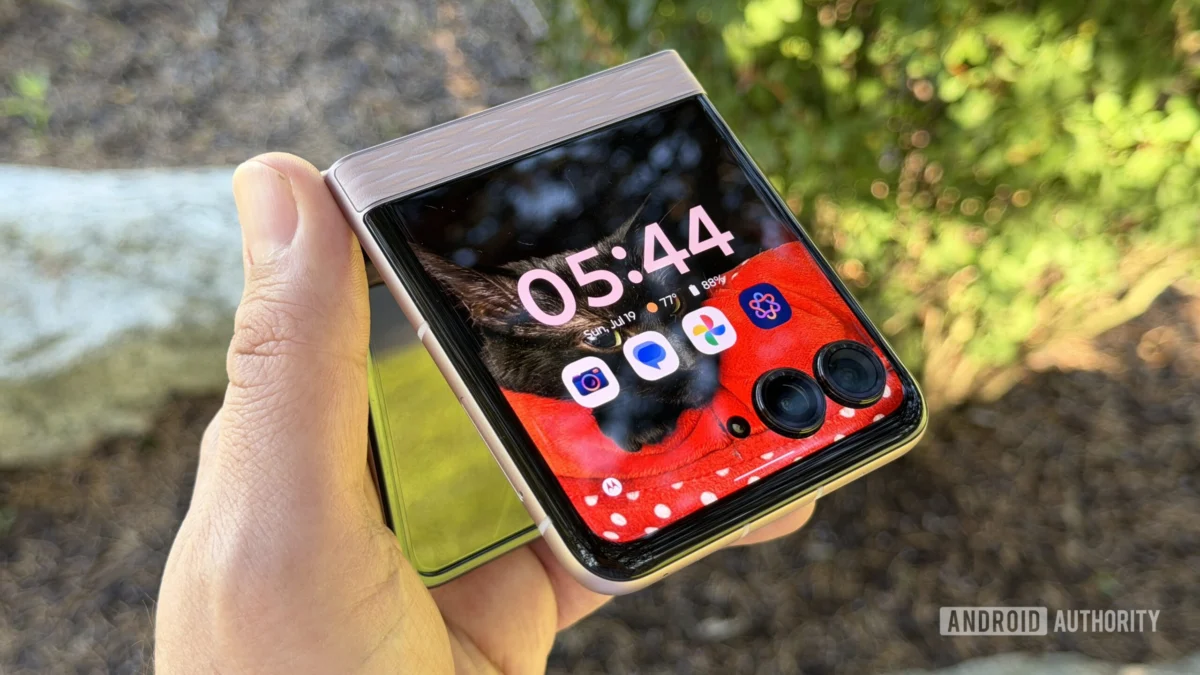
Android 17, the latest iteration of Google’s mobile operating system, has begun its rollout to a broader audience beyond its initial Pixel device exclusivity. Motorola is taking significant steps to bring the stable version of Android 17 to its users, commencing an expanded beta testing program for a more extensive lineup of its popular Razr, Edge, and Moto G smartphone families. This initiative allows a greater number of Motorola device owners to experience the forthcoming software enhancements and provide valuable feedback before the public release.
Expanding the Android 17 Beta Horizon
The expansion of Motorola’s Android 17 beta program was identified through postings on the company’s official community forums, as initially reported by Nokiamob. This move signifies a commitment from Motorola to democratize early access to its software updates, extending the opportunity beyond a select few to a more diverse user base. The eligible devices for this beta program include a comprehensive list, indicating a strategic effort to gather feedback from various market segments and device tiers.
Among the Razr lineup, the Razr 70 Plus and the Razr Plus 2026 are slated to receive beta access. The Edge series is also well-represented, with the entire Edge 70 family included in the testing phase. Further broadening the reach, Motorola’s budget-friendly Moto G line sees participation from the Moto G Power 2025 and 2026 models, alongside the standard Moto G 2025 and 2026, and the Moto G Play 2026. It is important to note that the availability to sign up for the beta program is contingent upon specific device models and geographical regions, reflecting the phased approach to software deployment and regional testing requirements.
Navigating the Beta Sign-Up Process
For interested users, the pathway to participating in the Android 17 beta program involves enrolling in the Motorola Feedback Network. Following this, individuals must navigate to the relevant forum post dedicated to their specific device and region to submit their application. Motorola emphasizes that participation is not guaranteed; spots are limited, and early registration is crucial. This selective approach is a common practice in beta testing, allowing manufacturers to manage the volume of feedback and ensure a focused testing environment. The limited availability also serves to gauge genuine user interest and commitment to the feedback process.
Anticipating Android 17’s Feature Set
While Motorola has not yet released a comprehensive changelog specifically for this latest wave of beta testers, insights from earlier Android 17 beta builds deployed on other Motorola devices provide a strong indication of the features users can expect. The overarching theme of Android 17 appears to be a refinement of the user interface and an enhancement of user experience through subtle yet impactful changes.
Key among the anticipated interface updates is a redesigned notification panel and control center. This redesign is expected to offer a more intuitive and visually appealing way to manage incoming alerts and quick settings. Users can also look forward to new lock screen clock styles, providing greater personalization options for the device’s primary information display. The evolution of volume controls is another area of focus, aiming for a more streamlined and user-friendly interaction.
Beyond visual elements, Motorola’s beta builds have hinted at improvements in tactile feedback, with stronger haptics being a noted addition. This enhancement aims to provide a more responsive and engaging user experience through subtle vibrations that complement on-screen interactions. Tinted icons are also part of the expected changes, potentially offering a more cohesive and visually unified aesthetic across the operating system.
Furthermore, the presence of a "Live Updates" pill positioned near the selfie camera cutout in earlier builds suggests an integration of real-time information or status updates directly within the display’s active zones. This could manifest as subtle notifications or performance indicators that appear without disrupting the user’s primary activity. The emergence of "Qira AI" branding in at least one prior build also points towards potential AI-driven features or enhancements that may be integrated into the Android 17 experience on Motorola devices. However, it is crucial to understand that these indicators from earlier builds do not guarantee their inclusion in every device joining this expanded beta program. The testing process is designed to identify what works best across different hardware configurations and user bases.
Navigating the Risks of Beta Software
As with any beta software program, users venturing into the Android 17 beta for their Motorola devices should be fully aware of the inherent risks. Beta versions are, by definition, pre-release software and are therefore prone to bugs, performance issues, and potential instability. These can range from minor glitches that affect app functionality to more significant problems that could impact system performance or data integrity.
Motorola’s recommendations for beta participants underscore these potential challenges. The company strongly advises users to back up all their important data before proceeding with the installation of a beta build. This precautionary measure is paramount to safeguard personal information, photos, and application data in the event of unforeseen data loss or corruption. Additionally, maintaining a minimum of 50% battery charge before initiating the installation process is recommended to prevent interruptions that could compromise the update.
The Evolving Landscape of Smartphone Updates
The expansion of Motorola’s Android 17 beta program is a notable event within the broader context of smartphone operating system updates. Historically, the rollout of major Android versions has been a fragmented process, with Google’s Pixel devices often being the first to receive updates, followed by a staggered release from other manufacturers. This lag can be attributed to various factors, including the need for manufacturers to adapt the core Android code to their specific hardware, integrate their proprietary software layers, and conduct extensive testing to ensure compatibility and stability.
Motorola’s proactive approach with this expanded beta program suggests a strategic effort to shorten this update cycle and provide a more consistent experience across its device portfolio. By engaging a wider user base in the testing phase, Motorola can gather more diverse feedback, identify potential issues more rapidly, and ultimately refine the final release for a smoother public launch. This also aligns with a growing consumer expectation for timely software updates, which are increasingly seen as a critical factor in device longevity and user satisfaction.
Implications for the Android Ecosystem
The success of Motorola’s expanded beta program could have broader implications for the Android ecosystem. If Motorola can effectively manage and leverage the feedback from this large-scale beta test, it could set a precedent for other manufacturers to adopt similar strategies. This could lead to a more efficient and user-centric approach to software updates across the entire Android landscape.
Furthermore, the inclusion of a diverse range of devices, from high-end foldable Razrs to more budget-conscious Moto G models, indicates a commitment to bringing the latest Android innovations to a wider spectrum of consumers. This democratization of software updates is crucial for maintaining the relevance and competitiveness of the Android platform.
The emphasis on user feedback within the beta program also highlights the collaborative nature of software development in the modern era. Manufacturers are increasingly recognizing the value of their user communities in identifying bugs, suggesting improvements, and shaping the future of their products. Motorola’s forum-based approach facilitates this direct line of communication, fostering a sense of co-creation between the company and its customers.
As the Android 17 beta program progresses, the industry will be watching closely to see how effectively Motorola can translate user feedback into a polished and stable public release. The expansion of this beta initiative is a positive step, demonstrating a commitment to innovation and user engagement that could benefit Motorola users and the broader Android community alike. The anticipation for a refined and feature-rich Android 17 experience on a wider array of Motorola devices is palpable, and this beta program is the critical bridge to that future.