Galang Taruna
Google’s recent unveiling of "Gemini Intelligence" at the highly anticipated Android Show 2026 has introduced a new layer of complexity to the tech giant’s already expansive artificial intelligence lexicon. While the name "Gemini" has become synonymous with Google’s foundational AI models and conversational chatbot, the addition of "Gemini Intelligence" has sparked both intrigue and a degree of confusion among industry observers and consumers alike. This article aims to clarify the crucial distinctions between these two seemingly related, yet fundamentally different, concepts and explore their profound implications for the future of the Android ecosystem, marking a pivotal shift in how users will interact with their mobile devices.
The Foundation: Understanding Gemini
To fully grasp the essence of Gemini Intelligence, it is imperative to first establish a clear understanding of Gemini itself. In its broadest sense, Gemini refers to Google’s overarching family of large multimodal AI models. These models are engineered to understand and operate across various data types, including text, code, audio, image, and video, representing a significant leap in AI capability. First introduced by Google with much fanfare, Gemini was positioned as a direct competitor to other leading large language models, showcasing advanced reasoning, comprehension, and generation abilities.
Beyond the underlying models, "Gemini" also designates the specific conversational AI application that serves as Google’s flagship chatbot. This application, initially known as Bard, was rebranded to Gemini, signifying its direct connection to the powerful underlying AI. This move was not merely cosmetic; it heralded a strategic shift within Google’s product lineup. Most notably, the Gemini application has progressively replaced Google Assistant on Android devices. This transition underscores Google’s belief that Gemini, with its enhanced multimodal capabilities and more sophisticated understanding of context, offers a more efficient, modern, and ultimately more powerful AI assistant experience than its predecessor. Users interact with Gemini through a dedicated app or via voice commands, much like they did with Google Assistant, but with a significantly expanded range of functions, from answering complex queries and drafting content to summarizing information and assisting with creative tasks.
The Paradigm Shift: Introducing Gemini Intelligence
If Gemini represents the AI engine and its direct conversational interface, Gemini Intelligence signifies a conceptual leap – a strategic vision that transcends a standalone application or a specific model. Google describes Gemini Intelligence not as another app or an additional AI model, but rather as a pervasive, deeply embedded artificial intelligence framework "infused" into the very core of the Android operating system. This represents a fundamental re-imagining of Android’s role. As Google succinctly puts it, "Android transitions from an operating system to an intelligence system."
This core philosophy implies a profound shift from reactive to proactive computing. Unlike the Gemini application, which users consciously launch to interact with, Gemini Intelligence is designed to operate seamlessly and continuously in the background, anticipating user needs and providing assistance without explicit prompts. It’s an ambient intelligence, perpetually learning from user behavior, device usage patterns, and environmental context to offer hyper-personalized and timely interventions. While the system maintains user control over critical actions, such as confirming an online purchase, its default mode is one of intelligent foresight and automated assistance. This proactive nature aims to make the smartphone an even more intuitive and indispensable companion, transforming daily digital interactions from a series of deliberate commands into a fluid, intelligent dialogue with the device.
The Android Show 2026: A Pivotal Announcement
The unveiling of Gemini Intelligence at the Android Show 2026 was a cornerstone event, signaling Google’s unequivocal commitment to an AI-first future for its mobile platform. Held in a context where AI innovation is rapidly accelerating across the tech industry, the show served as Google’s platform to articulate its vision for how artificial intelligence will redefine the smartphone experience.
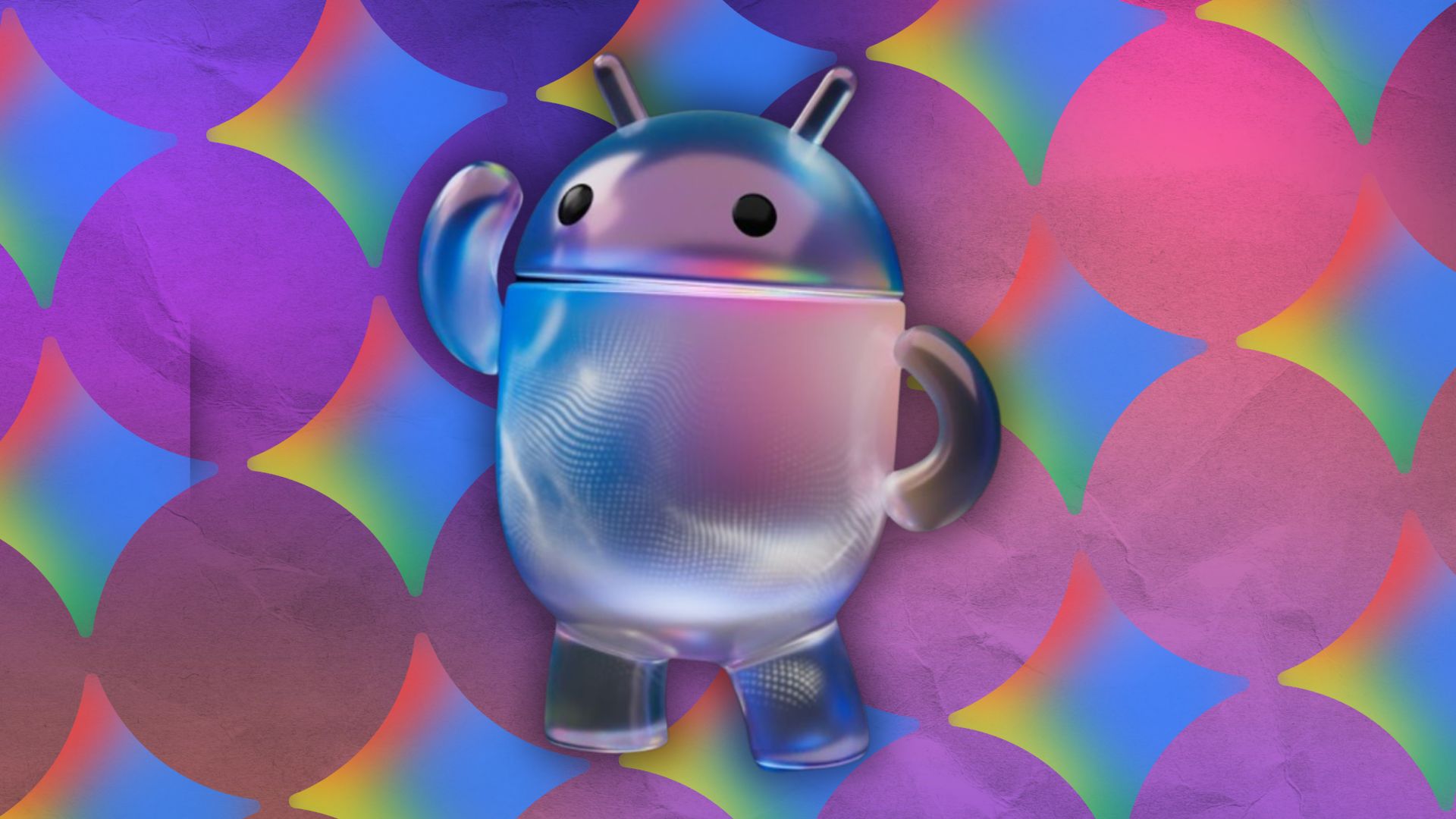
During the event, Google provided initial demonstrations showcasing the practical applications of Gemini Intelligence. While the original article doesn’t list the four specific pillars, common examples of such proactive AI features, often inferred from similar announcements, include:
- Intelligent Summarization: Automatically condensing lengthy emails, web pages, or documents relevant to a user’s current task or schedule.
- Context-Aware Suggestions: Offering timely recommendations for apps, information, or actions based on location, time of day, calendar events, or ongoing conversations. For instance, suggesting navigation to a meeting location before the user even opens a map app, or preparing a relevant document for an upcoming presentation.
- Proactive Task Automation: Streamlining multi-step processes, such as automatically sorting photos, managing notifications based on priority, or even drafting responses to messages based on context and user communication style.
- Enhanced Device Interaction: Facilitating more natural language commands that go beyond simple queries, allowing for complex multi-step instructions or managing smart home devices with greater intuition, all while understanding the broader context of the user’s activities.
These demonstrations underscored Google’s intent to move beyond simple AI chatbots towards an integrated, ambient intelligence that profoundly shapes the user’s daily digital life, making the smartphone experience more seamless, efficient, and personalized than ever before.
Strategic Positioning: The AI Race Intensifies
The introduction of Gemini Intelligence is not an isolated development but a calculated move within the fiercely competitive landscape of artificial intelligence. It represents Google’s direct and robust response to similar initiatives from rivals, most notably Apple’s "Apple Intelligence." By explicitly naming its comprehensive AI integration strategy "Gemini Intelligence," Google draws a clear parallel, signaling its ambition to push AI integration deeper and more pervasively into the mobile operating system than its Cupertino counterpart.
Google’s long-term vision extends beyond smartphones. Gemini Intelligence is a central pillar in a broader strategy to create an interconnected ecosystem of smart devices, all powered by the same proactive AI. This includes an expanded role for AI in wearables, with connected watches running Wear OS benefiting from enhanced intelligent features. Furthermore, Google’s ambitions stretch into personal computing with the advent of "GoogleBook" laptops, which are envisioned as a new generation of Android-powered portable PCs deeply integrated with Gemini Intelligence. This holistic approach aims to provide a consistent, intelligent experience across all of a user’s devices, creating a unified digital assistant that understands and anticipates needs regardless of the form factor. This comprehensive ecosystem strategy allows Google to leverage its AI prowess across multiple product categories, creating a formidable challenge to competitors in the rapidly evolving AI hardware and software market.
The Hardware Hurdle: Exclusivity and Accessibility Concerns
While the promises of Gemini Intelligence are compelling, its initial rollout highlights a significant barrier to widespread adoption: stringent hardware requirements. Google has specified that Gemini Intelligence necessitates a premium system-on-chip (SoC), a minimum of 12 GB of RAM, and the presence of the recent local AI model, Gemini Nano v3. These specifications effectively limit the immediate availability of Gemini Intelligence to a select cohort of high-end flagship smartphones.
Initially, Gemini Intelligence made its debut on premium devices such as Google’s own Pixel 10 and Samsung’s Galaxy S26, two of the most powerful Android smartphones available. While other high-end devices are expected to follow, this exclusivity means that a substantial portion of the existing Android user base will, for a considerable period, be excluded from experiencing the full suite of Gemini Intelligence features. This creates a potential "digital divide," where access to Google’s most advanced AI capabilities becomes a privilege of those with the latest and most expensive hardware.
The justification for these demanding requirements lies in the computational intensity of running advanced multimodal AI models locally on the device, ensuring speed, privacy, and responsiveness without constant reliance on cloud processing. However, this also poses a challenge to Google’s historical commitment to broad accessibility for Android. Recognizing this limitation, industry partners are actively working to democratize access. MediaTek, a prominent chip manufacturer, has publicly expressed its ambition to optimize its processors to support Gemini Intelligence, aiming to bring these advanced AI capabilities to a wider range of mid-to-high-tier smartphones in the future. Their efforts could be crucial in bridging the gap and making Google’s vision of an "intelligence system" accessible to a larger segment of the Android population.
Developer Ecosystem and Future Prospects

The advent of Gemini Intelligence presents both unprecedented opportunities and significant challenges for the Android developer community. For developers, the deep integration of proactive AI opens new avenues for creating applications that are more intelligent, intuitive, and anticipatory. APIs and SDKs designed to leverage Gemini Intelligence will enable developers to build features that tap into the system’s ambient awareness, offering users hyper-personalized experiences that were previously unattainable. This could lead to a new generation of apps that proactively assist with tasks, offer contextually relevant information, and streamline complex workflows, moving beyond static interfaces to dynamic, intelligent companions.
However, this paradigm shift also necessitates adaptation. Developers will need to re-evaluate how their applications interact with the operating system and user data, ensuring compatibility with Gemini Intelligence’s proactive nature while adhering to privacy and security protocols. The ethical implications of pervasive AI will also be a critical consideration. Developers will need to carefully navigate issues of data privacy, algorithmic bias, and ensuring transparency in how AI-driven suggestions are made. Google will likely provide robust guidelines and tools to help developers integrate responsibly, fostering an ecosystem where innovation is balanced with user trust. The ultimate success of Gemini Intelligence will hinge not only on Google’s core implementation but also on the vibrancy and creativity of the developer community in harnessing its power.
User Experience Transformation: A Glimpse into the Future
For the end-user, Gemini Intelligence promises a transformative experience that redefines daily interaction with their smartphone. The transition from a reactive operating system to an "intelligence system" implies a device that is no longer merely a tool, but a highly personalized assistant that anticipates needs and acts proactively. Users can expect a smartphone that learns their routines, preferences, and contexts to offer truly seamless assistance.
Imagine a device that automatically adjusts notifications based on your current activity (e.g., silencing non-urgent alerts during a meeting), intelligently pre-fills forms based on past interactions, or even offers to summarize a long text message before you even open it, knowing you’re in a hurry. The focus will be on enhancing personalization, boosting efficiency by reducing cognitive load, and creating a more fluid, less fragmented digital experience. This could lead to fewer taps, less searching, and more intuitive control over the device and its connected environment. Furthermore, the proactive nature of Gemini Intelligence could significantly enhance accessibility features, making smartphones even more intuitive for users with diverse needs.
Crucially, Google has emphasized the importance of maintaining user control. While Gemini Intelligence will be proactive, users will retain the ability to manage its permissions, customize its behavior, and override its suggestions. This balance between intelligent automation and explicit user agency will be vital for building trust and ensuring that the AI truly serves the user, rather than dictates to them. The ultimate goal is to create a symbiotic relationship where the smartphone intelligently augments human capabilities without diminishing autonomy.
Conclusion
Google’s introduction of Gemini Intelligence marks a pivotal moment in the evolution of Android, signaling a future where the operating system itself is imbued with deep, proactive artificial intelligence. While "Gemini" refers to Google’s foundational AI models and its conversational chatbot application, "Gemini Intelligence" represents a strategic, ecosystem-wide vision of an AI-infused Android that transitions from a mere operating system to an "intelligence system." This distinction is critical for understanding Google’s ambition to create a seamless, anticipatory, and hyper-personalized user experience across an array of devices, from smartphones to wearables and new GoogleBook laptops.
However, the journey towards this intelligent future is not without its challenges. The stringent hardware requirements for initial adoption mean that the transformative benefits of Gemini Intelligence will, for a time, be exclusive to premium devices. Efforts by partners like MediaTek to democratize access will be crucial for broader market penetration. Moreover, the developer community will need to adapt to this new paradigm, leveraging AI capabilities responsibly while navigating complex ethical considerations. Ultimately, Gemini Intelligence stands as a bold declaration from Google in the escalating AI race, promising a profound redefinition of mobile computing and user interaction, contingent on its ability to balance cutting-edge innovation with accessibility and user trust.