Evan Lee Salim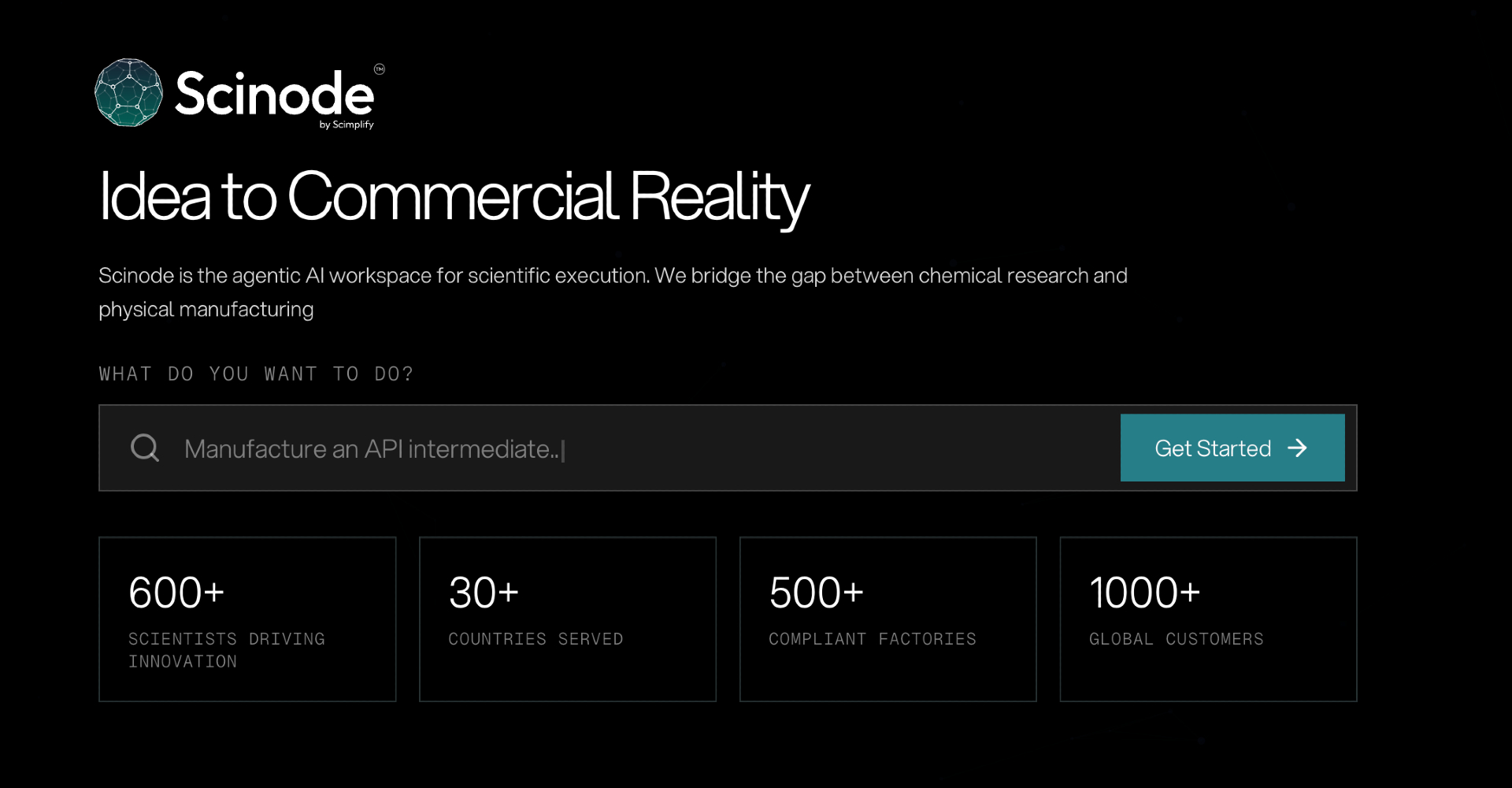
Bengaluru-based deep technology startup Scimplify has successfully closed a strategic all-equity funding round of $25 million, spearheaded by Hitachi Ventures. This latest capital infusion is set to significantly expand the company’s pioneering AI-powered platform for producing specialty chemicals and critical materials, with a particular focus on high-growth sectors such as semiconductors, defense, and energy. The investment arrives at a crucial juncture, as industries worldwide intensify efforts to diversify and de-risk their supply chains, moving away from an over-reliance on single geographical regions, most notably China.
The Strategic Imperative: De-risking Global Supply Chains
The global manufacturing landscape has undergone a profound transformation in recent years, driven by a confluence of geopolitical shifts, trade tensions, and the lingering lessons from the COVID-19 pandemic. These factors have underscored the fragility of highly concentrated supply chains, prompting a concerted push by nations and corporations to build greater resilience and redundancy. Specialty chemicals and critical materials, which form the bedrock of countless advanced industries, are at the epicenter of this strategic realignment. Many of these essential components, from rare earth elements to specific industrial chemicals, have historically seen their production concentrated in a handful of countries, with China holding a dominant position in several key categories. For instance, China accounts for over 60% of global rare earth production and processing, and is a major producer of various precursor chemicals vital for electronics and pharmaceuticals. This concentration presents significant risks, including potential supply disruptions, price volatility, and national security vulnerabilities for countries dependent on these imports.
Against this backdrop, companies like Scimplify offer a compelling solution. By leveraging advanced artificial intelligence and a distributed manufacturing network, Scimplify aims to democratize access to these critical materials, providing manufacturers with robust, alternative supply sources that are both efficient and secure. This strategic pivot aligns with broader governmental initiatives in regions like the United States, Europe, and India, which are actively promoting domestic production and supply chain diversification through incentives and policy frameworks. The demand for such solutions is robust, reflecting a fundamental shift in how global industries perceive and manage their procurement strategies.
Scimplify’s Accelerating Growth and Financial Milestones
This latest $25 million funding round brings Scimplify’s total equity funding to $80 million, underscoring strong investor confidence in its innovative approach and market potential. The round was strategically led by Hitachi Ventures, the corporate venture capital arm of the Japanese conglomerate Hitachi, signifying a major endorsement from a global industrial powerhouse. Notably, two of Scimplify’s key customers, German chemicals giant Henkel and U.S.-based polymer compounder Teknor Apex, joined as new strategic investors. This dual role as both customer and investor highlights the direct value and trust these companies place in Scimplify’s ability to deliver essential materials and enhance their own supply chain resilience. Existing investors, including Accel India, Bertelsmann India Investments, Omnivore, and 3one4 Capital, also participated, reaffirming their belief in the startup’s continued trajectory.
While Scimplify officially declined to disclose its precise post-money valuation, a source familiar with the transaction indicated that the round values the Bengaluru-based startup at approximately $250 million. This represents a substantial increase from its $150 million valuation after a $40 million Series B round secured in March 2025, demonstrating rapid appreciation in just over a year. The rapid growth in valuation mirrors Scimplify’s impressive operational and financial performance.
Co-founder Sachin Santhosh revealed that Scimplify has achieved an annualized revenue run rate (ARR) of approximately $200 million, a remarkable threefold increase from a year earlier. The startup is setting an ambitious target of reaching a $400 million ARR over the next year, reflecting its aggressive expansion plans and strong market traction. Furthermore, Scimplify has achieved a significant financial milestone, operating as EBITDA-positive for the past two months and projecting to turn profitable after tax within the current month. This transition to profitability, particularly for a deep tech startup with substantial R&D and expansion costs, is a powerful indicator of its scalable business model and efficient operations.
The company, founded in 2023, has demonstrated exceptional market penetration, serving over 1,000 customers and delivering products to more than 40 countries globally. This widespread adoption underscores the universal need for its solutions and the effectiveness of its platform.
The AI Advantage: Revolutionizing Material Discovery and Production
The traditional process of developing new materials and bringing them to commercial scale is notoriously slow, capital-intensive, and fraught with challenges. It often involves extensive research and development cycles, complex process optimization, stringent quality control, and navigating intricate regulatory landscapes. This can typically take anywhere from 12 to 18 months, or even longer, from initial customer requirement to final product delivery. Scimplify is fundamentally disrupting this paradigm through its proprietary AI platform, Scinode.
Scinode acts as the central intelligence coordinating Scimplify’s operations, dramatically accelerating the entire material production lifecycle. As Sachin Santhosh explained, the platform employs specialized AI agents for distinct functions, including research, manufacturing, and quality control. These agents work backward from a customer’s specific requirements, identifying optimal production routes, suitable manufacturing facilities from Scimplify’s extensive network, and tracking all quality and regulatory standards in real-time. This AI-driven approach enables Scimplify to achieve unparalleled speed; in some cases, the startup has gone from receiving a customer’s complex material specifications to delivering the finished product in just two months. This expedited timeline is a game-changer for industries where speed to market and rapid iteration are critical competitive advantages.
The company’s in-house team of scientists and engineers, based at its research facilities in Bengaluru and Hyderabad, are central to this process. They develop the initial chemical manufacturing processes, which are then seamlessly transferred to Scimplify’s network of over 500 partner factories for commercial-scale production. The Scinode platform ensures consistency, quality, and compliance across this distributed network, maintaining the integrity of the specialized chemistry throughout the scale-up process. The visual representation of Scimplify’s Scinode platform, depicting its interconnected and intelligent operational flow, underscores the sophistication of its technological backbone. This holistic integration of AI, human expertise, and a vast manufacturing ecosystem is what sets Scimplify apart, offering a truly end-to-end solution for advanced materials production.
Expanding Reach: From India to Global Markets
While approximately 90% of Scimplify’s current manufacturing operations are rooted in India, the company has ambitious plans for global expansion. Over the next year, it intends to significantly broaden its production network to key strategic markets such as the United States and Japan. This expansion is designed to attract more customers in these regions and further solidify its position as a global leader in specialty chemicals. To support this growth, Scimplify plans to deploy approximately $7.5 million of its latest funding specifically for its U.S. expansion efforts, including establishing and scaling its manufacturing footprint there. This allocation, though subject to evolving strategic priorities, underscores the importance of the U.S. market in its growth roadmap.
The U.S. has already emerged as a critical growth engine for Scimplify. The company’s annualized revenue run rate in the U.S. has seen an extraordinary sixfold increase over the past year, soaring from $10 million to approximately $60 million. This rapid growth means the U.S. market now accounts for roughly 30% of Scimplify’s overall business. Furthermore, customers outside India collectively contribute more than half of its total revenue, a dramatic shift from less than 5% just 18 months ago. This data clearly illustrates the strong international demand for Scimplify’s solutions and its successful penetration into diverse global markets. The company currently employs about 340 people, including approximately 70 dedicated scientists, with most of its workforce based in India, complemented by local teams in the U.S., Japan, Indonesia, and the UAE, facilitating its international operations and customer engagement.

Targeting Critical Sectors: Semiconductors, Defense, and Energy
Scimplify’s strategic focus on semiconductors, defense, and energy sectors is driven by their immense strategic importance and their inherent vulnerabilities to supply chain disruptions. These industries are foundational to modern economies and national security, demanding highly specialized and reliable material inputs.
- Semiconductors: The global semiconductor industry is experiencing unprecedented demand, fueled by the proliferation of AI, IoT, and advanced computing. The production of microchips relies on a complex array of ultra-pure specialty chemicals and materials, many of which are produced by a limited number of suppliers. Disruptions in this supply chain can have cascading effects across numerous downstream industries. Scimplify’s ability to rapidly develop and scale production of these critical precursors offers a vital pathway to greater resilience for chip manufacturers.
- Defense: Geopolitical tensions and ongoing conflicts have highlighted the critical need for robust and secure supply chains for defense-related materials. From advanced composites to specialized propellants and protective coatings, the defense industry requires high-performance, often bespoke, chemical compounds. Scimplify’s agile manufacturing model and ability to develop materials from customer requirements can significantly shorten procurement timelines and reduce reliance on potentially unreliable foreign sources.
- Energy: The transition to cleaner energy sources, including solar, wind, and advanced battery technologies, depends heavily on a new generation of specialty chemicals and materials. For example, battery chemistries, catalysts for hydrogen production, and advanced materials for renewable energy infrastructure all represent significant growth areas where secure supply chains are paramount.
These three sectors now account for a substantial 45% to 50% of Scimplify’s revenue, a significant leap from less than 15% a year ago. This growth is directly linked to macro trends: the insatiable demand for electronics and energy infrastructure driven by AI, and the heightened demand from the defense industry amidst global instability.
Scimplify is also actively engaged in projects aimed at addressing specific material dependencies. For instance, the startup is working on producing tungsten derivatives from scrap materials, offering customers an alternative source for a metal whose supply is heavily concentrated in China. Similarly, it is focusing on rare-earth materials, another category where China’s near-monopoly presents significant geopolitical and economic risks. By developing alternative production methods and sources for these strategic materials, Scimplify is directly contributing to global supply chain diversification efforts. Its impressive client roster includes leading industry players such as Japanese electronics manufacturer TDK, German chemicals group BASF, and Hitachi, further validating its capabilities and market impact. Sachin Santhosh cited a project with TDK as a prime example of how Scimplify can drastically reduce the development and delivery timelines for highly specialized materials, though he noted that timelines can vary significantly depending on the project’s complexity.
Strategic Investors and Their Motivations
The composition of Scimplify’s investor base in this round provides critical insight into the company’s strategic value proposition.
- Hitachi Ventures: As the lead investor, Hitachi Ventures’ involvement is highly strategic. Hitachi, a global leader in industrial technology, infrastructure, and digital solutions, has a vested interest in advanced materials and resilient supply chains across its diverse business units. Investing in Scimplify aligns perfectly with Hitachi’s long-term vision for industrial innovation and its commitment to supporting technologies that enhance global operational efficiency and sustainability. Their investment signals a belief in Scimplify’s potential to become a foundational player in the future of chemical manufacturing.
- Henkel and Teknor Apex: The participation of Henkel and Teknor Apex as new investors, who are also Scimplify’s customers, is particularly telling. Henkel, a global leader in adhesives, sealants, and functional coatings, and Teknor Apex, a major producer of custom compounds, both rely heavily on a consistent and diversified supply of specialty chemicals. Their investment is a clear vote of confidence in Scimplify’s technology and its ability to provide secure, high-quality, and potentially more efficient sourcing options for their own production needs. This "customer-as-investor" model creates a strong synergistic relationship, ensuring Scimplify’s solutions are directly aligned with industry demands. It also suggests a strategic commitment to reducing their own supply chain risks and potentially gaining early access to Scimplify’s innovative material solutions.
- Existing Backers: The continued participation of Accel India, Bertelsmann India Investments, Omnivore, and 3one4 Capital speaks to the consistent performance and future promise Scimplify has demonstrated since its earlier funding rounds. These firms recognize the long-term potential of Scimplify’s deep tech approach and its significant market opportunity.
The Broader Implications: India’s Role in Global Manufacturing and the Future of AI in Chemistry
Scimplify’s rapid ascent and successful funding rounds carry broader implications for both India’s positioning in the global manufacturing landscape and the future trajectory of chemical science.
India has been actively promoting its "Make in India" initiative, aiming to transform the country into a global manufacturing hub. Scimplify, with its significant domestic manufacturing footprint and plans for international expansion, exemplifies India’s growing capability in advanced manufacturing and deep technology. The startup’s ability to combine cutting-edge AI with a robust network of manufacturing facilities positions India not just as a service provider, but as an innovator and producer of critical materials on a global scale. This fosters economic growth, creates high-skill jobs, and enhances India’s strategic importance in global supply chains.
The integration of AI into chemical research and manufacturing, as pioneered by Scimplify’s Scinode platform, represents a paradigm shift for the industry. Historically, chemical synthesis and material discovery have been highly empirical, relying on extensive experimentation and human intuition. AI-driven approaches are now dramatically accelerating these processes, enabling faster identification of novel compounds, optimization of synthesis routes, and more efficient scale-up. This promises to unlock new material properties and accelerate innovation across various industries, from healthcare to aerospace. The ability to move from concept to commercial product in months rather than years is a transformative advantage, fostering a more agile and responsive chemical industry.
Furthermore, Scimplify’s work on producing tungsten derivatives from scrap highlights a crucial aspect of modern industrial development: sustainability and the circular economy. By leveraging recycled materials, the company not only addresses supply chain dependencies but also contributes to reducing waste and the environmental impact of traditional resource extraction. This dual benefit positions Scimplify at the forefront of sustainable industrial practices.
In the competitive landscape, Scimplify is carving out a unique niche. While traditional chemical giants possess vast production capacities, they often lack the agility and AI-driven efficiency that Scimplify offers. Meanwhile, other material science startups may focus on specific niches, but few combine Scimplify’s comprehensive AI platform with a large, diversified manufacturing network and a broad range of critical material solutions. This integrated approach gives Scimplify a distinct competitive edge.
Looking Ahead: Challenges and Opportunities
As Scimplify continues its aggressive expansion, it will undoubtedly face a new set of challenges alongside its opportunities. Scaling its operations across diverse international markets will require navigating complex regulatory environments, intellectual property considerations, and varying quality standards. Maintaining consistent quality across a network of over 500 partner facilities while simultaneously expanding into new regions will demand robust operational oversight and continuous technological refinement. Talent acquisition, particularly for highly specialized scientists, engineers, and AI experts, will also be critical to sustaining its innovation pipeline.
However, the opportunities for Scimplify are immense. The global push for supply chain resilience is a long-term trend, not a fleeting phenomenon. The increasing demand for advanced materials in rapidly evolving sectors like AI hardware, quantum computing, and sustainable energy provides a continuous growth engine. Further development of its Scinode platform, including incorporating more sophisticated predictive analytics and autonomous control features, could further cement its technological leadership. Should Scimplify maintain its current trajectory of rapid revenue growth and profitability, an eventual public offering could be a significant milestone, allowing it to further scale its impact and redefine the future of chemical manufacturing.
In conclusion, Scimplify’s latest funding round and impressive growth trajectory underscore its pivotal role in reshaping global supply chains and accelerating innovation through the power of artificial intelligence. By offering a robust, efficient, and diversified source for critical specialty chemicals, Scimplify is not merely a startup; it is a key enabler of industrial resilience and technological advancement in a rapidly changing world.