Garick Elordi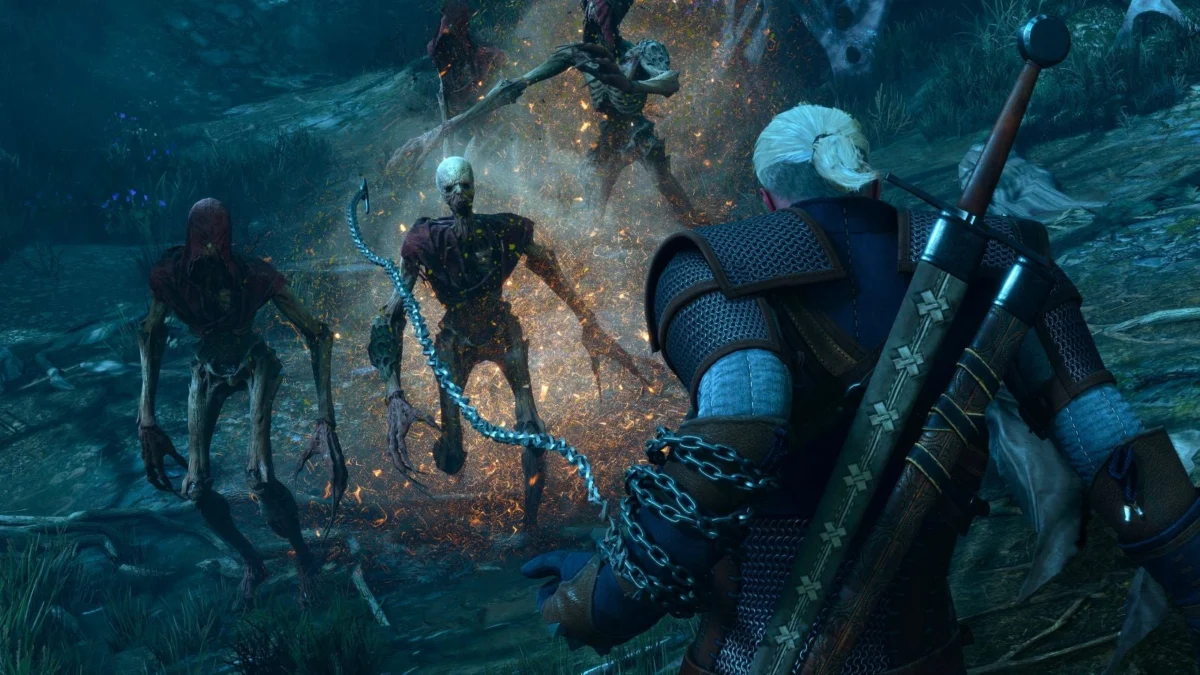
The scale of these announcements represents an unprecedented level of post-launch support for a single-player title that is over nine years old. While the original game concluded its primary content cycle in 2016 with the release of the Blood and Wine expansion, the upcoming Songs of the Past is slated for a 2027 release, effectively extending the lifecycle of The Witcher 3 to over a decade.
Technical Overhaul: The Witcher 3 Remastered Edition
The Remastered edition is not merely a resolution bump but a comprehensive technical and mechanical reimagining of the game. Developed in collaboration with external studio Yigsoft, the update introduces a suite of features designed to bring the 2015 title in line with modern current-generation standards.
Chief among the changes is a total revamp of the combat system. According to the debut trailer, players can expect new combat finishers, fluid animations, and a dynamic adaptive camera system that adjusts based on the intensity and proximity of encounters. The skill tree, a point of minor contention in the original release for its rigid structure, has been completely reimagined. The new system aims to offer players greater flexibility in build diversity, allowing for more hybrid playstyles between alchemy, signs, and swordplay.
Additional quality-of-life and immersion features include:
- Transmogrification System: A highly requested feature that allows players to retain the statistics of their best gear while visually displaying the aesthetics of their favorite armor sets.
- Immersive Meditation: A real-time meditation system that moves away from menu-based time skipping, allowing players to witness the world change around them.
- Enhanced Traversal: Improved movement mechanics for Geralt and overhauled mount handling for Roach, aimed at reducing the friction of navigating the game’s rugged terrain.
- Cross-Platform Mod Support: Bringing the robust PC modding community’s creations to console players for the first time.
- Expanded Photo Mode: New tools and filters for capturing the game’s upgraded visual fidelity.
In an additional show of goodwill, CD Projekt Red announced that the two existing expansions, Hearts of Stone and Blood and Wine, are now free for all owners of the base game, effective immediately.
.jpg?width=570&quality=85&format=jpg&dpr=3)
Songs of the Past: Returning to the Continent
The newly announced expansion, Songs of the Past, represents the first major narrative addition to Geralt of Rivia’s story in over a decade. Set in the new region of Letten, the expansion is described as a "forested fantasy land" steeped in rural tradition and ancient secrets.
Narratively, the expansion focuses on Dandelion, Geralt’s long-time companion and world-renowned bard. Letten is revealed to be Dandelion’s homeland, providing a personal backdrop for a story that CD Projekt Red describes as being filled with "choices and consequences." The plot involves a "long-dormant evil" and a "dark secret" lurking beneath the idyllic surface of the province.
A significant gameplay addition in Songs of the Past is a new primary weapon for Geralt: a weighted chain. This weapon serves as a crucial narrative and mechanical link across the franchise. Lore experts have noted that the chain is a direct reference to the original Witcher 1 cinematic trailer, where Geralt uses a similar tool to subdue a Striga. Furthermore, the chain appears to mirror the weapon used by Ciri in the teaser trailers for the upcoming The Witcher 4, suggesting that Songs of the Past may serve as a thematic bridge between the original trilogy and the next saga.
Collaboration and Development Partnerships
To manage the development of these massive projects while simultaneously working on The Witcher 4 (codenamed Polaris) and the Cyberpunk 2077 sequel, CD Projekt Red has leveraged strategic partnerships with external studios.
Songs of the Past is being co-developed by Fool’s Theory, a Polish studio comprised of several industry veterans who worked on the original Witcher trilogy. Fool’s Theory is also currently leading the development of the Unreal Engine 5 remake of the original Witcher game. This partnership ensures that the "DNA" of the series remains intact while allowing CD Projekt Red’s internal teams to focus on future technology.
The Remastered edition’s development with Yigsoft highlights a similar strategy. By outsourcing the technical modernization of the REDengine-based title, CD Projekt Red can maintain its commitment to its legacy titles without derailing the production timeline of its next-generation projects.

Chronology of The Witcher Franchise (2015–2028)
The announcement of a 2027 expansion places Songs of the Past in a unique position within the series’ timeline. Below is the projected chronology of the franchise’s major milestones:
- May 2015: The Witcher 3: Wild Hunt original release.
- October 2015: Hearts of Stone expansion release.
- May 2016: Blood and Wine expansion release.
- December 2022: Next-Gen Update (v4.0) released for PS5, Xbox Series X/S, and PC.
- September 2024: Remastered Edition release; Hearts of Stone and Blood and Wine become free for all users.
- 2027: Songs of the Past expansion release (Projected).
- 2028: The Witcher 4 (Polaris) release (Projected).
This timeline illustrates CD Projekt Red’s shift toward a "long-tail" monetization and engagement strategy, keeping the brand relevant during the lengthy development cycles required for modern AAA RPGs.
The "Switch 2" and Platform Strategy
One of the most significant takeaways from the announcement is the explicit mention of the "Switch 2." While Nintendo has yet to officially reveal its successor to the Switch, CD Projekt Red’s confirmation of a Remastered edition for the platform suggests that third-party developers are already deep into development for the new hardware.
The original Witcher 3 port for the Nintendo Switch, often referred to as "The Switcher," was considered a technical marvel for fitting a massive open-world game onto mobile hardware. The move to a "Switch 2" version implies a significant jump in power, likely allowing for a version of the game that more closely resembles the high-end PC and console experience.
Furthermore, the integration with Battle.net marks a deepening of the relationship between CD Projekt Red and the Activision Blizzard platform, expanding the game’s reach to a wider PC audience.
Industry Impact and Strategic Analysis
The decision to release a massive expansion 12 years after a game’s launch is almost unheard of in the industry. Typically, developers move on to sequels to capitalize on new engine technology and marketing cycles. However, The Witcher 3 remains a consistent top-seller, frequently appearing in Steam’s top-played lists nearly a decade after launch.

By revitalizing The Witcher 3, CD Projekt Red is achieving several strategic goals:
- Brand Maintenance: Keeping the Witcher IP in the public eye ahead of the 2028 release of The Witcher 4.
- Technological Bridge: Using the Remastered edition to test new gameplay mechanics (like the chain weapon and revamped skill trees) that may appear in future titles.
- Consumer Goodwill: Offering the Remastered upgrade for free helps rebuild the studio’s reputation following the troubled launch of Cyberpunk 2077 in 2020.
- Ecosystem Expansion: Bringing the title to the "Switch 2" and Battle.net opens new revenue streams with minimal asset creation compared to a brand-new game.
Looking Ahead
The announcement has raised questions regarding the original creative team. Konrad Tomaszkiewicz, the director of The Witcher 3, departed CD Projekt Red in 2021 to form Rebel Wolves. Despite the departure of key original staff, the involvement of Fool’s Theory suggests a commitment to the tone and world-building that made the original game a cultural phenomenon.
As Gamescom approaches, industry analysts expect more hands-on details regarding the "Letten" region and how the new chain weapon alters the flow of combat against the expansion’s "warped tree monsters." With the Remastered edition arriving in just a few weeks, fans will soon have their first taste of the future of the past.
The Witcher 3: Wild Hunt — Remastered arrives on September 29, 2024. Songs of the Past is currently scheduled for a 2027 release. Both projects represent a bold bet on the enduring legacy of Geralt of Rivia, proving that even a decade later, there are still many songs left to be sung.