Metty Iskandar
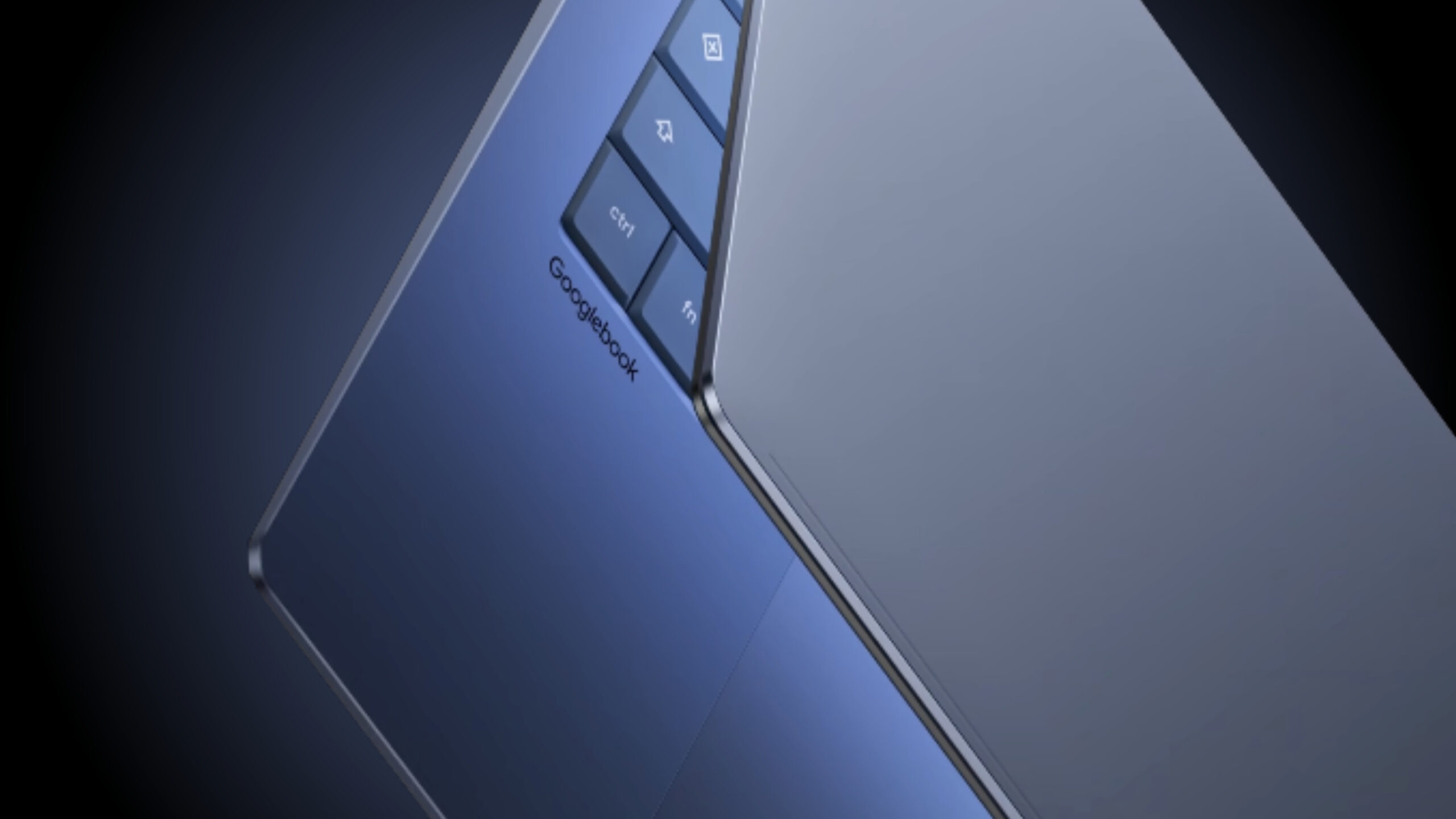
The burgeoning landscape of Google’s ambitious "Googlebook" platform is solidifying, with fresh evidence emerging that Dell is poised to enter the fray with a high-end offering. Leaks from recent Geekbench listings suggest that the renowned Dell XPS 13, a line synonymous with premium design and performance, could be the flagship device to champion Google’s new operating system and hardware initiative. This development, if confirmed, signals a significant step in Google’s strategy to challenge established players in the laptop market by leveraging established premium brands and potentially embracing new silicon architectures.
Unveiling the Dell XPS 13 Googlebook
Recent findings, meticulously pieced together by industry observers such as ChromeUnboxed, point towards an unreleased device identified in Geekbench listings as the "Dell XPS 13 (DX13267)." This designation is particularly noteworthy, as it appears to be the first instance of Dell integrating its prestigious XPS branding with a Googlebook device. The XPS line has historically been a cornerstone of Dell’s premium laptop offerings, celebrated for its minimalist aesthetic, robust build quality, and cutting-edge specifications. The prospect of this pedigree being applied to a Googlebook suggests a strategic intent to position the platform as a serious contender in the premium computing segment.
The benchmark entries themselves offer a glimpse into the potential architecture of this new device. They reportedly reference an internal board codenamed "Mica," a name that has previously surfaced in Chromium development circles and has been strongly associated with hardware utilizing Qualcomm’s upcoming Snapdragon X series processors. This connection is crucial, as it aligns with Google’s broader strategy of diversifying the silicon powering its devices, moving beyond traditional Intel and AMD architectures. Furthermore, the software build referenced in these listings includes mentions of "Android 17 desktop builds," further solidifying the device’s ties to Google’s evolving desktop operating system, internally referred to as "Aluminium OS." This operating system is understood to be a significant reimagining of Android for a desktop environment, aiming to blend the familiarity of Android apps with the productivity features expected from a laptop.
Technical Specifications and Performance Insights
Should the leaked hardware specifications prove accurate, Dell’s inaugural Googlebook would be a formidable machine. It is expected to feature Qualcomm’s high-performance Snapdragon X Elite processor, specifically the X1E-80-100 variant. This chip is designed to compete directly with leading x86 processors, offering significant gains in both CPU and integrated graphics performance, while also emphasizing power efficiency. Complementing the processor, the device is rumored to be equipped with either 16GB or 32GB of LPDDR5X RAM, a memory standard known for its speed and energy efficiency, crucial for a premium mobile computing experience.
The display is also slated to be a highlight, with reports suggesting a 13.4-inch OLED touchscreen boasting a sharp 2,880 x 1,800 resolution. OLED technology is renowned for its vibrant colors, deep blacks, and excellent contrast, which would undoubtedly enhance the visual experience on a premium device. Connectivity is expected to be state-of-the-art, with support for Wi-Fi 7, the latest iteration of wireless networking, promising faster speeds and lower latency. Bluetooth connectivity would also be standard, alongside dual USB-C ports, likely supporting Thunderbolt capabilities for high-speed data transfer and display output.
The Geekbench 6 listings themselves provide some preliminary performance indicators. The reported single-core scores hover around 2,200, while multi-core scores reach upwards of 9,500. While these numbers are encouraging and suggest competitive performance, it is imperative to approach them with a degree of caution. Benchmark results are often obtained from pre-release hardware and software, which may not be fully optimized. Moreover, the ease with which benchmark scores can be manipulated means they should be considered indicative rather than definitive. Nevertheless, these figures place the Snapdragon X Elite on par with or exceeding the performance of many current-generation high-end laptop processors, reinforcing the potential of Googlebooks to deliver a robust computing experience.
A Broader Ecosystem: Lenovo, ASUS, and the Unfolding Timeline
The Dell XPS 13 Googlebook is not an isolated development but rather a piece of a larger, more comprehensive strategy by Google. Recent leaks have already provided insights into what other major manufacturers are preparing. Lenovo has been rumored to be working on its own Googlebook, and ASUS has also been identified as a key partner in this endeavor. This multi-pronged approach, involving multiple established PC manufacturers, suggests Google’s intent to create a diverse ecosystem of Googlebook devices catering to various market segments and price points.
The timeline for these launches remains somewhat fluid, but the consistent stream of leaks points towards an impending rollout. The development of "Aluminium OS" and the increasing integration of Android features into a desktop environment have been ongoing for some time. Early indicators of this project began to surface in developer forums and code repositories, with the "Mica" board and references to Snapdragon X processors appearing in early 2023 and continuing into early 2024. The inclusion of Android 17 builds in recent benchmarks suggests that the underlying operating system is maturing rapidly and is likely nearing a stable release candidate. Industry analysts have speculated that a formal announcement and initial product releases could occur as early as late 2024 or early 2025, with a broader market availability in 2025.
The NVIDIA Factor: A Potential Game-Changer
Beyond the silicon from Qualcomm, a significant and potentially game-changing development in the Googlebook ecosystem could involve NVIDIA. While not directly confirmed in the recent Dell leak, there have been persistent rumors and industry whispers about NVIDIA’s involvement in powering future Googlebook devices. NVIDIA, renowned for its dominance in graphics processing and its growing presence in the AI and data center markets, has also been actively developing ARM-based processors for laptops, notably its Grace CPU.
The integration of NVIDIA’s advanced GPU technology into Googlebooks could offer unparalleled graphics performance, making these devices exceptionally well-suited for demanding tasks such as content creation, gaming, and AI-driven applications. NVIDIA’s expertise in AI acceleration, through its Tensor Cores, could also unlock new capabilities for Googlebooks, enabling on-device AI processing for a wide range of applications, from enhanced productivity tools to sophisticated machine learning workflows. If Google can successfully integrate NVIDIA’s silicon, it would not only elevate the performance ceiling of Googlebooks but also provide a unique selling proposition that differentiates them from devices powered solely by traditional x86 architectures or even Qualcomm’s integrated solutions. This potential partnership could signify a strategic pivot by Google to harness the immense power of NVIDIA’s GPU and AI ecosystem, further solidifying the Googlebook platform as a serious competitor in the premium computing space.
Broader Impact and Implications for the Market
The emergence of premium Googlebooks, particularly under established brands like Dell XPS, carries significant implications for the broader personal computing market. For years, ChromeOS devices have largely occupied the budget to mid-range segments, often perceived as less powerful and versatile than Windows laptops. The introduction of high-performance Googlebooks powered by advanced ARM processors and potentially featuring NVIDIA’s graphical prowess aims to dismantle this perception.
This strategic move by Google could pressure established players like Microsoft and Intel. Microsoft has long dominated the desktop operating system market with Windows, and Intel has been the primary provider of processors for the vast majority of Windows laptops. The success of Googlebooks could force these companies to accelerate their own innovation cycles and potentially reconsider their hardware and software strategies. For Intel, in particular, the increasing adoption of ARM-based processors in the PC market represents a significant challenge to its long-standing market share.
Furthermore, the emphasis on a unified Android ecosystem across mobile and desktop could streamline the user experience for millions of Android users. The ability to seamlessly transition between tasks on a smartphone and a Googlebook, with access to the same familiar app environment, could prove to be a compelling proposition. This integration could also foster a new wave of application development specifically tailored for the desktop Android experience, further enriching the platform.
The success of the Dell XPS 13 Googlebook, and indeed the entire Googlebook initiative, will hinge on several factors: the performance and stability of "Aluminium OS," the optimization of applications for this new environment, and the ability of manufacturers to deliver compelling hardware at competitive price points. However, the indications are clear: Google is investing heavily in its desktop computing future, and with the backing of major hardware partners and potentially groundbreaking silicon from Qualcomm and NVIDIA, the Googlebook is poised to become a significant force in the years to come. The premium aspirations, as evidenced by the potential Dell XPS 13 offering, suggest that Google is not just aiming for a niche market but is targeting the heart of the laptop industry.