Galang Taruna
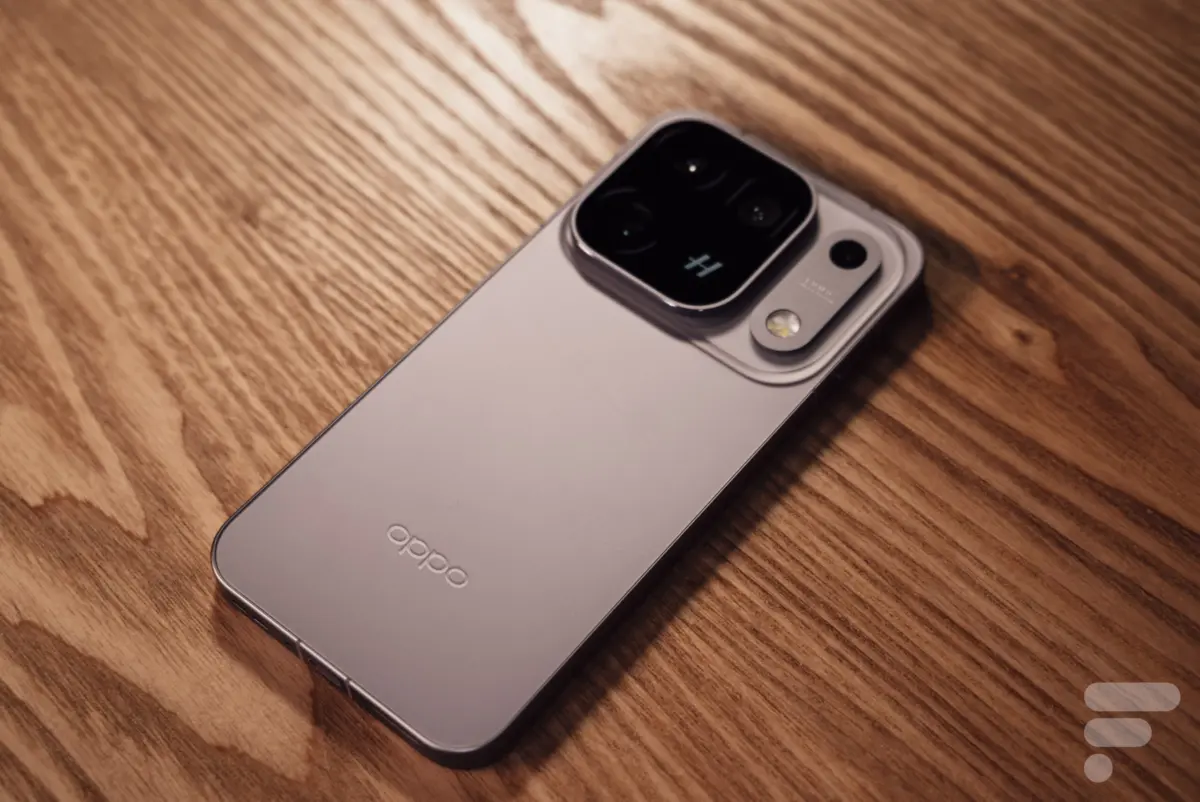
Oppo returns to the forefront of the premium smartphone market with the launch of its ambitious new flagship, the Find X10 Pro Max. Positioned as a bridge between the company’s established Pro and Ultra lines, this device aims to redefine the boundaries of mobile technology, following the well-received Find X9 Pro and the acclaimed Find X9 Ultra. Unveiled on October 26, 2026, the Find X10 Pro Max arrives with an array of groundbreaking features, including the world’s first triple 200-megapixel rear camera system, the pioneering 2nm MediaTek Dimensity 9600 Pro processor, and an impressive 7150 mAh battery. However, its lofty price tag of €1,799 immediately raises questions about whether its innovations can fully justify the investment, especially amidst an ongoing global component crisis driving up costs across the industry.
Innovation at its Core: The Find X10 Pro Max Unveiled
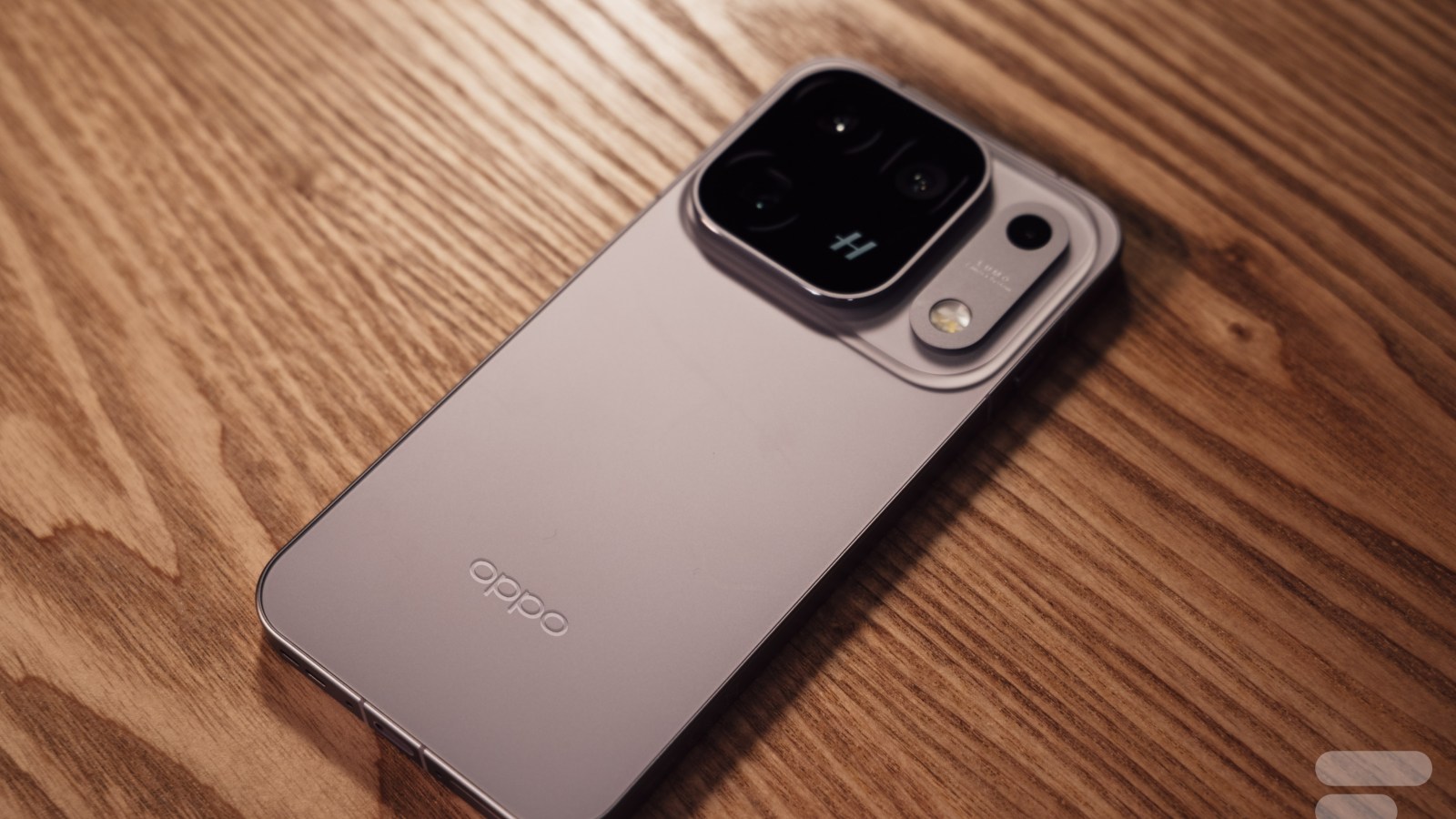
The Oppo Find X10 Pro Max builds upon its predecessors’ design philosophy, maintaining the "Borderless Design" concept that emphasizes minimalism and technological elegance. It subtly nods to the history of photography, with textures and an optical block integration inspired by retro professional cameras. The standout design feature is its rear glass panel, meticulously sculpted from a single piece, which flows seamlessly into the imposing camera module. This continuous surface aims to soften the visual disruption typically caused by camera bumps, creating a fluid, unibody aesthetic reminiscent of Oppo’s earlier Find X3 Pro and Find X5 Pro, which were celebrated for their curved, visually stunning designs.

While the rear embraces curves, the device’s flat aluminum chassis reflects current trends, precisely adjusted to the millimeter. It boasts a fine matte finish and subtly broken edges, enhancing in-hand comfort despite its substantial dimensions. The back glass receives a velvety texture treatment, providing a soft touch and effectively repelling fingerprints. For durability, Oppo partnered with Corning to develop OPPO Crystal Guard Glass, applied to both the front and rear, designed to perform at least as well, if not better, than Gorilla Glass Victus 2.
Measuring 161.32 x 76.57 x 8.40 mm, the Find X10 Pro Max is marginally larger than its predecessor, but its 8.40 mm thickness remains remarkably contained, particularly given the colossal 7150 mAh battery housed within. Weight varies slightly by finish: 228g for the Titanium Grey and 226g for the Luna White. Despite its size, the device offers a comfortable grip, fitting well in the palm without sharp edges. Reviewers noted it felt more manageable than even the iPhone 18 Pro Max, which some consider overly cumbersome.

The front of the device features a completely flat 6.78-inch display, framed by perfectly symmetrical bezels measuring just 1.15 mm on all four sides. The screen retains a 20:9 aspect ratio and incorporates a central punch-hole cutout for the front-facing camera. Ergonomically, the left edge features Oppo’s characteristic "Snap Key," a physical action button present since the Find X8 Pro. By default, it controls the "AI Mind Space" software function: a short press captures a screenshot, a long press records a voice note, and a double press opens the dedicated AI space. Users can, of course, customize it for other functions like sound modes, flashlight, translation, or voice recording.
For unlocking, an ultrasonic 3D in-display fingerprint reader provides fast and accurate authentication. The "Splash Touch" technology ensures screen responsiveness even with wet fingers, a practical enhancement for everyday use. However, the Find X10 series notably omits the dedicated camera button previously found on the right edge. While tactile controls within the camera app or volume buttons suffice for casual photography, the absence of a physical shutter button is particularly felt when using optional accessories like teleconverters, which often benefit from dedicated hardware controls.

Durability and water resistance are paramount for a premium device, and Oppo delivers a robust solution. The Find X10 Pro Max boasts triple certification: IP66 (high-pressure water jets), IP68 (dust and prolonged immersion), and IP69 (high-pressure, high-temperature cleaning). This comprehensive protection is further bolstered by a SGS 5-star certification, validating its overall resistance to drops and impacts. The device comes in two finishes: the monolithic Titanium Grey, with its single-piece sculpted glass back, and the Luna White, which offers a bicolored, dual-texture homage to vintage film cameras, alternating smooth matte glass with a textile-inspired pattern.
A Photographic Revolution: Triple 200MP Sensors and Cinematic Video

The Oppo Find X10 Pro Max makes history as the world’s first smartphone to integrate three 200-megapixel sensors into its rear camera array. This powerful setup includes:
- A 200 MP Main Sensor with DeepPix technology, designed to capture 60% more light without overexposing bright areas, preserving intricate details in both shadows and highlights, and automatically managing up to 17 levels of brightness.
- A 200 MP Ultra-Wide Angle Sensor.
- A 200 MP Telephoto Sensor.
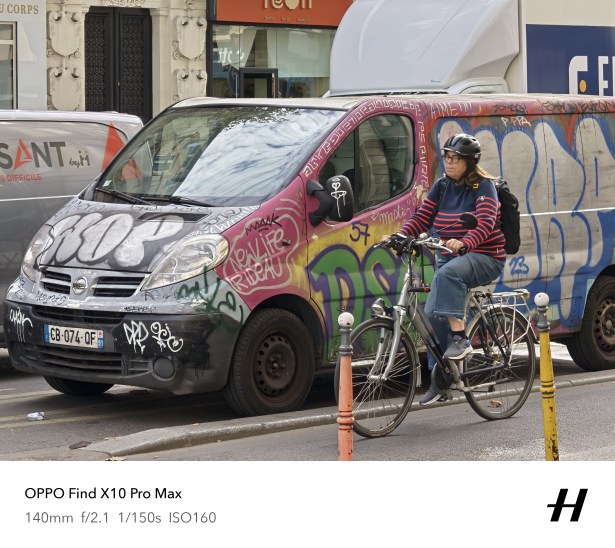
To manage this immense pixel count, Oppo’s guiding principle for the Pro Max is to deliver a "True-to-Life" or hyperrealistic rendering, a philosophy developed in collaboration with Hasselblad through the LUMO True Image Engine. This advanced algorithm is engineered to minimize artificial contour accentuation, aggressive smoothing, and AI-driven noise reduction, thereby preserving natural sharpness and accurate skin tones. Initial comparisons against the Find X9 Pro and Find X9 Ultra indicate that the Find X10 Pro Max performs exceptionally well, often outperforming its predecessors and consistently delivering the most natural image rendition, fulfilling Oppo’s promise. The ultra-wide-angle sensor, in particular, was lauded as a significant winner in comparative tests, offering exceptional sharpness day and night.

For video capabilities, Oppo has harmonized definitions and frame rates across all three sensors. The ultra-wide, wide-angle, and telephoto lenses can all record in 4K at 60fps, 4K at 120fps for slow-motion, and 8K at 30fps. Dolby Vision HDR recording is uniformly supported across all modules, ensuring consistent dynamic range in both bright highlights and deep shadows. The DeepPix technology extends to video, offering up to 17 stops of dynamic range—a level typically found only in professional cinema cameras. The LUMO True Image processing further refines colorimetry for a realistic output.
Demanding videographers will appreciate the "Open Gate Capture" feature within the Pro Video mode, available on all three optics. This function leverages the sensor’s raw surface area, providing a 66% gain in vertical height and a 25% gain in horizontal width compared to conventional formats. This allows for a single take to be cropped later into 16:9, 9:16 vertical, or square formats without degradation. A minor drawback is that electronic stabilization is automatically disabled in Open Gate mode to maximize the field of view, leaving only optical image stabilization (OIS) active, potentially necessitating external stabilization gear.

For advanced color grading, the neutral O-Log2 profile is introduced for 4K (60 and 120fps) and 8K (30fps) recording, complete with real-time 3D LUT preview on the display during shooting. This marks a significant step forward, reinforced by a partnership with Blackmagic Design. The Blackmagic Camera application has been specifically optimized for the Find X10 Pro Max, an Android exclusive, providing access to advanced cinematic settings such as shutter angle, frame rate, white balance, focus peaking, timecode, histogram, and audio VU meters. It natively supports Dolby Vision, O-Log2, and Open Gate, and is slated for availability in November 2026. For extended shoots, Oppo offers the optional Tilta KHRONOS Creator Kit (aluminum cage, ergonomic grip, tripod) equipped with an active cooling fan—a crucial addition given the Find X10 Pro Max’s tendency to heat up under heavy loads.
Under the Hood: Dimensity 9600 Pro and Performance Paradox

The Find X10 Pro Max is one of the first devices to feature MediaTek’s new flagship, the Dimensity 9600 Pro. This high-end chip utilizes TSMC’s N2P 2nm fabrication process, promising enhanced power density and energy efficiency. MediaTek’s "All-Big-Core" architecture, seen in previous Dimensity chips, is retained, eliminating traditional efficient cores. The chip comprises two Ultra-Performance C2-Ultra cores clocked up to 4.55 GHz and six complementary High-Performance cores, each with independent frequency management. MediaTek claims 17% gains in single-core and 15% in multi-core performance, alongside a 61% reduction in multi-core power consumption compared to the Dimensity 9500 in the Find X9 Pro.
The graphics processing unit (GPU) is an Arm Mali-G2 Ultra NX, offering a 27% peak power increase, 24% efficiency improvement, and 18% better hardware Ray Tracing. AI tasks are handled by a Dual-NPU architecture, combining a High-Performance NPU (51% faster pre-filling for LLMs) and a Super Efficient NPU (40% efficiency gain for background tasks). To support this powerful hardware, Oppo equips the Find X10 Pro Max with 12GB of LPDDR5X RAM and 512GB of UFS 4.1 storage, though it’s worth noting the Find X9 Pro offered 16GB of RAM.

The entire system is managed by the "OPPO Laminar Flow Engine," a software optimization layer co-developed with MediaTek. It promises 55% more stable app launches, 50% faster thumbnail display, retention of 20% to 25% more background applications, and a six-year fluidity guarantee (over 90% retained performance even with 90% storage capacity used).
Benchmark results show the Dimensity 9600 Pro flexing its muscles in raw computation. The Find X10 Pro Max rivals devices sporting Snapdragon 8 Elite Gen 5 chips, such as the Find X9 Ultra or the Xiaomi 17 Ultra. While it slightly trails the Find X9 Ultra in CPU performance, it surpasses all competitors in graphics, outperforming even the Snapdragon 8 Elite Gen 6 found in the imported Xiaomi 18 Pro, except for specific 3D tasks.

However, raw power doesn’t tell the whole story. The device’s thermal management system proved to be its Achilles’ heel. Despite Oppo touting a large vapor chamber designed to maintain performance and eliminate thermal throttling during intense use or 8K video recording, stress tests revealed a different reality. A one-hour CPU Throttling Test showed the processor plummeting to 70% of its maximum performance. After just 10 minutes of heavy load, performance drastically dropped, exhibiting unstable frequency fluctuations with a minimum of 44% of overall performance. Internally, the CPU temperature soared to 64°C, and this heat was not contained. Thermal camera readings showed the front display reaching 50.3°C at the top, with an average surface temperature of 47.8°C. The rear hit 47.7°C near the camera island and 45.8°C at the center. At these temperatures, the Find X10 Pro Max becomes uncomfortably hot, almost untenable to handle without a case. In essence, the 2nm fabrication and internal vapor chamber were insufficient to tame the Dimensity 9600 Pro’s heat output under sustained maximum load.
The Visual Feast: An Exquisite LTPO AMOLED Display

The Find X10 Pro Max is equipped with a 6.78-inch LTPO AMOLED display, featuring a 20:9 aspect ratio and a 1.5K resolution of 2772 x 1272 pixels, resulting in a pixel density of 450 ppi—identical to the Find X9 Pro. The LTPO technology dynamically adjusts the refresh rate from 1 Hz to 120 Hz, with a potential boost to 144 Hz for compatible games, ensuring smooth visuals while conserving power.
Oppo highlights new OLED emitter materials that enhance luminous efficiency, reduce harmful blue light, and extend screen lifespan by 30%. The display boasts a typical brightness of 800 nits, a full-screen High Brightness Mode (HBM) peak of 2,000 nits, and an impressive HDR peak of 3,600 nits. The technical specifications also confirm Dolby Vision compatibility, 10-bit color depth (1.07 billion colors), and 95% coverage of the BT.2020 color space. For visual comfort, a hybrid dimming system combines DC Dimming above 70 nits and high-frequency PWM (3,840 Hz) below this threshold, complemented by TÜV Rheinland Intelligent Eye Care certification and AI Adaptive Eye Care alerts for viewing distance.

Extensive testing using a Calibrite ColorChecker Display Plus probe and CalMAN Ultimate software in SDR mode, specifically on the "Natural" profile with the color temperature slider manually adjusted to "Warm" (identified as the optimal setting), revealed an exceptionally well-calibrated OLED panel. Colorimetric accuracy was surgical, with an average Delta E falling below 1, rendering color inaccuracies imperceptible to the naked eye. Grayscale Delta E was equally impressive at 0.90. The white point was perfectly aligned with the D65 reference of 6,500 K, measured at 6,488 K on a 100% white target and 6,505 K across the grayscale. The tonal progression curve (average gamma of 2.251) exhibited remarkable linearity between 20% and 90% gray, ensuring detailed shadows and uncrushed whites.
In terms of brightness, the display adapts flawlessly to various environments. It can drop to 1 nit in complete darkness for comfortable reading and reach 1,030 nits in automatic mode under strong ambient light, ensuring excellent readability even under direct sunlight. The inherent absolute black of OLED technology provides a virtually infinite contrast ratio. While the "Natural" mode intentionally limits its gamut to precisely match the sRGB/Rec.709 space (105% coverage), it covers only 70% of DCI-P3 and 48% of BT.2020. This leads to clipping of highly saturated colors, resulting in an average Delta E of 2.43 on a P3 target (with a peak of 5.21). Nevertheless, for everyday use, web browsing, photo viewing, and standard applications, this calibration remains the optimal choice, avoiding artificial saturation.

ColorOS 17 and the Dawn of Agentic AI
The Find X10 Pro Max ships with ColorOS 17, based on Android 17. Cosmetically, Oppo introduces "Living Flow Design," a new visual language emphasizing purity, translucency, and softness. It incorporates dynamic lighting effects and waves that respond to touch, guiding the user’s gaze for notifications, calls, OPPO Share, and dynamic alerts. Oppo has also optimized how visual elements are rendered, coordinating effects like app openings, window animations, and background blurring to prevent redundant processing, thereby enhancing fluidity, reducing CPU and RAM load, and reserving power for applications.

Security is a key focus, with Oppo stating that all cloud-based functions utilize end-to-end encryption. The AI Call Guard service, which analyzes calls in real-time on the device to detect fraud, is unfortunately not available in all regions, including France.
The major software innovation in ColorOS 17 is "AI Mind Pilot," an agentic AI. Unlike previous smartphone AI that primarily handled queries or simple tasks, AI Mind Pilot aims to manage end-to-end tasks. Oppo achieves this by integrating multiple services and models, including Gemini, ChatGPT, Perplexity, and Manus, combining their capabilities with personal information stored on the phone. For example, when planning a trip, AI Mind Pilot can locate, group, organize, and even rename diverse documents like airline tickets (email), hotel reservations (PDF), train tickets (folder), and restaurant screenshots. The assistant can then use this consolidated information to generate a structured itinerary, a presentation, or even a complete webpage.
AI Mind Pilot relies on ChatGPT or Manus, with an initial credit allocated upon device purchase, requiring subsequent payments. While tests for tasks like planning a weekend getaway proved effective, the AI agent did not automatically pull information from "AI Mind Space," where a significant amount of relevant data had been previously saved, indicating some integration limitations.
Powering the Flagship: A Marathon Battery and Charging Nuances

To power its flagship, Oppo integrates a substantial 7150 mAh silicon-carbon battery, composed of 25% silicon-carbon material. To comply with European regulations on maximum single-cell capacity, the battery adopts a custom dual-cell structure. This combination of high energy density and the complete absence of internal magnets within the chassis allows for such a large capacity while maintaining a contained thickness. The "PowerCore Battery Management Chip" is dedicated to stabilizing the silicon-carbon material’s discharge curve when the reserve is critical, preventing abrupt shutdowns at the end of the battery cycle. Oppo also claims impressive material durability, stating that the Find X10 Pro Max will retain over 80% of its initial capacity after five years of typical use.
Autonomy tests confirmed Oppo’s ambitious claims. The device easily achieves two full days of battery life under typical usage, even without restraint. It narrowly surpasses the OnePlus 15, a previous autonomy champion, and positions itself just behind its larger sibling, the Find X9 Ultra, in a fierce battle for endurance supremacy.

For recharging, the Find X10 Pro Max supports 80W SUPERVOOC wired fast charging. It also supports the universal USB Power Delivery (USB-PD) protocol up to 55W with third-party chargers. Testing with a non-proprietary charger revealed a relatively slow charging speed, taking 1 hour and 40 minutes for a full charge. This is understandable given the massive battery capacity, but users will likely need the official 80W SUPERVOOC charger to experience faster top-ups (7% in 5 min, 26% in 15 min, 55% in 30 min, 79% in 45 min). Wireless charging is handled by Oppo’s proprietary 50W AIRVOOC technology, which requires the official Oppo AIRVOOC 50W magnetic charger paired with one of the brand’s official cases (Quick Sand Shimmer or Super Slim Aramid Fiber), as the phone lacks internal magnets. Finally, the device supports wired and wireless reverse charging to power accessories in a pinch.
Connectivity and Sound: Modern Standards with a Slight Audio Tweak

The Find X10 Pro Max offers comprehensive connectivity, including full 5G compatibility, dual nanoSIM slots, and eSIM support. Network performance on major carriers, such as Orange in Île-de-France, proved flawless. Wi-Fi 7 (802.11be) delivered impressive speeds, with measured throughputs of 2 Gbps download and 900 Mbps upload on a 2.5 Gbps connection via a compatible router like the Xiaomi BE3600 Pro. Bluetooth 6.2 provides high-definition audio transmission up to 24-bit/48kHz with a data rate of 2.3 Mbps, ideally paired with compatible earbuds like the new Oppo Enco X4.
Audio is delivered through stereo speakers located on the top and bottom edges, providing a wide soundstage due to their orientation. However, the audio quality was noted to be slightly less impactful than on the Find X9 Ultra. The highs felt somewhat muted, and the bass presence was diminished, resulting in a less explosive sound profile. Despite this, the overall output remains decent and free of distortion even at high volumes. For recording, the Find X10 Pro Max features four microphones and maintains ambient noise reduction during calls.

The Price of Innovation: A Soaring Cost in a Challenging Market
The most significant hurdle for the Oppo Find X10 Pro Max is its price. At €1,799 for the 512GB model, it approaches the cost of an iPhone 18 Pro Max (€1,879) and surpasses the iPhone 18 Pro (€1,729). This is particularly striking given that Oppo positions it as a successor to the Find X9 Pro, which launched at €1,299. This represents a staggering €500 price increase in just one year—a sum equivalent to a very capable mid-range smartphone like the Nothing Phone (4a) Pro. Furthermore, it is €100 more expensive than the Find X9 Ultra, which launched at €1,699 in April 2026.

This aggressive pricing reflects the ongoing "component crisis" that has plagued the electronics industry, leading to increased manufacturing costs across the board. The trend is not isolated to Oppo; observations from early 2026 product launches, such as Xiaomi’s Redmi Note 17 series, indicate a general stagnation or even regression in value for money in the mid-range, while premium devices see significant price hikes. Industry analysts anticipate that upcoming high-end flagships from competitors like Honor (Magic 9 Pro Max) and Xiaomi (18 Pro Max) will follow a similar pricing trajectory.
In this context, some argue that the Find X9 Ultra, despite being an older model, remains a compelling alternative. Its price has stabilized, and it can be found for under €1,500 at some retailers. The Find X9 Ultra offers a more comprehensive optical zoom with its 10x periscope lens, even better battery life, and impeccable performance without the thermal throttling issues of the Find X10 Pro Max.

Overall Assessment
The Oppo Find X10 Pro Max is a testament to Oppo’s continued commitment to pushing the boundaries of smartphone technology. Its design is sophisticated and comfortable, its display is exceptionally calibrated, and its battery life is truly outstanding, cementing its status as a marathon runner in the premium segment. The triple 200-megapixel camera system is far from a marketing gimmick; it delivers genuinely high-quality, natural images, with the ultra-wide-angle lens being a standout performer. The cinematic video capabilities, enhanced by features like Open Gate Capture and Blackmagic Camera integration, are equally impressive. ColorOS 17, with its refined aesthetic and the introduction of agentic AI via AI Mind Pilot, showcases Oppo’s vision for future user interaction.

However, these advancements come with significant caveats. The MediaTek Dimensity 9600 Pro, while initially powerful, suffers from severe thermal throttling under sustained load, leading to uncomfortable surface temperatures that detract from the user experience. The lack of a physical camera button is a minor but noticeable omission for photography enthusiasts. Most critically, the €1,799 price tag is exorbitant, reflecting broader market pressures but also placing it in a rarefied segment where consumer expectations for perfection are paramount. While the Find X10 Pro Max offers genuine innovation, its thermal performance and high cost make it a challenging proposition compared to its older, yet still highly capable, sibling, the Find X9 Ultra. The Find X10 Pro Max appeals to those prioritizing a groundbreaking camera, exceptional battery life, and the very latest in AI features, but buyers must weigh these benefits against its performance limitations and steep investment.