Galang Taruna
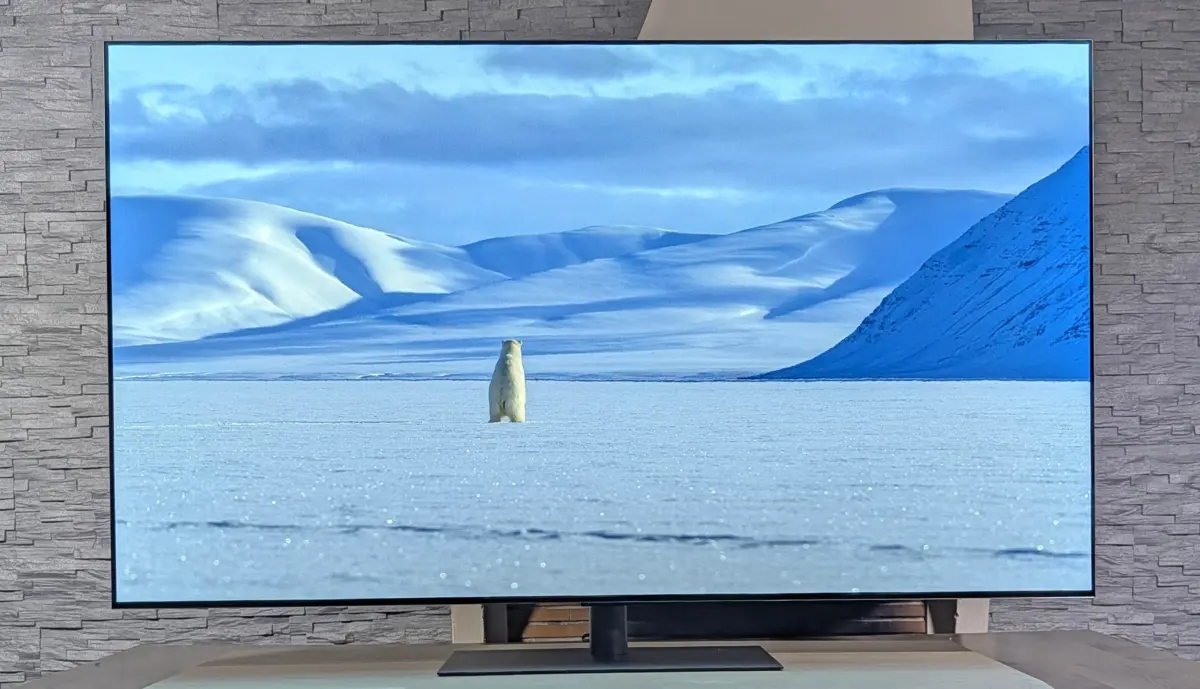
While the allure of colossal displays often dominates the home entertainment market, a significant segment of consumers is discovering the optimal balance of immersion and practicality offered by 48-inch and 50-inch 4K HDR televisions. These sizes, often overlooked in favor of their larger 55-inch and 65-inch counterparts, provide a compelling solution for spaces where grander screens would be overwhelming, all while offering substantial cost efficiencies. This detailed analysis delves into the current landscape of mid-sized premium televisions, examining leading models, technological advancements, and crucial factors for informed consumer decisions.
The Strategic Appeal of Compact Immersion: Why 48-inch and 50-inch TVs Matter
The French living room, much like many across Europe, has witnessed a trend towards larger television sets. However, the practicalities of modern living, characterized by increasingly compact urban dwellings and the desire for secondary entertainment hubs, have underscored the enduring relevance of screen sizes ranging from 48 to 50 inches. A 48-inch television typically features a diagonal measurement of 122 cm, while a 50-inch model extends to 127 cm. These dimensions strike a crucial balance: they are sufficiently large to deliver an engaging 4K viewing experience, yet discreet enough to integrate seamlessly into diverse interior designs without dominating the aesthetic.
Beyond spatial considerations, financial prudence plays a pivotal role. These mid-range sizes are inherently more accessible financially than their larger brethren, making high-end display technologies available to a broader demographic. This accessibility does not compromise technological sophistication; the market is rich with 4K and High Dynamic Range (HDR) capable televisions in this segment, featuring advanced display panels and smart functionalities. The segment caters to a discerning audience that prioritizes optimal viewing conditions within their specific environment and budget.
Evolving Display Innovations: A Timeline of Technological Progress
The journey of television display technology has been one of continuous innovation, culminating in today’s sophisticated 4K HDR offerings. Initially, Cathode Ray Tube (CRT) televisions dominated, followed by the advent of Liquid Crystal Displays (LCDs) which offered flatter profiles. LCD technology saw a significant leap with the introduction of LED backlighting, providing enhanced brightness, contrast, and energy efficiency over traditional fluorescent backlights.
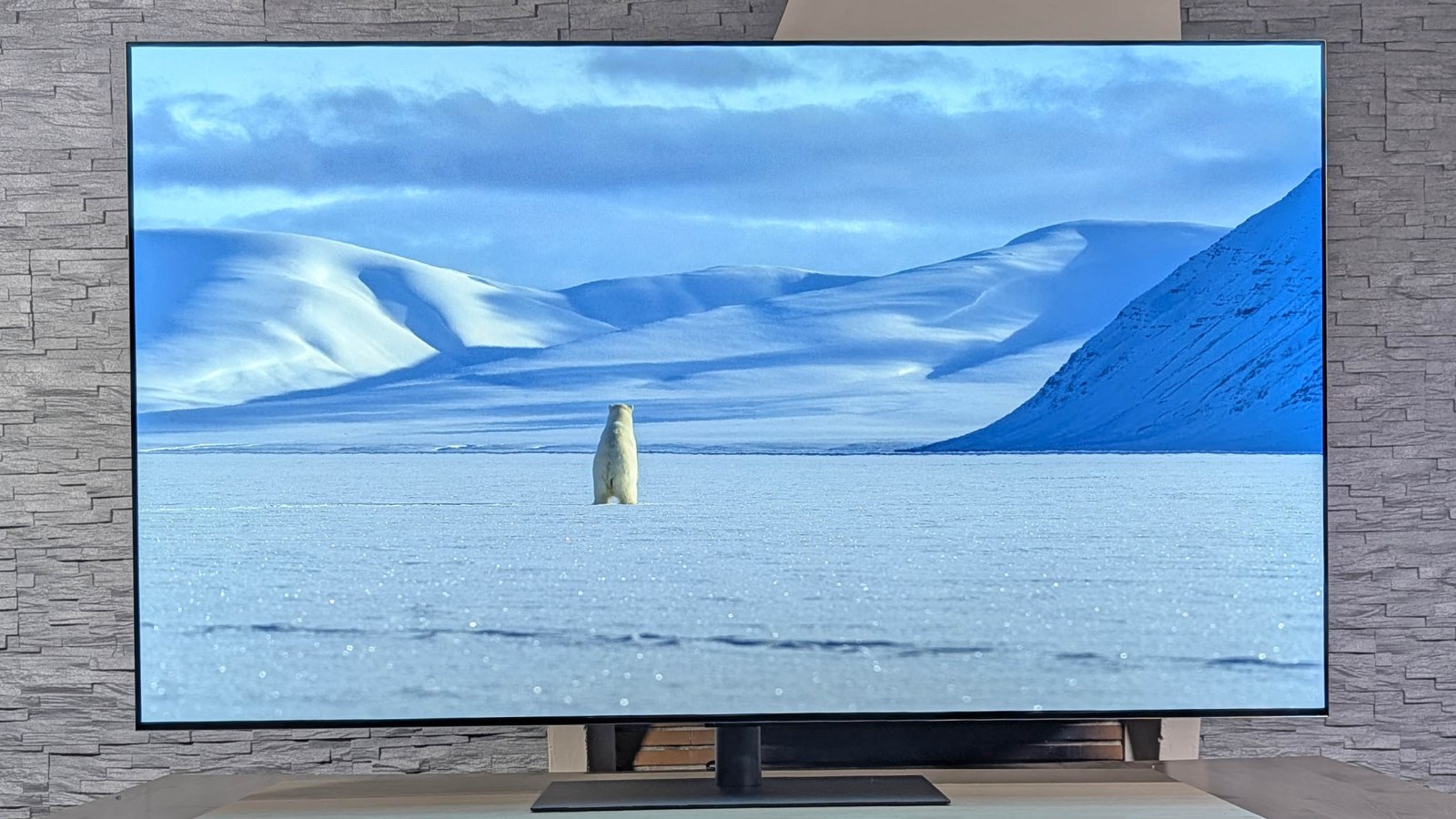
The current paradigm is largely shaped by two dominant technologies: OLED and Mini-LED. OLED (Organic Light-Emitting Diode) technology represents a significant leap forward. Unlike LED-backlit LCDs, OLED panels are self-emissive, meaning each pixel generates its own light. This allows for individual pixel control, resulting in perfect blacks, infinite contrast ratios, and remarkably wide viewing angles. The rapid response times of OLED panels also make them exceptionally well-suited for fast-moving content, such as sports and video games. LG Display has been a primary driver of large-format OLED panel production, pushing the technology into mainstream adoption.
Parallel to OLED’s rise, Mini-LED technology has emerged as a formidable competitor, particularly championed by brands like Samsung under its "Neo QLED" branding. Mini-LED utilizes thousands of minuscule LEDs to form the backlight array, allowing for a far greater number of local dimming zones compared to conventional LED TVs. This precise control over illumination significantly enhances contrast and brightness, mitigating some of the traditional limitations of LCD technology. When combined with Quantum Dot (QLED) layers, Mini-LEDs achieve exceptional color volume and staggering peak brightness levels, making them ideal for HDR content consumption in brightly lit environments.
Key Considerations for 4K HDR Televisions
Before delving into specific recommendations, understanding crucial technical specifications is vital:
- 4K UHD Resolution: With 3840 x 2160 pixels, 4K Ultra High Definition offers four times the resolution of Full HD, providing unparalleled sharpness and detail, especially noticeable on these screen sizes at appropriate viewing distances.
- HDR (High Dynamic Range): HDR dramatically expands the range of both contrast and color, resulting in more lifelike images with brighter whites, deeper blacks, and a wider spectrum of colors. Key formats include HDR10, Dolby Vision (dynamic metadata), and HLG (for broadcast).
- Refresh Rate (Hz): This indicates how many times per second the image on the screen is refreshed. A 60Hz panel is standard, while a 120Hz native panel offers smoother motion, which is particularly beneficial for fast-paced video games and sports.
- Input Lag: Measured in milliseconds (ms), input lag is the delay between an action on a controller and its appearance on screen. Lower input lag (typically below 20ms) is crucial for a responsive gaming experience.
- Smart TV Platforms: Modern TVs integrate smart operating systems like LG’s WebOS, Samsung’s TizenOS, and Google TV. These platforms provide access to a vast array of streaming applications, voice assistants, and seamless integration with other smart home devices.
- Connectivity: HDMI 2.1 ports are increasingly important, offering features like Auto Low Latency Mode (ALLM), Variable Refresh Rate (VRR), and Enhanced Audio Return Channel (eARC) for next-generation gaming consoles and high-fidelity audio.
Top Recommendations: Navigating the 48-inch and 50-inch Market
Based on extensive testing and performance analysis, here are some of the most compelling 48-inch and 50-inch 4K HDR televisions currently available, catering to various preferences and budgets.
1. LG OLED G6 (48-inch): The Pinnacle of 48-inch OLED Performance

Positioned as the leading contender in the 48-inch segment, the LG OLED G6 (assuming a future model or representative of LG’s premium G-series OLEDs for this size) exemplifies a fusion of exquisite design and cutting-edge display technology. Its premium construction, characterized by elegant finishes and a stable central stand, seamlessly blends into sophisticated living environments. Furthermore, its VESA compatibility allows for easy wall-mounting, offering flexible placement options.
At its core, the G6 boasts an advanced OLED Evo panel, further enhanced by a proprietary fourth layer known as Primary RGB Tandem. While the 48-inch variant exhibits a slightly different pixel organization compared to its larger siblings, potentially leading to a marginal reduction in peak brightness, its fundamental OLED advantages remain paramount. Viewers are treated to exceptional viewing angles, ensuring consistent picture quality regardless of seating position, and unparalleled depth of blacks, which are crucial for stunning contrast. Our comprehensive tests, conducted on a 65-inch version (acknowledging performance variations for the 48-inch model), confirmed strong overall brightness and vibrant, accurate color reproduction. Gaming enthusiasts will appreciate the remarkably low input lag of 9.2 ms, ensuring highly responsive gameplay. The television runs on LG’s intuitive WebOS platform, renowned for its clear menus and extensive application ecosystem, facilitating a smooth and enjoyable user experience. Priced at approximately €1799 for the 48-inch model, the LG OLED G6 is a premium investment for those seeking uncompromising image quality and a feature-rich smart TV experience in a compact form factor.
2. LG OLED C5 (48-inch): The Balanced OLED Powerhouse
LG’s C-series has consistently set the benchmark for outstanding value in the OLED market, and the OLED C5 continues this tradition. It maintains the effective and minimalist design language of previous generations, offering a sleek aesthetic that complements any modern interior. The core of its appeal lies in its high-quality OLED panel, a testament to LG’s expertise. This panel delivers exceptionally wide viewing angles and the characteristic deep, inky blacks that OLED technology is celebrated for.
The C5 is fully compatible with leading HDR formats, including HDR10 and Dolby Vision, ensuring a cinematic experience with enhanced contrast and color accuracy. For the burgeoning gaming community, the C5 is a standout choice, incorporating a suite of essential gaming features: Auto Low Latency Mode (ALLM) for automatic input lag reduction, and support for both NVIDIA G-Sync and AMD FreeSync for tear-free, fluid gameplay across compatible devices. Powering the smart functionalities is WebOS, providing an intuitive interface and a comprehensive suite of streaming applications. With its 48-inch diagonal, the C5 offers a more accessible entry point into premium OLED technology, making it an ideal choice for discerning consumers who prioritize a blend of top-tier performance, advanced features, and a more approachable price point. Our detailed review of the LG OLED C6 (a previous generation, indicating the consistency of the C-series) further elaborates on the strengths of this line.
3. Samsung QN90F (50-inch): A Bright and Bold Mini-LED Experience
The Samsung QN90F series distinguishes itself with its innovative Mini-LED and Neo QLED technologies, offering a compelling alternative to OLED, particularly for those who prioritize extreme brightness. Its design is resolutely premium, featuring high-quality finishes that allow it to integrate elegantly into any room. The comprehensive connectivity options ensure versatility for various media setups.

The display combines a Neo QLED panel with Mini-LED backlighting, delivering an Ultra HD resolution. A standout feature is the Glare Free anti-reflective coating, which significantly minimizes distracting reflections, making it an excellent choice for viewing in brightly lit environments. The QN90F offers a range of picture modes, including Standard, Dynamic, Cinema, Filmmaker Mode, and a dedicated Game mode, allowing users to tailor the viewing experience. Our measurements, conducted in Filmmaker Mode, revealed an average Delta E of 4.55 and a color temperature of 8228 K. While these figures suggest a colorimetry that is less faithful to professional calibration standards compared to some competitors (often leaning towards a cooler tone), they are a trade-off for its astonishing brightness. We recorded a peak luminance of 2477 cd/m², which translates to an incredibly impactful HDR experience, particularly for content mastered for high brightness. For gamers, the input lag of 9.8 ms in Game Mode ensures a highly responsive experience. TizenOS, Samsung’s smart TV platform, manages the overall animation, known for its rich multimedia offerings and user-friendly interface. Available at €1499 for the 50-inch version, the QN90F is an excellent choice for users seeking a highly bright, anti-glare display with robust smart features and gaming capabilities.
4. Haier H50S80GUX (50-inch): The Affordable QLED with Surprising Color Accuracy
For consumers seeking an excellent 50-inch 4K television without breaking the bank, the Haier H50S80GUX presents a remarkable value proposition at just €400. This QLED model judiciously prioritizes color accuracy over sheer brightness, making it a compelling option for cinematic viewing. Out of the box, in its Film and User modes, the H50S80GUX delivered surprisingly faithful colorimetry, requiring minimal pre-adjustment. This plug-and-play accuracy is a significant advantage for budget-conscious users who may not wish to delve into complex calibration settings.
The television’s luminance remains stable due to the absence of zoned backlighting. However, this design choice inherently limits its peak brightness, which caps at a modest 320 cd/m². While sufficient for general viewing, this lower luminance will impact the vibrancy and impact of HDR content compared to brighter, more expensive models. On the gaming front, the inclusion of two HDMI 2.1 ports compatible with 120 Hz via DLG (Display Stream Compression) is a welcome feature. However, the default latency proved to be quite high, necessitating manual adjustments for optimal gaming performance. Furthermore, the integrated audio system exhibits a noticeable lack of bass, making the addition of an external soundbar a recommended upgrade for a more immersive audio experience. Despite these limitations, the Haier H50S80GUX remains a pertinent choice for cinema enthusiasts who value natural image rendering and an accessible price point, particularly for viewing in moderately lit or darker rooms.
5. Sony Bravia 3 II (50-inch): Balanced 4K with Gaming Prowess
The Sony Bravia 3 II stands out as a balanced 4K television that impresses with its exceptional image processing, driven by Sony’s acclaimed XR processor. This intelligent processor ensures high-level upscaling, transforming lower-resolution content into near-4K clarity, a significant advantage given the varied quality of broadcast and streaming media. Positioned within the mid-range, this model boasts impressive specifications, including four HDMI 2.1 ports and a native 120Hz panel. This makes it a strong contender for console gamers, who will also benefit from its very low input lag, ensuring a highly responsive gaming experience.
The integrated Google TV system, enhanced by the Gemini assistant, provides a fluid and intuitive navigation experience, offering access to a wide range of applications and smart features. An effective anti-reflective treatment further enhances its usability, helping to mitigate the impact of its somewhat disappointing brightness in well-lit rooms. However, the television’s performance is somewhat tempered by its LCD panel design, which utilizes a Direct LED backlight but notably lacks local dimming. This absence results in blacks that tend towards grey and a noticeable lack of depth in shadowy scenes, which can diminish the cinematic impact during dark-room viewing sessions. Despite this, the Sony Bravia 3 II remains an excellent choice for watching sports, general television, or gaming during the day, appealing to users who prioritize superior image processing, smart functionalities, and gaming performance.

Strategic Implications and Consumer Guidance
The landscape of 48-inch and 50-inch televisions highlights a fascinating interplay between technological capabilities, manufacturing economics, and evolving consumer preferences.
The "Small OLED" Conundrum: The relative scarcity of smaller OLED televisions (below 55 inches) is primarily due to a confluence of economic and technical factors. Economically, the demand for premium, smaller OLEDs has historically been lower compared to larger screens, as consumers seeking the ultimate image quality often gravitate towards the largest possible size for maximum immersion. Technically, the production process for OLED panels, which involves cutting multiple screens from a large "mother glass" substrate, is optimized for efficiency with larger panel sizes. Producing smaller panels can lead to less efficient use of the mother glass, potentially increasing the unit cost, which is then passed on to the consumer. LG, as the primary producer of large-format OLED panels, has strategically invested in offering 48-inch OLEDs since 2020, effectively creating and catering to this niche market.
The Rise of Mini-LED: For brands like Samsung, Mini-LED technology provides a compelling strategic alternative. It offers many of the benefits of OLED, such as high contrast and vibrant colors, while surpassing OLED in peak brightness. This makes Mini-LED TVs particularly attractive to consumers who watch content in brightly lit rooms or who have concerns (albeit largely mitigated in modern OLEDs) about potential burn-in.
Democratization of Features: The entry of brands like Haier demonstrates a clear trend towards democratizing advanced display technologies. By offering QLED panels and integrated Google TV at highly competitive price points, these manufacturers are making high-quality visual experiences accessible to a broader audience, albeit with some necessary trade-offs in ultimate performance metrics like peak brightness or audio quality.
Optimal Viewing Distance and Room Integration
A common question for prospective buyers revolves around the ideal viewing distance. A simple rule of thumb for 4K TVs is to allow approximately 4.5 cm of distance per inch of screen diagonal. For a 50-inch television, this translates to an optimal viewing distance of roughly 2.25 meters (approximately 7.4 feet). Adhering to this guideline ensures a fully immersive experience without eye strain, allowing viewers to appreciate the full detail of 4K content. However, this is a recommendation, and personal preferences, as well as room constraints, can lead to slight adjustments.

Aesthetically, the 48-inch and 50-inch sizes offer greater flexibility for integration. Their moderate dimensions mean they can be easily placed on media consoles or wall-mounted using VESA-compliant brackets, providing a clean and contemporary look without overwhelming the living space.
Conclusion: A Smart Choice for Discerning Viewers
The 48-inch and 50-inch 4K HDR television segment is far from being a compromise; it represents a smart and sophisticated choice for a significant portion of the market. These televisions offer a compelling blend of high-definition immersion, cutting-edge display technologies (OLED, Mini-LED, QLED), robust smart features, and excellent gaming capabilities, all within a practical footprint and often at a more accessible price point. Whether prioritizing the perfect blacks of OLED, the extreme brightness of Mini-LED, or the balanced value of QLED, consumers have a diverse array of high-quality options. As display technology continues to evolve, these mid-sized screens will undoubtedly remain a vital and innovative category, catering to the evolving demands of modern home entertainment.