Vera Intan Clara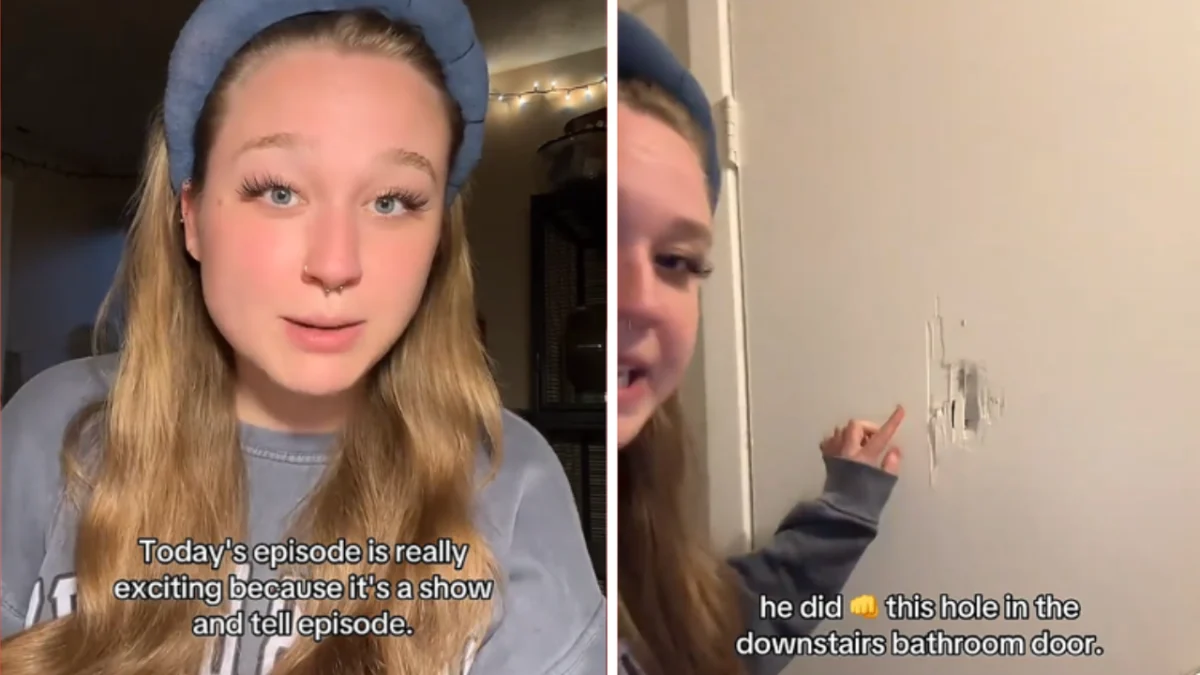
The digital landscape has once again proven its capacity to transform personal narratives into widespread social phenomena, as Kristen, known by her TikTok handle @lil_tachy, has amassed a significant following with her candid "storytime" series. Spanning over 60 installments, her videos delve into the intricate and often distressing experiences with a former partner, whom she pseudonymously refers to as "Quinoa." This series, characterized by its blend of raw emotion and a surprising undercurrent of humor, has resonated deeply with a global audience, sparking conversations around manipulative relationships, gaslighting, and the therapeutic power of sharing one’s truth online. At the core of this viral sensation is a particularly compelling anecdote detailing an incident where "Quinoa" allegedly fabricated a story to conceal his own misdeed, attempting to pin the blame for a damaged wall in their shared residence on Kristen’s brother. The revelation of this deception, meticulously recounted by Kristen, not only garnered over 43,000 likes and 255 comments on a single video but also underscored the pervasive themes of trust, accountability, and the often-subtle complexities of interpersonal deceit.
The Rise of Storytime: TikTok as a Platform for Personal Narratives
TikTok, originally known for its short-form video content centered on dance challenges and comedic skits, has evolved into a powerful platform for long-form, narrative-driven content. "Storytime" videos, where creators recount personal anecdotes, life experiences, or dramatic events, have become a cornerstone of the app’s diverse ecosystem. This format allows creators to build a serialized narrative, fostering a loyal community of viewers who return for updates and discussions. The appeal lies in the authenticity and relatability of these stories, often touching on universal human experiences such as love, heartbreak, betrayal, and resilience. For creators like Kristen, TikTok offers an unparalleled opportunity to share their experiences with a vast, engaged audience, transforming private struggles into public dialogues. The use of pseudonyms, such as "Quinoa," is a common practice in these narratives, allowing creators to maintain a degree of anonymity for themselves and those involved, while still sharing the emotional core of their experiences. This balance between disclosure and privacy is crucial in navigating the ethical considerations of broadcasting personal lives to millions.
Unraveling the Wall Incident: A Chronological Account of Deception
The specific incident involving the damaged wall serves as a microcosm of the alleged manipulative patterns Kristen experienced throughout her relationship with "Quinoa." The narrative unfolds with a meticulous chronology, beginning before Kristen and her ex-boyfriend ever moved into the condo.
Pre-Tenancy Context: The property, owned by Kristen’s aunt, initially served as a temporary residence for Kristen’s brother. He had been facing personal challenges, including a period of probation, and struggled to secure suitable housing. In an act of familial support, their aunt purchased the condo specifically to provide him with a stable environment. During his occupancy, the brother, reportedly grappling with his own issues, did indeed cause damage to the property, including punching a hole in a wall. This pre-existing knowledge of her brother’s past actions and the condition of the condo became a critical element in the subsequent deception.
The Shared Residence and Discovery: Sometime after her brother moved out, Kristen and "Quinoa" began living in the condo. It was during their cohabitation that Kristen discovered a new, distinct hole in a different wall within the property. The discovery prompted a conversation, and "Quinoa," when confronted, vehemently denied any involvement.
The Fabrication and Initial Belief: Instead of admitting culpability, "Quinoa" allegedly seized upon the historical context of Kristen’s brother’s previous residency and past destructive behavior. He asserted that the new damage was, in fact, an old one, a relic from her brother’s time in the condo. Given her brother’s documented history of punching holes in walls and the aunt’s generous provision of the living space during a difficult period, Kristen, though perhaps harboring initial doubts, found herself inclined to believe "Quinoa’s" explanation. The confluence of her ex-boyfriend’s steadfast denial and the plausible (though ultimately false) connection to her brother’s past actions made the lie initially convincing. This moment highlights the insidious nature of gaslighting, where a victim’s reality is systematically undermined through manipulation, making them question their own perceptions and memories.
The Breakup and The Truth Unveiled: The turning point in this narrative came after Kristen and "Quinoa" ended their relationship, and he subsequently moved out of the condo. With the property now vacant, Kristen’s aunt conducted a routine inspection. It was during this assessment that the aunt, equipped with records or perhaps having a keen memory of the property’s condition, had undeniable evidence that contradicted "Quinoa’s" story. Footage or photographic evidence, presumably taken before Kristen and "Quinoa" moved in, clearly demonstrated that the specific hole in question was not present at that time. This irrefutable proof exposed "Quinoa’s" elaborate deception, confirming that he had deliberately lied to Kristen and that her brother was innocent of this particular act of vandalism. For Kristen, this revelation served as a painful but clarifying moment, solidifying her understanding of her ex-boyfriend’s character and his propensity for dishonesty.
The Psychology of "Quinoa": Understanding Gaslighting and Manipulation
The incident with the wall is emblematic of a broader pattern of behavior often associated with manipulative individuals, specifically gaslighting. Gaslighting is a form of psychological manipulation in which a person or a group covertly sows seeds of doubt in a targeted individual, making them question their own memory, perception, or sanity. Manipulators use denial, misdirection, contradiction, and lying to destabilize the victim and delegitimize the victim’s beliefs. In this context, "Quinoa’s" alleged actions—denying responsibility, blaming another party, and exploiting a pre-existing vulnerability (Kristen’s brother’s past behavior)—align perfectly with the tactics of gaslighting.
The impact of such behavior can be profound, leading to confusion, anxiety, and a diminished sense of self-worth for the victim. Kristen’s initial acceptance of "Quinoa’s" lie, despite an underlying sense of unease, illustrates how effective these manipulative strategies can be. The eventual discovery of the truth, backed by objective evidence, provides a crucial moment of clarity and validation for the victim, allowing them to reconstruct their reality and understand the extent of the deception.
Echoes from the Digital Crowd: Community Engagement and Shared Experiences
Kristen’s TikTok series thrives on the dynamic interaction with her audience. The comments section of her videos transforms into a forum for shared experiences, empathetic support, and collective analysis of manipulative relationships. The reactions to the wall incident video were particularly telling, reflecting a mix of shock, solidarity, and even dark humor, which Kristen herself often employs as a coping mechanism.
Followers expressed a deep connection to Kristen’s storytelling style, praising her ability to navigate serious subject matter with an engaging, often humorous, delivery. One commenter articulated this sentiment perfectly, stating, "Girl I know this is such a serious subject matter and I hope I’m not being insensitive but damn. you’re actually so effing funny, the intro killed me and we really do be both laughing and crying during this series." This feedback underscores the therapeutic aspect of humor in processing trauma and the appeal of authenticity in online content.
A recurring theme in the comments was the collective questioning of "Quinoa’s" overall honesty. Queries such as "Did that boy EVER tell the truth? Like…ever????" and "Will the gaslighting never cease with this man?" reflect a shared understanding among viewers of the persistent nature of manipulative behavior. These comments provide validation for Kristen’s experiences, transforming her individual story into a collective narrative against deceit.
While the primary focus was on "Quinoa’s" actions, some commenters also offered observations on other aspects of the story. One individual critically noted, "I’m sorry but your brother punching a hole in the bathroom wall of your generous aunt’s condo and not patching it up before leaving it is very disrespectful imo." This comment, while secondary to the main narrative, highlights the multifaceted nature of interpersonal dynamics and the diverse perspectives an audience brings to online storytelling. The collective hope expressed by many that "Quinoa" might be watching the videos speaks to a desire for accountability and perhaps even a form of poetic justice.
Broader Implications: Trust, Transparency, and Online Narratives
Kristen’s viral series, like many other "storytime" phenomena, carries significant broader implications for how individuals navigate trust, transparency, and personal narratives in the digital age.
The Power of Digital Storytelling: These platforms empower individuals to reclaim their narratives and share their truths, often after experiencing silencing or invalidation in their personal lives. For many victims of manipulation and abuse, telling their story publicly, even pseudonymously, can be a crucial step in healing and finding a voice. It also fosters a sense of community among those who have similar experiences, breaking down feelings of isolation.
Verification Challenges and Media Literacy: It is crucial to acknowledge, as The Daily Dot did in its original report, that events described in user-generated content, particularly personal anecdotes, are based solely on the account of the creator. Independent verification is often impossible, posing a challenge for traditional journalism and highlighting the importance of media literacy for consumers of online content. Audiences are encouraged to engage critically with such narratives, understanding that they represent one perspective, albeit a powerful and often resonant one.
Societal Awareness of Manipulative Behaviors: The widespread sharing and discussion of stories like Kristen’s contribute significantly to raising societal awareness about the subtle and overt signs of manipulative behaviors, particularly gaslighting. By bringing these often-hidden dynamics into the public consciousness, such narratives can empower individuals to recognize and address toxic patterns in their own relationships, fostering healthier interpersonal interactions.
Ethical Considerations in Digital Storytelling: While empowering, sharing deeply personal stories online also raises ethical questions about privacy, consent, and the potential impact on all parties involved. The use of pseudonyms, as seen with "Quinoa," is an attempt to mitigate some of these concerns, but the public nature of the content means that the stories, and the individuals within them, become subjects of public scrutiny and discussion. This balance between a creator’s right to tell their story and the potential implications for others remains a complex aspect of the digital storytelling landscape.
Conclusion
Kristen’s "Quinoa" series on TikTok transcends mere entertainment, evolving into a poignant exploration of human vulnerability, resilience, and the enduring quest for truth. The specific incident of the wall, initially a small deception, becomes a powerful symbol of the larger manipulative patterns that characterized her past relationship. Through her candid storytelling and the supportive community it has fostered, Kristen has not only found a platform for her own healing but has also contributed to a broader societal dialogue on the complexities of trust, the insidious nature of gaslighting, and the transformative power of sharing one’s narrative in the digital age. As these stories continue to proliferate across social media, they underscore the evolving role of platforms like TikTok in shaping public discourse and providing a vital space for collective understanding and emotional solidarity.