Metty Iskandar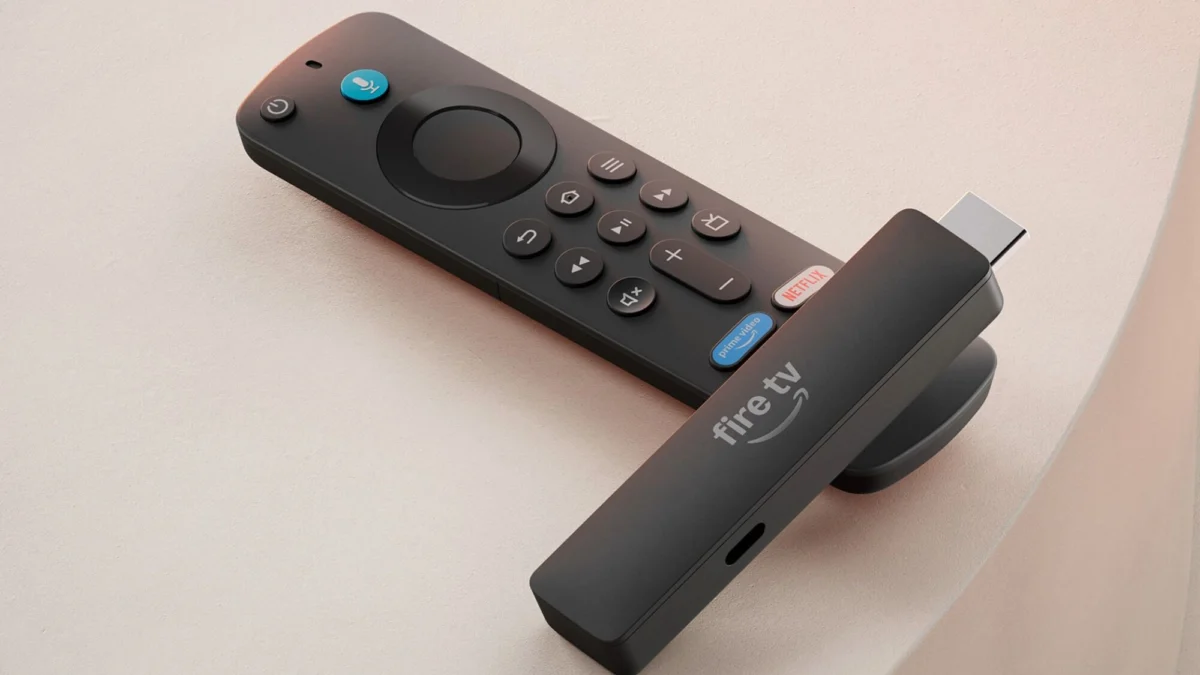
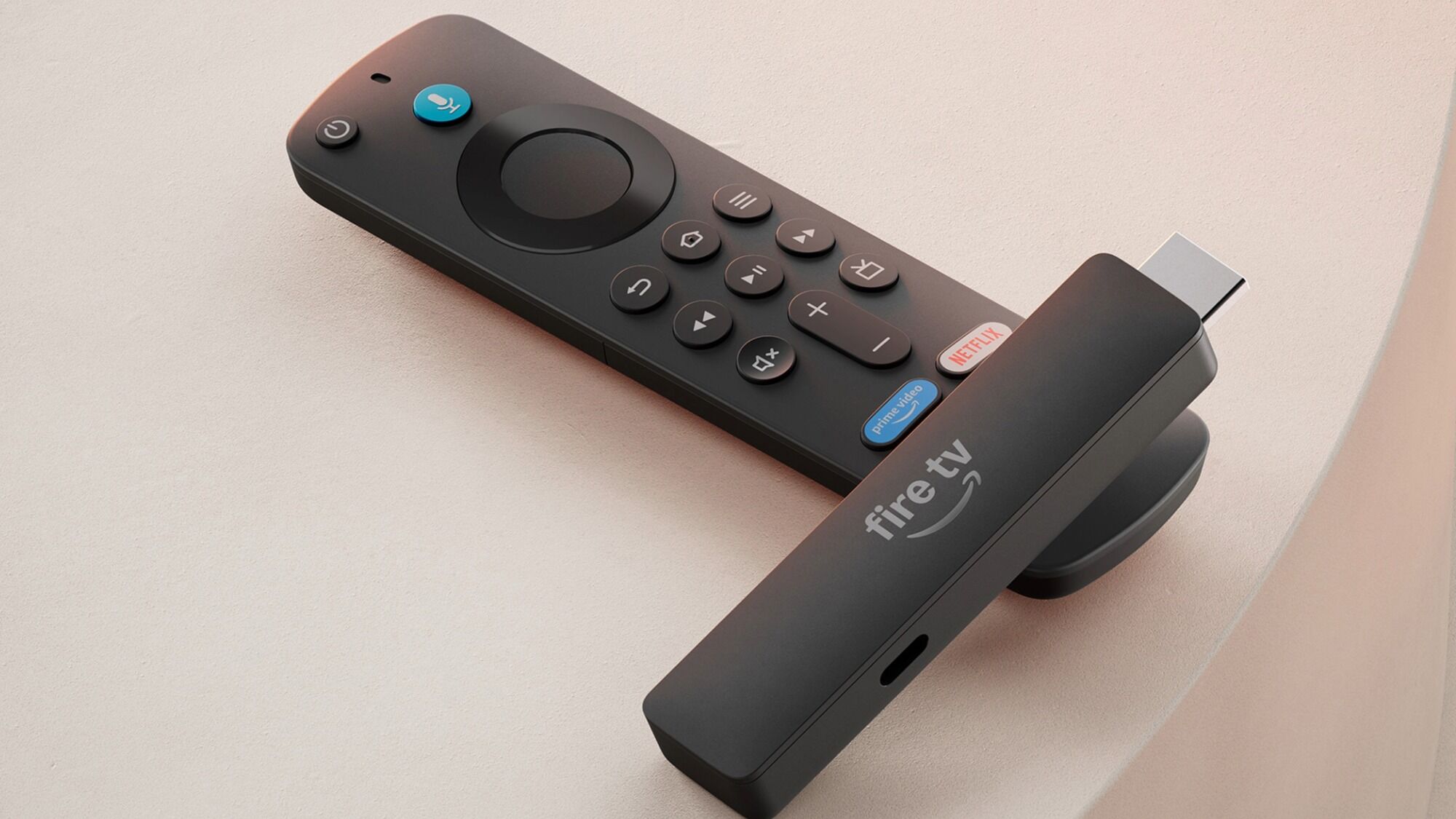
Amazon has officially launched its latest streaming device, the Fire TV Stick HD, marking a significant shift with its integration of Vega OS, the company’s proprietary Linux-based operating system. This move away from Fire OS, a fork of Android, has immediately raised questions among consumers and tech enthusiasts regarding app compatibility and the future of sideloading. In response to potential user concerns, Amazon has begun issuing prominent warnings on the product’s pre-order page, explicitly stating that the new device will prevent the installation of apps from unknown sources, limiting users to the official Amazon Appstore. This proactive communication strategy comes alongside a broader announcement of extended software support for a wide array of current Fire TV products, signaling a dual focus on embracing new technology while reassuring its existing customer base.
The Arrival of Vega OS and Shifting App Ecosystem
The Fire TV Stick HD represents Amazon’s second foray into devices powered by Vega OS, a departure that underscores the company’s strategy to diversify its software ecosystem. While Vega OS promises enhanced security and potentially a more streamlined user experience, its open-source roots, derived from Linux, have also sparked speculation about its long-term development and compatibility with the vast Android application library that many Fire TV users have come to rely on.
Historically, Amazon’s Fire TV devices, built on Fire OS, have offered a degree of flexibility for users who wished to install applications not available in the official Amazon Appstore. This practice, known as sideloading, has been a popular workaround for accessing a wider range of media players, emulators, and niche applications. However, the explicit warning on the Fire TV Stick HD’s pre-order page directly addresses and, in effect, forecloses this possibility. The message, visible to some shoppers navigating the product’s online listing, states: "For enhanced security, this device prevents sideloading or installing apps from unknown sources. Only apps from the Amazon Appstore are available for download." This clear directive aims to manage user expectations from the outset, emphasizing a more controlled and secure app environment.
The inconsistency in the warning’s visibility – with some users reporting its presence and others not seeing it – suggests a phased rollout or a targeted communication strategy. This ambiguity, however, can contribute to user apprehension, as it implies that the enforcement of these restrictions might not be uniform or immediately apparent to all potential buyers. The implication is that Amazon is keen to avoid the perception of a sudden, unexpected restriction on user freedom, opting instead for a transparent, albeit potentially staggered, disclosure.
Extended Support for Fire TV Hardware: A Strategic Move
In a move that offers significant reassurance to its existing user base, Amazon has concurrently announced an extension of software support for a substantial portfolio of its Fire TV devices. This commitment ensures that a broad range of hardware will continue to receive crucial compatibility and security updates until December 31, 2030. This forward-looking policy addresses potential anxieties about device obsolescence, particularly in the fast-paced world of consumer electronics.
The devices included in this extended support umbrella represent a significant portion of Amazon’s Fire TV offerings, indicating a strategic effort to maintain customer loyalty and satisfaction across its product lines. While specific models are not exhaustively listed in the provided information, the announcement generally covers a wide spectrum of streaming sticks and smart TVs, reinforcing Amazon’s dedication to its established Fire TV ecosystem.
An important exception to this broad commitment is the original Fire TV Stick 4K. This particular device will receive continued support until December 31, 2029, a year less than the majority of other eligible products. This distinction may reflect the device’s age or its specific technical architecture relative to newer models.
This proactive stance on extended support stands in contrast to recent notifications from Amazon regarding the discontinuation of support for older Kindle e-readers. In May 2026, Amazon began phasing out support for several older Kindle models, including the first and second-generation Kindle, Kindle DX and DX Graphite, Kindle Keyboard, Kindle 4, Kindle Touch, Kindle 5, and the first-generation Kindle Paperwhite. This divergence in support policies highlights a potential strategic prioritization, with Amazon focusing its ongoing software development and security resources on its more rapidly evolving entertainment platforms like Fire TV, while potentially sunsetting support for legacy devices in its reading division.
Implications of the Vega OS Transition
The shift to Vega OS and the explicit restriction on sideloading carry several significant implications for the Fire TV user experience and the broader streaming device market.
For Users:
- Reduced Flexibility: The most immediate impact is the loss of flexibility for users who relied on sideloading for accessing a wider array of applications. This may inconvenience those who use custom media players, emulators for retro gaming, or specialized productivity tools not found in the Amazon Appstore.
- Enhanced Security and Simplicity: Conversely, for users who prioritize a secure and straightforward streaming experience, the restriction on sideloading could be viewed as a positive development. It minimizes the risk of users inadvertently downloading malware or encountering app instability due to unverified sources. The curated nature of the Amazon Appstore ensures a level of quality control and security.
- Potential for a More Optimized Ecosystem: By controlling the app distribution channel, Amazon can potentially optimize Vega OS and its applications for a more seamless and performant user experience. This could lead to faster app launches, smoother navigation, and better integration with other Amazon services.
For Developers:
- Focus on the Amazon Appstore: Developers will need to ensure their applications are available and compliant with the Amazon Appstore guidelines. This could lead to a more focused development effort on leveraging the platform’s capabilities.
- Opportunity for New Apps: The transition to a new OS could also present opportunities for developers to create innovative applications specifically tailored for Vega OS, potentially taking advantage of new features or performance enhancements.
For the Market:
- Increased Competition: Amazon’s move could intensify competition in the streaming device market, particularly as other manufacturers may continue to offer more open platforms or greater flexibility in app installation.
- Evolving OS Strategies: The success or challenges of Vega OS could influence how other tech giants approach their own operating system development for connected devices, potentially leading to more proprietary or more open ecosystems.
Background and Chronology of Events
The announcement of the Fire TV Stick HD and its Vega OS integration follows a period of increasing investment by Amazon in its own proprietary software and hardware. The development of Vega OS has been an ongoing project, aimed at reducing reliance on Android’s AOSP (Android Open Source Project) and providing Amazon with greater control over its software stack.
- Early 2024 (Estimated): Development of Vega OS, Amazon’s custom Linux-based operating system, progresses.
- Late April 2026: Amazon officially announces the new Fire TV Stick HD, revealing its integration with Vega OS.
- Concurrent with Announcement: Pre-order pages for the Fire TV Stick HD begin to display warnings about the inability to sideload apps from unknown sources. Some users report seeing the warning, while others do not, suggesting a phased rollout.
- Mid-May 2026: Amazon begins notifying customers about the end of support for several older Kindle models, scheduled to take effect on May 20, 2026.
- Late May 2026: Amazon announces the extended software support for a wide range of current Fire TV devices, promising updates until December 31, 2030, with the exception of the original Fire TV Stick 4K until December 31, 2029.
This timeline illustrates a coordinated rollout of new product initiatives and policy updates, designed to shape user perception and manage expectations surrounding Amazon’s evolving ecosystem. The decision to make sideloading restrictions explicit on the new device, coupled with the reassuring message of extended support for existing hardware, suggests a strategic balancing act between innovation and customer retention.
Analysis of Broader Impact
The introduction of Vega OS on Amazon’s Fire TV platform signifies a notable shift in the company’s strategy for its dominant streaming device segment. By moving away from an Android-based system, Amazon gains greater autonomy in tailoring the user experience, enhancing security, and potentially integrating its services more deeply. This move is not entirely unprecedented; many tech companies are increasingly developing their own proprietary operating systems to gain a competitive edge and exert more control over their hardware and software ecosystems. Apple’s iOS and tvOS, and Google’s own Android TV/Google TV operating system (though Amazon’s is a fork and now a distinct Linux-based OS) are examples of this trend.
The explicit prohibition of sideloading on the Fire TV Stick HD is a strong indicator of Amazon’s commitment to a more controlled and secure environment. While this may alienate a segment of technically inclined users, it aligns with a broader industry trend towards curated app stores and enhanced security measures. For the average consumer, this restriction simplifies the user experience and reduces the potential for security risks.
The extension of support for existing Fire TV devices until 2030 is a crucial factor in maintaining customer trust. In an era where device lifecycles can feel short, a commitment to long-term software support is a valuable differentiator. This policy reassures consumers that their investment in Amazon’s Fire TV ecosystem will continue to be supported for an extended period, fostering brand loyalty. The contrast with the planned discontinuation of support for older Kindles highlights the strategic importance of the Fire TV platform to Amazon’s future growth and its role in delivering content and services to consumers’ living rooms.
In conclusion, the launch of the Fire TV Stick HD with Vega OS and the accompanying app sideloading restrictions, alongside the robust support for existing Fire TV hardware, paints a picture of Amazon’s strategic direction. The company is investing in a more controlled, secure, and potentially optimized software ecosystem for its streaming devices, while simultaneously working to retain its large existing customer base through extended support commitments. The long-term success of Vega OS will depend on its ability to deliver a compelling user experience and a rich app selection within the confines of Amazon’s curated Appstore.