Metty Iskandar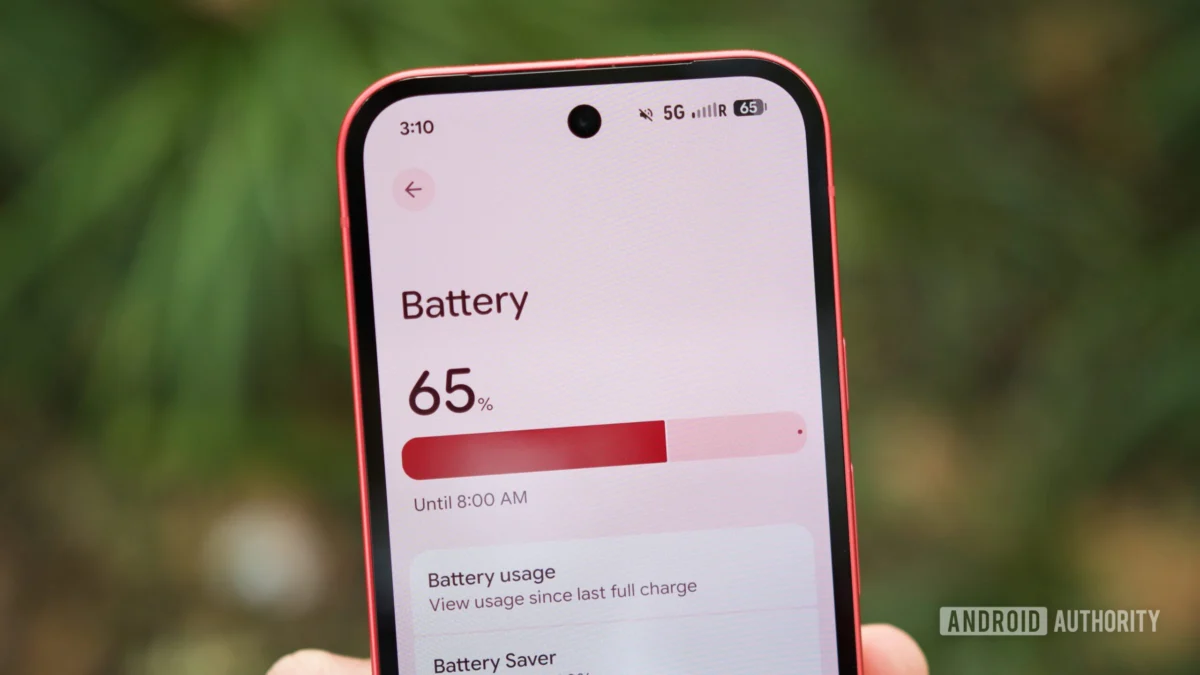
Google Pixel owners are grappling with a significant and increasingly widespread issue following the March system update, with a substantial portion of users reporting a dramatic and unexplained acceleration in battery drain. This problem, which appears to affect a range of Pixel devices across multiple generations, has moved from user-generated speculation to a formally acknowledged bug within Google’s own issue tracking system, signaling a potential widespread disruption to the user experience.
The Growing Tide of Battery Complaints
The first whispers of a problem began circulating shortly after the rollout of Google’s March software update. Users on platforms like Reddit and Google’s official support forums started to voice concerns about their Pixel phones experiencing significantly shorter battery life than had been the norm. Initially, these reports were disparate, leading some to wonder if they were isolated incidents stemming from individual device issues or specific app conflicts. However, as the days turned into weeks, the volume and consistency of these complaints escalated, suggesting a more systemic cause.
Early theories proposed by frustrated users pointed towards a potential software glitch preventing affected devices from entering an optimized low-power idle state, commonly referred to as "Deep Doze." This state is crucial for conserving battery power when a device is not actively in use. If a device fails to engage this mode correctly, it would continue to consume power at a higher rate, leading to the observed rapid battery depletion. While these were informed hypotheses based on observed behavior, definitive confirmation from Google remained elusive in the initial stages.
Google Acknowledges the Issue and Prioritizes a Fix
The situation evolved when the problem was officially logged in Google’s Issue Tracker, a platform where developers and users can report and track software bugs. The bug report concerning the accelerated battery drain has been formally assigned and designated with a P1 priority. This high-priority classification indicates that Google recognizes the severity and urgency of the issue and is actively working towards a resolution.
The description within the Issue Tracker echoes the user-generated speculation, noting a potential cause as the device’s failure to enter Deep Doze, leading to increased activity during idle periods. While this provides a strong indication of the suspected root cause, it is important to note that this description is part of a bug report and not a direct, official statement from Google detailing their definitive diagnosis. Nevertheless, the acknowledgment and prioritization signal a commitment from Google to address what is clearly a significant user concern.
Data Supports Widespread Impact
To quantify the scope of the problem, Android Authority conducted a poll among its readership, inviting Pixel owners to share their experiences following the recent updates. The results were overwhelmingly conclusive, providing compelling data that underscores the widespread nature of the battery drain issue.
Out of thousands of respondents, a staggering 75.9% reported that their Pixel phone’s battery was draining noticeably faster after a recent update. This contrasts sharply with the 15.2% of users who indicated that their battery performance remained consistent with previous expectations. A remaining percentage of participants indicated they had not yet checked their battery performance, suggesting that the actual percentage of affected users could be even higher.
While polls attached to articles about specific technical issues naturally attract individuals who are experiencing those problems, the sheer volume of affirmative responses – over 2,000 confirmations – cannot be easily dismissed. This data strongly suggests that the issue extends beyond a handful of isolated incidents and represents a genuine, widespread bug impacting a significant portion of the Pixel user base.
User Experiences Paint a Grim Picture
The sentiment expressed in the comments section of previous reports aligns closely with the poll results. Numerous users have detailed their experiences of significantly diminished battery life, often describing it as a dramatic downturn from their previous usage patterns. Many reported struggling to make it through a full day without needing to recharge or resort to using portable power banks, even with battery-saving features enabled and without engaging in particularly resource-intensive activities.
One particularly illustrative comment from user thibault.costet summarized the frustration felt by many: "Impossible to pass the day without charging or an external battery, even with battery saver activated and without really intensive usage." This sentiment highlights the practical and disruptive impact of the battery drain, transforming a once-reliable daily companion into a device that requires constant attention and power management.
Some users have attempted to mitigate the issue by delving into their phone’s settings, adjusting battery optimization parameters, or even performing factory resets, often with little to no discernible improvement. The persistence of the problem across various troubleshooting efforts further emphasizes the likelihood of a software-level bug rather than a user-configurable issue.
The "Deep Doze" Hypothesis: Understanding the Technical Underpinnings
The prevailing theory, now seemingly supported by Google’s internal tracking, centers on the device’s inability to properly enter the "Deep Doze" state. Android’s power management system is designed to conserve energy when the device is idle and stationary. This involves a series of optimizations, including limiting background data access, deferring app synchronization, and reducing CPU activity. The Deep Doze state represents an even more aggressive form of power saving that is triggered under specific conditions, such as when the device has been stationary for an extended period and its screen has been off.
If a bug prevents the Pixel from correctly identifying the conditions for entering Deep Doze or from executing the necessary power-saving protocols, the device would remain in a more active state. This would translate to continuous background processes, network activity, and processor usage that are not characteristic of a truly idle device. Over the course of hours, this sustained activity would rapidly deplete the battery, leading to the complaints observed.
The specific trigger for this bug remains unclear, but its emergence following the March update strongly suggests a regression or an unintended consequence of changes introduced in that software release. This could involve modifications to the core Android operating system, specific hardware driver interactions, or even changes within Google’s own system applications that manage device power states.
Implications for the Pixel Ecosystem
The widespread battery drain issue presents several significant implications for Google and its Pixel line of smartphones. Firstly, it erodes user confidence. A primary expectation of any smartphone is reliable battery performance that can sustain daily usage. When this fundamental expectation is unmet, users can quickly become disillusioned with the product.
Secondly, it places considerable pressure on Google to expedite a fix. The P1 priority designation indicates that the company is aware of this, but the speed at which a stable and effective resolution is deployed will be critical. Delays could lead to a notable exodus of users considering alternative manufacturers, especially in a highly competitive smartphone market where brand loyalty can be fragile.
Thirdly, it raises questions about the robustness of Google’s quality assurance processes. While software updates are complex and introduce the potential for unforeseen issues, a bug of this magnitude, affecting a core functionality like battery life across multiple device models, suggests potential oversights in testing protocols.
Looking Ahead: The Path to Resolution
With the issue now formally acknowledged and prioritized by Google, the immediate future for affected Pixel users hinges on the swift development and deployment of a software patch. Users are likely to be looking for updates that specifically address the battery drain problem, potentially involving fixes to the device’s power management system and its ability to correctly enter and maintain low-power states.
In the interim, users experiencing this problem are advised to monitor Google’s official support channels and Issue Tracker for any announcements or updates regarding the bug. While the poll results and user comments indicate a widespread problem, it is important to remember that not all Pixel devices may be affected. Users who are not experiencing accelerated battery drain should continue to monitor their device’s performance and report any anomalies.
The resolution of this battery drain bug will be a crucial test for Google’s responsiveness and its commitment to user experience. For many Pixel owners, the ability to depend on their device’s battery life throughout the day is not a luxury, but a necessity. The coming weeks will be pivotal in determining whether Google can effectively restore that confidence and ensure the continued viability of the Pixel brand as a strong contender in the global smartphone market.