Metty Iskandar
The burgeoning market of magnetic e-readers and secondary wireless displays, exemplified by devices like the Xteink X4, is encountering a significant hurdle for users of Google’s Pixel smartphone line. Despite the latest Pixel 10 series featuring internal magnets designed to facilitate the seamless attachment of these chic displays, a fundamental incompatibility prevents them from casting content. This limitation stems from Google’s deliberate discontinuation of Miracast support on its devices nearly a decade ago, a strategic move aimed at bolstering its proprietary Google Cast protocol. The ramifications extend beyond these novel accessories, impacting users’ ability to connect to a wider array of smart televisions and displays that do not natively support Google’s ecosystem.
The Magnetic Display Trend and Pixel’s Unforeseen Obstacle
The advent of magnetic e-readers, which attach directly to smartphones, offers a tantalizing glimpse into a more integrated and versatile mobile computing experience. These devices promise to transform smartphones into more capable reading and productivity tools, leveraging the existing processing power and connectivity of the handset. The Xteink X4, with its sleek design and magnetic mounting system, represents a significant step forward in this burgeoning category. Users are drawn to the convenience of instantly expanding their screen real estate for tasks ranging from extended reading sessions to displaying supplementary information during presentations or multitasking.
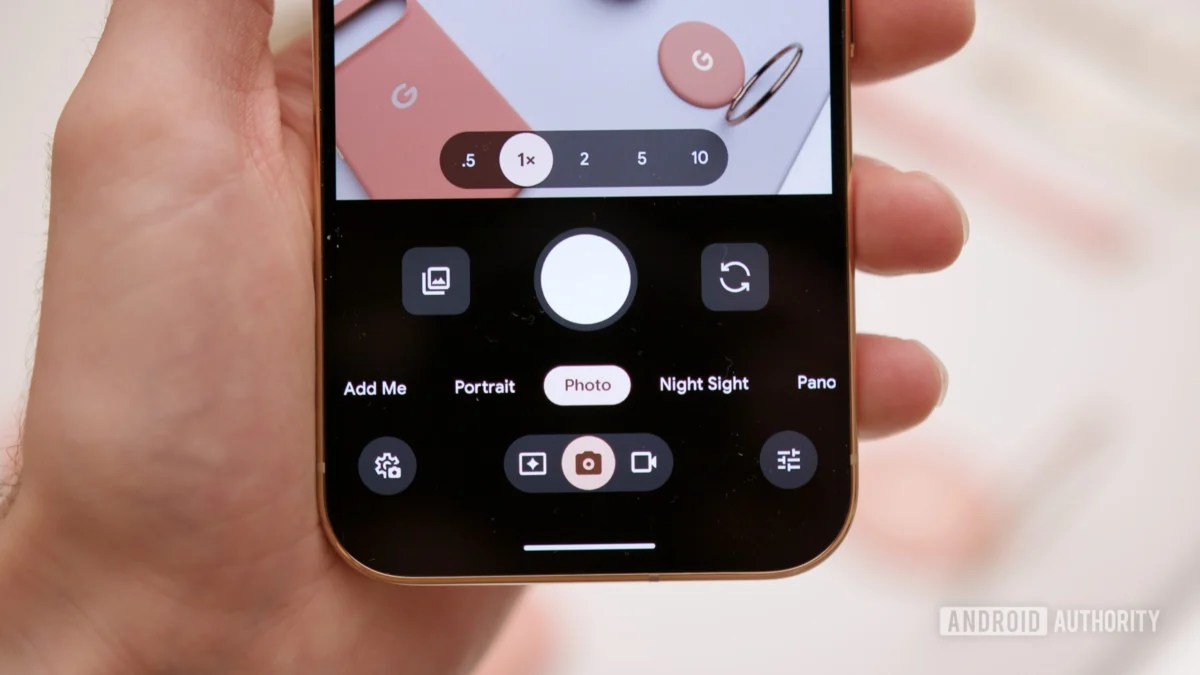
However, for Pixel owners, this innovation is largely out of reach. The latest Pixel devices, including the much-anticipated Pixel 10 series, possess the physical capability to connect to these magnetic screens via their internal magnets. This suggests a hardware-level design consideration for such integrations. Yet, the crucial functionality of wirelessly transmitting visual data – the very purpose of these secondary displays – remains absent. This disconnect leaves Pixel users in a frustrating position, able to physically attach the devices but unable to utilize them for their intended function. This situation was recently highlighted in a Reddit post by user PaddyLandau, who brought attention to the incompatibility of wireless screen monitors with Pixel devices.
The Root Cause: Miracast Exclusion and the Google Cast Gambit
The technical rationale behind this widespread incompatibility, as illuminated by the Reddit discussion and industry analysis, is the absence of Miracast support on Google Pixel devices. Miracast, a widely adopted open standard, functions as a wireless transmission technology that allows devices to project their screens onto other displays, such as smart TVs, monitors, or projectors, without requiring additional cables or proprietary hardware. It operates on Wi-Fi Direct technology, enabling peer-to-peer connections for screen mirroring.
Google’s decision to sideline Miracast support on its devices dates back to approximately 2015. The Nexus 5, released in 2013, was among the last Google-manufactured devices to officially support Miracast. Following this period, Google began a strategic pivot, prioritizing the development and promotion of its own proprietary wireless casting technology: Google Cast. This protocol, now an integral part of Android and Google TV, enables devices to cast content to televisions, smart displays like the Nest Hub, and streaming sticks such as the Chromecast.
The rationale behind this shift was multifaceted. By phasing out Miracast, Google aimed to create a more unified and controlled ecosystem. The Google Cast protocol offers several perceived advantages, including enhanced security for screen mirroring, a more streamlined user experience, and tighter integration with Google’s suite of services. It allows for more selective casting of applications or specific content rather than a full screen mirror, and it is designed to work seamlessly with devices that run Android or Google TV operating systems. This strategy effectively encouraged developers and hardware manufacturers to adopt Google’s standard, thereby consolidating Google’s influence in the connected entertainment and display market.
A Decade of Divergence: Miracast’s Lingering Presence and Pixel’s Isolation
While Google officially abandoned Miracast, the protocol has not entirely disappeared from the broader Android landscape. Several Android device manufacturers, recognizing the existing infrastructure and user familiarity with Miracast, have continued to support it on their devices. This has resulted in a fragmented ecosystem where some Android phones can wirelessly connect to a wide range of displays, while others, specifically those from Google’s Pixel line, are excluded.
This divergence creates significant challenges for users who own devices that rely on Miracast for wireless connectivity. For instance, many televisions manufactured by companies like LG and Samsung, while equipped with advanced smart TV platforms, natively support Miracast and Apple’s AirPlay but lack built-in Chromecast functionality. In such scenarios, Pixel users are unable to utilize their phone’s native "Screen Cast" feature to mirror their display onto these televisions. Their only recourse would be to purchase an external Chromecast dongle or a similar adapter to bridge the compatibility gap.
The implications of this are not confined to the novel magnetic e-reader market. It affects a substantial portion of the consumer electronics landscape. Users who invest in a Pixel device may find themselves unable to leverage the wireless display capabilities of their existing smart TVs, potentially leading to frustration and the need for additional hardware purchases. This situation underscores the importance of open standards and backward compatibility in ensuring a fluid and inclusive technological experience for consumers.
Analysis of Implications: Ecosystem Control and Consumer Choice
Google’s strategic decision to discontinue Miracast support on Pixel devices, while fostering its own ecosystem, has created a clear dichotomy in the wireless display market. On one hand, it has propelled the adoption of Google Cast, leading to a more integrated experience for users within the Google ecosystem, particularly those who own Chromecasts or Android/Google TV devices. This has undoubtedly contributed to the widespread availability and functionality of Google’s casting solutions.
However, the consequence for users outside this tightly controlled environment is a reduced range of compatible devices and a potential for technological lock-in. The inability of Pixel devices to connect to Miracast-enabled displays, which are prevalent in many households and public spaces, limits their utility and can lead to a less seamless user experience. This is particularly concerning for a premium device like the Pixel, which is positioned as a flagship offering.
The market for secondary displays, including magnetic e-readers and wireless monitors, is still in its nascent stages but holds significant promise for enhancing mobile productivity and entertainment. Google’s stance on Miracast directly impacts the adoption and accessibility of these innovative accessories for a considerable segment of its user base. While the proprietary approach offers benefits in terms of ecosystem control and potentially enhanced features, it comes at the cost of interoperability and broader consumer choice.
Looking ahead, the continued development of wireless display technologies and the evolving standards governing them will be crucial. Whether Google will reconsider its stance on Miracast, or whether third-party solutions will emerge to bridge this compatibility gap for Pixel users, remains to be seen. For now, Pixel owners seeking to utilize magnetic e-readers or connect to a wider array of wireless displays will likely need to rely on alternative methods or external hardware, highlighting a persistent friction point in the otherwise advanced capabilities of Google’s flagship smartphones. The ongoing evolution of mobile technology necessitates a careful balance between fostering proprietary ecosystems and ensuring robust support for open standards that benefit the entire consumer base.