Clarissa Hana
Google is set to roll out a significant enhancement to its Android operating system, a new mechanism dubbed "Advanced Flow," designed to empower power users with a more secure method for sideloading Application Package (APK) files from unverified developers. This initiative, slated for an August release, represents a strategic move to balance the inherent openness of the Android ecosystem with robust user protection against the escalating threat of malware and fraudulent applications. The move comes at a critical juncture, with global losses from scams estimated at a staggering $442 billion last year, according to the Global Anti-Scam Alliance (GASA), underscoring the urgent need for enhanced security measures.
Addressing the Evolving Threat Landscape
The digital realm is increasingly fraught with sophisticated scams and malware designed to exploit unsuspecting users. These malicious actors often leverage high-pressure tactics to coerce individuals into downloading and installing compromised applications, leading to significant financial and personal data losses. Google’s Advanced Flow is a direct response to this persistent threat, aiming to introduce a deliberate friction point in the sideloading process that disrupts the rapid, fear-driven actions typical of scam attempts.
"This flow is a one-time process for power users – it was designed carefully to prevent those in the midst of a scam attempt from being coerced by high-pressure tactics to install malicious software," Google stated in its official developer blog. The company elaborated on the psychological tactics employed by scammers: "In these scenarios, scammers exploit fear – using threats of financial ruin, legal trouble, or harm to a loved one – to create a sense of extreme urgency. They stay on the phone with victims, coaching them to bypass security warnings and disable security settings before the victim has a chance to think or seek help."

The Advanced Flow system is meticulously crafted to add a layer of deliberation. Before a user can install an APK from an unverified source, they will be required to complete a one-time setup process. This process is not intended to be a quick bypass, but rather a structured engagement that prompts users to consider the implications of installing software from untrusted origins. Once this initial setup is completed, users will have the option to enable installations from unverified developers for a limited period of one week, or indefinitely, with prominent Android warnings clearly indicating the app’s unverified status. This layered approach is designed to ensure that users are making a conscious and informed decision, rather than acting impulsively under duress.
A Phased Approach to Developer Verification
The introduction of Advanced Flow is intrinsically linked to Google’s broader initiative to implement mandatory developer identity verification for all Android app publishers. This overarching policy, initially announced in August of the previous year, aims to bolster the security of the Android ecosystem by ensuring that every developer publishing apps, regardless of their distribution channel, undergoes an identity check by Google. Failure to comply with these verification requirements will result in the blocking of app installations on certified Android devices.
While Google initially faced community backlash and subsequently retracted the original timeline for enforcing these new rules, the company has reiterated its commitment to the developer verification system. The upcoming August 2026 implementation date signals that the program is moving forward. This phased approach, with Advanced Flow acting as a bridge, is intended to facilitate a smoother transition for both developers and users as the platform strengthens its security posture.
Chronology of Key Developments
- August 2025 (Estimated): Google announces its intention to implement mandatory identity verification for all Android app developers. This broad policy aims to enhance security and combat malware across the platform.
- Early 2026: Following community feedback and concerns regarding the implementation timeline and potential impact on smaller developers, Google announces a retraction of the immediate enforcement of the original developer verification rules.
- March 2026: Google unveils the "Advanced Flow" mechanism, a new system designed to facilitate more secure sideloading of APKs from unverified developers for power users. This feature is slated for an August release.
- August 2026: The mandatory developer identity verification program is scheduled to officially go into effect, coinciding with the rollout of the Advanced Flow feature.
Supporting Data and the Cost of Scams
The urgency behind these security enhancements is underscored by the alarming financial toll of online scams. The Global Anti-Scam Alliance (GASA) reported that in the past year, these fraudulent activities resulted in an estimated $442 billion in losses worldwide. This figure represents not only a significant financial burden on individuals but also highlights the sophisticated and widespread nature of these criminal enterprises.
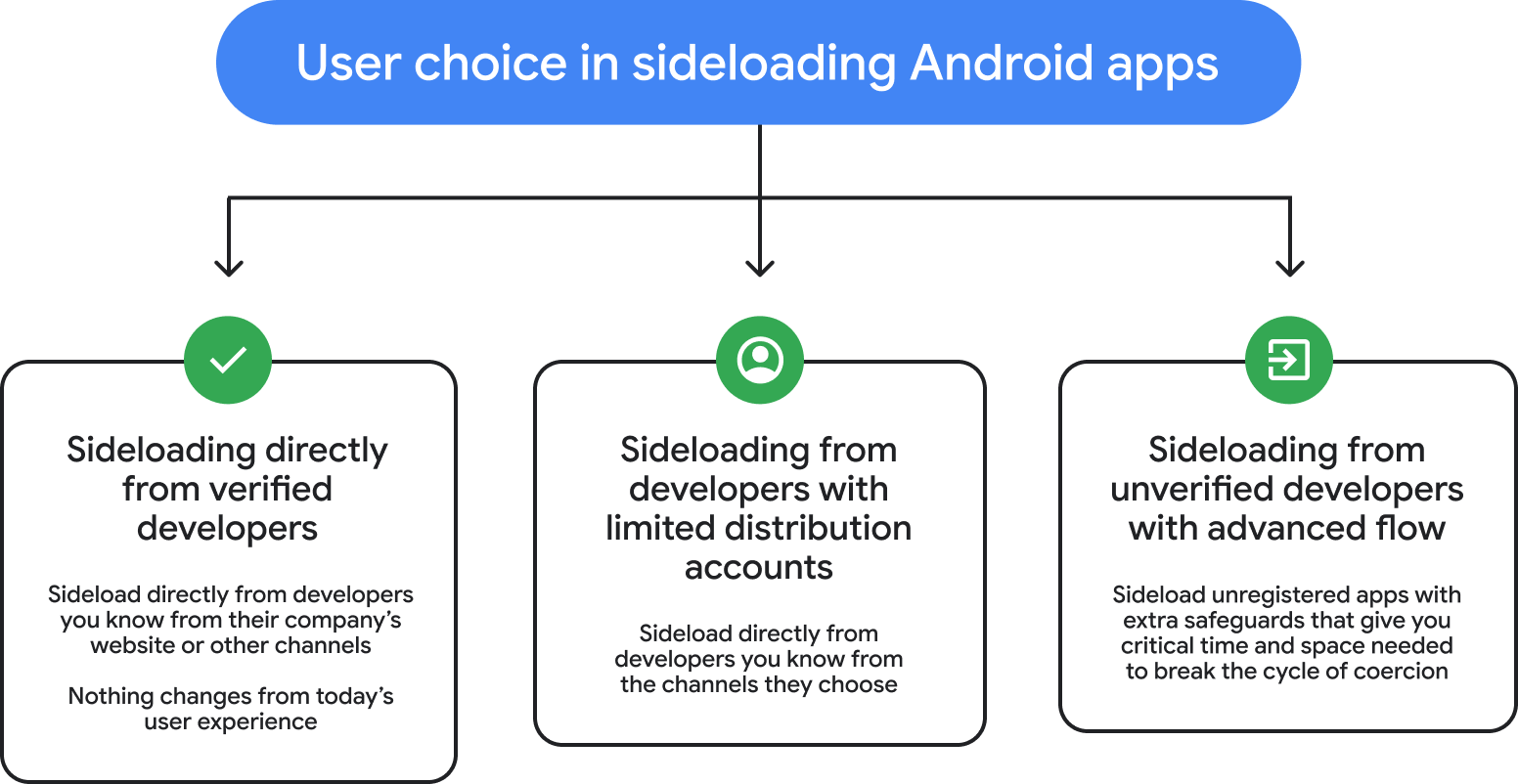
Malware and scam applications often leverage social engineering tactics, preying on users’ trust or fear. These tactics can range from fake lottery winnings and urgent "security alerts" to impersonations of trusted entities. The ability to quickly install applications, often bypassing standard security checks, is a critical enabler for such scams. By introducing a deliberate, multi-step process for sideloading, Google aims to break the chain of urgency that scammers rely on.
Implications for Users and Developers
For power users who rely on sideloading for specific applications not available on official app stores, Advanced Flow offers a more controlled and secure environment. The one-time setup and the option for temporary enablement provide flexibility without compromising security on a day-to-day basis. The clear warnings associated with unverified apps also serve as a constant reminder of the inherent risks, promoting a more security-conscious mindset.
For developers, the upcoming mandatory verification process means a shift in how they will distribute their applications. While the initial backlash indicated concerns about the administrative burden and potential exclusion of independent or hobbyist developers, the phased rollout and the provision of resources like the developer verification webpage are intended to ease this transition. The ultimate goal is to create a more trustworthy app marketplace, which could, in the long run, benefit reputable developers by reducing the prevalence of malicious apps that tarnish the ecosystem’s reputation.
A Balanced Approach to Openness and Security
Google’s Advanced Flow represents a pragmatic compromise in the ongoing debate between maintaining an open platform and ensuring user safety. Android’s historical openness has been a key differentiator, allowing for customization and a wider array of software choices. However, this openness has also made it a target for malicious actors.
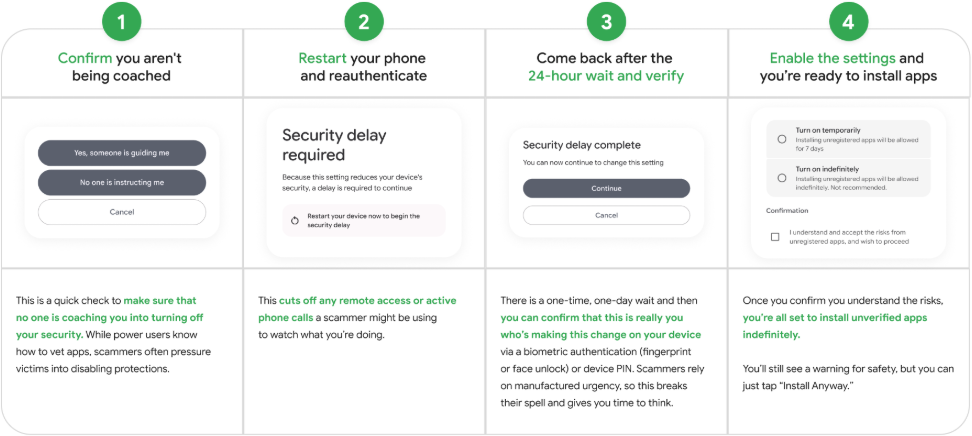
By implementing Advanced Flow, Google is not eliminating the ability to sideload but rather making it a more considered action. This approach acknowledges that while the majority of users benefit from stringent security measures, a segment of the user base requires flexibility, provided it is managed with increased awareness and deliberate steps. The integration of Advanced Flow with the broader developer verification scheme signals a commitment to a more secure and transparent Android future.
The success of Advanced Flow will likely depend on its user-friendliness during the initial setup and the clarity of the warnings provided. If the process is overly cumbersome, it might still deter legitimate use. Conversely, if it is too easily bypassed, it may not effectively counter scam tactics. Google’s stated intention to carefully design the flow suggests an understanding of these potential pitfalls, aiming for a balance that enhances security without unduly hindering legitimate user activities.
The broader implications extend to the overall perception of Android security. As malware and scamming techniques become more sophisticated, platform providers like Google are under constant pressure to innovate and adapt. The move towards mandatory developer verification and enhanced sideloading security measures are crucial steps in maintaining user trust and ensuring the long-term health of the Android ecosystem in an increasingly challenging digital landscape. App developers are strongly encouraged to visit the official Android developer portal for comprehensive details and to prepare for the upcoming verification requirements.