George Chandra Eka
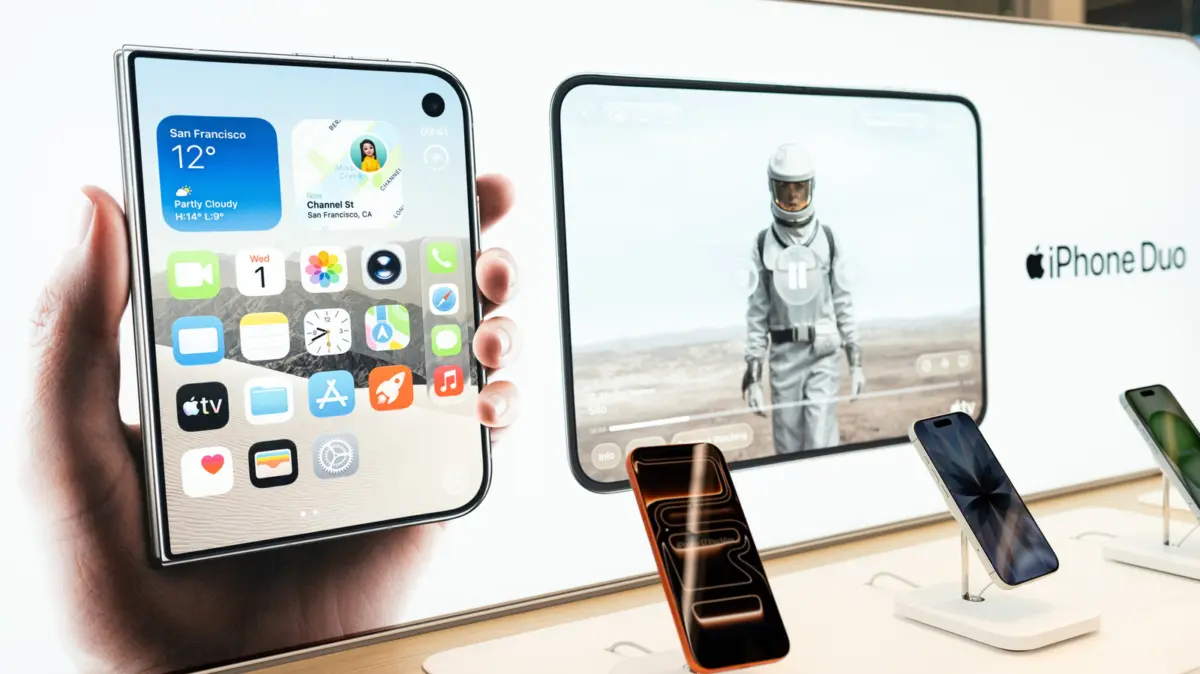
Apple’s much-anticipated entry into the foldable smartphone market with the iPhone Duo has ignited a renewed debate among tech enthusiasts and consumers alike: which existing Android foldable most closely mirrors the Cupertino giant’s inaugural device? While Apple’s cautious approach meant a later arrival to a category pioneered by Android manufacturers, the Duo’s specifications and design immediately position it as a formidable contender, compelling a detailed comparison against established players like Samsung, Google, and Motorola. The foldable phone landscape, once a niche dominated by experimental designs and early adopters, has matured significantly, offering a diverse array of form factors and technological innovations. Apple’s decision to embrace the "book-style" foldable design, transforming a conventional smartphone into a mini-tablet, places it in direct competition with the most sophisticated offerings from its rivals, making the quest for a true Android counterpart a nuanced exercise in comparative analysis across multiple critical metrics.
The Evolving Foldable Landscape: Apple’s Grand Entrance
For years, the foldable smartphone category was almost exclusively the domain of Android manufacturers, with Samsung notably leading the charge since the unveiling of its first Galaxy Fold in 2019. This period saw a rapid evolution, marked by initial durability challenges, innovative hinge mechanisms, and increasingly refined user interfaces designed to leverage the unique capabilities of a folding screen. Brands like Huawei, Xiaomi, Oppo, and Vivo also contributed to this burgeoning market, primarily in Asia, pushing boundaries in display technology, camera integration, and industrial design. Google’s entry with the Pixel Fold further legitimized the segment, bringing its renowned software prowess and computational photography to the foldable form factor. Motorola, leveraging its iconic Razr brand, offered a nostalgic yet modern take on flip-style foldables before also introducing a book-style variant.
Apple’s deliberate pace in entering new product categories is well-documented, often preferring to observe, refine, and then deliver a polished, user-centric experience rather than being first to market. The iPhone Duo’s debut, therefore, signifies a critical inflection point for the entire foldable industry. It validates the long-term viability and mainstream potential of the technology, potentially accelerating adoption rates and stimulating further innovation across the board. Industry analysts widely anticipate that Apple’s endorsement will significantly boost consumer confidence in foldables, expanding the market beyond early adopters and tech enthusiasts. The Duo’s introduction is not just about a new phone; it’s about Apple’s influential ecosystem entering a dynamic new frontier, forcing competitors to re-evaluate their strategies and offerings to maintain their competitive edge.
A Deeper Dive into Design, Displays, and Ergonomics
At the heart of any foldable experience are its displays and the overall ergonomic design. The iPhone Duo presents a balanced proposition with a 5.4-inch outer screen and a 7.6-inch inner display. These dimensions position it comfortably in the middle tier of current book-style foldables, aiming for a sweet spot between pocketability and immersive viewing. The outer display, typically used for quick interactions, notifications, and single-hand operation, must be functional and easy to navigate. The inner display, the main draw of a foldable, promises an expansive canvas for multitasking, media consumption, and productivity.
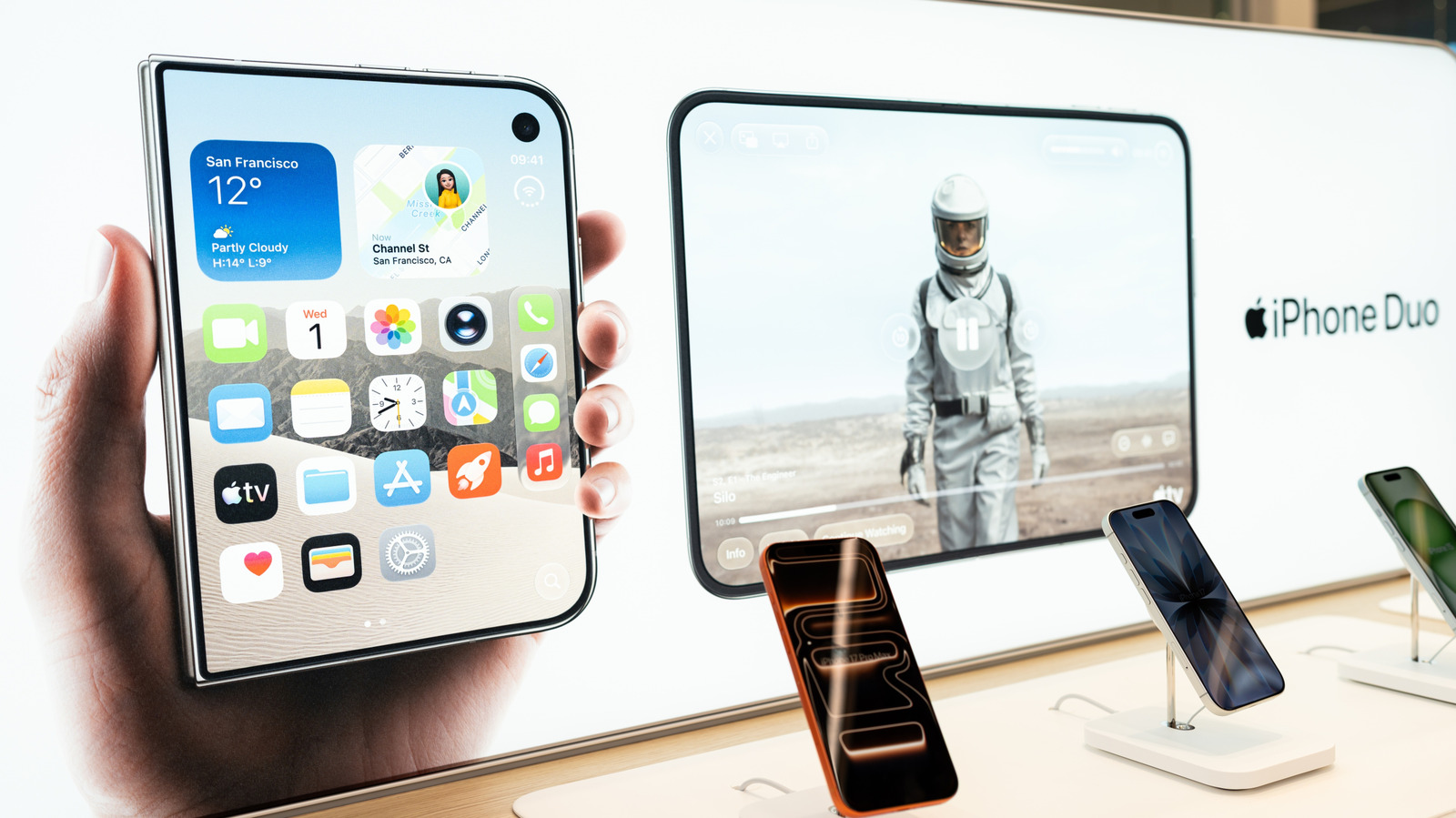
In comparison, Samsung’s Galaxy Z Fold 8 emerges as the closest match in terms of display sizing. It features a 5.5-inch cover screen and a 7.6-inch main display, almost perfectly mirroring the Duo. Both devices likely employ state-of-the-art AMOLED panels, offering vibrant colors, deep blacks, and excellent contrast ratios crucial for a premium visual experience. High refresh rates, typically 120Hz on both inner and outer displays, are standard for flagships, ensuring smooth scrolling and responsive interactions. Samsung’s long experience in foldable display technology, including its Ultra Thin Glass (UTG) advancements, provides a benchmark for screen durability and crease management.
Google’s Pixel 11 Pro Fold opts for a slightly larger footprint, boasting an 8-inch inner display and a 6.5-inch outer screen. This configuration leans towards maximizing the tablet-like experience when unfolded, offering more screen real estate for demanding applications and content. The wider aspect ratio of Google’s outer screen also makes it feel more like a traditional smartphone, potentially easing the transition for users accustomed to standard candy-bar devices. Motorola’s Razr Fold pushes the boundaries further still, featuring a 6.6-inch cover screen and an expansive 8.1-inch inner display. This positions the Razr Fold as one of the largest book-style foldables available, appealing to users who prioritize maximum screen immersion, albeit at the potential cost of increased device heft and portability challenges.
Beyond raw dimensions, other display characteristics are crucial. Pixel density (PPI), peak brightness for outdoor visibility, color accuracy, and HDR support contribute significantly to the overall visual quality. The hinge mechanism, often a proprietary and complex engineering feat, determines the phone’s thickness when folded, the gap (or lack thereof) between the two halves, and the durability of the folding action. Apple is expected to have invested heavily in its hinge technology, aiming for a seamless fold and minimal crease visibility, drawing on its reputation for precision engineering. Weight distribution is another ergonomic factor; the Duo, at 9 ounces, is heavier than its Android counterparts. The Z Fold 8 (7.09 ounces), Pixel 11 Pro Fold (8.4 ounces), and Razr Fold (8.6 ounces) all offer lighter profiles, which can impact user comfort during extended use, particularly when held unfolded.
Imaging Prowess: Camera Systems Compared
Camera technology remains a primary differentiator in the smartphone market, and foldables are no exception, despite the engineering challenges of integrating advanced optics into a compact, folding form factor. The iPhone Duo features a 12-megapixel Center Stage front camera, indicating a focus on high-quality video calls and conferencing, leveraging Apple’s AI capabilities for subject tracking. Its dual 48MP rear cameras suggest a strong emphasis on versatility and high-resolution imaging, likely backed by Apple’s acclaimed computational photography algorithms.
Samsung’s Galaxy Z Fold 8 presents a strong challenge with two 50MP rear cameras, suggesting superior detail capture, especially in well-lit conditions. Its 10MP front camera, while numerically lower than the Duo’s, could still deliver excellent results, given Samsung’s image processing capabilities. The Z Fold series has consistently aimed for a flagship camera experience, integrating advanced sensors, optical image stabilization (OIS), and robust software features.
Google’s Pixel 11 Pro Fold, true to its brand’s heritage, also boasts a 48MP main camera, aligning closely with Apple’s resolution. However, Google distinguishes itself with the inclusion of a 10.8MP telephoto lens, a feature notably absent from the iPhone Duo’s reported specifications. A dedicated telephoto lens allows for optical zoom, providing superior image quality at longer distances compared to digital zoom. This could be a significant advantage for users who frequently shoot distant subjects or portraits requiring optical magnification. Google’s computational photography, particularly its low-light performance and HDR capabilities, is often considered among the best in the industry, potentially giving its 48MP sensor an edge through software optimization.
Motorola’s Razr Fold aims for comprehensive camera coverage, featuring 50MP main, ultrawide, and telephoto cameras. This triple-lens setup provides a versatile toolkit for various photographic scenarios, from expansive landscapes to detailed close-ups and zoomed-in shots. The Razr Fold also includes a high-resolution 20MP cover selfie camera, offering a more detailed option for quick self-portraits without unfolding the device. While raw megapixel counts don’t tell the whole story, a well-implemented high-megapixel sensor with strong computational backing can yield impressive results. Factors like sensor size, aperture, pixel binning technology, and OIS implementation are crucial for overall image quality, particularly in challenging lighting conditions.
Durability and Engineering: Built to Last?
The early days of foldable phones were plagued by durability concerns, particularly regarding screen creasing, hinge longevity, and susceptibility to dust and water ingress. Manufacturers have made significant strides, but durability remains a critical consideration given the premium price point of these devices. IP ratings are a standardized measure of resistance to solids (dust) and liquids (water).
Apple’s iPhone Duo arrives with an IP68 rating, signifying excellent protection against both dust and water. An IP68 device is considered dust-tight and can withstand immersion in water up to 1.5 meters for 30 minutes. This level of protection instills significant confidence in users, allowing for greater peace of mind in everyday use and accidental exposures.
Among its Android competitors, the Google Pixel 11 Pro Fold is the only one to match the Duo’s IP68 rating. This parity in environmental protection is a strong selling point for Google, demonstrating a commitment to robust engineering on par with Apple’s high standards.
In contrast, the Samsung Galaxy Z Fold 8 and Motorola Razr Fold lag behind with IP48 and IP48/IP49 ratings, respectively. An IP4X rating indicates protection against solid objects larger than 1mm, but not full dust-tightness. While these devices offer decent water resistance (IPX8 or IPX9, meaning protection against continuous immersion or high-pressure jets), their lower dust resistance could be a concern for users in dusty environments. The complex hinge mechanisms of foldables inherently present challenges for sealing against fine particles, and while advancements have been made (e.g., Samsung’s brush mechanism in its hinge), achieving full dust-tightness remains a significant engineering hurdle. The materials used for the phone’s frame (often aluminum or titanium), the type of glass protecting the outer screen, and the specific composition of the flexible inner display (e.g., Ultra Thin Glass vs. plastic layers) also play crucial roles in overall structural integrity and scratch resistance.
Power and Endurance: Battery Life and Performance
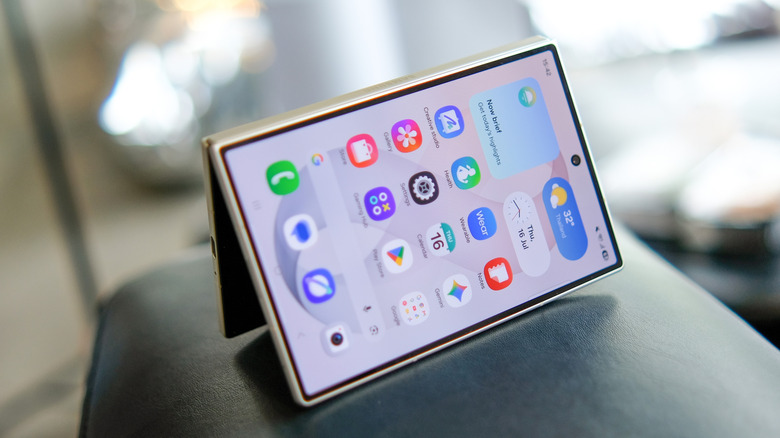
Battery life is a perpetual concern for smartphone users, and foldables, with their larger, power-hungry displays, present a unique challenge. Apple, in line with its typical practice, has not disclosed the precise battery capacity of the iPhone Duo, instead providing an estimated "up to 24 hours of mixed use on a charge." This metric, while useful for general comparison, lacks the specificity of milliampere-hour (mAh) ratings. Apple’s optimization of its A-series Bionic chips and iOS software is legendary for extracting maximum efficiency from its batteries, often outperforming Android devices with larger raw capacities.
For Android devices, we have more concrete figures. The Google Pixel 11 Pro Fold features a 4,806mAh battery, and the Samsung Galaxy Z Fold 8 houses a 4,800mAh unit. These capacities are robust for flagships, designed to power their dual displays and advanced features throughout a typical day. Motorola’s Razr Fold takes the lead in raw battery capacity, boasting a substantial 6,000mAh battery. Motorola explicitly markets this as "the largest available in a foldable," aiming to address battery anxiety head-on and potentially offer multi-day usage for moderate users.
Beyond raw capacity, charging speeds are increasingly important. While the article doesn’t detail these, flagship foldables typically support fast wired charging (often 25W to 45W or higher), wireless charging, and sometimes reverse wireless charging to power accessories. The efficiency of the processor and the software’s power management are equally crucial. Apple’s custom silicon (likely a variant of the latest A-series chip in the Duo) is renowned for its performance-per-watt, often delivering superior sustained performance and better battery efficiency than many Android counterparts, even with smaller battery capacities. Android foldables rely on top-tier Snapdragon or Tensor chipsets, which also offer powerful performance and advanced AI capabilities but can vary in their power efficiency.
Pricing and Value Proposition
Foldable smartphones represent the pinnacle of mobile technology and, as such, command premium prices. The iPhone Duo starts at $1,999.99 for the 256GB storage configuration. This pricing places it firmly in the ultra-premium segment, setting a new benchmark for Apple’s flagship lineup.
The competitive landscape in the Android foldable market shows a close alignment in pricing. The Samsung Galaxy Z Fold 8 (256GB), Google Pixel 11 Pro Fold (256GB), and Motorola Razr Fold (which uniquely offers 512GB as its base model) all start at $1,899.99. This $100 difference, while not insignificant, indicates a highly competitive market where manufacturers are positioning their devices very closely.
In terms of storage options, Google and Samsung offer configurations up to 1TB, mirroring Apple’s higher-tier offerings for users who require extensive storage for apps, photos, videos, and large files. However, the iPhone Duo distinguishes itself by offering an unprecedented 2TB configuration, catering to the most demanding power users and professionals who require maximum on-device storage. This expansive storage option highlights Apple’s strategy to position the Duo not just as a consumer device but also as a potential productivity powerhouse. The long-term value proposition also includes factors like software update longevity, resale value, and the availability of accessories and ecosystem integration, areas where Apple traditionally excels.
Beyond the Major Players: Emerging Contenders
While Samsung, Google, Motorola, and now Apple dominate the conversation in Western markets, the broader global foldable landscape includes several other innovative players, particularly from China. These manufacturers often push technological boundaries, sometimes ahead of their Western counterparts, though their devices may not be readily available in the United States or Europe due to distribution and geopolitical factors.
One notable example is Xiaomi, which unveiled its 18 Fold just days before the iPhone Duo’s announcement. Xiaomi touted the 18 Fold as its first "mid-size" foldable, featuring a 7.68-inch unfolded display and a 5.38-inch outer display. These measurements are strikingly similar to both the Galaxy Z Fold 8 and the new iPhone Duo, indicating a convergence in preferred screen dimensions for book-style foldables. Xiaomi’s entry further diversifies the market, often offering competitive specifications at potentially more aggressive price points in its target regions. However, as with most Xiaomi smartphones, the 18 Fold is not officially distributed stateside, limiting its direct competition with Apple and other major Android players in key Western markets. Other brands like Oppo, Vivo, and Huawei also have compelling foldable offerings that continue to evolve, showcasing diverse hinge designs, camera systems, and software optimizations, hinting at the potential future directions for the entire category.
Market Dynamics and Future Outlook
Apple’s entry with the iPhone Duo is poised to be a watershed moment for the foldable smartphone market. Its undeniable brand power and ecosystem strength will likely draw a new wave of consumers to the foldable form factor, many of whom have previously been hesitant due to concerns about durability, software maturity, or simply the lack of an Apple-branded option. This influx of interest is expected to benefit the entire industry, driving greater investment in research and development, accelerating component innovation, and ultimately leading to more refined, durable, and affordable foldable devices across all brands.
The competition among manufacturers will intensify, pushing each company to differentiate its offerings further. Samsung, with its deep experience, will continue to refine its Z Fold series, focusing on hinge technology, S Pen integration, and software features tailored for productivity. Google will leverage its AI and software integration, making the Pixel Fold a strong contender for those prioritizing a pure Android experience with exceptional computational photography. Motorola might continue to lean into design and battery life, appealing to users seeking distinct aesthetics and endurance. Apple, meanwhile, will likely focus on seamless iOS integration, powerful processing, and a highly polished user experience, extending its existing ecosystem benefits to the foldable form factor.
In conclusion, while the search for a perfect Android equivalent to the iPhone Duo reveals strong contenders, particularly the Samsung Galaxy Z Fold 8 due to its closely matched display sizes and camera specifications, each Android foldable offers unique strengths. The Google Pixel 11 Pro Fold impresses with its robust IP68 rating and telephoto lens, while the Motorola Razr Fold distinguishes itself with its expansive battery and larger displays. Ultimately, the "closest match" will depend on individual user priorities, whether they value display dimensions, camera capabilities, durability, battery life, or overall ecosystem integration. Apple’s long-awaited foray into foldables not only validates the category but also promises an exciting new era of innovation and fierce competition, benefiting consumers with an increasingly diverse and sophisticated array of choices.