George Chandra Eka
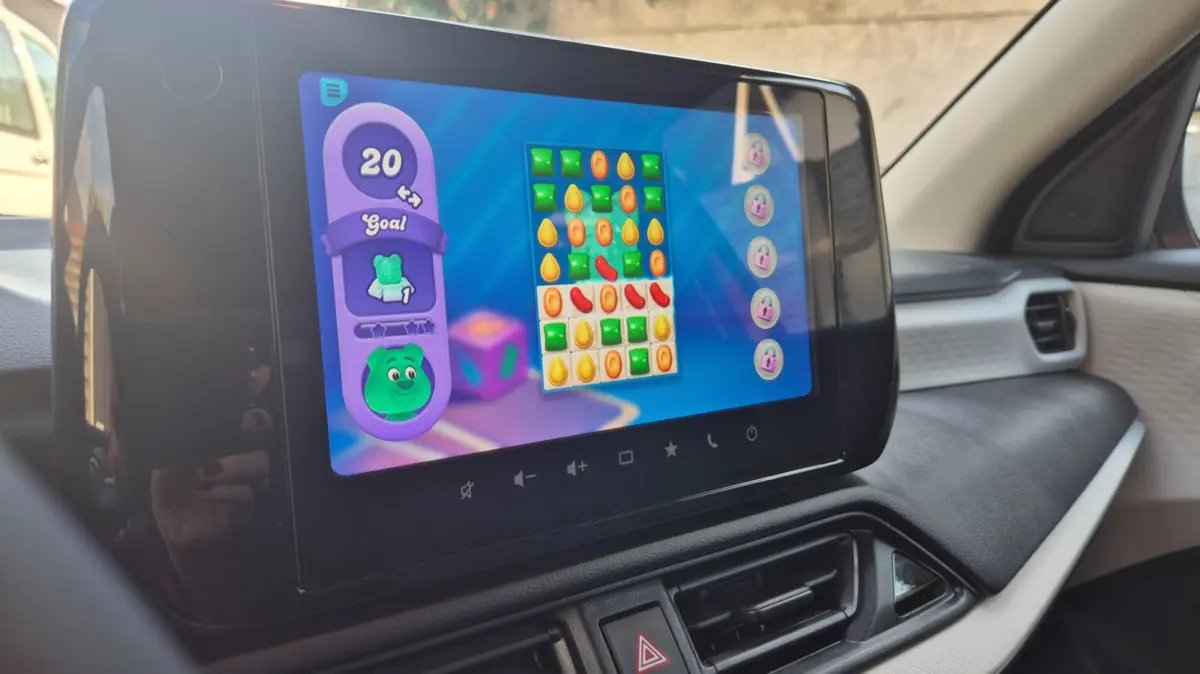
The long-anticipated integration of gaming functionality into Google’s Android Auto platform has officially moved beyond its beta phase, marking a significant evolution in the in-car entertainment experience. As of September 2026, Android Auto now natively supports a growing library of mobile games directly on vehicle infotainment screens, offering drivers and passengers a new avenue for amusement during periods of vehicle inactivity. This strategic rollout by Google aims to repurpose idle moments, such as waiting for children at sports practice, charging an electric vehicle, or taking a rest stop during a long journey, into opportunities for engaging digital recreation. The move underscores a broader industry trend towards making the automotive interior a more versatile and connected space, blending utility with leisure.
A New Era for In-Car Entertainment: Beyond Navigation and Music
For years, Android Auto has served as a critical bridge between smartphone capabilities and the car’s built-in display, primarily focusing on navigation, communication, and media playback. Its interface simplifies access to essential apps, minimizing driver distraction while on the road. However, as vehicle technology has advanced and consumer expectations for connected experiences have soared, the demand for more comprehensive in-car entertainment has steadily grown. The official launch of game support represents a pivotal shift, transforming the car’s large display from a purely functional interface into a potential gaming console. This enhancement promises to make mundane waiting times considerably more bearable, providing a convenient and accessible entertainment option without requiring users to resort to their smaller phone screens. Google’s explicit goal with this feature is to enrich the downtime experience, ensuring that drivers have something fun and engaging to occupy themselves with when their vehicle is stationary.
The Road to In-Car Gaming: A Chronology of Android Auto’s Evolution
Android Auto was initially introduced in 2015, promising a safer and more seamless way to integrate smartphone features into the driving experience. Its early iterations focused heavily on core functionalities like Google Maps, Google Assistant, and music streaming, adhering strictly to a minimalist design philosophy intended to reduce driver distraction. Over the years, the platform has seen continuous updates, expanding its app ecosystem to include a wider range of messaging, podcast, and audiobook applications.
The concept of in-car gaming, while not entirely new (some luxury vehicles and electric vehicle manufacturers have experimented with proprietary gaming systems), faced significant regulatory and safety hurdles. Google’s cautious approach involved extensive development and testing, particularly concerning safety protocols. The beta phase for Android Auto gaming support began much earlier, allowing developers to experiment with adapting their titles for the automotive environment and gather crucial feedback regarding user interface, performance, and, critically, safety mechanisms. This prolonged beta period, culminating in the September 2026 official launch, allowed Google to refine the integration process, invite a broader range of developers, and solidify the foundational safety measures that govern the entire system. The invitation to all developers to implement car support for their games signals Google’s commitment to building a robust and diverse in-car gaming library.
Market Dynamics: Why Gaming in Cars is a Strategic Move
The decision to officially roll out gaming support on Android Auto is deeply rooted in evolving market dynamics and consumer behavior. Several key factors underpin this strategic move:
- Rise of Electric Vehicles (EVs): The global shift towards EVs, which often entail longer charging times compared to refueling gasoline cars, creates substantial periods of stationary downtime. Drivers frequently find themselves waiting for 30 minutes to an hour at charging stations, making in-car entertainment a highly desirable feature. Industry projections indicate continued rapid growth in EV adoption, solidifying the need for engaging activities during charging cycles.
- Expanding In-Car Infotainment Systems: Modern vehicles are increasingly equipped with larger, higher-resolution touchscreens, transforming dashboards into sophisticated digital command centers. These advanced displays provide an ideal canvas for gaming, offering a more immersive experience than a typical smartphone screen. The average size of car infotainment screens has steadily increased, with many new models featuring displays exceeding 10 inches, some even spanning the entire dashboard.
- Booming Mobile Gaming Market: The mobile gaming industry continues its exponential growth, with billions of users worldwide and revenues surpassing traditional console and PC gaming markets. By leveraging the vast existing library of mobile titles and developer expertise, Google can rapidly populate Android Auto with popular and accessible games. This taps into established user habits and preferences, extending a familiar entertainment medium to a new context.
- Consumer Demand for Connected Experiences: Contemporary consumers expect seamless connectivity and a unified digital experience across all their devices and environments. The car is no longer just a mode of transport but an extension of one’s digital life. Offering integrated gaming aligns with this expectation, enhancing the perceived value and sophistication of the vehicle’s infotainment system.
According to various market research reports, the global in-car entertainment market is projected to reach tens of billions of dollars in the coming years, driven by advancements in connectivity, AI, and consumer demand for personalized experiences. Google’s entry into this segment with a dedicated gaming platform positions Android Auto as a leading player in shaping the future of automotive interiors.
Current Game Offerings and the Native Integration Imperative
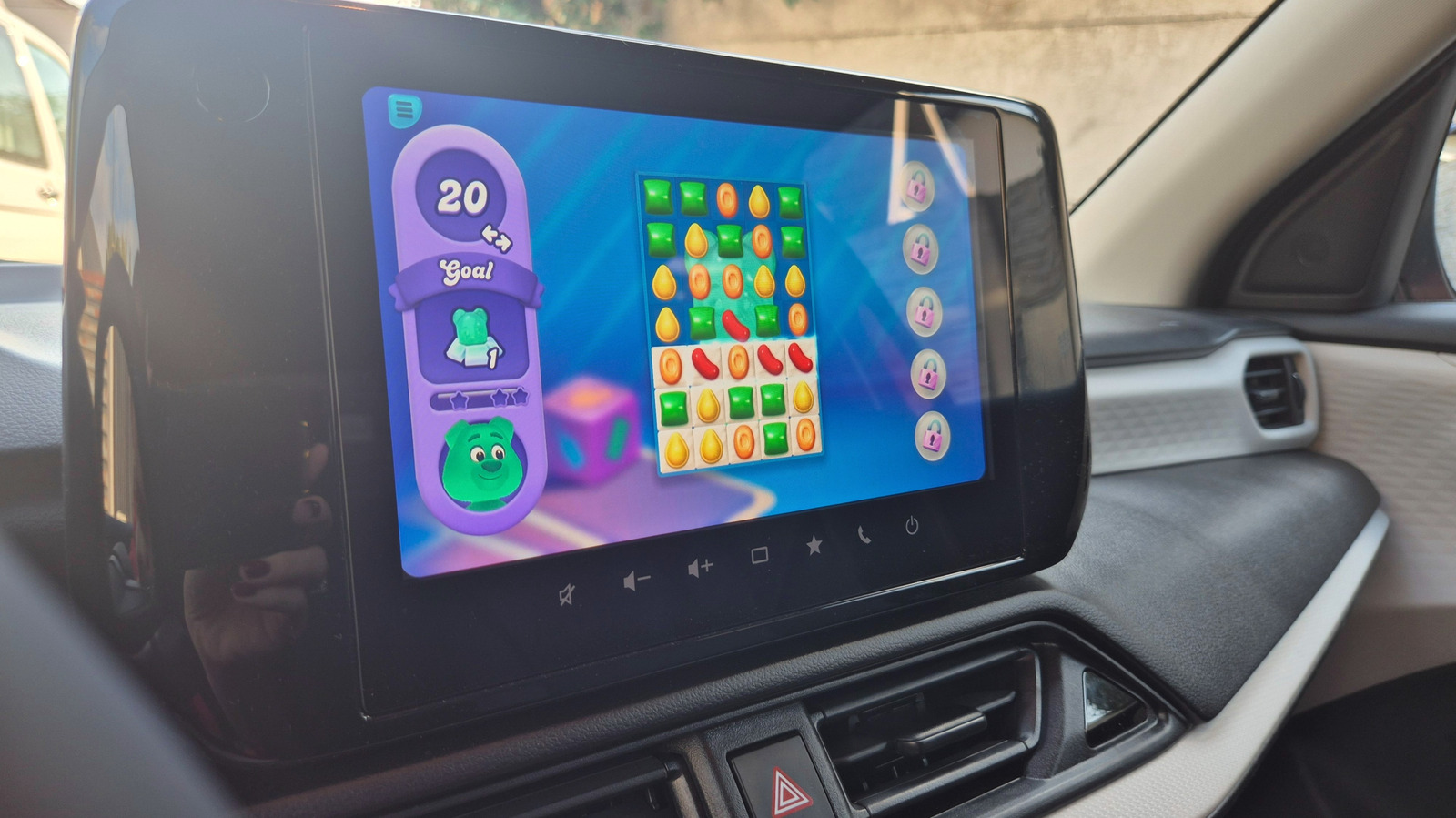
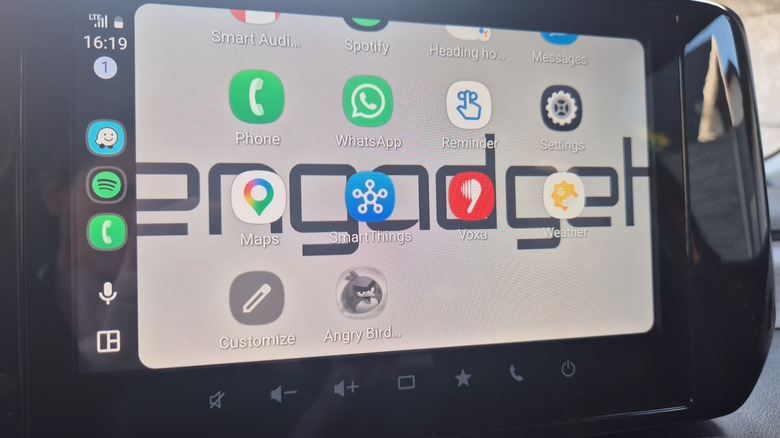
Upon launch, Android Auto’s gaming library features just over 35 titles, a number expected to grow rapidly as more developers integrate support. The initial selection caters to a broad audience, with a significant portion dedicated to educational and casual games suitable for younger passengers, such as coloring apps, letter learning games, and basic math challenges. For adults and older children, popular mobile hits like Angry Birds 2, Candy Crush Soda Saga, and Beach Buggy Racing are available. These titles are chosen for their accessibility and touch-friendly interfaces, making them well-suited for the car’s touchscreen.
However, users should note that the platform currently does not support resource-intensive or complex console-like games such as Hearthstone, Call of Duty Mobile, or Super Mario Run. The focus remains on casual and mid-core experiences that are quick to load and easy to play in short bursts. The initial weeks post-launch have seen positive feedback regarding the responsiveness of games like Candy Crush Soda Saga and the familiar fun of Angry Birds 2 on the larger display. For games requiring more precise control, such as Beach Buggy Racing, the system supports external controllers, offering a more traditional gaming experience and improving playability significantly.
Crucially, Android Auto does not allow for direct screen mirroring of a user’s phone to play any game. This is a deliberate design choice driven by both technical and safety considerations. Games must be specifically developed or adapted to be compatible with Android Auto. This native integration ensures several key benefits:
- Optimal Display Sizing and Resolution: Games are automatically scaled and optimized for the car’s specific display dimensions and aspect ratio, preventing distorted visuals or awkward controls that mirroring might cause.
- Enhanced Performance: Native apps leverage the car’s system resources more efficiently, leading to smoother gameplay.
- Robust Safety Measures: Native integration allows Google to enforce strict safety protocols, most notably the "parked only" mandate, directly within the application’s code. This prevents circumvention of safety features and ensures a consistent, secure user experience.
To access these games, users simply install them from Google Play Store’s dedicated "Android Auto" category or through Google’s curated collection of compatible titles. Once installed on the connected Android phone, the games appear in the Android Auto launcher on the car’s display. If they don’t appear automatically, users can easily customize the launcher through the Android Auto settings on their phone. For those who find the current selection insufficient, Android Auto also offers GameSnacks, a collection of lightweight, browser-based games that provide a basic level of entertainment.
Prioritizing Safety: The Unwavering ‘Parked Only’ Mandate
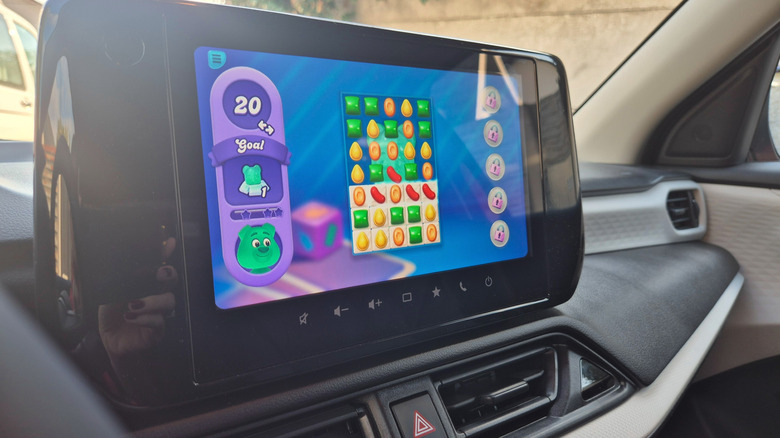
The paramount concern in developing and deploying in-car entertainment is safety, and Google has implemented stringent measures to ensure that gaming on Android Auto does not compromise driver attention or road safety. The most critical safety protocol is the "parked only" mandate: games are strictly playable only when the vehicle is completely stationary.
This mechanism is designed to be foolproof. The moment the car is shifted into gear, or begins to move, the active game instantly vanishes from the screen, Android Auto reverts to its home screen or navigation view, and the game icon grays out, becoming inaccessible. This is not a user-configurable option but a fundamental requirement embedded in the Android Auto framework and enforced on all compatible games. Developers are required to integrate this recognition into their game’s architecture, ensuring that the car’s movement status is constantly monitored.
This approach aligns with global road safety regulations and best practices aimed at preventing distracted driving. Organizations like the National Highway Traffic Safety Administration (NHTSA) and the European Transport Safety Council (ETSC) consistently advocate for minimizing in-car distractions. Google’s implementation reflects a deep understanding of these concerns, balancing the desire for enhanced user experience with an unwavering commitment to safety. The system’s design prevents any workaround for playing games while driving, even during traffic slowdowns or at stoplights, ensuring that the driver’s focus remains solely on the road when the vehicle is in motion. This proactive safety measure is a cornerstone of the Android Auto gaming experience, providing peace of mind for users, regulators, and vehicle manufacturers alike.
Fostering a Developer Ecosystem: Google’s Vision for In-Car Apps
The official launch of gaming support is not just about bringing games to cars; it’s about expanding the Android Auto developer ecosystem. Google’s invitation to all developers to implement car support for their games signifies a long-term vision for a richer, more diverse in-car application environment. This includes providing developers with the necessary tools and guidelines to adapt their existing titles or create new ones specifically for Android Auto.
The technical framework, often leveraging components of the Android for Cars App Library, streamlines the development process. This library provides standardized APIs and UI templates, allowing developers to create apps that adhere to Android Auto’s design principles and safety requirements. By standardizing development, Google aims to reduce the barrier to entry for developers, encouraging a rapid expansion of the game catalog.
For developers, this new platform represents a significant monetization opportunity. As Android Auto’s user base continues to grow, integrating games into the vehicle’s display opens up a fresh avenue for user engagement, in-app purchases, and potentially subscription models. This could incentivize further innovation in car-specific game design, leading to unique experiences tailored to the automotive context. Google’s strategy is to cultivate a vibrant developer community that sees Android Auto not just as an extension of Android but as a powerful, distinct platform with its own set of possibilities.
Industry Reactions and User Adoption: A Glimpse into the Future
Initial reactions from various stakeholders have been largely positive, albeit with a focus on future potential.
A Google spokesperson, speaking on the condition of anonymity as details were still emerging post-launch, emphasized the company’s dedication to "enriching the user experience during those often-underutilized moments in the car." They added, "Our goal is to provide a seamless, safe, and entertaining environment that complements the core functionalities of Android Auto. We believe this is just the beginning of what’s possible for in-car digital leisure."
Developers have expressed enthusiasm for the new platform. "Adapting our game for Android Auto presented unique challenges, particularly around screen sizes and control schemes, but the opportunity to reach users in a completely new context is incredibly exciting," remarked a representative from a prominent mobile game studio. "We anticipate this will open up a new revenue stream and foster innovation in how we think about gaming environments."
Automotive manufacturers, many of whom have integrated Android Auto deeply into their infotainment offerings, have also welcomed the enhancement. "Providing more robust entertainment options like integrated gaming enhances the appeal of our vehicles and aligns with the evolving expectations of our customers for a truly connected car," stated a spokesperson for a leading car brand. "It adds value to the stationary periods, particularly important for our growing line of electric vehicles."
User feedback, while still in its early stages, suggests a strong appetite for more diverse and engaging titles. While the initial selection is appreciated for its casual appeal, many users are already expressing hope for more complex games and a wider variety of genres. The ease of installation and the responsiveness of the currently available games have been highlighted as positive aspects, indicating a smooth initial rollout.
Broader Implications: Reshaping the Automotive Experience and Competitive Landscape
The introduction of native gaming on Android Auto carries significant broader implications for the automotive industry and the future of in-car technology.
- Reshaping Car Interior Design: As cars become more sophisticated entertainment hubs, future vehicle interiors might see further integration of larger, more dynamic displays, potentially including passenger-side screens optimized for media consumption and gaming. The consideration of controller placement and ergonomic design for stationary gaming could influence future dashboard layouts.
- Competitive Landscape: This move intensifies the competition in the in-car infotainment space. Apple CarPlay, Android Auto’s primary rival, will likely face pressure to expand its own entertainment offerings beyond media and basic apps. Car manufacturers’ proprietary systems will also need to innovate to match or exceed the comprehensive features offered by Google.
- Connectivity and Data Usage: Enhanced in-car entertainment will drive demand for robust and reliable in-car connectivity, potentially increasing the adoption of in-car Wi-Fi hotspots and higher data plan usage for streaming and downloading games.
- The "Third Space" Concept: The car, traditionally a utilitarian transport device, is increasingly being envisioned as a "third space" – a functional extension of home and office. Gaming capabilities reinforce this concept, making the vehicle a more versatile environment for work, relaxation, and entertainment.
- Ethical Considerations and Future Development: While the "parked only" mandate addresses immediate safety concerns, ongoing ethical discussions will likely revolve around the potential for driver distraction even when stationary, or the implications of increased screen time for passengers. Future developments might include cloud gaming integration, offering access to an even broader library of titles without relying on local storage, or more advanced interactive experiences that leverage the car’s unique sensors and features.
In conclusion, Google’s official rollout of gaming support for Android Auto marks a definitive step towards a more entertaining and feature-rich in-car experience. By strategically targeting stationary downtime and rigorously enforcing safety protocols, Google is poised to transform how millions of drivers and passengers spend their idle moments, further cementing Android Auto’s position at the forefront of automotive digital innovation. The journey has just begun, and the road ahead promises an even more integrated and exciting future for connected cars.