Metty Iskandar
The foldable smartphone market, once a niche segment characterized by nascent technology and significant compromises, is rapidly maturing. As Samsung gears up for the launch of its Galaxy Z Fold 8, industry observers and tech enthusiasts are closely scrutinizing its potential to not only solidify Samsung’s dominance but also to set a benchmark against which future foldable devices, including Apple’s rumored iPhone Ultra, will be measured. While Apple’s formidable brand loyalty and existing ecosystem present a significant challenge, the Galaxy Z Fold 8, building on years of iterative refinement, possesses distinct advantages, particularly in its established productivity features and the inherent openness of the Android platform, that position it as a formidable contender rather than an easy target.
The Evolving Foldable Landscape: From Novelty to Necessity
The journey of foldable smartphones began with a promise of a device that could seamlessly transition between a compact phone and a tablet-like experience. Early iterations, while groundbreaking, were often plagued by durability concerns, software immaturity, and prohibitively high price points. Samsung, a pioneer in this space, has consistently invested in refining its foldable technology, learning from past iterations to address these challenges. The Galaxy Z Fold series, in particular, has evolved from a device that felt like a proof of concept to a sophisticated tool for productivity and entertainment.
The introduction of the Galaxy Z Fold 8 signifies a new chapter in this evolution. Building on the foundation laid by its predecessors, the Fold 8 is expected to incorporate further enhancements in display technology, hinge durability, and software optimization. This continuous improvement cycle, driven by Samsung’s extensive experience, provides a crucial advantage over any newcomer to the foldable arena.
Multitasking Prowess: A Key Differentiator for the Galaxy Z Fold 8
One of the most compelling arguments for the utility of book-style foldables lies in their capacity for enhanced multitasking. The expansive internal display transforms the device into a portable workstation, allowing users to run multiple applications simultaneously and efficiently. Samsung’s One UI software has been instrumental in unlocking this potential on the Galaxy Z Fold series. Features such as the 90:10 multitasking split, allowing for a primary app alongside a secondary one, and the flexibility to resize and reposition windows, offer a level of user control that is currently unmatched in the mobile space.
Furthermore, the implementation of app pairs, which allows users to save combinations of frequently used applications to launch simultaneously, streamlines workflows and significantly boosts productivity. This feature, honed over several generations of Samsung foldables, provides a tangible benefit that justifies the larger form factor.
In contrast, Apple’s approach to multitasking on its mobile operating system has historically been more conservative. While iPadOS offers more advanced multitasking capabilities, including split view and Slide Over, these features have not yet been seamlessly integrated into the iPhone experience. The development of a potential iPhone Ultra raises questions about whether Apple would embrace a more open and flexible multitasking paradigm, or if it would adhere to its more curated user experience. Given Apple’s penchant for maintaining tight control over its software ecosystem and user interface, the seamless porting of advanced multitasking features from iPadOS to a foldable iPhone, especially one that aims to compete with the productivity-centric Galaxy Z Fold, remains a significant question mark. The potential hesitation from Apple to fundamentally alter the iPhone user experience could be a critical hurdle in challenging the established multitasking advantages of Samsung’s foldables.
Addressing the Foldable Hardware Challenges: Samsung’s Experience Advantage
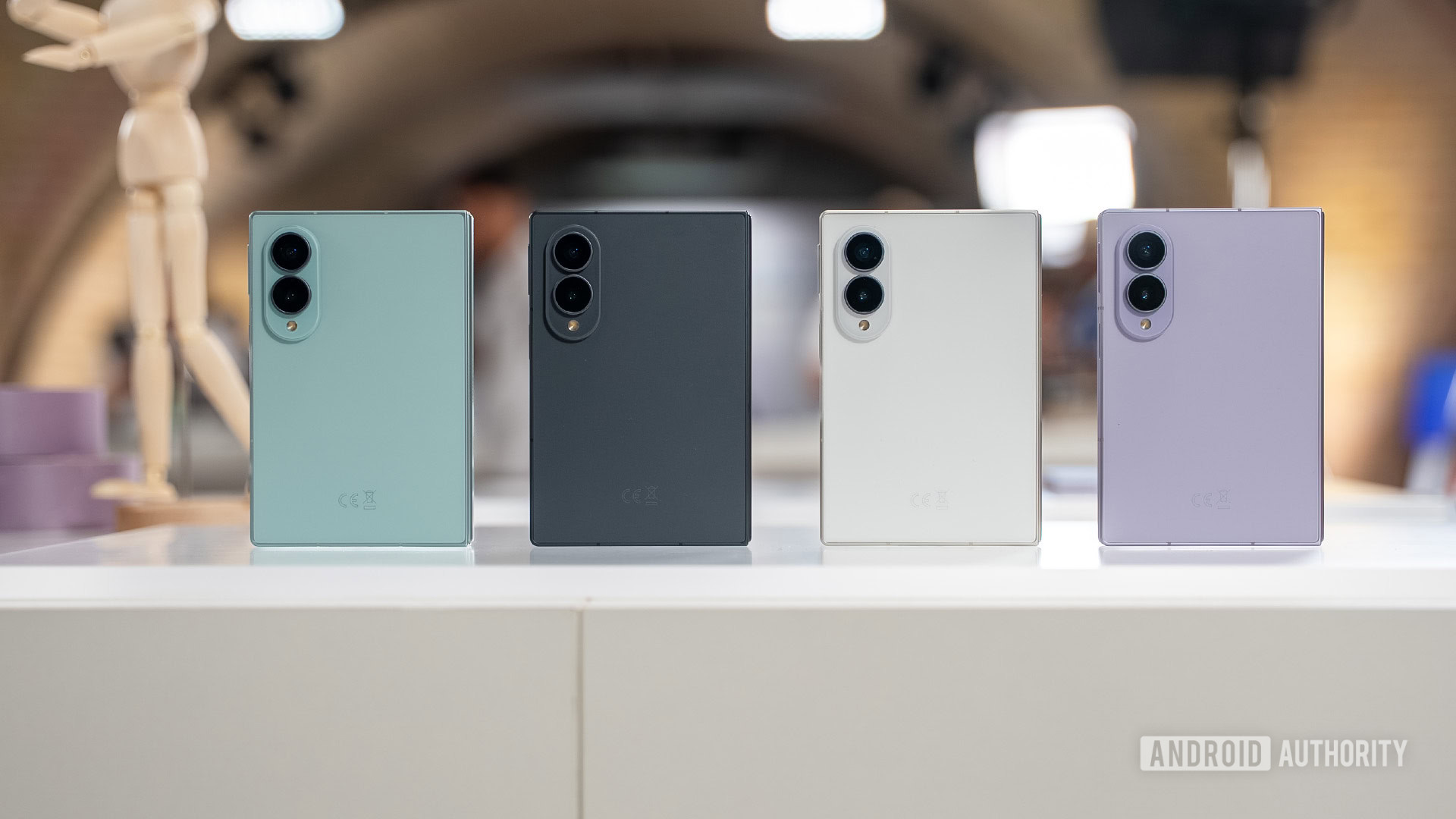
The engineering challenges inherent in creating a durable and reliable foldable device are substantial. The hinge mechanism, the display’s flexibility, and the overall structural integrity all require meticulous design and rigorous testing. Samsung has invested years and significant resources in perfecting its hinge technology, addressing issues such as dust ingress and long-term wear. The iterative improvements in durability and the smooth operation of the hinge on recent Galaxy Z Fold models are a testament to this sustained effort.
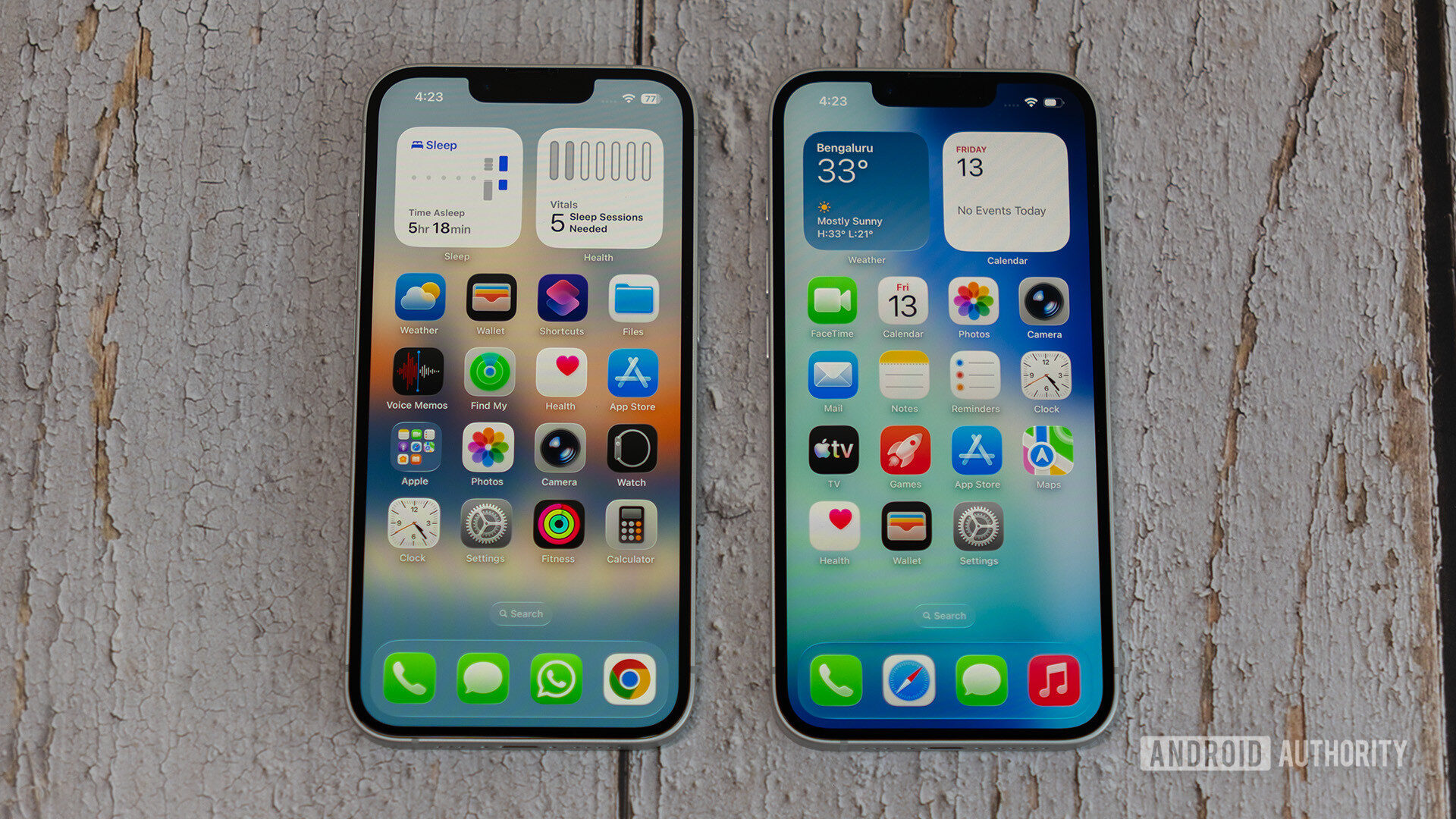
The introduction of a foldable device by Apple, while potentially benefiting from the company’s renowned industrial design expertise, would necessitate navigating these complex hardware challenges for the first time in this specific form factor. While Apple has a history of producing robust devices, the unique stresses and demands placed on a foldable hinge and display present a distinct set of engineering hurdles. Samsung’s "learning by doing" approach, which has involved addressing and resolving early-generation issues, provides a significant head start. The company has already established robust manufacturing processes and supply chains tailored for foldable components, offering a level of maturity that a new entrant would struggle to replicate quickly.
App Continuity and Ecosystem Integration: A Two-Sided Coin
A crucial aspect of the foldable user experience is seamless app continuity, ensuring that applications transition smoothly between the cover display and the larger internal screen. Samsung’s software has evolved to manage these transitions effectively, providing an uninterrupted user experience. The taskbar, a feature introduced to better utilize the expansive unfolded display, further enhances this by providing quick access to frequently used apps and system functions, akin to a desktop operating system.
The role of third-party developers is also paramount in the success of any foldable device. Android’s open nature has historically encouraged developers to optimize their applications for a wider range of screen sizes and form factors. Samsung and Google actively work with developers to ensure app compatibility and scaling, contributing to a more robust software ecosystem for foldables.
Apple’s walled garden ecosystem, while offering a consistent user experience, can present challenges for new form factors. The company’s tight control over app development and distribution may mean that applications are not as readily optimized for the unique capabilities of a foldable device. While Apple’s developer community is vast, the impetus for developers to invest in creating tailored foldable experiences might be lower compared to the more open Android platform, where such optimization is often a necessity for flagship devices.
Pricing and Market Positioning: A Premium Battleground
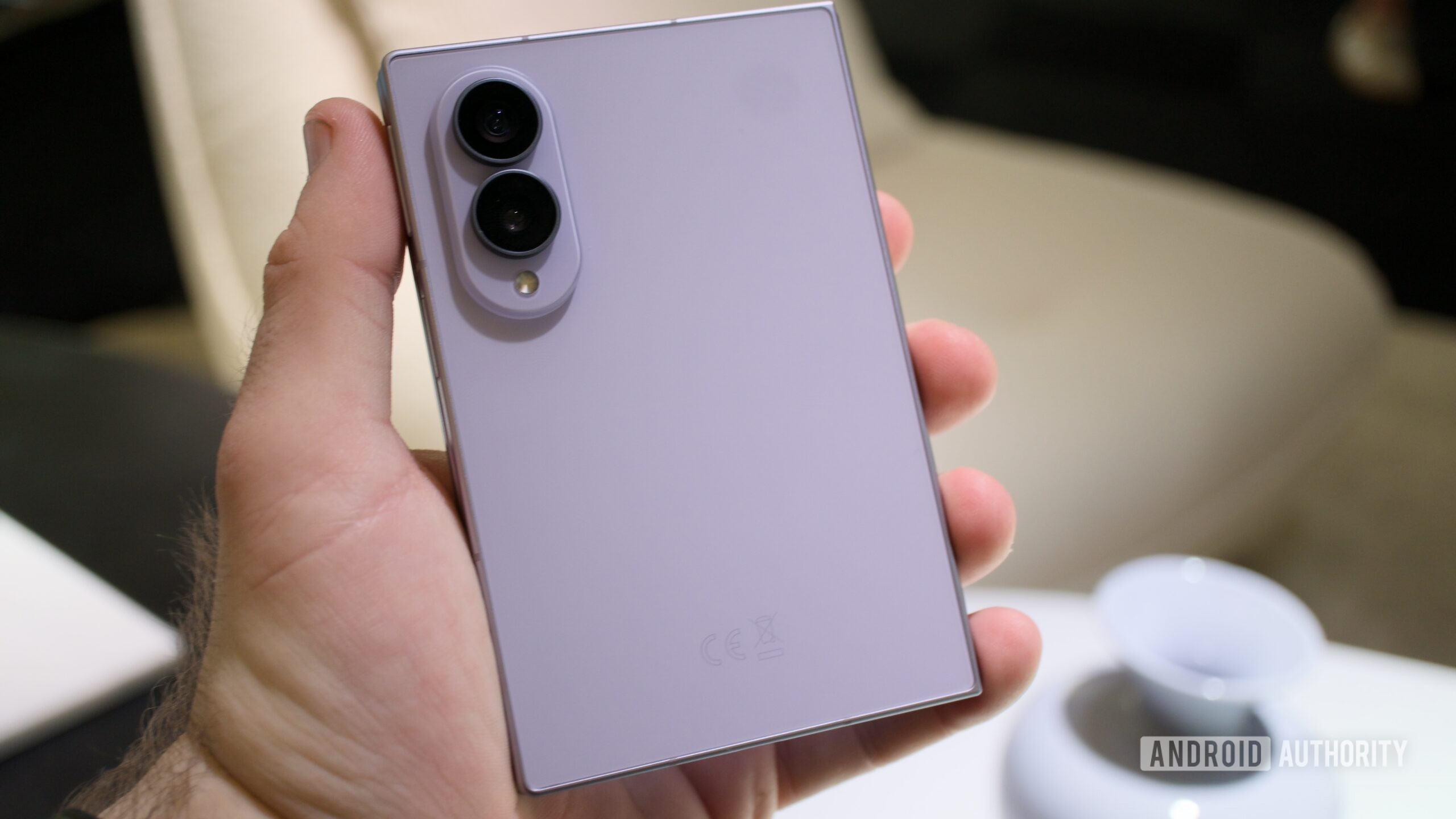
The premium pricing of foldable smartphones has been a consistent factor, with devices often costing upwards of $1,500. The Galaxy Z Fold 8 is expected to continue this trend, likely with a price tag around $1,900. This positions foldable devices as aspirational products, appealing to early adopters and users who prioritize cutting-edge technology and enhanced functionality.
Apple’s entry into the foldable market with an "iPhone Ultra" is widely anticipated to carry a similar, if not higher, premium. Given Apple’s pricing strategies for its Pro and Max models, it is plausible that an iPhone Ultra could retail for upwards of $2,200, making it a significant financial commitment for consumers. This price point could make the Galaxy Z Fold 8, despite its own high cost, a more accessible option for those seeking a foldable experience, especially if they are not exclusively tied to the Apple ecosystem. The established value proposition of Samsung’s foldable technology, combined with its iterative improvements, could present a compelling case for consumers weighing the financial implications of entering the foldable market.
Apple’s Strengths: The Enduring Ecosystem and Brand Appeal
Despite the advantages held by Samsung, it would be shortsighted to dismiss Apple’s potential impact on the foldable market. The company’s most significant asset is its deeply entrenched ecosystem. For millions of users, the seamless integration between iPhones, iPads, Macs, and Apple Watches creates a powerful incentive to remain within the Apple fold. The introduction of a foldable iPhone would provide these users with a foldable option without requiring them to abandon their familiar digital environment.
Apple’s prowess in industrial design and its mastery of lifestyle branding are also undeniable. The company has a proven track record of transforming technology into desirable lifestyle accessories, exemplified by the success of the Apple Watch and AirPods. It is highly probable that Apple would leverage its powerful marketing machine and aesthetic appeal to position its foldable device as a premium lifestyle product, mirroring the strategies employed by Motorola with its Razr line.
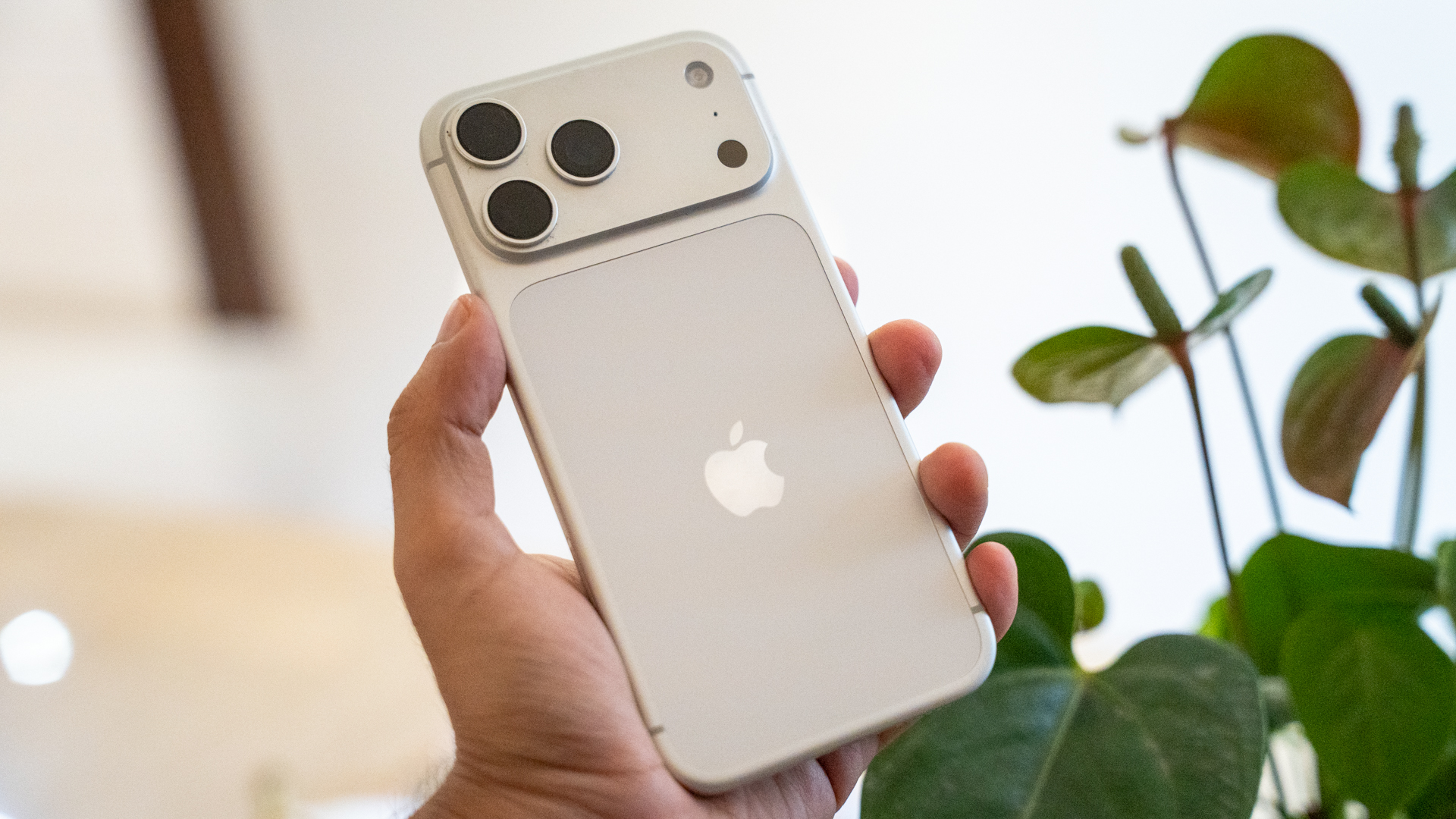
Furthermore, the ongoing development of Apple Intelligence could play a pivotal role. If Apple can effectively leverage the vast amounts of user data stored within its ecosystem to deliver truly intelligent and personalized AI experiences, it could significantly enhance the appeal of its devices. The ability of Apple Intelligence to organize and recall information meaningfully could revitalize iOS as a platform, particularly for a device that aims to offer enhanced productivity. The potential for a foldable iPhone to serve as a central hub for these advanced AI capabilities could be a powerful draw for consumers.
A Competitive Future: The Foldable Race Intensifies
The narrative surrounding the foldable smartphone market is shifting from a question of "if" Apple will enter to "how" it will compete. While the Galaxy Z Fold 8 benefits from years of development, a refined software experience, and a mature ecosystem of foldable-specific features, Apple possesses the unparalleled advantage of its user base and brand loyalty.
The success of the Galaxy Z Fold 8 will hinge on its ability to continue delivering on the promise of a versatile, productive, and durable foldable device. Samsung’s established presence and ongoing innovation provide a strong foundation. However, the market is poised for a significant shift with Apple’s anticipated entry. It is likely that the competition between Samsung and Apple in the foldable space will not be about one company "dominating" the other, but rather about distinct ecosystems catering to different user preferences. Android’s inherent openness and flexibility, which have fostered the development of advanced multitasking and app scaling for foldables, will continue to be a key differentiator. As the foldable market matures, the choice between a Samsung Galaxy Z Fold and a future Apple foldable will likely come down to individual ecosystem preferences and the specific features that best align with a user’s needs and priorities. The ongoing innovation from both camps promises an exciting future for foldable technology.