
 George Chandra Eka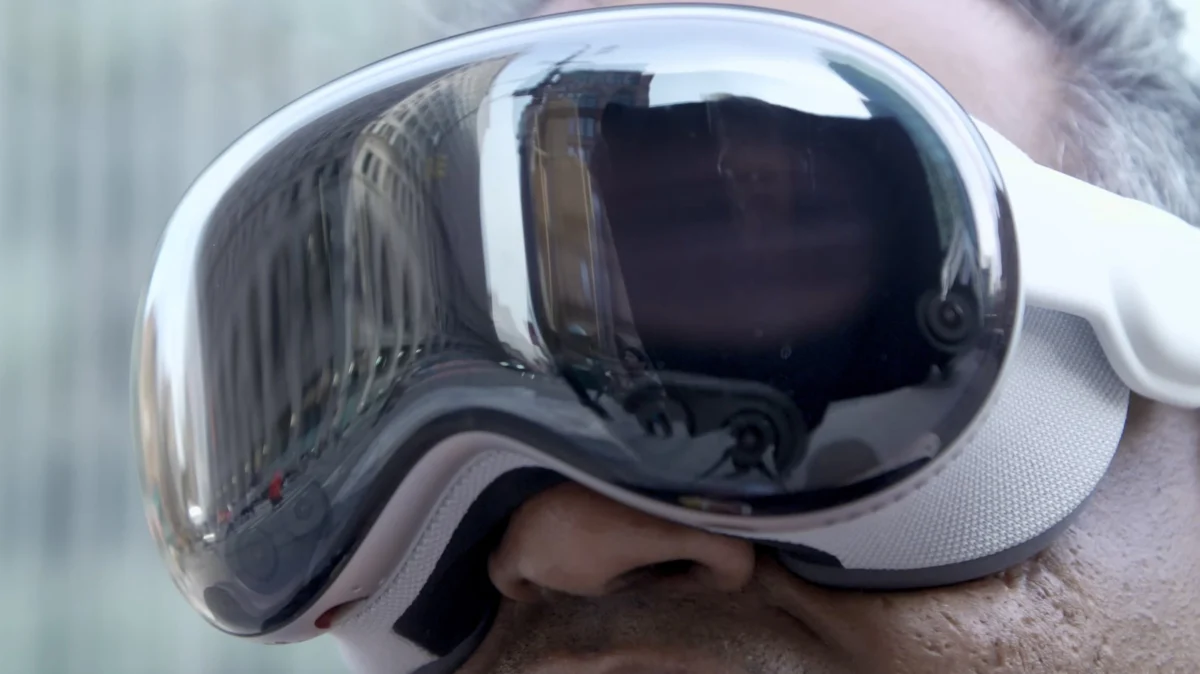
Apple Inc. has reportedly undertaken significant workforce reductions within its Vision Pro and Siri software development divisions, impacting approximately 200 employees. This strategic realignment, first reported by Bloomberg’s Mark Gurman, signals a decisive pivot in the Cupertino giant’s long-term vision for augmented reality (AR) and artificial intelligence (AI), moving away from certain aspects of its initial Vision Pro strategy and accelerating its generative AI endeavors. The layoffs are concentrated in specific areas, with the Vision Pro cuts primarily affecting teams dedicated to gaming and immersive video content, while the Siri reductions target personnel involved with the older iterations of the voice assistant, as Apple transitions to a new, large language model (LLM)-based AI architecture.
Sweeping Organizational Changes Impact Vision Pro and Siri Divisions
The recent layoffs at Apple represent a calculated recalibration of resources, reflecting broader shifts in technological priorities across the company. Sources close to the matter indicate that roughly 100 positions were eliminated from the Vision Products Group, with another 100 from the Siri and broader software engineering teams. This move underscores Apple’s commitment to optimizing its talent pool for future initiatives, particularly in the highly competitive fields of advanced AI and next-generation AR wearables.
For the Vision Pro team, the reductions specifically targeted engineers and content creators focused on developing gaming experiences and immersive video formats. These areas, while initially highlighted as key features during the Vision Pro’s unveiling, now appear to be less central to Apple’s evolving strategy for its "spatial computing" platform. The decision suggests a reevaluation of the return on investment for such specialized content, especially given the current user base and the high costs associated with producing premium immersive media.
Concurrently, the Siri division experienced layoffs primarily affecting teams responsible for maintaining and developing the legacy Siri assistant. This restructuring is a direct consequence of Apple’s aggressive push into generative AI, exemplified by the recent unveiling of "Apple Intelligence." The new AI system demands a distinct set of skills, focusing on machine learning, natural language processing (NLP) at scale, and complex data architecture, necessitating a shift in personnel expertise.
Strategic Reorientation for Vision Pro: From Immersive Video to Future AR
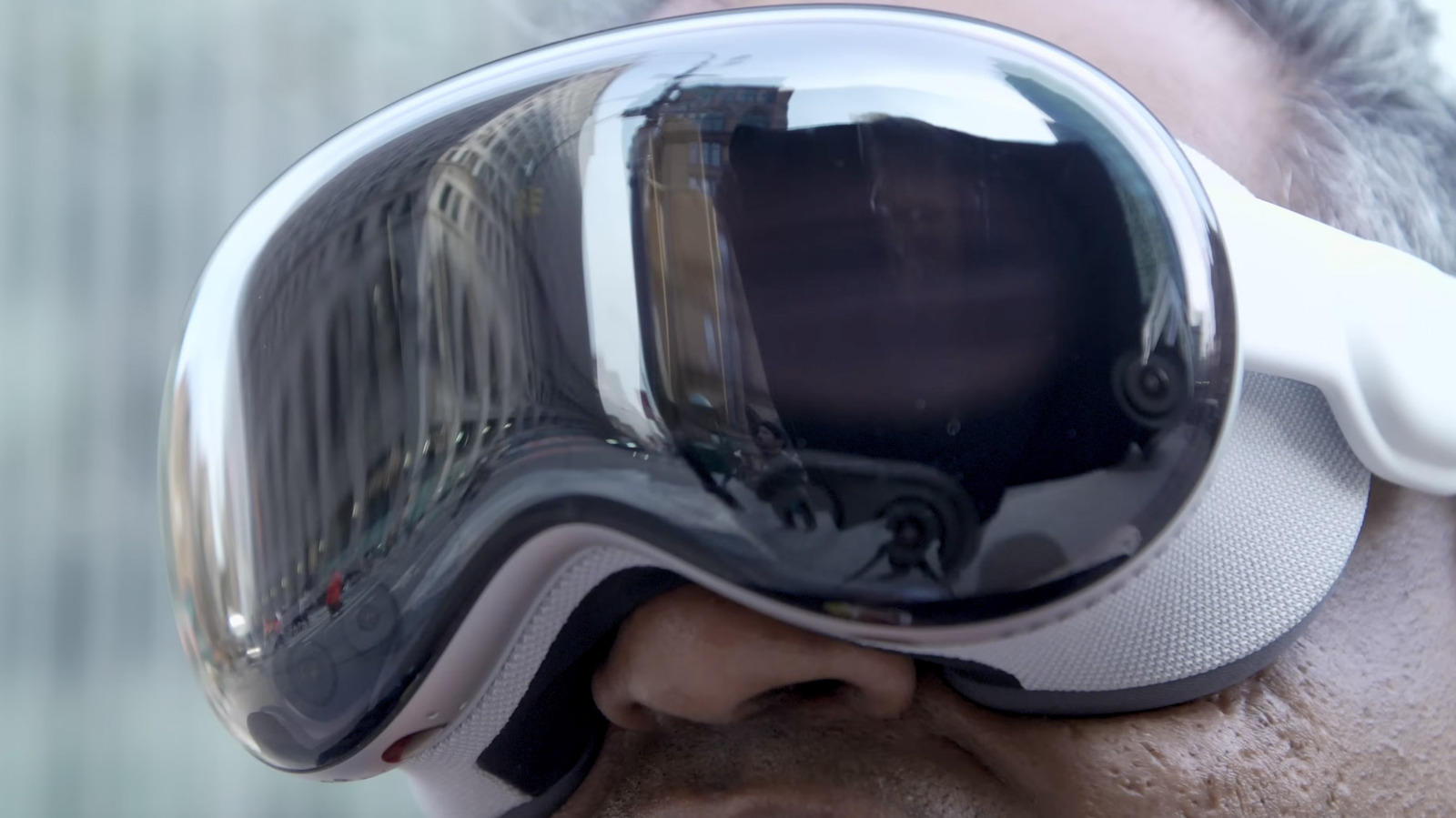
The adjustments within the Vision Pro division are perhaps the most telling indicator of Apple’s evolving AR strategy. While the Vision Pro headset itself garnered immense attention upon its announcement and subsequent launch, its journey has been marked by a combination of technological marvel and market challenges. The layoffs in gaming and immersive video teams can be seen as a direct response to these realities.
The Vision Pro, priced at a premium $3,699, has faced headwinds in achieving mass market adoption. Initial reviews, while praising its groundbreaking display technology and seamless integration with the Apple ecosystem, also highlighted its considerable weight, limited battery life, and the "cumbersome user experience" that made extended use challenging for many. These factors contributed to a narrower-than-expected user base, making the high production cost of specialized immersive content – a hallmark of the Vision Pro experience – increasingly difficult to justify. Creating high-quality spatial videos, interactive gaming environments, and bespoke applications for a niche audience proved to be a costly endeavor with potentially limited scalability.
Further underscoring this strategic shift is a series of reports and developments that predate the current layoffs. As early as last year, rumors circulated that Apple had put on hold the development of a direct successor to the Vision Pro (often referred to as the Vision Pro 2), instead opting to prioritize the creation of more accessible, "Meta-like AI glasses." These rumored smart glasses are envisioned to be lighter, more affordable, and potentially less focused on a fully immersive experience, instead emphasizing augmented reality overlays and AI-driven functionalities that integrate seamlessly into daily life.
Adding to the narrative of shifting priorities, a prominent Apple executive deeply involved with the Vision Pro project reportedly departed the company earlier this year to join OpenAI, a leader in generative AI. Such high-profile exits often signal internal shifts or reallocations of talent. Furthermore, reports emerged indicating that certain teams originally assigned to the Vision Pro had been redirected to work on Apple’s rumored AR glasses project, reinforcing the idea of a pivot towards a different form factor and user experience for its augmented reality ambitions.
Despite these changes, Apple has reiterated that the Vision Pro and its underlying operating system, visionOS, are not being abandoned. Company communications to employees have reportedly affirmed plans for a new Vision Pro model, potentially slated for release as early as 2028. This suggests a two-pronged strategy: continuing to refine the high-end spatial computing platform while simultaneously investing heavily in a more mainstream, consumer-friendly AR offering. However, the current cuts undeniably reflect a tactical recalibration, acknowledging that the initial focus on specific content types like immersive video and dedicated gaming might not align with the long-term strategic direction for its broader AR ecosystem.
The Vision Pro’s Initial Trajectory and Market Challenges
When Apple first unveiled the Vision Pro at its Worldwide Developers Conference (WWDC) in June 2023, it was hailed as a revolutionary step into "spatial computing." The device promised to seamlessly blend digital content with the physical world, offering an unprecedented level of immersion and interaction. The initial marketing emphasized its potential for entertainment, productivity, and communication, showcasing stunning demos of immersive movies, FaceTime calls with lifelike avatars, and productivity apps floating in the user’s environment.
The launch in February 2024 was met with considerable hype, attracting tech enthusiasts and early adopters eager to experience Apple’s foray into a new computing paradigm. However, the enthusiasm was quickly tempered by several practical considerations. The $3,699 price tag positioned the Vision Pro firmly in the luxury and professional segments, far beyond the reach of the average consumer. This high entry barrier significantly limited its potential market size.
Furthermore, while the display technology and eye-tracking were widely praised as industry-leading, the device’s physical attributes presented challenges. Weighing approximately 1.3 to 1.4 pounds (590-640 grams), users reported discomfort during prolonged wear, often citing neck strain. The external battery pack, connected by a cable, also contributed to a less streamlined experience compared to untethered VR headsets. The initial app ecosystem, though growing, was not immediately robust enough to justify the price for many, leading to questions about the "killer app" that would drive widespread adoption. Analyst estimates for Vision Pro sales in its debut year varied, but most projected figures in the low to mid-hundreds of thousands, a modest number by Apple’s typical product launch standards. This limited user base directly impacted the viability of investing heavily in high-cost, specialized content.
Siri’s Evolution: From Legacy Assistant to Generative AI Powerhouse
The layoffs within the Siri team are indicative of an equally profound strategic pivot, this time in the realm of artificial intelligence. For years, Siri, Apple’s pioneering voice assistant, has been a staple of its ecosystem, integrated across iPhones, iPads, Macs, and HomePods. However, in recent years, Siri has faced increasing criticism for its perceived limitations compared to competitors like Google Assistant and Amazon Alexa, particularly in understanding complex queries and engaging in natural, conversational interactions. Its rule-based architecture struggled to keep pace with the rapid advancements in AI, especially with the emergence of large language models (LLMs).
Apple’s acknowledgment of cuts targeting teams working on the "old version of the Siri assistant" explicitly signals a shift away from this legacy framework. The company is now aggressively retooling its AI capabilities around a new, LLM-based architecture, which was prominently showcased with the unveiling of "Apple Intelligence" at WWDC 2024. This new system promises a dramatically more capable and context-aware Siri, capable of deeper personalization, on-device processing for privacy, and seamless integration with user data across apps.
This transition necessitates a workforce with a different type of expertise. The demand has shifted from engineers focused on discrete commands and pre-programmed responses to those skilled in advanced machine learning, neural networks, data science, and the ethical implications of generative AI. The current layoffs reflect a strategic realignment of talent to meet these new demands, ensuring Apple’s AI development is spearheaded by experts in cutting-edge generative models and their applications.
The AI Arms Race and Apple’s Re-entry
The broader context for Siri’s transformation is the intense global AI arms race that has accelerated dramatically since late 2022 with the public launch of OpenAI’s ChatGPT. Companies like Google, Microsoft, and Meta have poured billions into developing their own powerful LLMs and integrating generative AI across their product portfolios. For a period, Apple appeared to be lagging in this particular aspect of the AI frontier, despite its long-standing commitment to on-device machine learning for features like facial recognition and computational photography.
The unveiling of Apple Intelligence marked Apple’s definitive re-entry into the generative AI race, albeit with a distinct focus on privacy and deeply personal integration. The new system promises to infuse generative AI capabilities directly into the core of iOS 18, iPadOS 18, and macOS Sequoia, enhancing writing, summarizing, image creation, and ultimately, a much more intuitive and powerful Siri. The revamped Siri, powered by Apple Intelligence, is designed to understand personal context, remember past conversations, and perform complex multi-application tasks, moving far beyond its previous capabilities. This strategic shift is not merely an upgrade; it’s a fundamental reimagining of how users interact with their devices and how Apple leverages AI.
Apple’s Official Stance and Employee Support
In response to inquiries regarding the workforce adjustments, Apple provided a statement confirming the organizational changes. "While we will create new roles as part of this change, it will also impact a limited number of existing roles," the company acknowledged. This statement is typical of corporate restructuring announcements, emphasizing both the necessity of change and a commitment to its workforce.
Apple further elaborated on its approach to supporting affected employees: "We are grateful to these team members for their contributions, and we are committed to supporting them throughout their transition, including opportunities to apply for other roles at Apple." Such assurances often include severance packages, extended benefits, and assistance with job placement, both internally and externally. The offer for internal transfers suggests that some of the displaced talent, particularly those with transferable skills, might find new roles within other burgeoning divisions of Apple, aligning their expertise with the company’s evolving strategic imperatives. This commitment to internal mobility can help mitigate the impact of layoffs and retain valuable institutional knowledge.
A Chronology of Apple’s Strategic Shifts
Understanding the current layoffs requires a look at a timeline of key events that have shaped Apple’s recent strategic decisions in AR and AI:
- June 2023: Apple officially unveils the Vision Pro headset at WWDC, generating significant industry buzz and setting high expectations for "spatial computing."
- October 2023 (Rumor): Reports emerge from Bloomberg suggesting Apple has "shelved" plans for a direct successor to the Vision Pro (Vision Pro 2) in favor of prioritizing lighter, more affordable "Meta-like AI glasses." This marks an early indication of a potential shift in AR strategy.
- February 2024: The Vision Pro officially launches in the U.S. to a mix of awe for its technology and criticism regarding its price, weight, and initial content ecosystem.
- March 2024: A key Apple executive involved with the Vision Pro project reportedly departs to join OpenAI, signaling potential internal restructuring or a refocusing of talent. Around this time, reports also indicate that some Vision Pro development teams are being reassigned to work on the rumored AR glasses.
- June 2024: Apple hosts WWDC, unveiling "Apple Intelligence" and an entirely revamped, LLM-powered Siri, marking its aggressive entry into the generative AI space and signaling a major overhaul of its voice assistant. This also introduces iOS 18 (which the original article mistakenly refers to as iOS 27), which is the platform for the new AI features.
- August 2024 (Reported): The current layoffs are reported, affecting Vision Pro teams (gaming, immersive video) and legacy Siri teams, directly aligning with the strategic pivots previously signaled.
- 2028 (Projected): Apple reportedly plans for a new Vision Pro model, indicating a continued commitment to the platform, albeit with a refined long-term strategy that may de-emphasize certain content types like intensive gaming or high-cost immersive video in favor of other applications.
Broader Implications for Apple’s Innovation Roadmap
The layoffs and accompanying strategic realignments carry significant implications for Apple’s future innovation roadmap. For its augmented reality ambitions, the move suggests a more pragmatic approach. While the Vision Pro remains a technological showcase, Apple appears to be recognizing the challenges of mass-market adoption for high-end, fully immersive headsets. The pivot towards "Meta-like AI glasses" signals a potential focus on a more ubiquitous, always-on AR experience that prioritizes convenience, affordability, and subtle augmentation over intense immersion. This could involve less demanding hardware and software, making it easier for developers to create compelling applications without the prohibitive costs associated with hyper-realistic spatial content. Analysts largely view this as a sensible adjustment, acknowledging the nascent state of the AR/VR market and the need for a more gradual, user-friendly entry point.
In the AI domain, the restructuring firmly entrenches Apple’s commitment to generative AI. By shedding personnel from legacy Siri teams and presumably reallocating resources to develop Apple Intelligence, the company is signaling its intent to be a major player in the evolving AI landscape. This is crucial for maintaining competitiveness against Google, Microsoft, and other tech giants that have heavily invested in AI. The success of Apple Intelligence will be vital not only for the future of Siri but also for differentiating Apple’s entire ecosystem in an increasingly AI-driven world. The strategic move underscores the realization that simply having an AI assistant is no longer enough; it must be intelligent, personalized, and seamlessly integrated.
Financially, while 200 layoffs are a relatively small number for a company of Apple’s size (over 160,000 employees), they represent a reallocation of significant research and development (R&D) resources. By optimizing teams, Apple can ensure its R&D spending is channeled towards areas with the highest strategic priority and potential for future growth. This is a common practice in large corporations seeking to maintain agility and innovation in rapidly changing technological sectors.
The Tech Industry Landscape: A Mirror of Apple’s Challenges
Apple’s strategic adjustments are not occurring in isolation; they reflect broader trends and challenges facing the entire tech industry. The augmented and virtual reality market, while promising, has proven difficult to monetize at scale. Companies like Meta have invested billions in their metaverse vision, only to face significant financial losses and slow adoption rates for their VR headsets. The struggle to find a "killer app" and overcome hurdles related to comfort, price, and content availability is a shared industry challenge. Apple’s pivot can be seen as a cautious, yet decisive, response to these market realities, aiming to avoid the pitfalls encountered by others.
Similarly, the rapid evolution of AI has forced every major tech player to reassess its strategy. The shift from traditional, rule-based AI to generative AI has created a new demand for specialized talent and has rendered some legacy systems obsolete. Companies worldwide are restructuring their AI divisions, hiring new experts, and re-training existing employees to adapt to this paradigm shift. Apple’s actions with Siri are therefore consistent with the broader industry trend of accelerating AI development and reallocating resources to meet the demands of this transformative technology. The competitive landscape for AI talent is fierce, and companies are aggressively recruiting or restructuring to build the best teams.
Looking Ahead: Apple’s Dual Future in AI and Augmented Reality
The layoffs, while unfortunate for the individuals affected, highlight Apple’s proactive approach to shaping its future. The company is simultaneously refining its high-end spatial computing vision with the Vision Pro (with a new model anticipated in 2028) and aggressively pursuing a more accessible form of AR through rumored smart glasses. This dual strategy aims to capture different segments of the emerging AR market, from professional and enthusiast users to a broader consumer base.
Concurrently, Apple Intelligence is poised to redefine the user experience across Apple’s vast ecosystem, making devices more intuitive, powerful, and deeply personal. The success of these initiatives will hinge on Apple’s ability to seamlessly integrate advanced AI with compelling hardware, maintaining its reputation for user-friendly innovation and stringent privacy controls. The current restructuring is a clear indication that Apple is willing to make tough decisions and reallocate resources to ensure it remains at the forefront of these critical technological frontiers. The coming years will reveal how effectively Apple navigates these complex transitions and translates its strategic shifts into compelling new products and experiences for its global user base. Engadget has reached out to Apple for further comment on these developments.







