Galang Taruna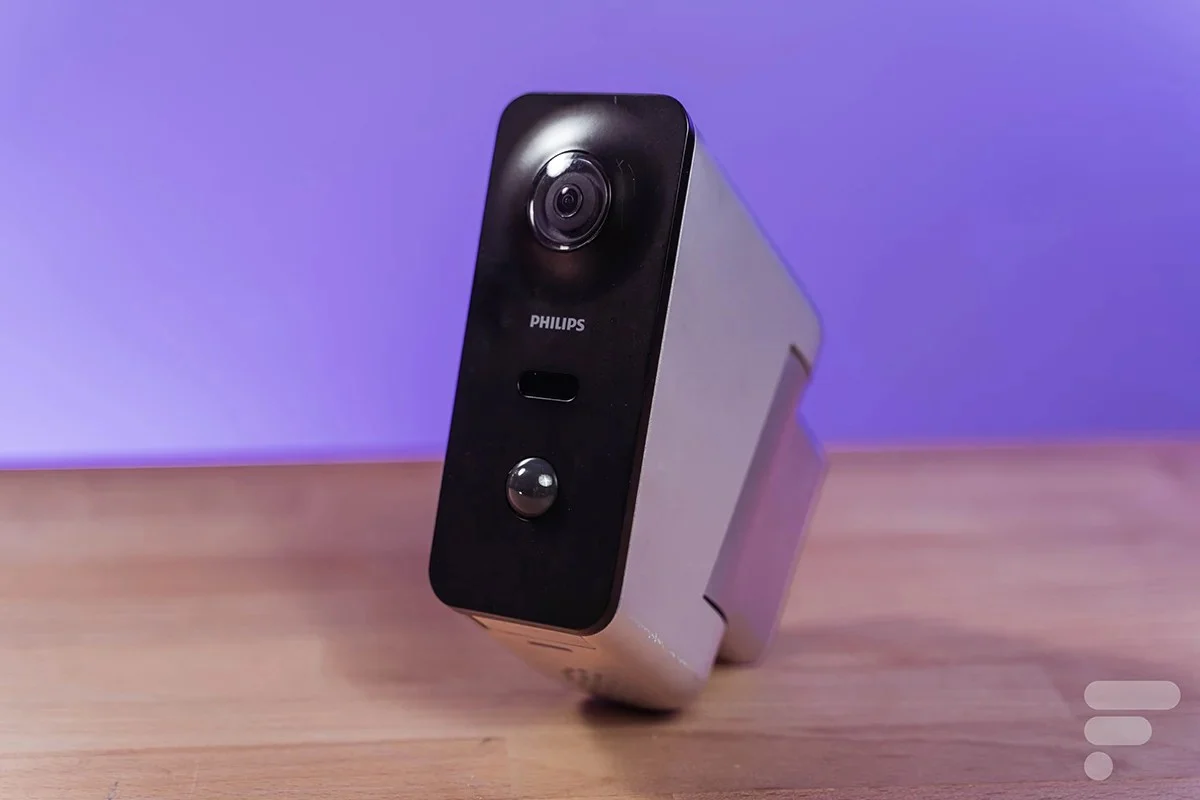
The landscape of home security is continuously evolving, with outdoor surveillance cameras emerging as a cornerstone of modern protective measures. In 2026, these intelligent devices offer more than just a watchful eye; they act as proactive deterrents against potential intruders, providing homeowners with unparalleled peace of mind. This detailed comparative analysis, based on extensive testing, delves into the leading outdoor surveillance cameras available, encompassing wired, wireless, and solar-powered options, to help consumers make informed decisions for safeguarding their properties.
The Imperative of Outdoor Surveillance in Modern Homes
In an era defined by connectivity and increasing security concerns, outdoor surveillance cameras have transcended their traditional role as mere recording devices. They are now integral components of a comprehensive smart home security ecosystem, designed not only to capture incidents but also to prevent them. Unlike their indoor counterparts, outdoor cameras face harsher environmental conditions and require specific features to perform effectively. Key attributes for a superior outdoor camera include exceptional image quality, robust night vision capabilities, reliable data storage, seamless smartphone integration for remote management, and advanced motion detection. These elements collectively empower homeowners to monitor their premises with confidence and respond swiftly to any anomalies. The market for smart home security solutions continues its upward trajectory, driven by technological advancements such as artificial intelligence (AI) for enhanced detection and improved data processing, making the selection of the right camera a critical decision for proactive home protection.
Key Considerations for Outdoor Security Cameras
Choosing the optimal outdoor surveillance camera involves evaluating several critical factors that impact performance, reliability, and user experience.
- Image Quality and Night Vision: High-definition video (Full HD 1080p, 1440p, or even 4K) is paramount for clear identification. Equally important is effective night vision, which can range from infrared monochrome to advanced color night vision, often augmented by integrated floodlights or starlight sensors for clarity in low-light conditions. A wide field of view (FoV) is also crucial for comprehensive coverage.
- Storage Solutions: Local vs. Cloud: Data storage options vary significantly. Local storage, typically via a microSD card, offers privacy and often avoids subscription fees, though it has capacity limits and physical vulnerability. Cloud storage, conversely, provides remote access, greater capacity, and redundancy, but usually comes with monthly or annual subscription costs. Some cameras offer a hybrid approach, combining both.
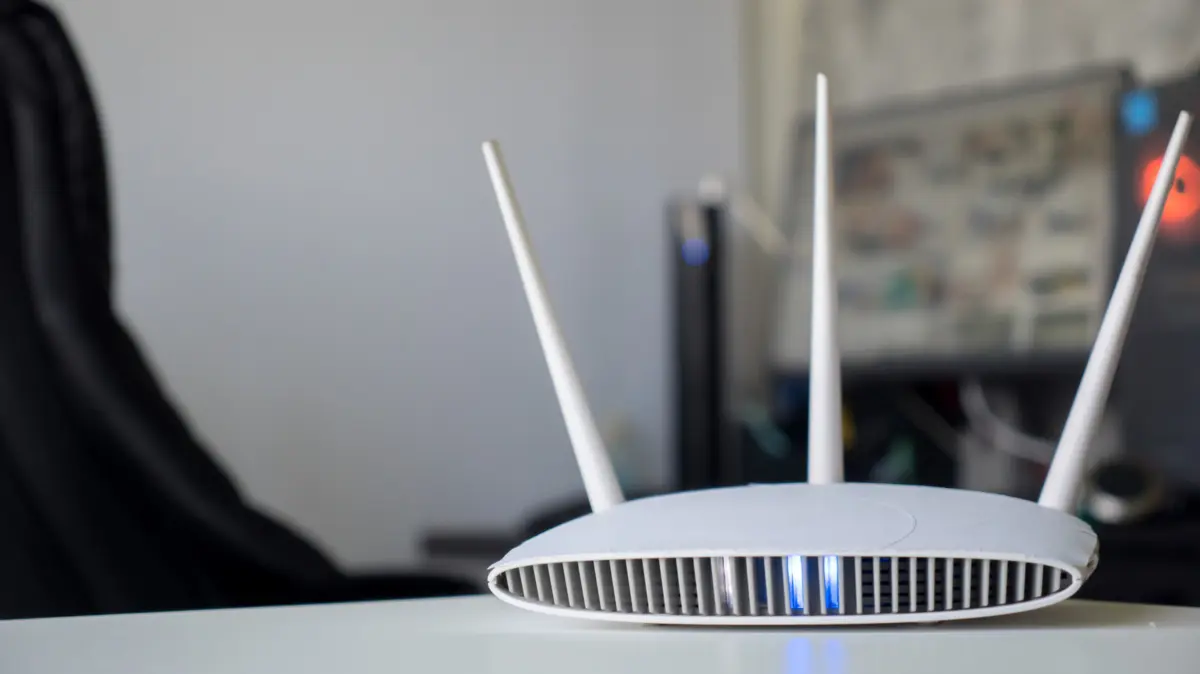
- Connectivity and Power Options: Cameras can be wired (offering stable power and data), battery-powered (providing flexibility but requiring recharging), or solar-powered (environmentally friendly and self-sustaining, but dependent on sunlight). Wi-Fi connectivity is standard, with support for 2.4 GHz and sometimes 5 GHz bands, the latter offering higher bandwidth for smoother streaming. Ethernet ports provide a more reliable wired network connection.
- Smart Features and AI Integration: Modern cameras leverage AI for advanced functionalities such as 3D motion detection, aerial view mapping, person/vehicle/animal differentiation, customizable activity zones, and facial recognition. Two-way audio allows for direct communication, while integrated sirens and floodlights serve as powerful active deterrents.
- Durability and Weather Resistance: Given their outdoor placement, cameras must withstand diverse weather conditions. IP ratings (e.g., IP65, IP66, IP67) indicate resistance to dust and water. Operating temperature ranges (e.g., -20°C to 48°C) are also vital for performance in extreme climates.
Top Outdoor Surveillance Cameras for 2026: An In-Depth Review
The market offers a diverse range of outdoor cameras, each with unique strengths. Here, we highlight some of the top-performing models tested for 2026.
Ring Spotlight Cam Pro: The Feature-Rich Illuminator
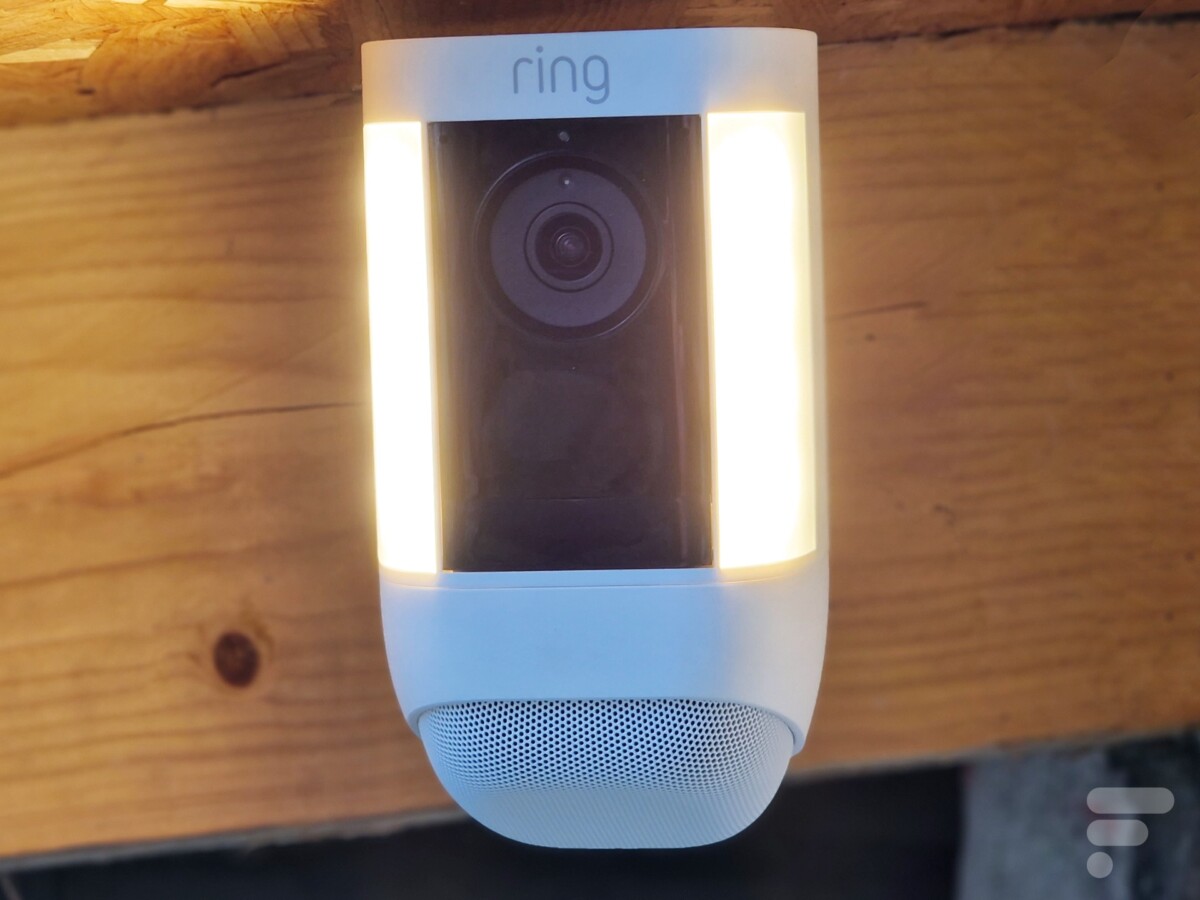
As a subsidiary of Amazon, Ring has established itself as a prominent player in connected security, offering a suite of devices from video doorbells to surveillance cameras. The Spotlight Cam Pro, available in battery, solar, or wired versions, exemplifies a premium offering. Its sleek design, available in black or white, integrates two powerful LED strips that provide ample illumination, enhancing visibility and deterrence. Certified IP65, it is built to endure outdoor conditions, operating reliably between -20°C and 48°C.
The Spotlight Cam Pro stands out for its comprehensive feature set. It delivers Full HD 1080p video with HDR for exceptional clarity, complemented by color night vision. Its advanced 3D motion detection and "aerial view" mapping capabilities allow for precise tracking of movement within a defined perimeter, significantly reducing false alarms. A robust 105 dB siren and bright 575-lumen LED lights provide potent active deterrence. Furthermore, its ability to connect to 5 GHz Wi-Fi networks ensures a stable and high-speed connection for live streaming and event recording. The intuitive Ring application facilitates easy management, allowing users to define specific motion detection zones and privacy areas, preventing the camera from recording sensitive neighboring properties or innocuous movements like swaying tree branches. The audio quality is also reported as impeccable, making two-way communication clear and effective. This camera represents a significant investment in high-end, intelligent outdoor surveillance.
Philips Welcome Eye View: Blending Design and Performance
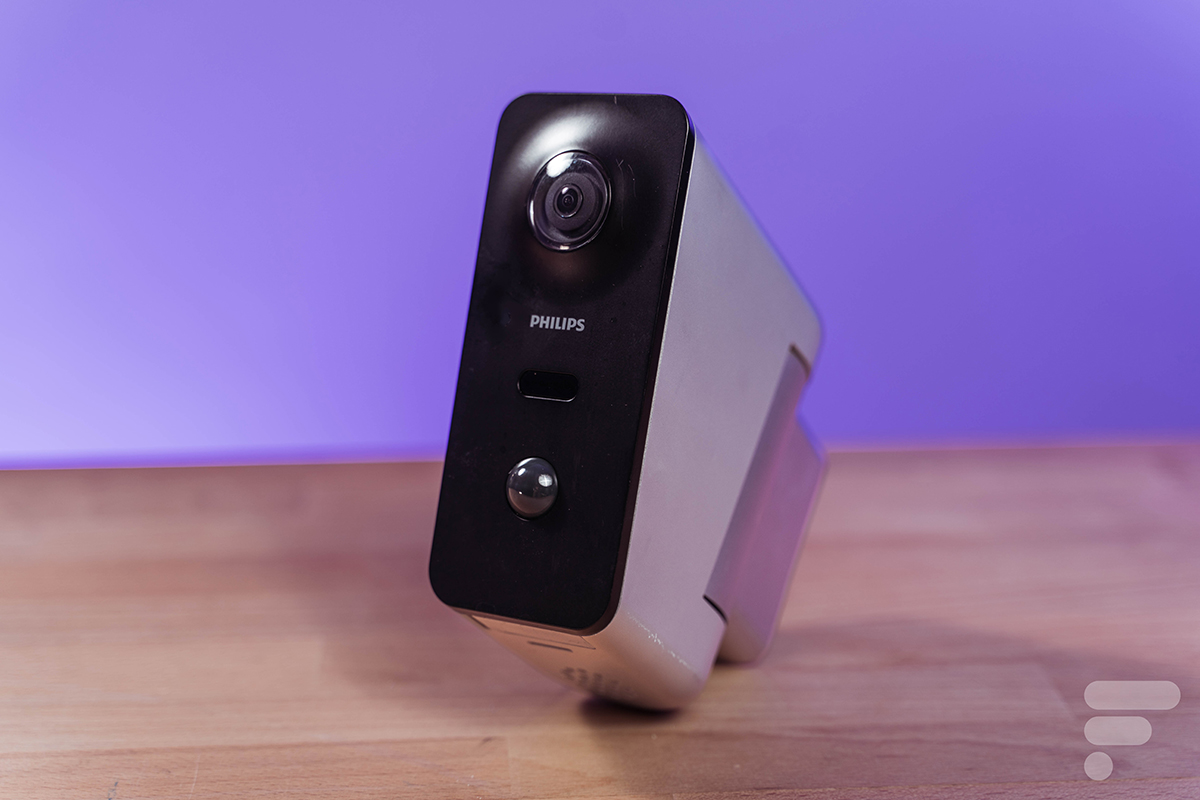
Philips’ entry into the surveillance camera market with the Welcome Eye View is a commendable debut. It impresses with a sophisticated, minimalist design featuring an aluminum casing that blends seamlessly into modern home exteriors. Beyond aesthetics, its motorized arm provides a 110° pan capability, augmenting its inherent 130° field of view to achieve a remarkable 240° total coverage. This wide sweep ensures comprehensive monitoring of large areas. Engineered for resilience, the camera is IP66 certified and capable of operating in freezing temperatures, assuring consistent performance regardless of weather conditions.
Image quality is a strong point, with the 2-megapixel sensor capturing footage at 1440p, which is then recorded in Full HD for storage efficiency. Its night vision is particularly effective, and the motion detection system is noted for its reliability. An integrated alarm and two-way audio functionality enhance its protective capabilities, although the absence of a dedicated spotlight is a minor drawback. Installation requires an external power supply, but a small internal battery provides temporary operation during power outages. Storage is managed locally via a supplied 32 GB microSD card, with no cloud service offered, appealing to users prioritizing privacy and avoiding subscription fees. The quick Bluetooth pairing with its dedicated application further streamlines the setup process, making the Philips Welcome Eye View a highly efficient and user-friendly outdoor camera solution.
TP-Link Tapo C310: Accessible Security on a Budget
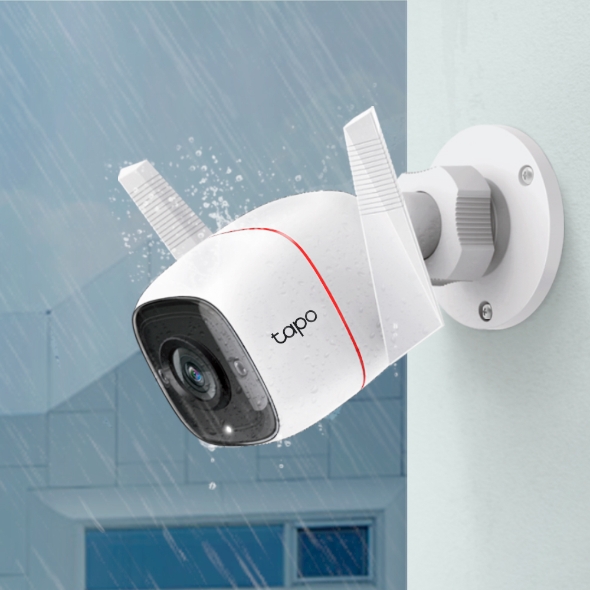
The TP-Link Tapo C310 distinguishes itself as a high-value, budget-friendly option, making robust outdoor surveillance accessible to a wider audience. Its design, a white casing with two prominent external Wi-Fi antennas, is functional rather than discreet, allowing users to optimize signal reception. While the fixed camera head means careful initial positioning is necessary to maximize coverage, its affordability often justifies this minor trade-off. Power is supplied via a standard electrical outlet, and while an Ethernet port is available for wired connectivity, it operates effectively over 2.4 GHz Wi-Fi.
A significant advantage of the Tapo C310 is its subscription-free operation, relying on local storage via a microSD card (up to 128 GB) for recordings. The intuitive TP-Link Tapo app, available on Android and iOS, provides live video streaming, microphone volume control, and access to recorded footage. It delivers good Full HD video quality during both day and night, ensuring clear images for monitoring. While audio recording might not be its strongest suit, for its price point of around 50 euros, the Tapo C310 offers remarkable performance and features, serving as an excellent entry-level or supplementary camera for home surveillance. It effectively demonstrates that quality image capture and reliable motion detection don’t necessarily require a premium price tag.
Google Nest Outdoor with Floodlight: Google’s Integrated Home Guardian
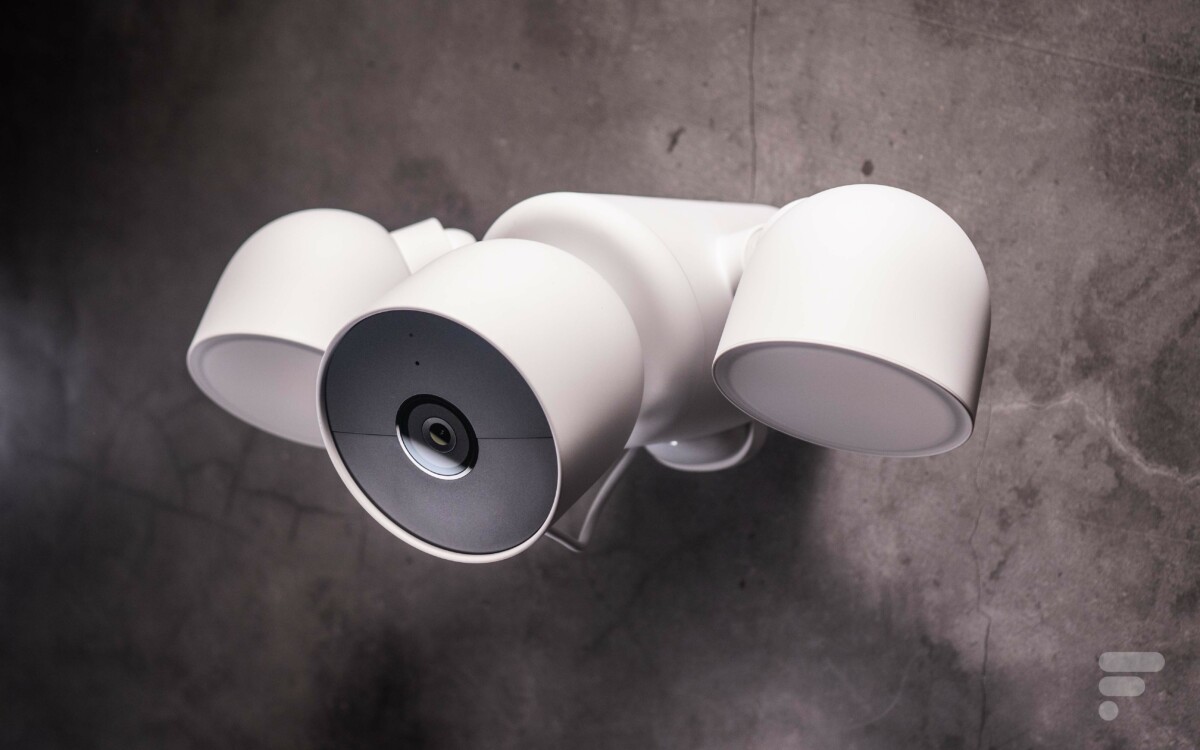
Google’s foray into connected security includes the Nest Cam, with a specialized outdoor version that integrates a powerful floodlight. This product leverages Google’s extensive smart home ecosystem, offering seamless integration and intelligent features. The camera features Google’s characteristic minimalist white design, with floodlights positioned on either side. While not the most discreet, its robust construction, certified IP54, ensures durability against outdoor elements and functionality across a temperature range of -20°C to 40°C. It offers a 130° field of view, providing broad coverage.
Installation is designed to be straightforward, particularly if replacing an existing outdoor floodlight, as it utilizes the same electrical wiring. The Google Home app serves as the central control hub, guiding users through setup and providing access to all camera functionalities. The video quality is excellent, both day and night, with the integrated floodlight effectively illuminating the scene. Audio restitution is also impeccable, facilitating clear two-way communication. However, a key aspect of the Google Nest Cam is its reliance on a Nest Aware subscription (starting at 5 euros per month) to unlock full potential, including extended cloud video history (up to 60 days) and advanced AI features. This recurring cost, in addition to the initial 299 euro purchase price, is a factor for potential buyers. Despite this, for those invested in the Google ecosystem, it offers a powerful and integrated security solution.
EZVIZ C3X: Unrivaled Night Vision Capabilities
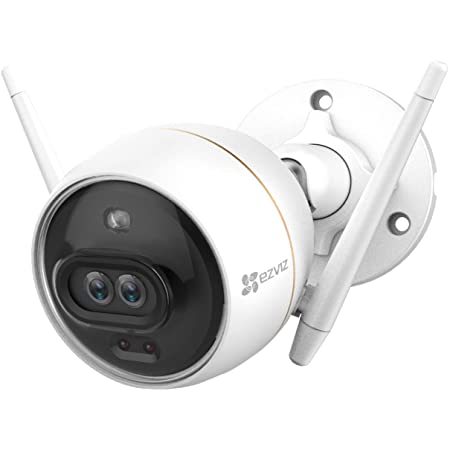
The EZVIZ C3X outdoor surveillance camera stands out with its exceptional night vision, making it a top contender for securing properties after dark. Its design, similar to some other models with external antennas for optimal Wi-Fi reception, offers flexible connectivity via both wireless (Wi-Fi) and wired (Ethernet) options. Installation is user-friendly, and its IP67 certification guarantees superior resistance to harsh weather conditions and extreme temperatures, ensuring long-term reliability.
The EZVIZ app provides comprehensive control, allowing users to manage exposure settings, adjust alarm volumes, and even deploy pre-recorded messages to deter intruders. Storage is versatile: users can opt for local storage on a microSD card, which offers 24 hours of free video retention, or subscribe to a cloud service with tiered pricing based on storage duration. This flexibility caters to different budget and privacy preferences. The camera records in Full HD (1280 x 720 pixels) or Ultra HD (1920 x 1080 pixels), with the latter providing enhanced contrast and faster focus. The true innovation lies in its color night vision, achieved through a dual-lens setup that captures light in different spectra, rendering vivid color images even without an active floodlight. This intelligent system autonomously switches to night mode, delivering highly exploitable footage in challenging low-light conditions. Priced at 169 euros, the EZVIZ C3X offers a high-quality surveillance solution with a particular strength in its night performance, making it an excellent choice for round-the-clock monitoring.
Thomson Rheita 100: Decorative Surveillance with Dual Functionality
Thomson’s Rheita 100 offers a distinctive approach to outdoor surveillance by integrating the camera into a decorative cylindrical luminaire. Standing about twenty centimeters tall, it features a white band denoting the light source and the camera discreetly integrated at the base. Installation, similar to the Netatmo, may require some DIY effort, ideally replacing an existing outdoor light fixture to utilize its power supply.
Upon delivery, users will need to provide their own Micro SD card for local storage, as it is not included. Wireless Wi-Fi connectivity is standard, and the At Home Security application facilitates quick setup and daily management, often taking less than five minutes for initial pairing. The app provides a centralized view of all installed Thomson cameras, alerts for detected events, and access to recorded sequences. It also offers live view and control options, such as switching between HD and SD resolution or capturing still photos. The camera’s 2-megapixel optical sensor offers a 75° viewing angle, complemented by a motorized head that can pan 270°, allowing for flexible coverage. While facial recognition at night is limited to within two meters, the integrated luminaire provides reasonable ambient light, enhancing both security and aesthetic appeal. Priced at 199 euros without a subscription, the Thomson Rheita 100 serves as a dual-purpose device, combining effective surveillance with practical outdoor lighting.
Netatmo Outdoor with Siren: The Standalone Deterrent
Netatmo’s Outdoor Camera with Siren is a robust, all-in-one solution designed for comprehensive home security. This device intelligently combines a surveillance camera, a powerful floodlight, and an integrated siren, making it a formidable deterrent against intruders. Installation typically takes about twenty minutes but requires a stable electrical connection, often replacing an existing outdoor light. Netatmo provides helpful video guides and advises professional assistance if needed. The camera operates via Wi-Fi and is managed through the dedicated Netatmo Security application.
A significant advantage of the Netatmo camera is its subscription-free model. It includes an 8 GB memory card for local storage, with additional options to connect to a Dropbox account or an FTP server for offsite backup, ensuring that valuable footage is securely stored without recurring fees. Users can view live video feeds and customize the floodlight’s behavior to respond to human movements at night. The siren, a powerful 105 dB alarm, must be activated manually by the user via the app, preventing accidental triggers. The Netatmo camera boasts broad smart home compatibility, integrating with Apple HomeKit, Google Home, and Amazon Alexa. While the Full HD image quality is generally good with a 100° field of view, some users might find it less refined in bright daylight compared to premium competitors. The absence of a "mute" mode for notifications can lead to an overload of alerts in busy areas. Priced at 349 euros, the Netatmo Outdoor with Siren provides a powerful, privacy-focused security solution, particularly appealing to those who prefer local storage and extensive smart home integration.
Navigating Your Purchase: Essential Questions Answered
Making the right choice for an outdoor surveillance camera involves more than just comparing specifications; it requires understanding practical aspects of installation, legal considerations, and long-term costs.
Strategic Placement and Installation Tips
Effective installation is crucial for maximizing a camera’s deterrent and surveillance capabilities. When positioning an outdoor camera, several factors should be prioritized. Firstly, choose locations that offer natural protection from the elements, such as under eaves or overhangs, to shield the device from direct rain, snow, and intense sunlight, which can impact its lifespan and image quality. Secondly, ensure optimal Wi-Fi signal strength at the chosen location to guarantee reliable connectivity for live streaming and alerts. Consider a Wi-Fi extender if necessary. Thirdly, position the camera to cover key entry points (doors, windows, gates) and vulnerable areas of your property, ensuring a clear, unobstructed field of view. A mounting height of approximately 2.5 meters (about 8 feet) is generally recommended, as it offers a broad perspective while being difficult for intruders to tamper with. Finally, for wired cameras, verify the availability of a suitable power source; for battery or solar models, assess sunlight exposure or ease of access for recharging. Proper angling can also prevent glare and shadows from obscuring important details.
Understanding the Legal Landscape of Home Surveillance
While no specific authorization is required to install a surveillance camera on your private property in many jurisdictions, strict privacy laws dictate what can and cannot be filmed. In France and across the European Union, regulations like the GDPR (General Data Protection Regulation) and national laws protect individual privacy. It is unequivocally prohibited to film public roads, sidewalks, or any part of your neighbors’ private property. Your camera’s field of view must be strictly limited to your own property. Failure to adhere to these guidelines can lead to severe penalties, including imprisonment and substantial fines, as stipulated by legal frameworks like Article 226-1 of the French Penal Code and Article 9 of the Civil Code concerning privacy rights. Furthermore, if individuals such as cleaners, gardeners, or private tutors work at your home, you are legally obligated to inform them about the presence of surveillance cameras and obtain their explicit consent to be recorded. Transparency and adherence to these regulations are paramount to avoid legal repercussions and respect privacy rights.
Determining the Optimal Number of Cameras
The number of surveillance cameras required for a home is not about quantity, but strategic placement and coverage. The primary function of these devices is deterrence. Investing in an excessive number of cameras is often unnecessary and can be costly. Instead, focus on identifying strategic points that offer maximum coverage of vulnerable areas. For an average-sized home, approximately three to four well-placed cameras are often sufficient to cover all main entry points, driveways, and backyards, whether indoors or outdoors. Prioritize areas that are easily accessible to intruders or where valuables are stored. Consider the camera’s field of view and any blind spots. A single pan-and-tilt camera might cover a wider area than multiple fixed cameras, for example. The goal is to create a layered security approach that covers all critical access points without unnecessary redundancy, balancing effective surveillance with cost efficiency.
Subscription Models: Are They Worth It?
The question of whether to opt for a camera with a subscription model is a significant financial and functional consideration. While many manufacturers offer subscriptions to unlock advanced features like extended cloud storage, AI-driven person/vehicle detection, or professional monitoring, several excellent cameras operate effectively without ongoing monthly fees. For instance, the Netatmo Outdoor Camera with Siren offers its full potential without a subscription, providing local storage and integration with personal cloud services like Dropbox. Similarly, the TP-Link Tapo C310 and Philips Welcome Eye View rely primarily on local microSD card storage.
Subscription services, while adding to the overall cost, often provide benefits such as robust cloud backup, which protects footage even if the camera is stolen or damaged, and sophisticated AI analytics that can significantly reduce false alarms. For users who prioritize these advanced features, remote accessibility to historical footage, and the convenience of offsite storage, a subscription can be a worthwhile investment. However, for those on a tighter budget, concerned about data privacy, or preferring local control, non-subscription models offer viable and effective security solutions. It is essential to weigh the specific features offered by a subscription against its recurring cost and your personal security needs and preferences.
Beyond Cameras: Building a Connected Smart Home Ecosystem
Outdoor surveillance cameras are just one piece of the puzzle in creating a truly smart and secure home. They integrate seamlessly into broader connected home ecosystems, enhancing overall protection and convenience. Complementary devices can include smart doorbells with integrated cameras, smart locks that offer keyless entry and remote access control, intelligent alarm systems that can be armed and disarmed remotely, and motion-activated smart lighting that works in tandem with cameras to deter intruders. Environmental sensors, such as smoke and carbon monoxide detectors, can also be linked, providing comprehensive safety. Building a cohesive smart home security system allows for centralized control through a single app or voice assistant, creating an interconnected network that responds intelligently to potential threats, provides real-time alerts, and offers a holistic view of your home’s security status.
Conclusion: The Future of Home Security is Intelligent and Accessible
The advancements in outdoor surveillance camera technology for 2026 underscore a clear trend: home security is becoming more intelligent, integrated, and accessible. From high-end, feature-rich devices like the Ring Spotlight Cam Pro with its advanced AI capabilities and powerful illumination, to budget-friendly yet effective options like the TP-Link Tapo C310, consumers now have a wider array of choices tailored to diverse needs and budgets. Cameras like the EZVIZ C3X are pushing the boundaries of night vision, while Philips and Netatmo are demonstrating how design and privacy can be harmoniously integrated into robust security solutions.
The critical takeaway for homeowners is the importance of a thoughtful approach to selection and installation. Considering factors such as image clarity, storage preferences, connectivity, smart features, and legal compliance will ensure that the chosen surveillance system not only provides effective deterrence and monitoring but also aligns with personal privacy expectations and long-term financial planning. As smart home technology continues to evolve, outdoor surveillance cameras will remain a vital component, offering both a strong visual deterrent and invaluable evidence, ultimately contributing to a safer and more secure living environment for everyone.