George Chandra Eka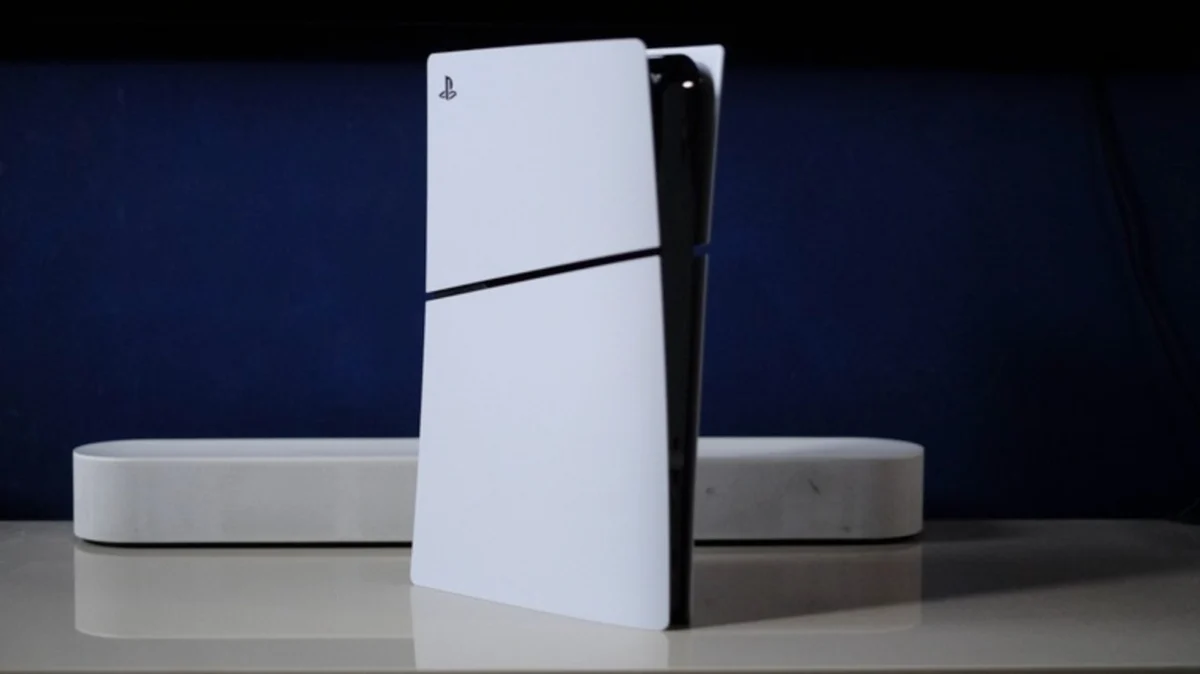
As the gaming community increasingly buzzes with rumors and anticipatory discussions surrounding the next generation of Sony’s console, the PlayStation 6, many current PlayStation 5 owners are beginning to ponder the longevity and continued relevance of their existing hardware. This natural progression in the console lifecycle often brings with it anxieties about obsolescence, especially given evolving market conditions, rising hardware costs, and a pronounced industry shift towards digital distribution. The question of when a PS5 might cease to be a viable primary gaming platform is multifaceted, encompassing both software support from Sony and game developers, as well as the physical durability of the console itself. Understanding these dynamics requires a look at historical precedents, current industry trends, and practical considerations for console maintenance.
Sony’s Console Lifecycles: A Historical Perspective
Sony’s PlayStation brand has a well-established history of console generations, each typically lasting between six to seven years before the introduction of its successor. The original PlayStation launched in December 1994 in Japan and September 1995 in North America, followed by the PlayStation 2 in March 2000 (Japan) and October 2000 (North America). The PlayStation 3 arrived in November 2006, and the PlayStation 4 in November 2013. The current generation, the PlayStation 5, debuted in November 2020. This chronology suggests a fairly consistent generational cadence.
Historically, Sony has maintained software and network support for its consoles well beyond the launch of the next generation. The PlayStation 2, for instance, received official support until 2013, a full seven years after the PS3’s release, and its manufacturing continued in Japan until 2012. Similarly, the PlayStation 3’s PlayStation Store remained active long after the PS4’s debut, with significant support for its online infrastructure. The most pertinent example for PS5 owners is the PlayStation 4. Launched in 2013, the PS4 continues to receive firmware updates, with patches as recent as May 2024, albeit primarily for security and stability enhancements rather than new features. While some unconfirmed reports in late 2023 suggested certain PS4 services might be sunsetted around 2026, the console remains fully functional for both offline and online play, demonstrating Sony’s commitment to a prolonged support window. This extended support is crucial for retaining a large user base and facilitating a gradual transition between generations, ensuring that early adopters of a new console are not left behind. The overlap period for major software releases typically lasts for the first two to three years of a new console’s life, with some popular live-service titles and indie games continuing much longer.
The Digital Horizon: Software Support and Content Delivery
The longevity of the PlayStation 5 is heavily intertwined with Sony’s software strategy and the broader industry’s shift towards digital content. Firmware updates are a critical component of console support, ensuring system stability, security, and compatibility with new accessories or services. The continued, albeit minor, updates for the PS4 suggest that the PS5 will receive comprehensive support for at least another 3-5 years post-PS6 launch, likely extending to basic security and functionality updates for many years thereafter.
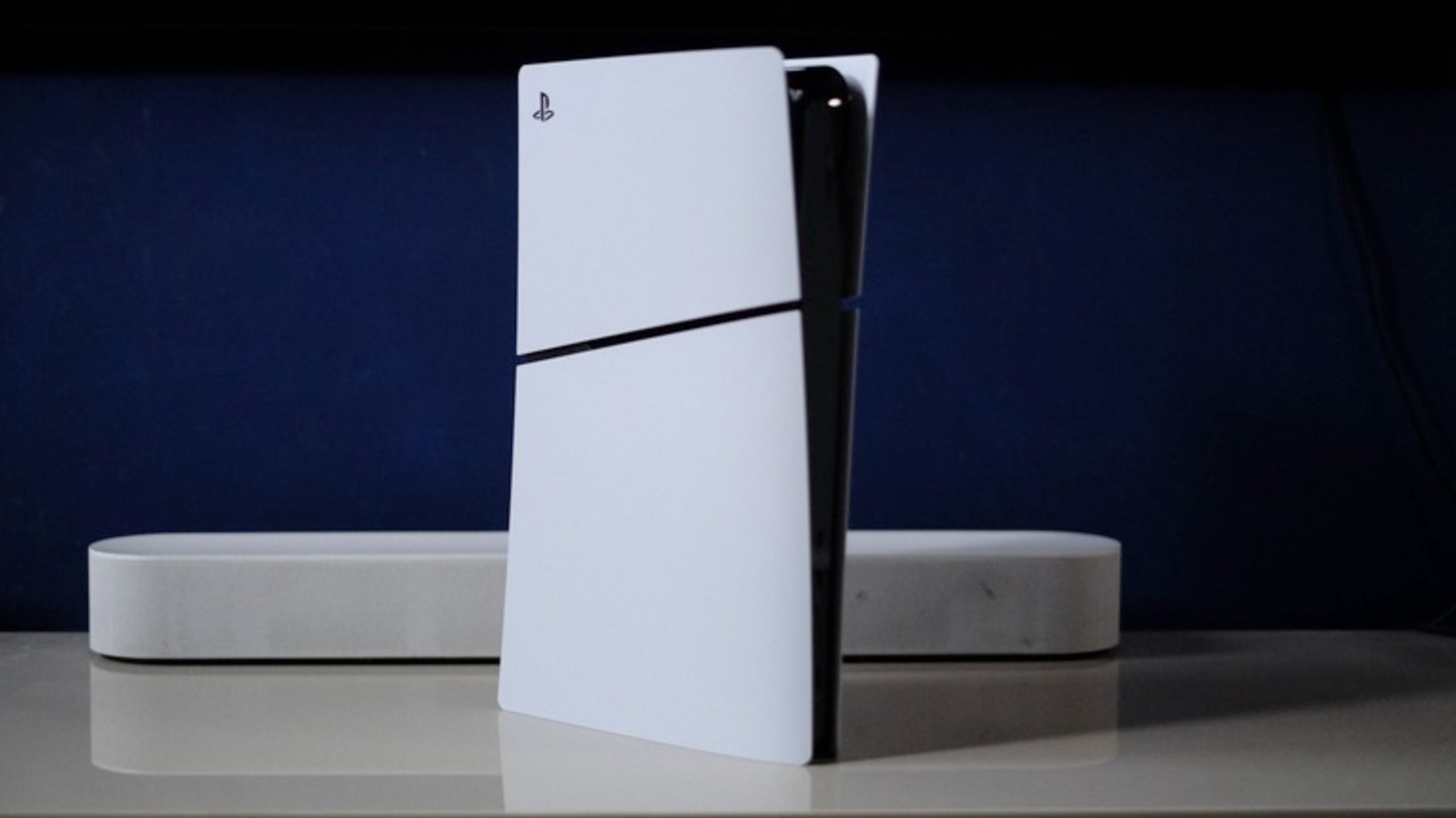
However, the nature of game development has undergone significant transformation. The cost and complexity of producing AAA titles have skyrocketed, leading to longer development cycles and fewer first-party exclusives per console generation. For instance, Naughty Dog, a prominent Sony first-party studio, has not released a brand-new game since the PS5’s launch, with its next major title, Intergalactic: The Heretic Prophet, potentially skipping the current generation entirely. This trend means that the period of robust, exclusive first-party support might be shorter than in previous generations, focusing on optimizing these fewer, larger titles for the newest hardware.
Cross-generation releases, where games are launched simultaneously on both current and previous-gen consoles, serve as a bridge. God of War: Ragnarok in 2022 marked a significant late-stage cross-gen release for the PS4, indicating the end of an era for major first-party titles on the older platform. For the PS5, this implies that while cross-gen titles from third-party developers will likely continue for a couple of years after the PS6’s arrival, the focus of major publishers will quickly shift to the new hardware. However, the ecosystem of popular live-service games like Fortnite and Roblox, along with a vibrant indie scene, often provides extended life for older consoles, as these titles are designed for broad accessibility across platforms. The sunsetting of Call of Duty: Warzone on PS4 and Xbox One later in 2024 serves as a benchmark, signaling that even highly popular online titles eventually transition to newer hardware exclusively.
Perhaps the most significant development impacting the PS5’s future, and indeed the entire console market, is the accelerating shift to digital distribution. Sony’s reported plan to cease support for physical game development for some titles by 2027 is a clear indicator of this trajectory. While the specifics of this announcement, inferred from internal documents, suggest a focus on newer titles and potentially a discless future for the PS6, it has profound implications. PS5 owners with disc drives, and especially those who appreciate physical media for collection or resale value, face a future where new releases might be digital-only. This would render the disc drive on a PS5 less relevant for future purchases, though it would still function for existing physical libraries. The digital-first strategy also allows Sony greater control over game distribution, pricing, and the potential for subscription services like PlayStation Plus to become even more central to the gaming experience. PlayStation Plus, with its tiered offerings of classic and modern games, effectively extends the playable lifespan of consoles by providing a continually refreshed library, even if new AAA titles are no longer being released for the hardware.
Hardware Resilience: Maximizing Your PS5’s Physical Longevity
Beyond software support, the physical durability of the PlayStation 5 hardware is a primary concern for long-term ownership. Modern consoles are sophisticated pieces of engineering, designed to withstand years of regular use, and the PS5 is no exception. With proper care, a PS5 can realistically last well into the PS6 generation and beyond, much like enthusiasts continue to enjoy older consoles.
The PS5’s design incorporates significant advancements in thermal management, notably its large fan and innovative liquid metal cooling solution for the CPU. These elements are crucial for preventing overheating, which is the primary enemy of electronic components and a leading cause of hardware failure. To maximize this design advantage, users must prioritize proper ventilation. Ensuring the console is placed in an open area, free from obstructions that could block airflow to its vents, is paramount. Regular cleaning of these vents and ports to remove dust accumulation is also essential. Dust acts as an insulator, trapping heat and forcing the internal cooling systems to work harder, accelerating wear and tear. Sony’s design allows for relatively easy access to certain dust traps, encouraging user maintenance.
However, certain components are susceptible to wear over time. HDMI ports, for instance, can degrade or become damaged with frequent plugging and unplugging of cables. The disc drive, present in the standard PS5 model, is another potential point of failure. Problems can manifest as an inability to read discs, unusual noises during operation, or even difficulty inserting or ejecting discs. Sony provides official troubleshooting guides and repair services for such issues. For those with a PS5 Digital Edition who have later added an external disc drive, the modularity offers a simpler solution: a defective external drive can often be easily replaced without needing to service the entire console.
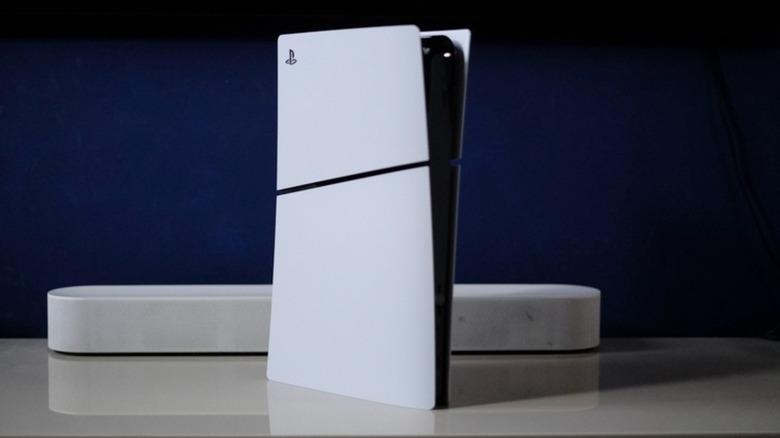
The power supply unit (PSU) is another critical component that can eventually fail, leading to issues like the console failing to turn on or unexpectedly shutting down during gameplay. Before seeking repairs, basic troubleshooting such as ensuring all cables are securely connected and attempting a full power cycle (unplugging and re-plugging) can often resolve intermittent issues.
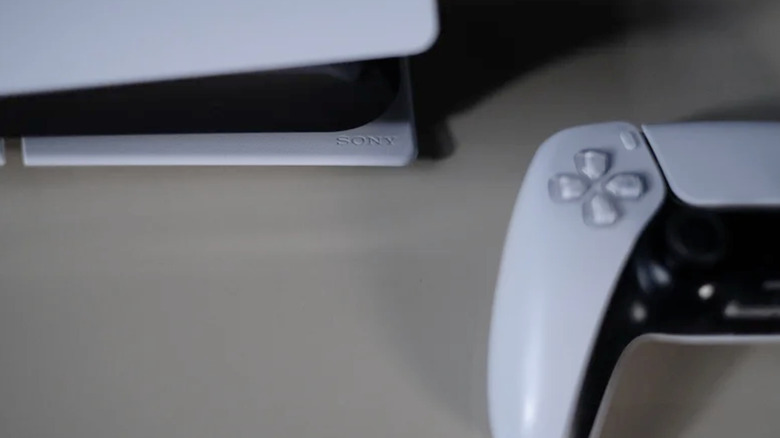
Beyond the console itself, the DualSense controller is a key piece of hardware. While innovative, it is not immune to common controller ailments, particularly "stick drift," where the analog sticks register input without user interaction. This can significantly impact gameplay and controller lifespan. Replacements or professional repairs are often necessary for such issues.
In essence, while internal components are designed for durability, external factors and user care play a significant role. Avoiding physical impacts, maintaining a clean and well-ventilated environment, and addressing minor issues promptly can dramatically extend the PS5’s operational life.
Economic Realities and Consumer Choices
The economic landscape plays a significant role in the PS5’s perceived longevity and the consumer’s decision-making process. The PS5 launched amidst a global component crisis and subsequent inflationary pressures, which led to price increases for gaming hardware, including Sony’s own machines. This context makes the potential price of a PS6 a major concern for consumers. If the next-generation console is prohibitively expensive, it will naturally extend the perceived value and desired lifespan of the PS5 for many users.
The shift to digital-only platforms, which the PS6 is widely speculated to embrace, also influences consumer choice. While digital convenience is undeniable, it raises questions about game ownership, resale value, and the digital divide. For players who prefer physical media or have limited internet access, a discless PS6 might be a significant deterrent, further cementing their commitment to their disc-compatible PS5.
For consumers weighing an upgrade, several factors come into play. The availability of backward compatibility on the PS6, allowing it to play PS5 games, would be a major incentive. However, if the PS5 continues to receive strong support for a broad range of games, especially live-service titles and indies, and its hardware remains robust, the immediate need to upgrade diminishes. Alternatives such as PC gaming, which offers a broader range of hardware options and often more flexible upgrade paths, or the increasingly viable cloud gaming services, also present themselves as long-term alternatives to console-specific upgrade cycles. Ultimately, the PS5’s value retention will depend on a combination of Sony’s continued commitment to its ecosystem, the affordability and feature set of its successor, and the evolving preferences of the gaming community.
Industry Outlook and the Future of PlayStation
From an industry perspective, Sony’s strategy for the PS5’s lifecycle reflects a balancing act: pushing technological innovation with the PS6 while ensuring a smooth, profitable transition from the PS5. Analysts generally predict that current console generations will continue to enjoy a main support window of around 7-8 years, with peripheral support lasting even longer. This would place the PS5’s active, major game release window extending to at least 2027-2028, with general firmware and online service support potentially reaching into the early 2030s.
The broader digital transformation within the gaming industry is irreversible. This shift offers Sony advantages in terms of direct distribution, reduced manufacturing costs for physical media, and enhanced opportunities for recurring revenue through subscriptions and digital storefronts. However, it also presents challenges regarding consumer sentiment, particularly concerns over game preservation and digital ownership.
In conclusion, fears of immediate PS5 obsolescence due to the impending PS6 appear largely unfounded. Drawing on Sony’s historical support for past consoles, the PS5 is poised to remain a relevant and capable gaming machine for many years to come. Its robust hardware, combined with ongoing firmware updates and a continuing stream of third-party and live-service games, will ensure its viability. While the landscape of first-party exclusives and physical media is clearly shifting, diligent console maintenance and a strategic approach to game acquisition will allow PS5 owners to enjoy their console long into the next generation, making the decision to upgrade a gradual consideration rather than an immediate necessity.