Metty Iskandar
The recent unveiling of the Xiaomi Redmi Note 17 Pro Max, a device positioned within the mid-range segment of the smartphone market, has brought into sharp focus a long-standing practice by Google: the deliberate withholding of seemingly basic camera features from its standard Pixel flagship models. While the latest Pixel 11 series, launched less than a month ago, boasts improved silicon, advanced AI capabilities, and a commendable software update policy, the disparity in camera functionality between the standard Pixel 11 and its Pro counterparts, and indeed, even against this new mid-range competitor, raises significant questions about Google’s product segmentation strategy.
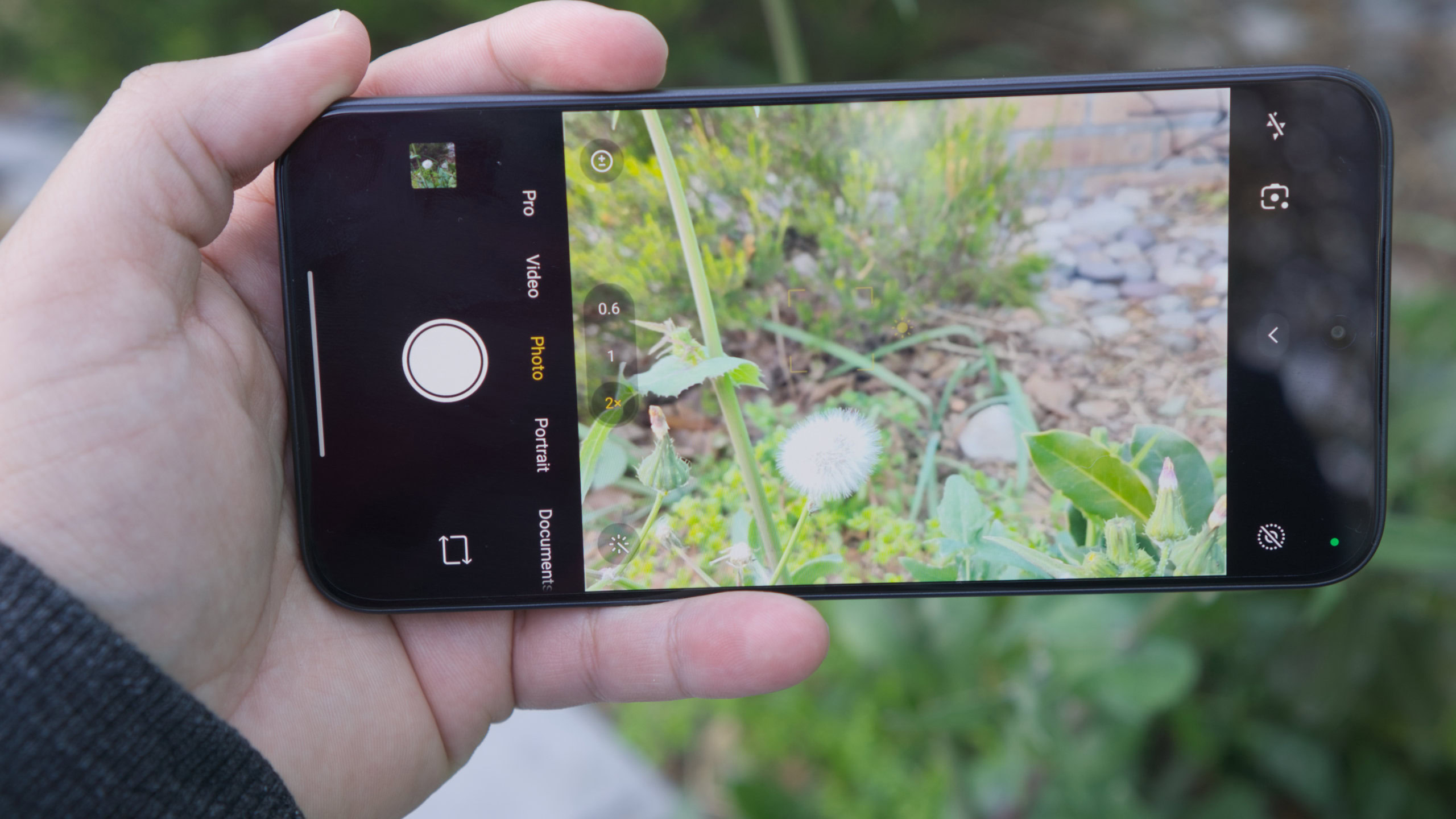
The Redmi Note 17 Pro Max, priced at an accessible $500, offers compelling features that belie its mid-tier classification. Foremost among these is an astonishing 10,000mAh battery, with Xiaomi boldly promising up to three days of usage on a single charge. While not positioned as a photography powerhouse, its camera system, comprising a 50MP primary sensor and an 8MP secondary lens, is competent for its price point. However, it is within the device’s camera application that a stark contrast emerges with Google’s current flagship offerings. The Redmi Note 17 Pro Max provides users with two crucial camera functionalities that are conspicuously absent from the $900 standard Google Pixel 11: full-resolution 50MP photo capture and a comprehensive manual/pro mode.
This situation is not entirely new, as the standard Pixel models, dating back to the Pixel 8, have consistently lacked the ability to capture full-resolution images. This deficiency is particularly perplexing given that many budget-friendly Android phones, often equipped with smaller sensors and less powerful chipsets that typically struggle with high-resolution image processing, have offered this feature for years. The argument that hardware limitations prevent such functionality on more affordable devices does not hold water when applied to Google’s Pixel line. The Pixel flagships are endowed with potent chipsets and advanced camera sensors, making the absence of full-resolution capture a seemingly artificial constraint.
The inclusion of a manual or pro mode on the Redmi Note 17 Pro Max further amplifies this critique. This mode allows users to exert granular control over photographic parameters such as ISO, white balance, and shutter speed, enabling a more nuanced and creative photographic process. For aspiring photographers operating on a budget, this level of control can be invaluable, allowing them to compensate for less-than-ideal lighting conditions or achieve specific artistic effects without the need for professional camera equipment. The fact that a $500 device provides this capability, while Google reserves it for its premium Pro models, suggests a deliberate marketing tactic rather than a technical necessity.
Historical Context and Precedent
The practice of segmenting camera features is not unique to the Pixel 11. Google has employed this strategy across multiple generations of its Pixel devices. For instance, the standard Pixel 8, Pixel 9, and Pixel 10 models all omitted a manual camera mode, pushing users who desired this functionality towards the more expensive Pro variants. This pattern suggests a consistent approach by Google to create a perceived value proposition for its higher-tier devices by withholding features that could easily be implemented in the standard models.
What makes Google’s current stance particularly egregious is the historical precedent set by its own product lines and those of its competitors. As far back as the early 2020s, devices within Xiaomi’s own Redmi Note series, such as the Redmi Note 11, offered both high-resolution image capture and manual camera controls. This indicates that the technology and software integration required for these features have been mature and accessible for a considerable period. The continued exclusion of these capabilities from standard Pixel flagships in 2026, therefore, appears less like an oversight and more like a calculated decision to drive sales of the Pro models.
Analysis of Implications: The Consumer Impact
The implications of Google’s feature-gating strategy extend beyond mere convenience; they impact consumer choice and the perceived value of their purchases. For many users, the standard Pixel phone represents a significant investment, and the expectation is that it will offer a comprehensive suite of features. When a mid-range device from a rival manufacturer provides comparable or even superior functionality in key areas, it can lead to buyer’s remorse and a diminished perception of Google’s product offerings.
This practice also stifles the potential for creative expression among a broader user base. By limiting access to manual controls, Google potentially discourages users who might otherwise develop their photography skills and engage more deeply with their devices. The argument that standard Pixel users may not utilize these advanced features is a paternalistic one, disregarding the diverse needs and aspirations of the smartphone consumer.
Furthermore, the consistent lack of these features on standard Pixels, despite hardware advancements, fuels speculation that these decisions are driven by marketing rather than technical limitations. This can erode consumer trust and lead to a perception that Google is prioritizing profit margins over user experience in certain product segments.
Google’s Camera Philosophy: A Tale of Two Pixels
While the criticism centers on missing features, it is important to acknowledge the strengths of Google’s camera software. The Pixel camera app is widely praised for its ability to produce consistently excellent photographs with minimal user input. Features like Camera Looks and Magic Capture, introduced in recent Pixel generations, enhance the user experience by offering stylistic presets and intelligent photo editing tools. These innovations have cemented the Pixel’s reputation as a reliable point-and-shoot device.
However, the presence of these advanced software features in the standard Pixel camera app only makes the omission of full-resolution capture and manual mode more perplexing. It suggests that Google possesses the technical capability to integrate these functionalities but chooses not to, likely as a means of differentiating the standard and Pro models. The underlying architecture of the Pixel camera system, powered by Google’s Tensor chipsets, is more than capable of handling the computational demands of full-resolution photography and offering the flexibility of manual controls.
Industry Perspectives and Potential Responses
Industry analysts have often pointed to Google’s strategy as a prime example of how smartphone manufacturers leverage software segmentation to segment their market. While common in many consumer electronics categories, the application of this to core functionalities like camera controls on flagship devices often draws scrutiny.
From a competitive standpoint, other manufacturers, including Xiaomi, are increasingly recognizing the value of providing comprehensive features across their product lines to capture a wider audience. The success of devices like the Redmi Note 17 Pro Max, which offers features previously reserved for higher-end phones, signals a potential shift in consumer expectations.
It is plausible that if this trend continues and consumer dissatisfaction with feature limitations on standard Pixel models grows, Google may eventually be compelled to re-evaluate its strategy. This could manifest in a gradual introduction of previously Pro-exclusive features to the standard models over time, or a complete overhaul of its product segmentation approach. However, without significant market pressure or a change in internal product strategy, it is likely that the distinction between standard and Pro Pixel camera features will persist.
Looking Ahead: The Future of Pixel Photography
As Google continues to innovate with its Pixel line, the question remains whether it will prioritize a more inclusive approach to its camera software. The success of the Pixel 11 series, despite its camera feature limitations on the standard models, indicates a strong market appetite for Google’s computational photography prowess. However, the emergence of capable mid-range devices that offer more granular control and higher resolution options presents a compelling counter-narrative.
The ongoing debate underscores a fundamental tension in the smartphone market: the balance between delivering a polished, user-friendly experience and providing advanced tools for enthusiasts. While Google’s current approach has proven commercially viable, the growing capabilities of competitor devices like the Redmi Note 17 Pro Max serve as a persistent reminder that "basic" features are evolving, and consumer expectations are rising. For Google to maintain its leadership in the smartphone camera space across all its offerings, it must consider whether withholding such fundamental capabilities from its standard flagships ultimately serves the best interests of its users and its brand reputation in the long term. The time may be approaching when Google will need to reconcile its tiered feature strategy with the increasingly sophisticated demands of the modern smartphone user.