Metty Iskandar
If the pursuit of cutting-edge specifications and an unhindered budget were the sole criteria for selecting a foldable smartphone, the Samsung Galaxy Z Fold 8 Ultra would undoubtedly reign supreme. This device, boasting a remarkably slim and lightweight profile, a groundbreaking 5,000mAh silicon-carbon battery, the formidable Snapdragon 8 Elite Gen 5 for Galaxy processor, and a truly exceptional rear camera array, presents itself as the foldable flagship with the fewest discernible compromises. Yet, for many, including this author, the question lingers: why does such a technically superior device fail to capture the user’s desire for daily integration?
Across the spectrum of book-style foldables released in the United States this year, a peculiar trend has emerged. When ranked by the likelihood of earning a permanent spot in a user’s everyday carry, the Galaxy Z Fold 8 Ultra consistently falls to the bottom of the list. This is a surprising outcome, given its robust hardware. Instead, both the Motorola Razr Fold and the Google Pixel 11 Pro Fold, despite their acknowledged limitations in raw performance and hardware specifications, are favored. Even the standard Galaxy Z Fold 8, with its inherent compromises, is often preferred over its "Ultra" sibling, a testament to the fact that in the fiercely competitive foldable market, sheer specifications are no longer the decisive factor. Motorola and Google appear to have grasped this evolving reality, and their recent offerings are demonstrating it.
The user poll, which garnered 357 votes, indicates a significant consumer interest in which book-style foldable will ultimately capture the market’s attention. This data underscores the dynamic nature of consumer preference, moving beyond raw power to embrace design, user experience, and innovative features.
Motorola’s Design Triumph: The Razr Fold Redefines Ergonomics
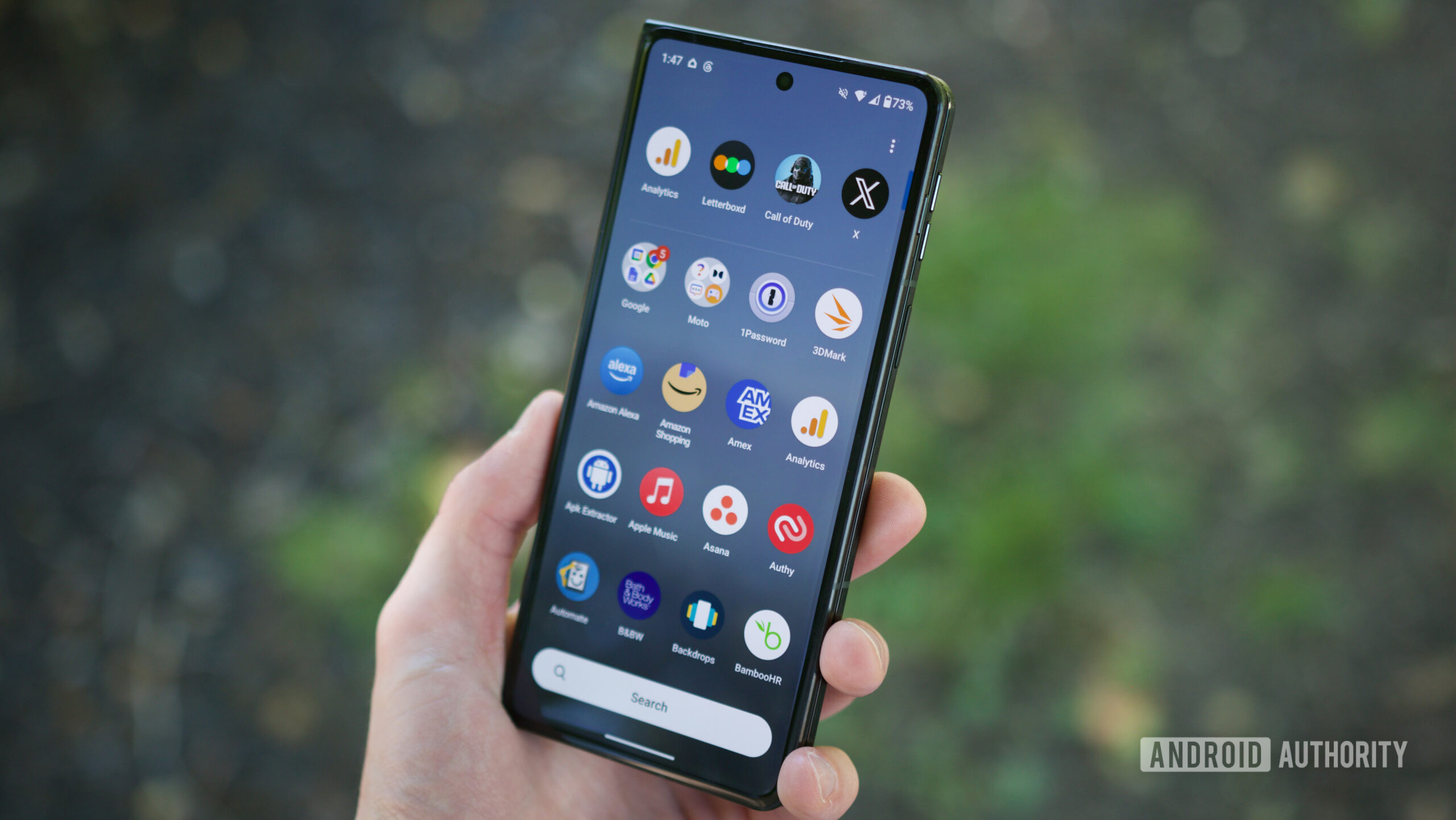
Motorola’s approach with the Razr Fold presents a compelling counterpoint to the spec-driven narrative. While it may not boast the absolute highest-tier processor, its design and user experience factors elevate it significantly. The device stands out for its exceptional battery life, featuring a substantial 6,000mAh capacity that, in real-world usage, consistently delivers two full days of operation on a single charge. This endurance is a critical factor for many users who rely on their devices throughout extended periods.
Furthermore, the Razr Fold’s display is a marvel. Its 8.1-inch main screen is not only the largest but also the brightest among current foldable offerings. The inclusion of support for the Moto Pen Ultra stylus further enhances its versatility, offering a productivity edge that some competitors have sidelined. However, the device’s base Snapdragon 8 Gen 5 processor, while capable, does not quite match the sheer processing prowess of Samsung’s overclocked Elite chip in the Galaxy Z Fold 8 Ultra, which commands a premium price point.
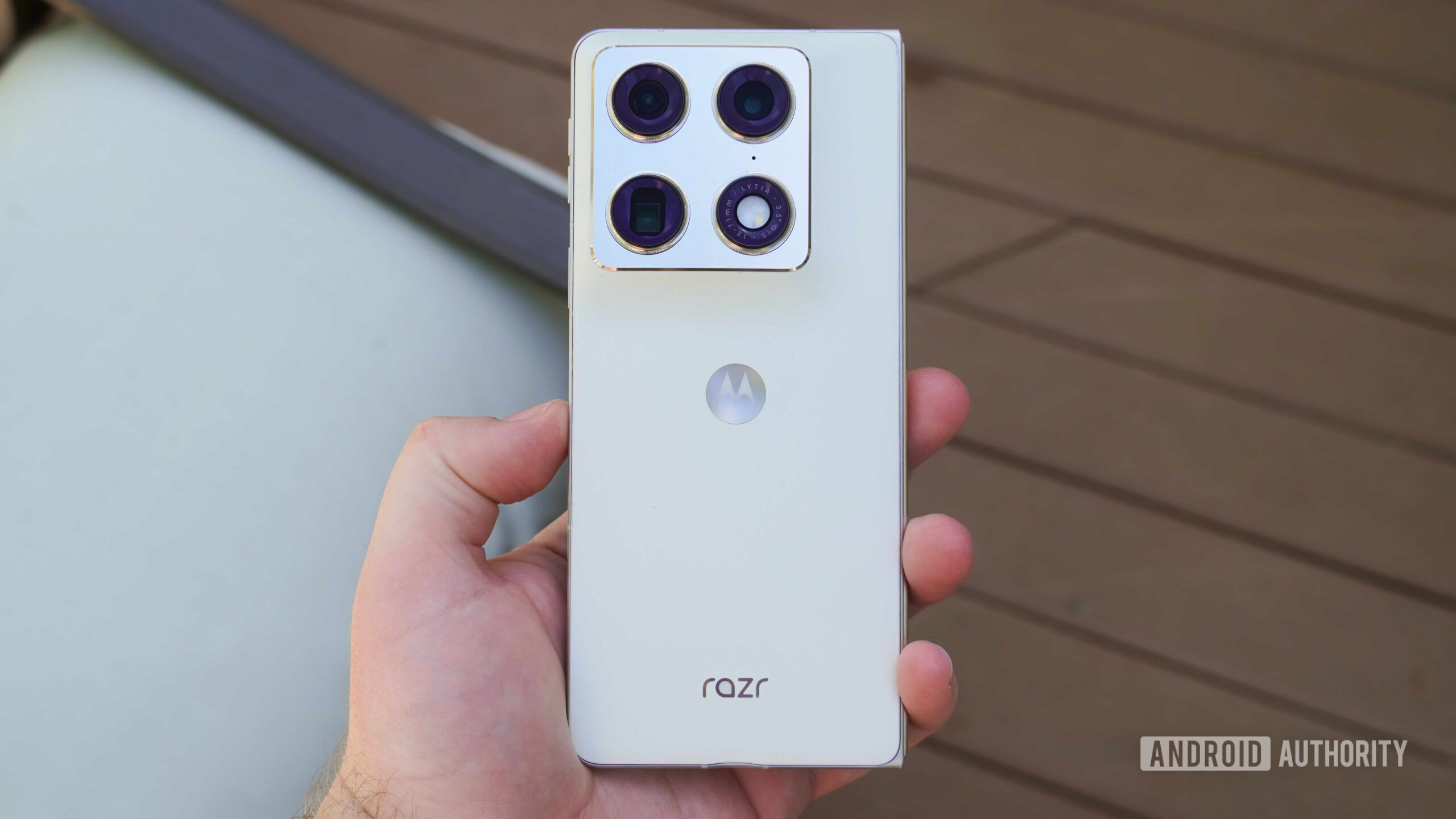
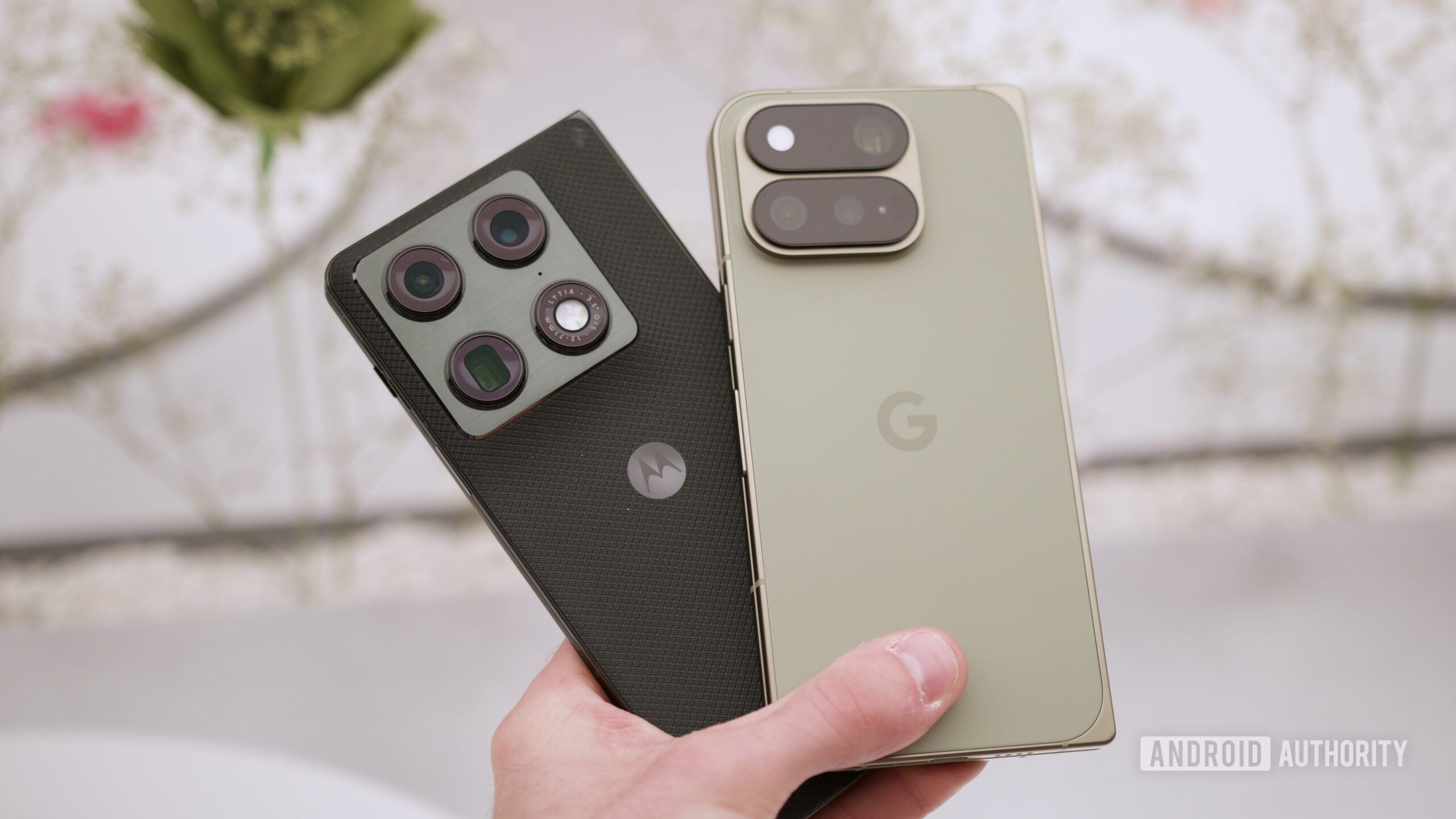
Despite the processor disparity, the Razr Fold’s overall package is exceptionally appealing. The author expresses a willingness to overlook the mid-tier processor due to the device’s other strengths. Crucially, the Razr Fold feels remarkably natural and comfortable to hold, an aspect often overlooked in the pursuit of thinner devices. While approximately a millimeter thicker than the Galaxy Z Fold 8 Ultra when closed, its superior build quality and material choices more than compensate. Motorola’s collaboration with Pantone has resulted in a vegan-leather back, a feature that has become a particular highlight.
The Lily White model, featuring a soft-touch matte vegan leather finish, offers a premium tactile experience. The alternative, Blackened Blue, presents a textured vegan leather surface that enhances grip. Both are considered preferable to the matte glass back found on the Galaxy Z Fold 8 Ultra, even with the latter’s slightly slimmer profile. This focus on sensory experience and material innovation is a key differentiator for Motorola.
The cover screen maintains a similar 21:9 aspect ratio as found on the Galaxy Z Fold 8 Ultra. However, Motorola’s implementation is slightly larger, resulting in a marginally wider footprint when the device is folded. While this difference is minimal, it contributes to the Razr Fold’s perception as a more conventional smartphone when closed. Motorola’s decision to reintroduce active stylus support on the main display addresses a feature that Samsung controversially removed from its Galaxy Z Fold line last year. This commitment to user-requested functionality, coupled with its superior design and display, makes the Razr Fold a compelling contender, even without the absolute fastest processor.
Google’s Pixel 11 Pro Fold: Durability and Convenience Lead the Charge
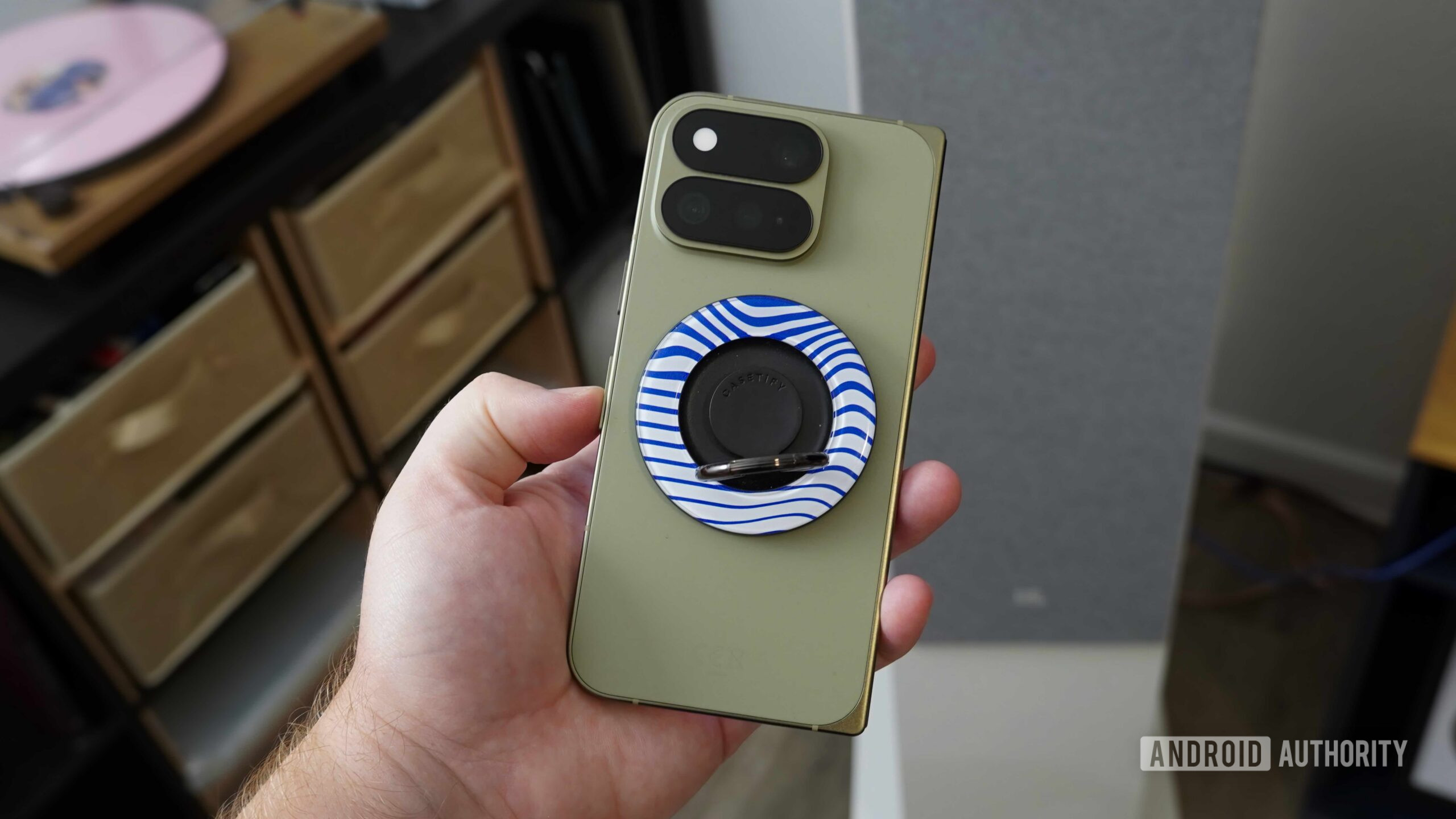
While the Motorola Razr Fold appeals to a specific design sensibility, the Google Pixel 11 Pro Fold carves its niche through two standout features that position it uniquely within the foldable landscape: IP68 certification and Qi2 magnetic wireless charging support. These objective advantages set it apart from all other foldables currently available. The absence of Qi2 magnets in devices from Samsung and other Android manufacturers is a notable omission, especially considering the convenience of effortless wireless charging alignment. The widespread adoption of MagSafe accessories by Apple has demonstrated the significant user benefit of such magnetic integration, and its absence on other platforms is increasingly felt.
The Pixel 11 Pro Fold is the sole foldable device to incorporate magnetic Qi2 support, a feature that aligns perfectly with the foldable form factor. The ability to prop up a book-style foldable like a laptop is inherent to its design, with the hinge effectively serving as a built-in stand. However, unlocking the full potential of the expansive inner display often necessitates an additional accessory. The Pixel 11 Pro Fold’s 10.1mm chassis is commendably slim, and the integration of magnets negates the need for a bulky case to achieve accessory compatibility.
Users can magnetically attach wallets or stands to the Pixel 11 Pro Fold as needed, removing them when not in use. This seamless integration of accessory support, without the encumbrance of a case, is a unique selling proposition that significantly enhances the device’s practicality.
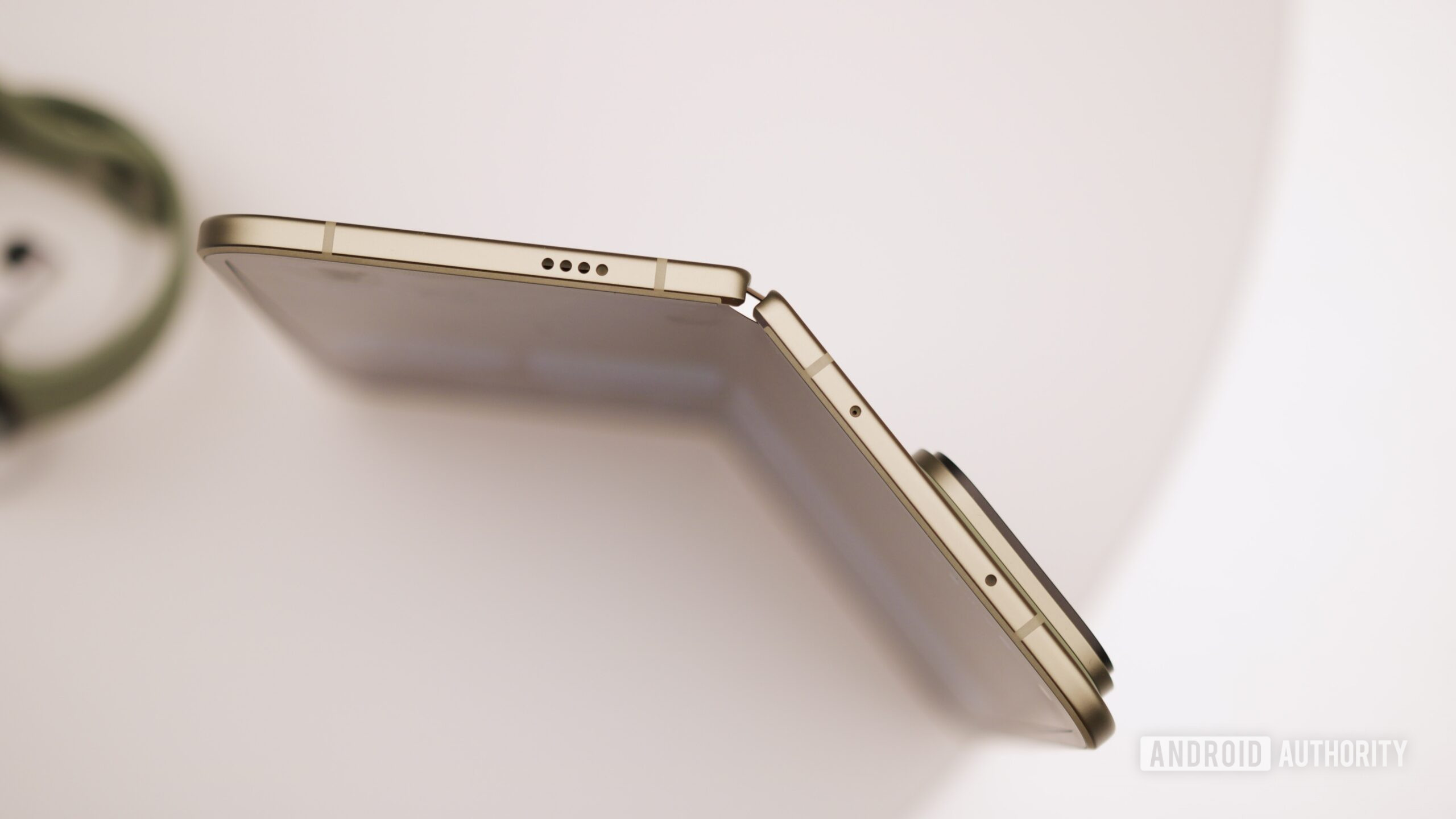
Beyond its innovative charging capabilities, the Pixel 11 Pro Fold boasts a crucial durability advantage: IP68 certification. This marks a significant step forward, as it is the only foldable sold in the US to achieve this level of dust resistance, a year after its predecessor, the Pixel 10 Pro Fold, first introduced it. While competitors like the Galaxy Z Fold 8 and Galaxy Z Fold 8 Ultra offer IP48 water resistance, and the Razr Fold includes IP48/IP49 protection against high-pressure and high-temperature water jets, none offer complete dustproofing.
The importance of dust resistance cannot be overstated for foldable devices. The intricate hinge mechanisms are particularly vulnerable to ingress from dust, sand, or even pocket lint. Such contaminants can lead to audible grinding during operation, incomplete screen deployment, or, in the worst-case scenario, catastrophic display failure. While foldable technology has advanced considerably, dust ingress remains a persistent vulnerability for many models. The Pixel 11 Pro Fold’s dust-tight rating provides a critical layer of reassurance for users.
From a performance standpoint, the Pixel 11 Pro Fold’s Tensor G6 chip may not compete directly with the raw power of the Snapdragon 8 Elite Gen 5 for Galaxy found in the Galaxy Z Fold 8 Ultra. Similarly, its battery capacity is smaller. However, its unparalleled durability and seamless Qi2 accessory integration offer tangible benefits that could outweigh pure performance metrics for the average consumer. These unique features position the Pixel 11 Pro Fold as a compelling alternative, irrespective of its internal specifications.
The Underlying Philosophy: Beyond the Spec Sheet
The competitive landscape of foldable smartphones has evolved significantly since the initial market entries. When the Samsung Galaxy Z Fold 7 debuted last year, it was the undisputed default recommendation for anyone seeking a book-style foldable. At that time, the Google Pixel 10 Pro Fold, despite its innovative features like magnetic Qi2 and IP68 durability, struggled to gain traction. Its perceived drawbacks, including sluggish performance, a comparatively thick build, and substantial display bezels, overshadowed its strengths. The subsequent Galaxy Z Fold 8 Ultra represents an enhanced iteration of Samsung’s established formula. However, it now faces a new breed of competition that prioritizes different aspects of the user experience.
Motorola and Google are deliberately eschewing a direct confrontation with Samsung on the grounds of raw processing power. The Razr Fold and the Pixel 11 Pro Fold are not designed to outperform the Galaxy Z Fold 8 Ultra in benchmark tests. Instead, they are focusing on excelling in other critical areas. Motorola’s Razr Fold distinguishes itself with superior battery life and a refined design, offering a compelling alternative to Samsung’s flagship. Google’s Pixel 11 Pro Fold, meanwhile, stands out for its exceptional durability and the convenience of Qi2 magnetic charging. Furthermore, it’s noteworthy that both the Razr Fold and the Pixel 11 Pro Fold are priced $200 lower than the Galaxy Z Fold 8 Ultra, presenting a more accessible entry point into the premium foldable market.
The author’s personal preference has shifted from solely valuing the thinnest and fastest foldable to appreciating the unique contributions of each device. The Razr Fold, the Pixel 11 Pro Fold, and even the standard Galaxy Z Fold 8 are preferred for their distinct features that cannot be found elsewhere. This signifies a broader market trend where the overall user experience, encompassing design, durability, battery life, and unique functionalities, is increasingly outweighing a pure focus on hardware specifications. Samsung’s formidable hardware is no longer a guaranteed win, as competitors demonstrate that innovation can be found in unexpected, yet highly valuable, aspects of the smartphone experience.