Metty Iskandar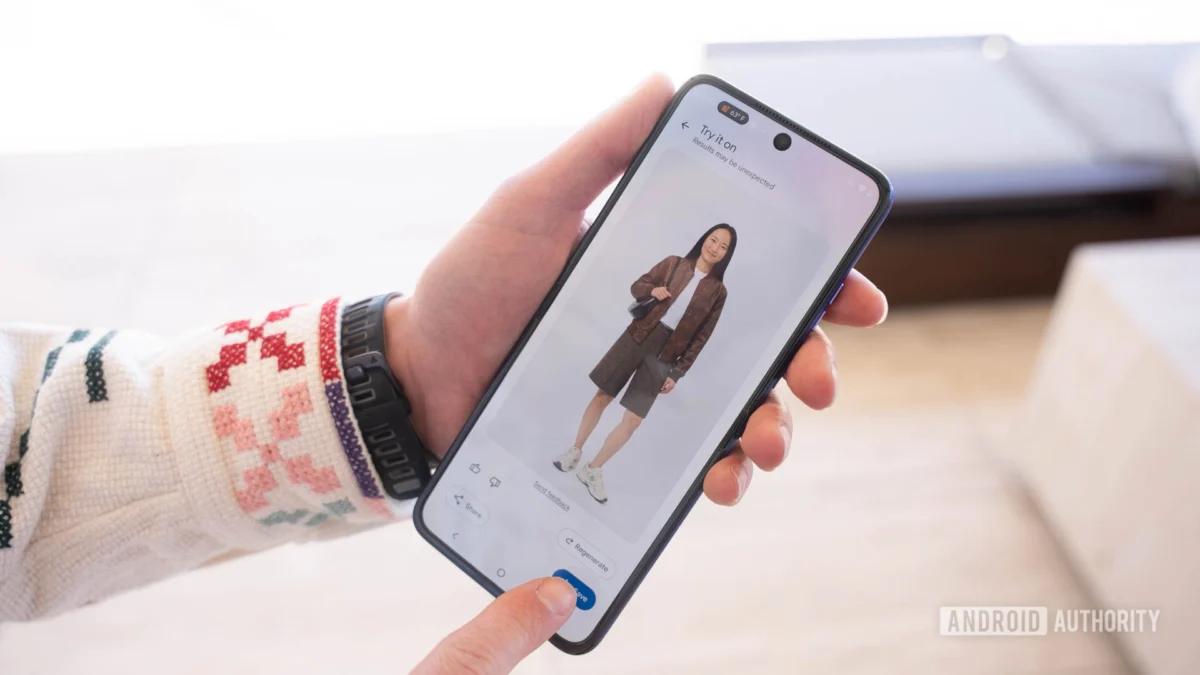
Google Photos, a ubiquitous platform for digital memories, is introducing two significant updates aimed at giving users greater control over their photo libraries and offering innovative ways to manage their personal style. The highly anticipated Manual Photo Stacks feature is now rolling out to Android users, mirroring a functionality that has been available on iOS for some time. Concurrently, the virtual wardrobe tool, first spotted in development earlier this year, is seeing a broader release, promising to transform how users visualize and plan their outfits using their own photo history.
Empowering Organization: The Arrival of Manual Photo Stacks
For years, Google Photos has excelled at automatic organization, leveraging AI to categorize images by people, places, and things. However, users have often expressed a desire for more granular control, particularly in situations where automatic categorization might miss nuances or where specific organizational structures are preferred. The introduction of Manual Photo Stacks addresses this need directly.
Previously, iOS users of Google Photos could group related images into stacks, creating a cleaner and more organized library view. This feature allowed users to select multiple photos, such as different shots of the same event or subject, and consolidate them into a single, collapsible item. Tapping on the stack would then reveal the individual photos within it. The absence of this feature on Android had been a point of contention for many users who relied on Google Photos as their primary digital archive.
The rollout of Manual Photo Stacks on Android began recently, with some users of Android Authority’s team reporting its appearance within the app. The functionality is accessible by selecting multiple photos in the Photos app and then tapping the new "Stack Photos" option that appears in the toolbar. This enables users to create custom stacks, providing a more personalized and efficient way to manage extensive photo libraries. This move signifies Google’s commitment to feature parity across its core platforms, acknowledging user feedback and striving for a consistent experience.
Revolutionizing Personal Style: The Virtual Wardrobe Takes Center Stage
Complementing the organizational enhancements, Google Photos is also accelerating the rollout of its virtual wardrobe feature. This innovative tool aims to simplify the daily decision of "what to wear" by leveraging AI and the user’s own photographic history. First identified in development in April of this year, the feature began a staggered rollout later that month. Now, Google appears to be significantly expanding its availability, particularly in the United States.
The virtual wardrobe tool functions by analyzing a user’s existing photo library to identify clothing items. Through advanced image recognition, Google Photos can catalog shirts, pants, dresses, and other apparel captured in past pictures. This data is then used to construct a "virtual wardrobe," a digital representation of the user’s owned clothing.
Beyond mere cataloging, the feature offers intelligent outfit recommendations. Based on the identified garments, Google Photos can suggest potential outfit combinations, drawing from the user’s actual wardrobe. This moves beyond generic style advice, providing personalized suggestions grounded in the user’s own fashion choices.
A particularly compelling aspect of the virtual wardrobe is its "try on" functionality. Users can select a recommended outfit, and the AI will generate an image of them wearing it. This feature offers a virtual fitting room experience, allowing users to visualize how an outfit would look on them before physically trying it on or even deciding to wear it. This can be invaluable for planning outfits for specific occasions or simply for exploring new style combinations without the commitment. The integration of AI in this manner has the potential to save users time and reduce decision fatigue associated with personal styling.
A Phased Rollout and User Expectations
It is important to note that Google’s feature rollouts are often phased and can sometimes appear at unexpected times. While these new features are actively being deployed, users may not see them immediately in their Google Photos app. The company’s strategy typically involves a gradual release to a percentage of users, allowing for monitoring and fine-tuning before a wider deployment.
This approach, while ensuring stability, can lead to frustration for users eager to try new functionalities. However, the consistent pattern of these rollouts suggests that if a user does not have access to Manual Photo Stacks or the virtual wardrobe tool yet, it is likely a matter of time before the update reaches their device. The underlying infrastructure and AI models are being refined, and the broader availability is expected to continue in the coming weeks and months.
The Broader Implications of Enhanced Google Photos Features
The introduction of these two features signals a strategic direction for Google Photos, moving beyond simple photo storage and basic organization towards becoming a more intelligent and integrated personal assistant.
For Organization: Manual Photo Stacks directly addresses a long-standing user request for greater manual control. This aligns with a broader trend in digital organization tools where users seek flexibility to impose their own structures on vast digital archives. The ability to manually stack photos is particularly useful for events with many similar shots, such as concerts, vacations, or family gatherings, allowing users to declutter their main timeline and group related memories cohesively. This enhanced organization can lead to a more pleasant and efficient user experience when revisiting or searching for specific photos.
For Personal Style: The virtual wardrobe tool represents a significant leap in the application of AI to everyday life. By analyzing a user’s existing wardrobe, it offers a personalized and practical solution to a common daily challenge. This feature has the potential to empower users to make more informed fashion choices, discover new outfit combinations from their existing clothes, and potentially reduce impulse purchases by better understanding what they already own and how they can utilize it. The "try on" feature, in particular, could revolutionize how people experiment with style, making fashion more accessible and less intimidating.
Data and AI Integration: The success of these features relies heavily on Google’s advanced AI capabilities. The ability to accurately identify clothing items from varied image conditions and then generate realistic visualizations of users wearing outfits showcases the power of machine learning. As these tools evolve, we can anticipate further integration with other Google services, potentially linking outfit suggestions to calendar events or weather forecasts, further enhancing their utility.
Market Competition: In the competitive landscape of cloud storage and photo management, Google Photos continues to differentiate itself by investing in AI-powered features that offer unique value propositions. While competitors may offer robust storage and basic organization, the depth of AI integration seen in the virtual wardrobe sets Google Photos apart. This focus on intelligent assistance can be a key factor in user retention and acquisition.
In conclusion, the rollout of Manual Photo Stacks and the expanded availability of the virtual wardrobe feature mark a significant evolution for Google Photos. These updates underscore Google’s commitment to user-driven innovation and its prowess in leveraging artificial intelligence to enhance everyday digital experiences, from meticulously organizing cherished memories to confidently planning personal style.