George Chandra Eka
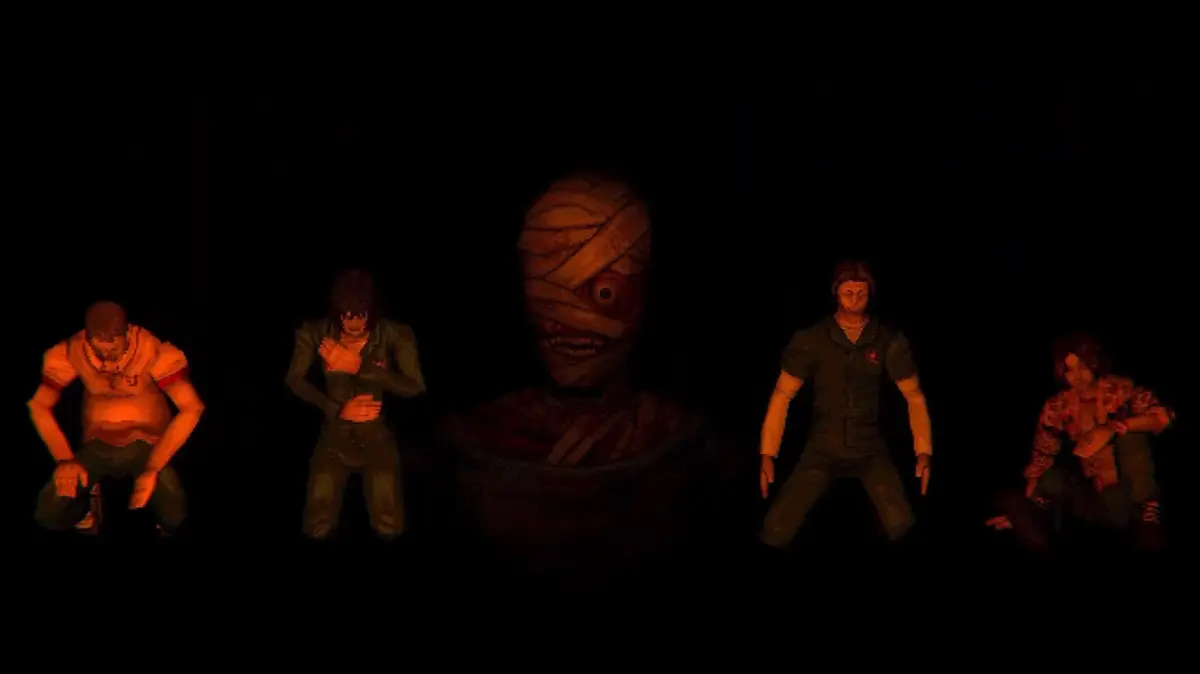
Sony Pictures Entertainment has officially acquired the rights to the critically acclaimed indie horror game Mouthwashing from developer Wrong Organ, confirming plans for a feature film adaptation. Renowned director Karyn Kusama, celebrated for her work on genre-bending films such as Jennifer’s Body and The Invitation, is attached to helm the project. The screenplay will be penned by Matt Manfredi and Phil Hay, the writing duo behind Kusama’s critically praised thriller The Invitation. Adding further weight to the production, veteran horror director and producer Scott Derrickson, known for his work on The Black Phone and Sinister, is set to produce. This strategic move by Sony underscores Hollywood’s increasing appetite for translating successful video game intellectual properties to the big screen, with the studio reportedly hoping to replicate the commercial and critical success seen with recent video game adaptations.
A Confluence of Acclaimed Horror Talent
The assembly of such a formidable creative team signals Sony’s serious intent for the Mouthwashing adaptation. Karyn Kusama has carved out a distinctive niche in contemporary cinema, often exploring themes of identity, paranoia, and the insidious nature of psychological decay within genre frameworks. Her 2009 cult classic Jennifer’s Body, though initially misunderstood, has since been re-evaluated as a sharp, feminist horror-comedy, while 2015’s The Invitation is lauded for its masterful build-up of tension and claustrophobic atmosphere, culminating in a shocking finale. These previous works demonstrate Kusama’s adeptness at crafting character-driven horror that relies on psychological dread rather than overt jump scares, a sensibility that aligns remarkably well with the thematic core of Mouthwashing.
Matt Manfredi and Phil Hay’s collaboration with Kusama on The Invitation proved their capability in crafting intricate, character-focused narratives that slowly unravel into horror. Their ability to write compelling dialogue and escalate suspense through interpersonal dynamics will be crucial in translating Mouthwashing‘s unique brand of psychological terror. Producer Scott Derrickson brings a wealth of experience from the horror genre, having directed several successful films, including the chilling Sinister and the recent box office hit The Black Phone. His involvement provides a strong producing hand with a deep understanding of what resonates with horror audiences, ensuring the film retains its genre integrity while appealing to a broader viewership. The collective experience of this team suggests an adaptation that will be thoughtfully conceived and executed, aiming for more than just superficial scares.
Deconstructing ‘Mouthwashing’: From PC Gem to Multi-Platform Phenomenon
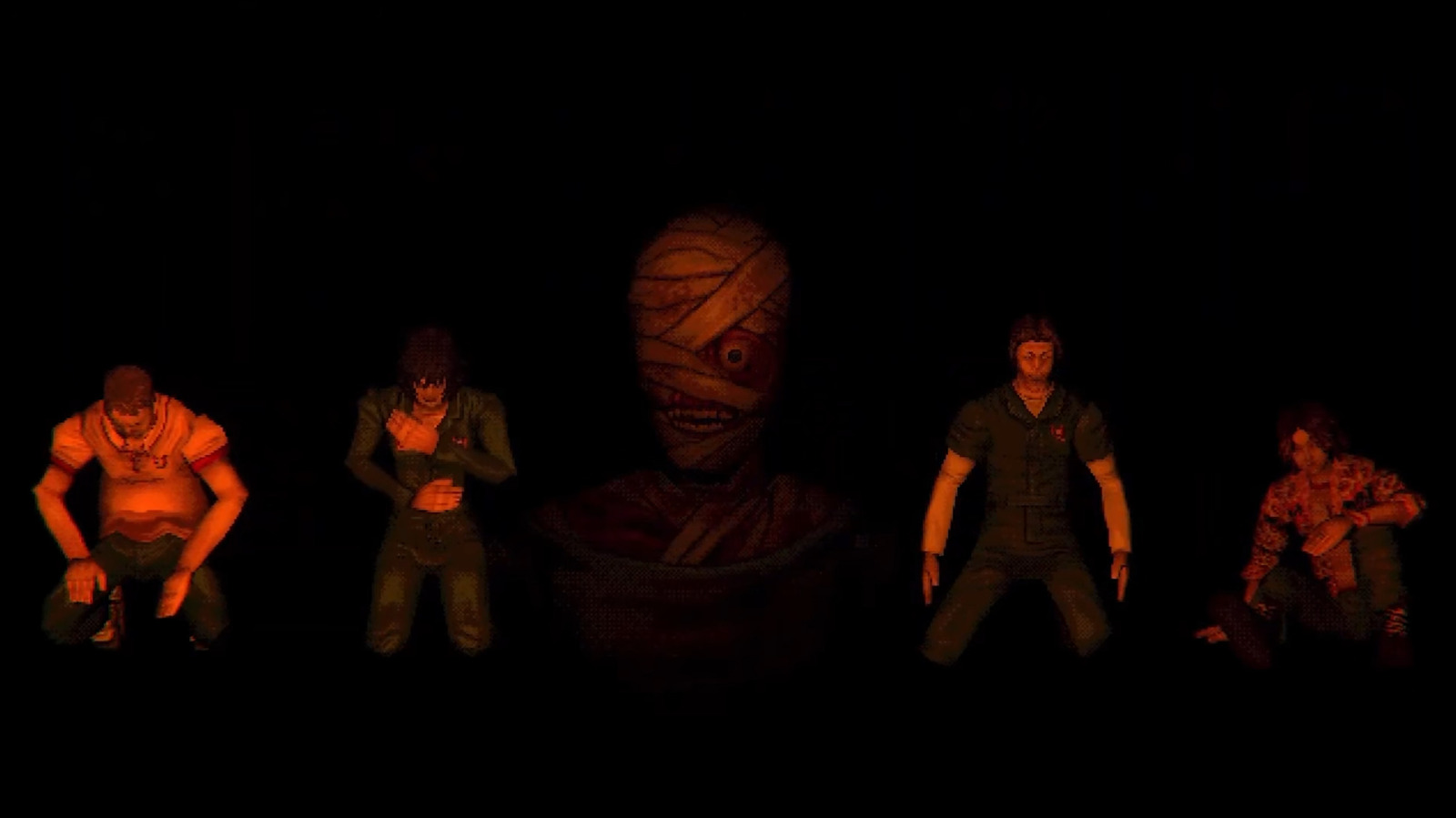
Mouthwashing, developed by Wrong Organ and published by Critical Reflex, first launched on PC in 2024, quickly gaining traction within the indie horror community for its distinctive approach. Unlike many mainstream horror titles that lean heavily on jump scares and creature features, Mouthwashing delves into a more cerebral, psychological realm. The game immerses players in the unsettling narrative of a stranded spaceship crew gradually succumbing to the ravages of isolation and an inexplicable descent into madness. Its horror is derived from heavy thematic elements, surreal imagery, and an oppressive atmosphere that slowly erodes the player’s sense of reality. The game’s critical reception has often highlighted its innovative storytelling and its ability to evoke profound unease without resorting to conventional genre tropes.
The unique premise and execution of Mouthwashing make it a fascinating choice for a film adaptation. Its focus on psychological horror, the fragility of the human mind under extreme duress, and its distinct visual style offer rich material for cinematic translation. The transition from a first-person interactive experience to a linear film narrative will undoubtedly present creative challenges, particularly in conveying the game’s subjective descent into madness. However, with Kusama’s track record in exploring similar themes, there is significant potential for a faithful yet creatively reimagined adaptation. The game’s recent expansion to a wider audience, with its availability on Nintendo Switch, PlayStation 5, Xbox Series X/S, and Xbox Game Pass, has significantly boosted its profile, introducing its unique brand of horror to millions of new players just as the film adaptation was announced. This timely expansion could create a robust pre-existing fanbase for the movie, mirroring the strategy often employed by studios adapting popular literary works or comic books.
Sony’s Strategic Expansion in Video Game Adaptations
Sony Pictures Entertainment’s decision to invest in Mouthwashing is indicative of a broader industry trend where studios are increasingly looking to video games as a fertile ground for new cinematic universes and lucrative franchises. The success of game adaptations has historically been mixed, with many films struggling to capture the essence of their source material or connect with wider audiences. However, recent years have seen a significant shift, with productions like The Super Mario Bros. Movie and television series such as The Last of Us achieving unprecedented critical and commercial success. These successes have demonstrated that with the right creative team and a respectful approach to the source material, video game adaptations can indeed thrive.
The original article explicitly states that Sony is likely hoping to emulate the success it saw with Resident Evil. While the Resident Evil film franchise, particularly the earlier entries starring Milla Jovovich, achieved considerable financial success globally, its critical reception was often polarized, with many fans of the original games expressing disappointment over the narrative departures. It is crucial to note that the Resident Evil mentioned in the source might be referencing the 2021 reboot, Resident Evil: Welcome to Raccoon City, which aimed for a more faithful adaptation but met with mixed critical and commercial results. However, the reference to "critical hit" and "financial success" suggests a broader perspective on the franchise’s overall impact or perhaps an optimistic view of specific entries. Regardless, Sony’s underlying motivation is clear: to leverage established and popular gaming IP to attract built-in fanbases and create profitable cinematic ventures.
Mouthwashing, with its distinct indie appeal and psychological depth, offers a different kind of opportunity compared to action-heavy franchises like Resident Evil. It allows Sony to tap into the burgeoning market for elevated horror, a subgenre that has seen significant critical and commercial success in recent years with films that prioritize atmosphere, character, and thematic resonance over jump scares. This aligns with a more discerning audience seeking sophisticated horror experiences, potentially positioning the Mouthwashing film as a prestige horror project rather than a purely commercial one.
The Broader Landscape of Video Game Films: A Timeline of Evolution
The journey of video games to the silver screen has been a long and often tumultuous one. Early adaptations in the 1990s, such as Super Mario Bros. (1993) and Street Fighter (1994), largely failed to capture the spirit of their source material or critical acclaim. The early 2000s saw a proliferation of adaptations, notably Uwe Boll’s infamous filmography which included House of the Dead (2003) and Alone in the Dark (2005), further cementing the perception that video game movies were inherently flawed.
However, the late 2000s and 2010s began to show glimpses of improvement. The Resident Evil film series, despite its narrative divergences from the games, proved to be a consistent box office performer, demonstrating the commercial viability of game adaptations even without universal critical praise. Films like Prince of Persia: The Sands of Time (2010) and Warcraft (2016) showed increasing production values but still struggled to fully satisfy both critics and fans.
The turning point arguably came in the late 2010s and early 2020s. Detective Pikachu (2019) demonstrated how a beloved IP could be translated with charm and visual fidelity. Sonic the Hedgehog (2020) and its sequel (2022) proved that fan feedback could be incorporated to create successful adaptations. But it was The Super Mario Bros. Movie (2023) and HBO’s The Last of Us (2023) that truly revolutionized the landscape, achieving both massive commercial success and widespread critical acclaim, finally breaking the "video game movie curse." These successes have invigorated Hollywood, leading to a surge in announced adaptations, from Borderlands to God of War, and now, Mouthwashing. This timeline illustrates a clear evolution, from experimental and often misguided attempts to sophisticated, high-budget productions that respect their source material while aiming for cinematic excellence.
Karyn Kusama’s Vision: A Perfect Fit for Psychological Horror
Karyn Kusama’s attachment to Mouthwashing is perhaps the most compelling aspect of this announcement. Her directorial style is characterized by a slow-burn approach, meticulous character development, and a keen eye for unsettling psychological tension. This makes her an ideal choice for a game like Mouthwashing, which thrives on atmosphere and internal dread rather than overt monster encounters.
Consider The Invitation, a film that primarily takes place in a single location and derives its horror from the unsettling social dynamics and the slow realization that something is deeply wrong. This mirrors Mouthwashing‘s confined spaceship setting and the crew’s gradual loss of sanity. Kusama’s ability to build suspense through subtle cues, ambiguous dialogue, and the pervasive feeling of unease will be crucial in translating the game’s core experience. Her films often explore themes of grief, trauma, and the unraveling of mental states, all of which are central to Mouthwashing‘s narrative.
Furthermore, Kusama’s work often features strong, complex characters navigating morally ambiguous situations. While Mouthwashing focuses on a crew, her expertise in depicting human vulnerability and resilience under pressure will undoubtedly enrich the film’s character arcs. Her reputation for crafting intelligent, thought-provoking horror that lingers long after the credits roll suggests that the Mouthwashing adaptation will aim for a similar impact, elevating it beyond a simple genre piece.
Implications for Indie Game Development and the Horror Genre
The adaptation of Mouthwashing carries significant implications for the independent video game development scene. Historically, mainstream Hollywood adaptations have focused on blockbuster franchises with massive fanbases. The fact that Sony Pictures has acquired the rights to an indie horror game, rather than a AAA title, is a testament to the growing influence and creative power of independent developers. This move could inspire other major studios to look beyond established behemoths and consider smaller, creatively unique games for adaptation, opening new avenues for indie creators to gain wider recognition and financial backing. It validates the artistic merit of indie games and their potential to resonate with audiences across different media.
For the horror genre in film, Mouthwashing offers an opportunity to further push the boundaries of psychological horror. In an era where "elevated horror" has found mainstream acceptance, films that prioritize atmospheric dread and thematic depth are increasingly celebrated. Mouthwashing‘s unique brand of surreal, isolation-based horror aligns perfectly with this trend, providing a fresh narrative canvas for Kusama and her team to explore. It demonstrates that horror doesn’t always need monstrous creatures or excessive gore to be effective; sometimes, the most terrifying threats lie within the human mind itself. The adaptation could serve as a benchmark for how to translate highly subjective, psychological game experiences into compelling cinematic narratives.
Game Availability and Anticipation for the Adaptation
The timing of the film adaptation announcement coincides with a significant expansion of Mouthwashing‘s accessibility. The game, which initially launched on PC in 2024, has now become much easier to play, with its release on major console platforms including Nintendo Switch, PlayStation 5, and Xbox Series X/S, in addition to its inclusion in Xbox Game Pass. This strategic multi-platform launch means that a much larger audience now has the opportunity to experience the game’s unique brand of horror firsthand.
This increased availability serves a dual purpose: it allows existing fans to revisit the game and new players to discover it, thereby building anticipation and a broader understanding of the source material ahead of the film’s release. For Sony, it creates a larger potential audience already invested in the game’s universe and eager to see how it translates to the screen. This synergy between the game’s expanded reach and the film’s development fosters a powerful marketing ecosystem, where each medium can mutually reinforce the other. While a release date for the film has not yet been announced, the groundwork is clearly being laid for a significant cinematic event.
The convergence of a unique indie horror game, a visionary director, a seasoned writing team, and an experienced producer under the banner of a major studio like Sony Pictures signals a promising future for the Mouthwashing adaptation. It represents a significant moment for both the video game and film industries, highlighting the evolving landscape of intellectual property and the endless possibilities that arise when creative boundaries are challenged and respected. As development progresses, the horror community and wider audiences will undoubtedly watch with keen interest to see how this unsettling journey into the depths of space and sanity is brought to life on the silver screen.