Galang Taruna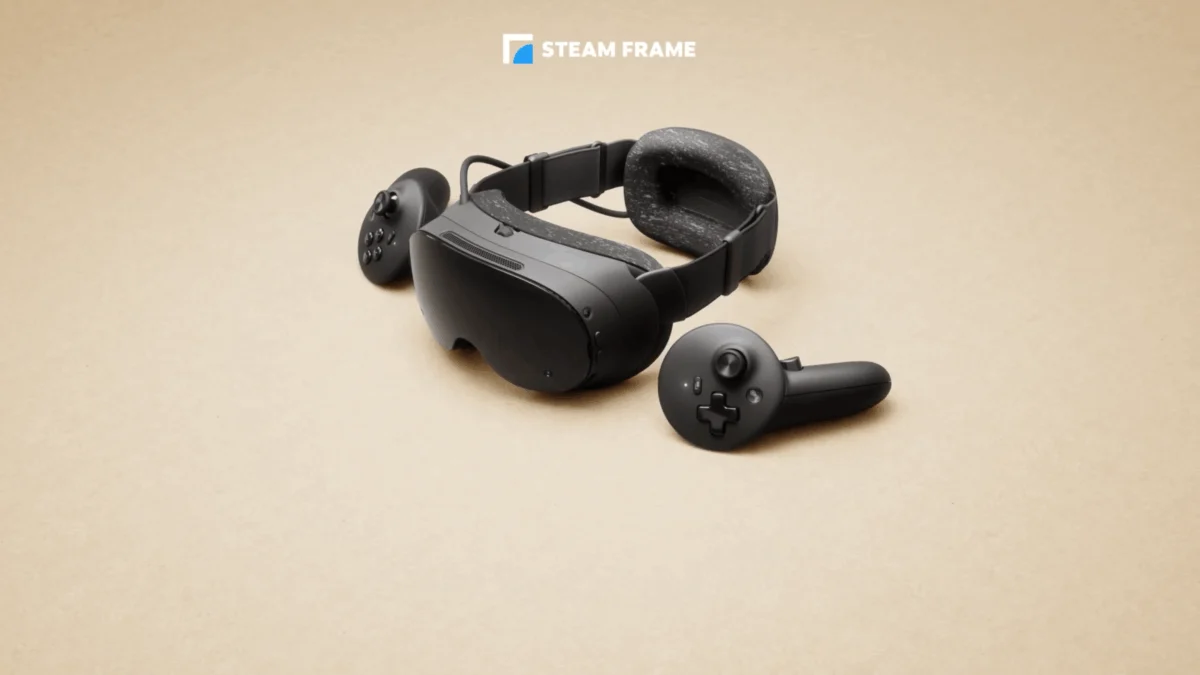
Valve Corporation has officially commenced the registration period for its highly anticipated Steam Frame virtual reality (VR) headset, marking a significant step in its re-entry into the standalone VR market. Starting Monday, September 14th, prospective buyers can register their interest in acquiring the device, which is offered in two configurations: a 256 GB model priced at €1,049 and a 1 TB variant at €1,279. The registration window is notably brief, set to conclude on Thursday evening, after which successful applicants will be selected through a randomized lottery system. This approach echoes Valve’s prior hardware launches, creating a controlled distribution method for a product poised to challenge established players in the burgeoning VR ecosystem.
A Familiar Launch Strategy for Valve’s Latest Hardware
The implementation of a lottery system for the Steam Frame is not unprecedented for Valve, reflecting a consistent strategy employed for past hardware releases. This method was previously utilized for the Steam Machine in June and, even earlier, for the Steam Controller, which notoriously sold out in under an hour upon its initial launch. This selective distribution mechanism aims to manage overwhelming demand, mitigate scalping by bots and resellers, and ensure a more equitable (albeit random) allocation of units to genuine enthusiasts. Applicants are restricted to registering for only one model, further reinforcing Valve’s intent to curb speculative purchasing and provide a fair chance to individual consumers. The consequence of this system is that an unsuccessful registration does not necessarily signify an immediate unavailability of the headset but rather a deferral to a later purchasing opportunity, likely through subsequent waves or a broader general release.
The Steam Frame arrives after a protracted anticipation period, initially teased with a "early 2026" release window that later shifted to "summer 2026." Its official registration launch on September 14th places its availability just eight days before the meteorological conclusion of summer, allowing Valve to technically fulfill its revised promise. This release follows nearly ten months since its initial unveiling, building considerable excitement among VR aficionados and the broader gaming community.
Unpacking the Steam Frame’s Technical Prowess
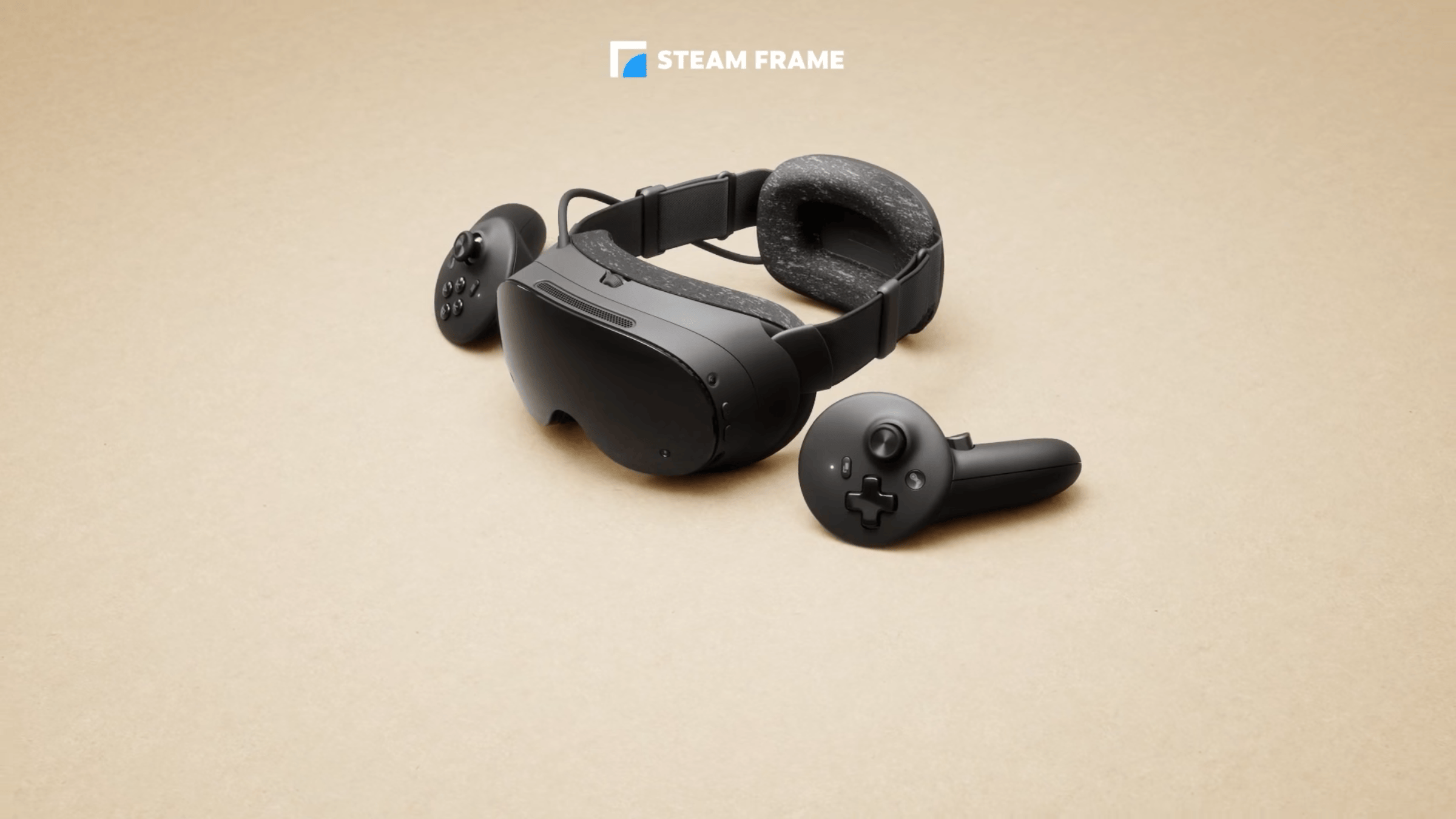
At its core, the Steam Frame is an autonomous VR headset powered by SteamOS 3, a Linux-based operating system tailored for Valve’s hardware initiatives. It was first announced on November 12, 2025, alongside updates to the Steam Machine and a new iteration of the Steam Controller, signaling a concerted effort by Valve to expand its hardware footprint.
Under the hood, the Steam Frame boasts formidable specifications designed to deliver a high-fidelity VR experience. It integrates a Qualcomm Snapdragon 8 Gen 3 processor, fabricated using a cutting-edge 4nm process. This powerful system-on-a-chip (SoC) is complemented by 16 GB of LPDDR5X RAM, ensuring robust multitasking capabilities and smooth rendering of complex virtual environments. The choice of the Snapdragon 8 Gen 3 positions the Steam Frame at the forefront of mobile VR processing power, capable of handling demanding applications natively on the device.
Visual immersion is handled by two LCD panels, each offering a resolution of 2160 x 2160 pixels per eye. This high pixel density contributes to sharp, detailed visuals, minimizing the "screen-door effect" often associated with lower-resolution VR displays. The headset supports a variable refresh rate ranging from 72 Hz to 144 Hz, with the latter explicitly marked as "experimental." While 72 Hz provides a baseline for comfortable VR, the higher refresh rates, particularly 144 Hz, are crucial for reducing motion sickness and enhancing the fluidity of motion, offering a more immersive and less fatiguing experience for users sensitive to latency.
Connectivity options are equally advanced, featuring Wi-Fi 7 and Bluetooth 5.4. Wi-Fi 7, the latest wireless standard, promises significantly higher speeds, lower latency, and improved efficiency, which are critical for seamless standalone VR operation and high-quality wireless PC VR streaming. Bluetooth 5.4 ensures stable and efficient connections with peripherals. The package also includes a dedicated 6 GHz wireless adapter, designed to facilitate low-latency streaming of PC VR games without relying on a home Wi-Fi router, thus bypassing potential network congestion and ensuring a direct, optimized connection between the PC and the headset.
The complete kit for the Steam Frame bundles two 6DOF (six degrees of freedom) controllers, enabling precise tracking of hand movements and interactions within the virtual space. These controllers are essential for natural and intuitive gameplay and navigation. Powering this advanced hardware is a 21.6 Wh battery, which, while offering a slightly larger capacity than Meta’s Quest 3, has not been accompanied by an official battery life estimate from Valve. This leaves consumers to speculate on the real-world usage duration, a crucial factor for standalone VR devices. Storage configurations are available at 256 GB for the base model and 1 TB for the premium version, with a price difference of €230. Notably, both models feature a microSD card reader, offering users the flexibility to expand storage beyond the internal capacity, a welcome feature given the increasing size of VR applications and games.
The Price Point: Exceeding Expectations Amidst Market Challenges

The pricing of the Steam Frame has become a focal point of discussion, especially when juxtaposed with initial market expectations and Valve’s own previous statements. Valve had indicated a target price lower than that of its existing high-end VR system, the Valve Index, which retails as a complete kit for €1,079. While the 256 GB Steam Frame, at €1,049, does technically come in just below this threshold by a mere €30, it significantly surpasses analyst projections from earlier in the year. Industry analysts had initially forecasted a price range of $899 to $1,199 in the spring, a window that the current pricing comfortably sits within, yet towards its higher end.
Valve has attributed the higher-than-anticipated cost to broader market dynamics, specifically citing a "memory crisis" and a price increase from Qualcomm for its Snapdragon processors. These factors reportedly impacted component costs across the industry. Valve previously provided a similar justification for the €1,039 price tag of the Steam Machine, explaining that DDR5 memory costs had surged by over 170% year-on-year. Given that the Steam Frame incorporates 16 GB of LPDDR5X RAM, it is plausible that it faced similar inflationary pressures on its memory components.
Comparing the Steam Frame to its most direct competitor in the standalone VR space, the Meta Quest 3, highlights the premium positioning of Valve’s offering. The Meta Quest 3, generally available for around €550, also provides standalone VR capabilities and PC VR streaming. While it matches the Steam Frame in terms of definition per eye, it features half the RAM and lacks integrated eye-tracking technology. Valve’s nearly double price point for the Steam Frame is justified by several key advantages: direct access to its vast Steam library, the sophisticated x86-on-ARM compatibility layer for running PC VR titles, and the inclusion of a dedicated wireless adapter for superior PC streaming performance. These features collectively aim to provide a more premium and integrated experience within the Steam ecosystem, targeting users who prioritize performance, versatility, and deep library access.
Valve’s Hardware Legacy and the Competitive VR Landscape
Valve’s journey into hardware has been characterized by innovation, ambition, and a willingness to experiment. From the initial Steam Machines, which aimed to bring PC gaming into the living room, to the Steam Controller, designed to bridge the gap between gamepad and keyboard/mouse input, and the highly successful Steam Deck handheld gaming PC, Valve has consistently sought to push boundaries. The Valve Index, their premium PC VR headset, set a high bar for fidelity and tracking. The Steam Frame represents a natural evolution, combining Valve’s expertise in VR with the growing trend of standalone devices, all while leveraging the strength of its Steam platform.
The VR market is currently experiencing rapid growth and diversification. Meta Platforms, with its Quest line, holds a dominant position in the standalone segment, largely due to aggressive pricing and a strong content ecosystem. Other players like HTC VIVE and Pico also offer various VR solutions, ranging from standalone to PC-tethered devices. The emergence of high-profile devices such as the Apple Vision Pro, albeit at a significantly higher price point and with a different focus on spatial computing, further illustrates the dynamic nature of the market. The Steam Frame’s entry with a premium price and a lottery-based launch strategy positions it as a niche, high-performance option for dedicated VR enthusiasts and PC gamers already invested in the Steam ecosystem. It seeks to differentiate itself through raw power, deep integration with Steam, and advanced features like the dedicated wireless adapter and potentially superior software optimization via SteamOS 3.

Implications for Consumers and the Future of VR
The launch of the Steam Frame carries several implications for both consumers and the broader VR ecosystem. For consumers, it offers a compelling alternative to existing standalone VR headsets, particularly for those deeply embedded in the Steam PC gaming environment. The promise of direct access to a vast library of VR-compatible games, combined with cutting-edge hardware, could be a significant draw. However, the premium price point and the lottery system mean that accessibility will initially be limited, targeting early adopters and those willing to invest significantly in their VR experience.
For the VR industry, Valve’s move signals a continued commitment from a major platform holder to hardware innovation. The Steam Frame’s blend of standalone capability with robust PC VR streaming via a dedicated adapter could set a new standard for hybrid VR devices. It also intensifies competition, particularly with Meta, by offering a direct rival that leverages a different operating system and a distinct hardware philosophy. The success of the Steam Frame could influence future design choices across the industry, particularly regarding the integration of powerful mobile processors, high-resolution displays, and advanced wireless streaming technologies. Furthermore, the use of SteamOS 3 and the x86-on-ARM compatibility layer could foster further development in Linux-based gaming and emulation, potentially expanding the reach of PC gaming to more diverse hardware architectures.
In conclusion, Valve’s Steam Frame is more than just a new VR headset; it is a strategic maneuver by a key player in the gaming industry to shape the future of virtual reality. With its premium specifications, innovative launch strategy, and deep integration with the Steam ecosystem, it aims to carve out a significant segment of the high-end standalone VR market. The coming months will reveal whether this ambitious approach can successfully translate into widespread adoption and solidify Valve’s position as a dominant force in the evolving landscape of immersive technology.