
 George Chandra Eka
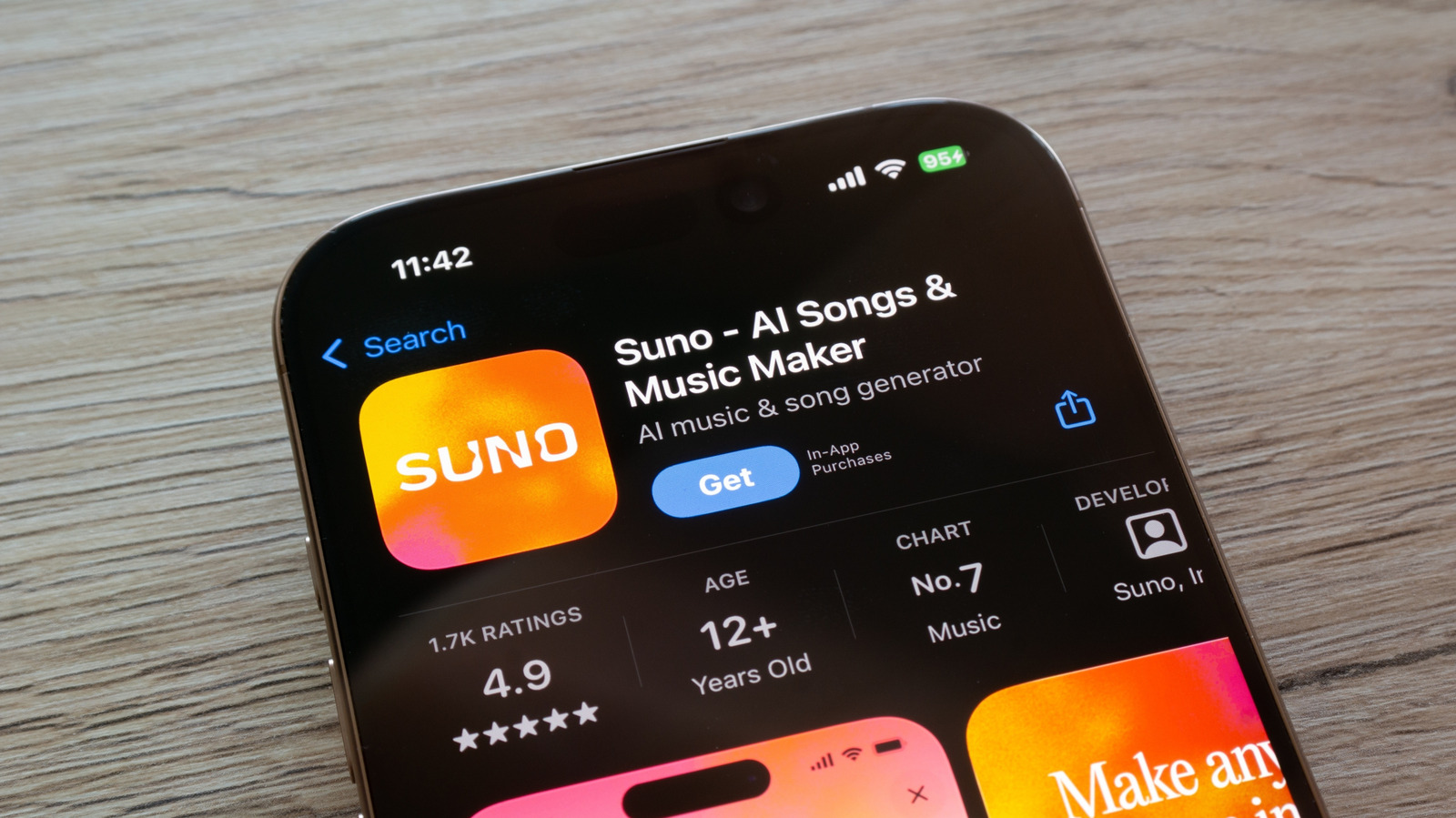
In a significant move addressing mounting pressure from the global music industry and ongoing legal challenges, Suno, a prominent AI music generator, has announced the implementation of new audio watermarking and fingerprinting technologies alongside stricter download limits for songs created on its platform. This initiative, detailed by Suno co-founder and CEO Mikey Shulman in a recent blog post, is presented as a suite of "transparency tools" designed to enhance the identifiability of AI-generated content, combat fraud, and prevent the unauthorized mass distribution of tracks. The announcement signals a pivotal moment in the rapidly evolving landscape of generative artificial intelligence in creative industries, particularly as copyright holders push for greater accountability and clearer distinctions between human and machine-made art.
The New Transparency Framework: Watermarks and Download Curbs
Suno’s core initiative revolves around embedding identifiable markers within AI-generated audio. While specific technical details remain somewhat opaque, Shulman indicated the adoption of "new audio watermarking and fingerprinting technology." This system aims to create a persistent digital signature within each track, allowing it to be traced back to its origin on the Suno platform, even if the audio undergoes subsequent editing, compression, or re-uploading to other services. The concept bears a resemblance in principle to Google’s SynthID, a technology designed to embed an invisible watermark directly into AI-generated images, making them identifiable as synthetic content. For Suno, this technology is critical for resisting what it terms "AI fraud" and providing a verifiable audit trail for content authenticity.
Complementing the watermarking system, Suno is also introducing new download limits. These restrictions are explicitly designed to curtail the mass distribution of AI-generated songs, particularly on commercial streaming platforms. While the exact parameters of these limits—such as the number of downloads per user or per day—have not been fully disclosed, their intent is clear: to prevent the saturation of music charts and digital storefronts with AI-created content that could potentially obscure or compete unfairly with human-made music. This measure directly responds to a growing chorus of complaints from major record labels and artist groups regarding the proliferation of "AI slop" or "fake artist" tracks, which have begun to infiltrate global music charts and streaming algorithms.
Suno’s CEO, Mikey Shulman, emphasized the company’s belief that the ultimate decision regarding the disclosure of AI-generated content should rest with individual artists and the platforms where the music is hosted. This stance suggests a collaborative approach, where Suno provides the technical means for identification, but the responsibility for transparency in public-facing contexts is shared across the ecosystem. The move reflects a broader industry trend where AI developers are grappling with the ethical and legal implications of their creations, moving towards self-regulation in anticipation of or in response to external pressures.
The Intensifying Battle Over AI and Music Copyright
Suno’s announcement is not an isolated development but rather a direct consequence of an increasingly contentious environment surrounding generative AI and intellectual property rights within the music industry. For the past several years, the emergence of sophisticated AI models capable of generating music in various styles has sparked profound debates about copyright infringement, fair use, and the economic future of human artists.
A Chronology of Conflict:
- Early Scrutiny (Past Few Years): AI music generation companies, including Suno and Udio, faced a wave of lawsuits alleging that their models were trained on vast datasets of copyrighted music without proper authorization or compensation. These lawsuits typically argue that the "massive scale" of data scraping constitutes copyright infringement, challenging the interpretation of "fair use" in the context of AI model training. The core legal argument often centers on whether the use of copyrighted material for training AI, which then produces new content, is transformative enough to fall under fair use doctrines or if it constitutes derivative work requiring licensing.
- The "Big Three" Labels Take a Stand (Recently): In the months leading up to Suno’s announcement, a powerful coalition of major music labels—Sony Music Entertainment, Universal Music Group (UMG), and Warner Music Group (WMG)—intensified their lobbying efforts. They issued a unified call for the disqualification of AI-generated tracks from entering music charts worldwide, arguing that these "slop" songs, often created without human input or substantial creative effort, distort market metrics, undermine artistic integrity, and potentially defraud consumers. This collective demand underscored the industry’s alarm over the perceived threat to traditional revenue streams and the value of human artistry.
- Warner Music Group’s Precedent (November Last Year): A significant turning point occurred in November of the previous year when Warner Music Group, one of the largest music conglomerates globally, reached an agreement with Suno. This landmark deal allowed Suno to license WMG artists’ music and likenesses, effectively ending an ongoing legal dispute between the two entities. This agreement was seen by many as a potential blueprint for future collaborations between AI developers and the music industry, suggesting that licensing and partnership, rather than outright prohibition, could be a viable path forward. It also highlighted the commercial value that major labels see in engaging with AI, provided their intellectual property rights are respected and compensated.
- The German Court Ruling (Just This Week): Adding further complexity and immediate context to Suno’s transparency initiative, a German court in Munich ruled against Suno just this week. The court sided with Gema, Germany’s prominent music licensing agency, on accusations of copyright violation. The ruling asserted that Suno had trained its systems on protected music without securing the necessary rights. Suno has publicly disagreed with this decision and is reportedly considering an appeal, indicating the continued legal ambiguity and jurisdictional challenges inherent in regulating AI globally. This ruling underscores that even as some legal disputes are resolved through licensing, others continue to challenge the foundational data practices of AI developers.
Suno has consistently maintained that it employs safeguards to prevent direct copyright infringement. The company states that it does not use artist names in its training metadata and strictly prohibits users from inputting specific artists or copyrighted song titles when generating prompts. This defense mechanism is intended to ensure that AI-generated output is original and not merely an imitation or reproduction of existing works. However, the German court’s decision suggests that the mere act of training on copyrighted material, regardless of direct output prompts, can be deemed a violation, opening a new front in the legal battle.
The Broader Impact and Implications for the Music Ecosystem
Suno’s proactive measures, while a response to immediate pressures, carry significant implications for the future of AI in music and potentially for generative AI across other creative domains.
Setting Industry Standards: By adopting watermarking and introducing download limits, Suno is not only addressing its own legal and ethical obligations but also potentially setting a precedent for other AI music generators. As the technology matures, a unified approach to content identification and responsible distribution could become an industry standard, fostering greater trust among artists, labels, and consumers. The absence of such standards has been a major point of contention, leading to calls for regulatory intervention from governments and international bodies.
Enhancing Authenticity and Consumer Trust: The ability to definitively identify AI-generated content can help maintain the integrity of artistic creation. For consumers, clear labeling can empower them to make informed choices about the music they listen to and support, distinguishing between human artistry and machine output. In an era increasingly grappling with deepfakes and synthetic media, transparency tools are crucial for preserving trust in digital content. The erosion of trust in the authenticity of content is a major concern for the entire media landscape.
Navigating the "Fair Use" Frontier: The ongoing legal skirmishes, particularly the German court ruling, highlight the global variations and ambiguities surrounding "fair use" and copyright in the digital age. What constitutes legitimate use for training an AI model remains hotly debated. Suno’s engagement with licensing bodies like WMG on one hand, and its legal challenges with Gema on the other, illustrate the fragmented and complex legal landscape that AI developers must navigate. These cases are not just about music; they are shaping the future of intellectual property law for all forms of AI-generated content.
The Role of Content Recognition Technologies: Suno’s collaboration with specialized content recognition and data companies like Audible Magic and Musixmatch is a strategic move. These third-party services provide sophisticated tools to screen uploaded audio files and lyrics for potential misuse, including identifying copyrighted material or detecting patterns indicative of unauthorized content. This outsourcing of content moderation to established players in the field can lend credibility to Suno’s efforts and enhance the effectiveness of its new safeguards. Such partnerships are becoming increasingly vital as the scale of user-generated content, both human and AI-driven, continues to explode.
Economic Implications for Artists and Labels: The mass distribution of easily replicable AI-generated music poses a direct economic threat to human artists. If charts are flooded with AI tracks that cost little to produce, it could devalue original music, dilute royalty pools, and make it harder for emerging artists to gain visibility. The download limits, therefore, are a critical step in attempting to rebalance the playing field and protect the economic viability of human creativity. Major labels, representing significant investments in artist development and intellectual property, have a vested interest in ensuring a fair and transparent market.
The Future of Creative Collaboration: Despite the controversies, many in the industry believe that AI can be a powerful tool for creative collaboration, assisting artists rather than replacing them. Suno’s efforts to establish responsible practices could pave the way for more integrated and ethically sound partnerships between AI platforms and the music community. The dialogue is shifting from outright opposition to how AI can be responsibly integrated, licensed, and attributed.
In conclusion, Suno’s decision to implement audio watermarks and download limits represents a significant inflection point in the ongoing dialogue between generative AI developers and the traditional music industry. Driven by legal pressures, industry demands, and a growing awareness of ethical responsibilities, these measures aim to foster greater transparency, combat fraud, and safeguard intellectual property. As the technology continues to advance, the success of these initiatives will likely influence the regulatory frameworks and ethical standards that will govern the future of AI-generated content across all creative sectors, striving for a balance between innovation and the protection of human artistry. The industry is in a critical phase of defining these boundaries, and Suno’s latest actions mark a concrete step towards a more accountable future for AI music.







