George Chandra Eka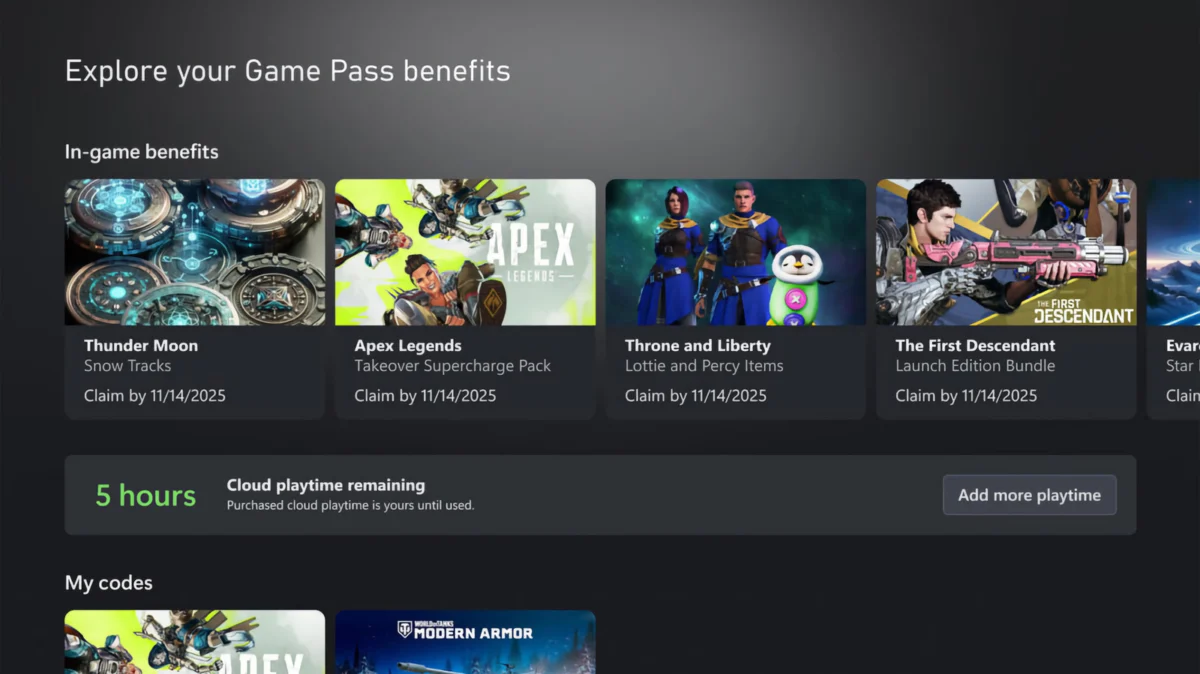
Microsoft’s Xbox division is set to implement significant changes to its cloud gaming service, fundamentally altering how Game Pass subscribers access streaming titles and introducing a new pay-per-hour model for all users. Effective November, the previously unlimited cloud streaming benefit for Game Pass Ultimate subscribers will be replaced with a tiered system imposing monthly time limits across all Game Pass subscription levels. This strategic pivot marks a notable departure from Xbox’s earlier vision of a console-agnostic future, reflecting a broader re-evaluation of its gaming strategy under new leadership.
The New Cloud Gaming Model: A Detailed Breakdown
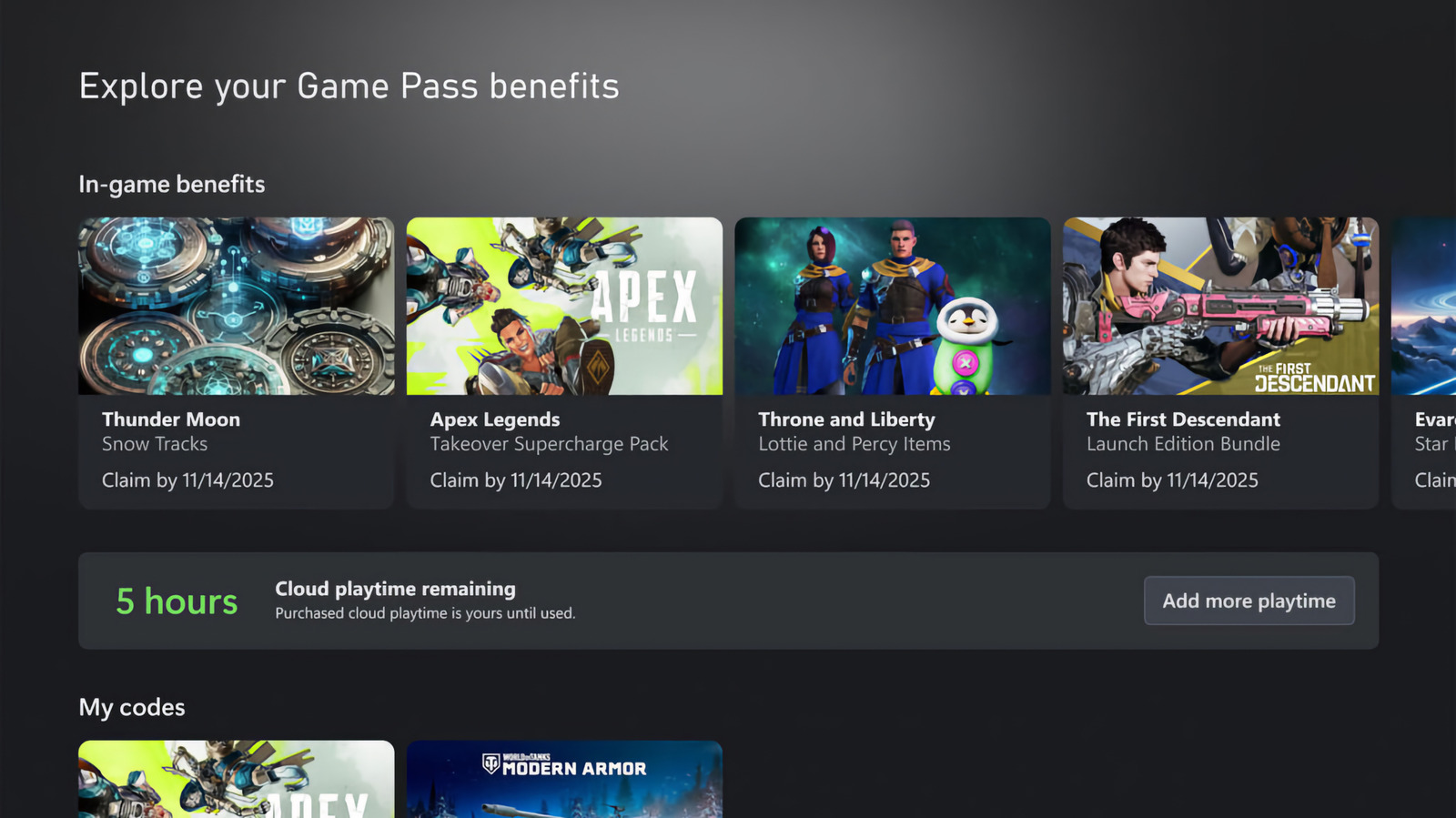
Under the forthcoming structure, Game Pass Ultimate subscribers, who previously enjoyed unrestricted cloud gaming, will now be limited to 15 hours of streaming per month. Game Pass Premium members will receive 10 hours monthly, while Game Pass Essential subscribers will be allocated five hours of cloud playtime. This change represents a substantial shift for Ultimate tier subscribers, whose $23-per-month plan previously offered unlimited access to the cloud streaming library. The announcement, made via an official Xbox news update dated September 3, 2026, outlined these adjustments as a means to "optimize service delivery" and "broaden accessibility."
Beyond the subscription tiers, Xbox is also introducing a new standalone option allowing users to purchase "cloud playtime hours" directly through the Xbox Store. This move effectively decouples cloud gaming from a mandatory Game Pass subscription, opening the service to a wider audience. A significant implication of this new model is the potential for owners of older hardware, such as the Xbox One, to stream eligible Xbox Series X/S games without needing to upgrade their console. This offers a compelling alternative for gamers facing the increasing costs of modern gaming hardware, providing a pathway to experience next-generation titles through a cloud-based solution. The exact pricing for these purchased hours, however, has not yet been disclosed, with Xbox stating that costs will "vary per market," a critical detail that will heavily influence the value proposition for consumers.
Strategic Rationale and Microsoft’s Shifting Stance
Xbox’s official statement accompanying the announcement indicated that the change is expected to impact only "four percent of Game Pass subscribers." This statistic is particularly revealing, suggesting that the vast majority of Game Pass users either do not utilize cloud gaming extensively or do not exceed the new proposed time limits. While framed as a minor disruption, the data points to a potentially lower-than-anticipated adoption rate for the unlimited cloud streaming feature, prompting Microsoft to reassess its allocation of resources and monetization strategies for the service.
The company’s evolving vision for cloud gaming has been a subject of considerable industry discussion. Initially, Xbox aggressively promoted a future where gaming hardware would become largely optional, with cloud streaming enabling access to its entire library across a multitude of devices—from smart TVs and mobile phones to web browsers. This ambitious strategy was encapsulated in marketing campaigns like "This Is An Xbox," which sought to redefine the very concept of an Xbox beyond a physical console. This vision, championed by previous leadership, aimed to expand Xbox’s reach far beyond traditional console ownership, positioning Game Pass and cloud streaming as the central pillars of its growth strategy.
A Shift in Vision: From "Console-Less Future" to Hybrid Approach
The recent changes to cloud gaming cannot be viewed in isolation but rather as part of a broader strategic realignment within Xbox, particularly under the leadership of new CEO Asha Sharma. Sharma’s tenure has seen a pivot away from the uncompromising "console-less future" rhetoric towards a more balanced, hybrid approach that re-emphasizes traditional console hardware and exclusive game titles. This shift has been accompanied by several other significant adjustments, including slight reductions in the price of some Game Pass subscriptions and, notably, a recommitment to developing compelling exclusive games for the Xbox ecosystem.
Furthermore, Microsoft’s gaming division has undergone significant internal restructuring, including a substantial round of layoffs affecting approximately 3,200 workers over the past year. These workforce reductions, coupled with the strategic recalibrations, suggest a period of consolidation and focused investment within the company. The decision to impose limits on cloud gaming could be interpreted as a move to optimize operational costs associated with maintaining extensive cloud infrastructure for a feature that, according to their internal data, was not being fully utilized by a large segment of its subscriber base. It also aligns with a broader industry trend of re-evaluating the sustainability and profitability of "all-you-can-eat" subscription models.
Market Dynamics and Industry Context
The cloud gaming market remains a highly competitive and evolving landscape. Xbox Cloud Gaming faces rivals such as NVIDIA’s GeForce Now, Sony’s PlayStation Plus Premium, and Amazon Luna, each with its own pricing models, game libraries, and technological approaches. While cloud gaming offers undeniable advantages in terms of accessibility and reduced hardware barriers, widespread adoption has been challenged by factors such as internet latency, data caps, and the need for robust, consistent broadband connections. Industry analysts have often pointed to these technical hurdles as primary impediments to mass market penetration, despite the promise of ubiquitous gaming.
The adjustments by Xbox also reflect a wider trend observed across the digital subscription economy. Many services, from streaming video to software, have begun to refine their offerings, introduce tiered pricing, or even reintroduce limits after initially offering unlimited access. This often occurs as companies gain a clearer understanding of user consumption patterns and seek to balance service value with operational expenses and long-term profitability. For Xbox, the 4% statistic likely served as a critical data point in determining that unlimited cloud streaming, while a powerful marketing tool, might not have been a cost-effective benefit for the vast majority of its user base.
Economic Implications and Consumer Impact
The economic implications of these changes are multifaceted. For existing Game Pass Ultimate subscribers, the immediate impact is a reduction in a key benefit. While 15 hours per month might be sufficient for casual players or those using cloud gaming for discovery, avid streamers or individuals relying solely on the cloud for their gaming needs will likely feel the pinch. This could lead to a re-evaluation of their subscription tier, with some potentially opting for lower tiers if their cloud usage falls within those limits, or conversely, supplementing their subscription with purchased hours. The perceived value of the Ultimate tier, which bundles Game Pass, Xbox Live Gold, and EA Play, may be diminished for those who valued the unlimited cloud access highly.
For non-subscribers and casual gamers, the introduction of purchasable "cloud playtime hours" presents an intriguing new gateway to the Xbox ecosystem. This could significantly lower the barrier to entry for experiencing high-fidelity gaming, particularly for consumers who are hesitant to invest in expensive new consoles or gaming PCs. The ability for Xbox One owners to stream Series X/S games is a particularly compelling proposition, offering a bridge to next-generation experiences without a hardware upgrade. However, the success of this new model will hinge almost entirely on the pricing structure for these hours. If the cost per hour is too high, it risks alienating the very casual audience it aims to attract. Conversely, competitive pricing could unlock a substantial new revenue stream and expand the reach of Xbox’s gaming content.
The changes also have potential implications for hardware sales. The original vision of a console-less future, powered by cloud gaming, implicitly suggested a reduced emphasis on physical console sales. With Xbox now seemingly re-focusing on hardware, as evidenced by recent reports about the upcoming "Project Helix" console lineup, the role of cloud gaming is being repositioned. While cloud gaming still offers a way to play without a dedicated high-end console, the new limits might subtly encourage more dedicated players to consider a hardware purchase for unrestricted local play. Ironically, the rising cost of components like RAM, which contributes to increasingly expensive modern consoles, makes the flexibility and cost-efficiency of cloud gaming (even with limits) appear more attractive for budget-conscious consumers. This creates a fascinating tension between Xbox’s evolving hardware strategy and the inherent advantages of cloud-based access.
The Future of Xbox Cloud Gaming
This restructuring marks a pivotal moment for Xbox Cloud Gaming. It raises questions about whether this move will ultimately expand the user base by making the service more accessible through flexible purchasing options, or if it risks alienating a segment of existing power users who benefited most from the unlimited streaming. The decision to introduce time limits, while justified by internal usage data, signals a more pragmatic and perhaps more conservative approach to cloud gaming’s role within the broader Xbox ecosystem.
Going forward, Microsoft will need to carefully monitor user feedback, engagement metrics, and the performance of its new pay-per-hour model. The success of these changes will depend not only on the pricing of purchased hours but also on the continued improvement of the underlying cloud technology, ensuring a smooth, low-latency experience. This strategic adjustment could pave the way for future iterations, potentially including more diverse bundles, flexible hour packages, or even dynamic pricing models based on game popularity or server demand. Ultimately, Xbox’s long-term vision for cloud gaming appears to be evolving into a supplementary and more carefully monetized service, rather than the primary, all-encompassing platform it once aspired to be. This reflects the dynamic nature of the gaming industry, where technological ambition must constantly be balanced with economic realities and evolving consumer behaviors.
In conclusion, Xbox’s decision to introduce time limits and a pay-per-hour model for its cloud gaming service represents a significant strategic recalibration. It signals a departure from the boundless optimism of a purely console-less future, moving towards a more structured and perhaps more sustainable hybrid model. While potentially disruptive for some existing subscribers, it simultaneously opens new avenues for accessibility and monetization, the true impact of which will become clearer as the changes roll out in November and beyond.