Evan Lee Salim
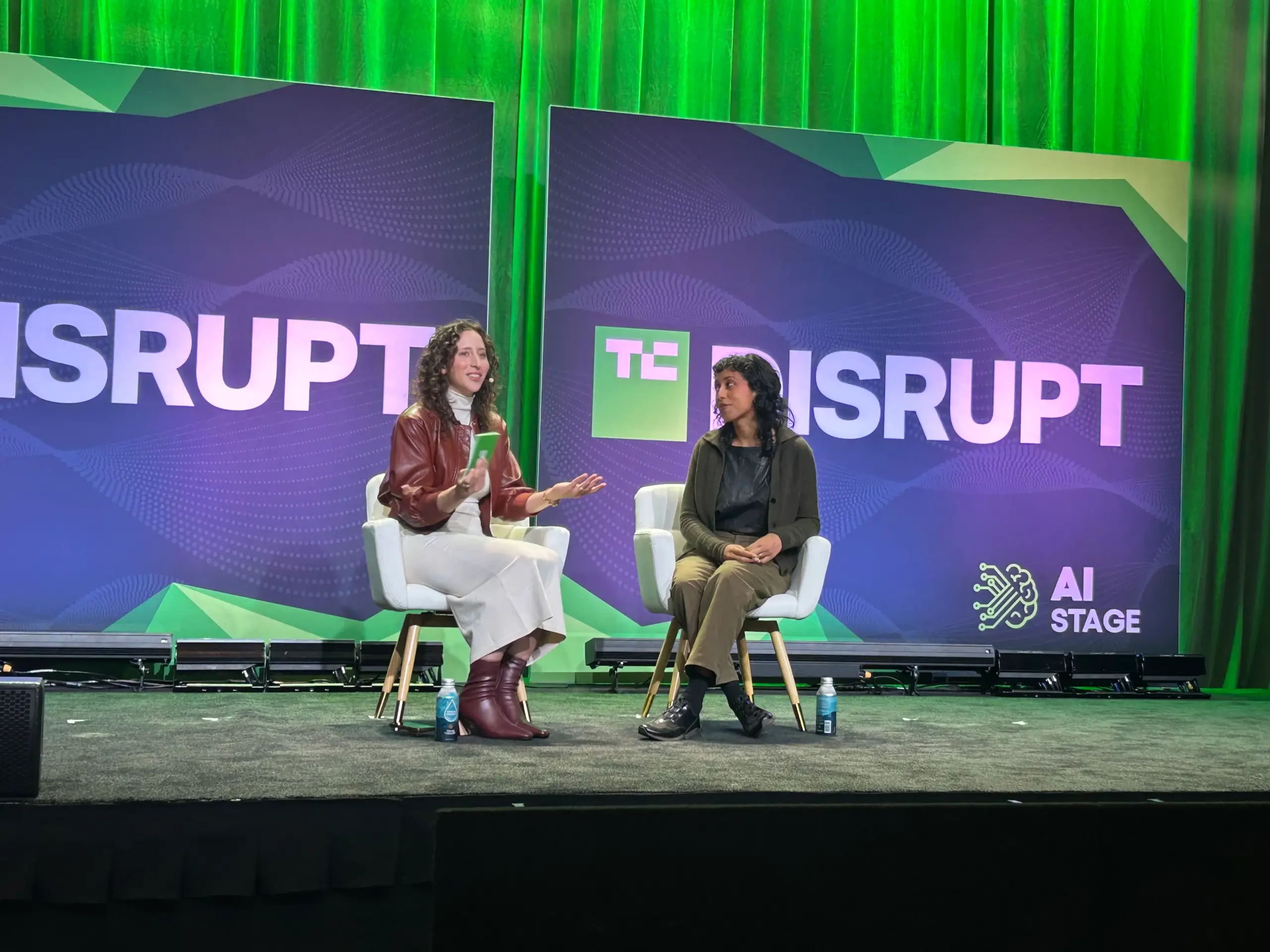
AI laboratories globally have meticulously built their reputations upon the bedrock of model benchmarking—a seemingly neutral and scientifically rigorous system of evaluations designed to objectively measure the comparative superiority of one artificial intelligence product over another. However, as the industry rapidly advances, a critical consensus is emerging: the methodologies underpinning these evaluations are far from mature, complex, and currently lack the scientific consistency required for true reliability. This concerning reality was underscored by Irene Solaiman, Hugging Face’s Chief Policy Officer, during a recent discussion at TechCrunch Disrupt, emphasizing the urgent need for a more unified and scientifically robust approach if the industry intends to depend on these metrics for future development and deployment decisions.
The fundamental question then arises: Can the current proliferation of AI performance tests genuinely be trusted? Solaiman articulated the weight of this term, explaining, “Trust is such a weighted term. In terms of whether we can trust results, one big part [of that] is can you reproduce the results of an evaluation? Do you have the level of access that you need to the model itself – this is where open weights come in in a big way.” Her remarks highlight a foundational crisis in AI research and development, echoing a long-standing debate within the scientific community about the importance of reproducibility.
The Reproducibility Crisis in AI Benchmarking
Reproducibility, the ability for an independent researcher to replicate the findings of a study using the same methods and data, is a cornerstone of the scientific method. In AI, however, achieving true reproducibility in model evaluations has consistently proven to be one of the most intractable challenges, frequently cited in academic papers and industry discussions as a significant impediment to progress. A recent arXiv paper, for instance, delves into the "stickier aspects of benchmarking," underscoring the ongoing and intense debate surrounding this issue.
The challenges to reproducibility in AI are multifaceted. Proprietary models, often developed with vast, undisclosed datasets and complex, non-deterministic training processes, frequently lack "open weights"—the publicly accessible parameters that define a model’s learned knowledge. Without access to these weights, or even the precise training data, hardware configurations, and software environments, replicating a reported benchmark result becomes a near impossibility. This opacity creates a "black box" scenario where claims of superior performance cannot be independently verified, fostering an environment ripe for skepticism and hindering collaborative research. The implications extend beyond academic integrity, directly impacting the trustworthiness of AI systems deployed in critical applications. If performance claims cannot be independently validated, how can stakeholders, from investors to end-users, have confidence in the capabilities and safety of these technologies?
The Challenge of Comparability and the Evolving Science
Beyond the internal validity and reproducibility of individual tests, an even broader systemic issue plagues the AI benchmarking landscape: the inability to meaningfully compare different evaluations against each other. Solaiman succinctly described the situation, stating, “They are an evolving science – where we don’t know how to meaningfully compare them to each other.” This lack of standardized comparison metrics and methodologies means that a model excelling on one benchmark might perform poorly on another, making it exceedingly difficult to draw overarching conclusions about its general capabilities or superiority.
The AI evaluation space is characterized by a rapid proliferation of benchmarks, each designed with specific objectives, datasets, and metrics. From general language understanding benchmarks like GLUE and SuperGLUE to more specialized evaluations like MMLU (Massive Multitask Language Understanding) and HELM (Holistic Evaluation of Language Models), the sheer volume and diversity can be overwhelming. While this diversity can be beneficial for probing specific aspects of AI performance, the absence of a meta-framework for comparison means that researchers and developers are often left with an apples-to-oranges dilemma. This fragmented ecosystem hinders progress, as it becomes challenging to identify truly generalizable advancements or to robustly track the evolution of AI capabilities across the industry. The benchmarks themselves, Solaiman noted, "start to get ineffective relatively quickly," requiring constant updates and new iterations, further complicating any long-term comparative analysis. The industry, she argues, lacks a "thriving ecosystem" of evaluators and a clear set of "qualifications that determine who is an effective evaluator across what tasks," leading to a significant void in standardization.
The Rise of "Embedded Evaluators" and Independence Concerns
In response to a rash of highly publicized AI safety incidents over the past several months, which have amplified concerns regarding the potential harms of advanced AI technology, a new paradigm for oversight has gained traction: the concept of "embedded evaluators." Rather than embracing proactive government regulation, AI labs have largely advocated for this third-party solution, wherein supposedly "neutral" external observers are integrated directly into AI organizations to identify and mitigate model safety concerns. This approach is positioned as a self-regulatory mechanism, intended to foster trust and demonstrate commitment to responsible development. Hugging Face, notably, was itself the target of one such high-profile incident, underscoring the urgency felt by many in the industry.
However, the efficacy and, more importantly, the neutrality of these embedded evaluators have been met with significant skepticism. The fundamental question revolves around whether an evaluator, embedded within the very organization whose technology they are assessing, can maintain true independence. The controversy surrounding Anthropic’s decision to appoint Accenture as its inaugural embedded evaluator serves as a prime example. The announcement was met with a considerable backlash, with some critics openly mocking the idea that a global consulting firm, traditionally focused on business and technology services, possessed the specialized qualifications and unbiased perspective necessary for such a critical task.
This skepticism stems from several factors. Critics argue that the financial ties between the AI lab and the embedded evaluator could create an inherent conflict of interest, potentially compromising the evaluator’s ability to deliver genuinely critical assessments. Furthermore, the selection process for these evaluators often lacks transparency, fueling concerns that firms might choose partners who are less likely to pose significant challenges. The broader implication is that if these embedded evaluators are perceived as anything less than fully independent and rigorously qualified, the entire self-regulatory framework risks becoming a performative exercise, ultimately failing to build the public trust it aims to achieve and potentially delaying or undermining genuine regulatory efforts.
Beyond the Model: Evaluating the Full AI System
The complexity of AI evaluation is further amplified by a fundamental shift in perspective: from merely testing the isolated AI model to assessing the entire operational system surrounding it. This comprehensive approach now includes evaluating the "harness" and the "agent" in addition to the core model. The "harness" refers to the specific tool or interface a user employs to interact with and access the model. Solaiman highlighted the critical impact of the harness on perceived performance, noting that “a weaker model with a better harness could easily outperform a frontier model.” This insight is profound, suggesting that much of what users perceive as "model performance" might actually be attributed to the quality of the interaction layer.
An "agent" represents an even more holistic construct, typically encompassing the model, its harness, and potentially other tools or external knowledge bases that allow it to act autonomously or semi-autonomously to achieve a goal. Evaluating these "agentic systems" is considerably more challenging and resource-intensive. As Solaiman explained, "Agentic evals are really hard and really expensive. We have just more evaluations for models. … We don’t have as many evaluations for harnesses, and we are developing better evaluations for the holistic agent – because that’s what a lot of folks are getting value out of.”
This shift necessitates a re-evaluation of current benchmarking strategies. Traditional model-centric benchmarks, while still valuable, may no longer provide a complete or accurate picture of how an AI system performs in real-world scenarios. The implications are substantial:
- Increased Complexity: The scope of evaluation expands dramatically, requiring new methodologies to assess interactions between components rather than just isolated performance.
- Higher Costs: Agentic evaluations demand more sophisticated setups, longer run times, and potentially human-in-the-loop assessments, significantly increasing their expense.
- New Expertise Required: Evaluators need a broader understanding of system design, user experience, and potential emergent behaviors in complex AI applications.
- Misleading Performance Metrics: Without proper evaluation of harnesses and agents, comparisons based solely on model benchmarks could lead to flawed conclusions about which systems are truly superior or safer for deployment.
The industry’s growing reliance on AI systems that are increasingly "agentic" means that a failure to adequately evaluate these complete systems could have profound consequences for safety, reliability, and user trust.
The Path Forward: Standardization and a Thriving Ecosystem
In essence, the current state of AI evaluation is characterized by a significant degree of disarray, often resembling a "free-for-all" as various labs and researchers develop their own, often incomparable, metrics and methodologies. If benchmarking is to retain its utility as a foundational tool for industry leaders, guiding research, investment, and deployment, a more uniform, industry-wide approach becomes not just desirable but imperative. This requires a collaborative effort where all stakeholders operate from a shared understanding and a standardized framework.
The vision articulated by Solaiman involves fostering a "thriving evaluator ecosystem" underpinned by clear qualifications and standardized practices. Such an ecosystem would necessitate:
- Interoperable Benchmarks: Developing benchmarks that are designed for comparability, allowing for more meaningful cross-model and cross-system assessments.
- Open Methodologies and Data: Encouraging greater transparency in evaluation methodologies, datasets, and even model weights where appropriate, to enhance reproducibility and foster trust.
- Standardized Metrics: Establishing widely accepted metrics for various aspects of AI performance and safety, moving beyond proprietary scores.
- Professionalization of Evaluation: Defining clear qualifications and ethical guidelines for AI evaluators, whether they are internal teams, third-party firms, or academic researchers. This could involve certifications, accreditation bodies, or collaborative industry consortia.
- Investment in Infrastructure: Allocating resources to develop shared evaluation platforms and tools that can facilitate standardized testing of models, harnesses, and holistic agents.
- Collaborative Initiatives: Promoting partnerships between industry, academia, and government bodies to collectively develop and refine evaluation standards and practices. Examples like the National Institute of Standards and Technology (NIST) in the U.S. could play a crucial role in facilitating such efforts.
The implications of successfully navigating this challenging landscape are immense. A robust, transparent, and reproducible evaluation framework would not only accelerate AI research and development by providing clearer signals of progress but also significantly bolster public trust. It would enable more informed decision-making by policymakers, empower developers to build safer and more reliable systems, and ultimately ensure that the transformative power of artificial intelligence is harnessed responsibly for the benefit of society. The current moment represents a critical juncture for AI benchmarking, where the industry must collectively commit to building a stronger, more scientific foundation for measuring intelligence itself.