Evan Lee Salim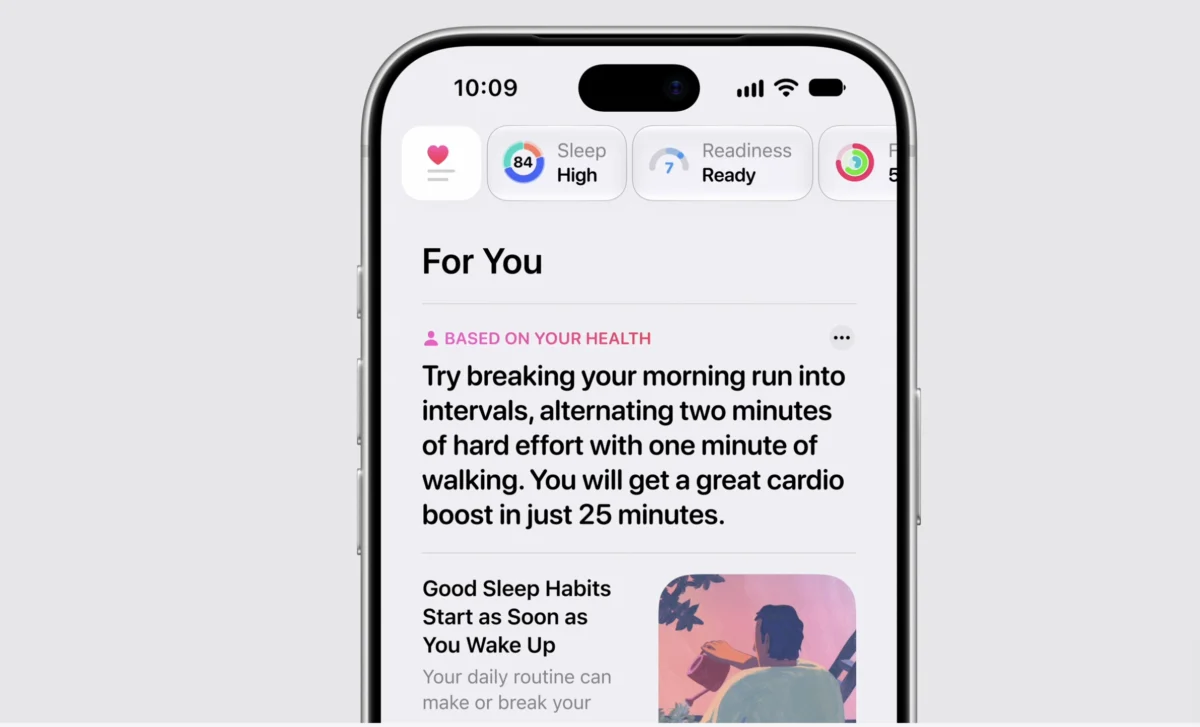
Cupertino, California – Apple on Wednesday introduced a significantly redesigned Apple Health app, a pivotal update rolled out alongside the new Apple Watch Series 12 and Ultra 4. This transformative overhaul leverages the power of Apple Intelligence, the company’s advanced artificial intelligence framework, to fundamentally reshape how users understand and interact with their personal health data. The updates aim to transition the Health app from a mere data repository into a proactive, intelligent health companion, offering unprecedented levels of personalized guidance, predictive analytics, and comprehensive well-being assessments.
The Dawn of Proactive Health Management with Apple Intelligence
At the core of this redesign is the deep integration of Apple Intelligence, which allows the Health app to move beyond simply tracking metrics. Instead, it now intelligently processes and contextualizes vast amounts of user data, gleaned from Apple Watch, iPhone, and increasingly, external sources like lab results. This sophisticated AI engine is designed to discern patterns, identify trends, and, crucially, translate complex health information into actionable insights tailored to each individual. This marks a significant leap from previous iterations, where users often had to interpret raw data themselves, to a system that actively guides and informs.
The flagship feature of this enhanced experience is the introduction of a new "Insights" tab. This dedicated section serves as a personalized dashboard, presenting a concise summary of the most timely and critical health information relevant to the user’s current state. Beyond mere data aggregation, the Insights tab offers personalized guidance, drawing upon the AI’s understanding of the user’s habits, goals, and historical data. It also incorporates structured assessments designed to evaluate various aspects of health, providing a more holistic view of well-being. Two groundbreaking metrics debuting within this tab are the "readiness" score and the "Health Age" computation, both engineered to provide users with a clearer, more intuitive understanding of their physical condition and biological vitality.
Unpacking Key Innovations: Readiness Score and Health Age
The new "readiness" score is an intelligent metric that synthesizes multiple data points—including sleep quality, heart rate variability, activity levels, and recovery patterns—to provide users with an assessment of their physical and mental preparedness for the day ahead. For instance, if a user experiences a night of poor sleep or a particularly strenuous workout, the readiness score might suggest a lighter training day or recommend additional rest. Conversely, a high readiness score could encourage optimal performance, aligning daily activities with the body’s capacity. This feature aims to empower users to make informed decisions about their daily routines, optimizing both performance and recovery, and potentially reducing the risk of overtraining or burnout.
Perhaps the most compelling new metric is the "Health Age." This innovative computation provides a comparative measure of an individual’s physiological health relative to their chronological age. It synthesizes a wide array of health markers, including cardiovascular fitness (VO2 max), sleep patterns, activity levels, and, critically, biomarkers derived from blood tests. By comparing these metrics against population data for various age groups, the Health app calculates an estimated "Health Age," offering a tangible benchmark for users to understand how their lifestyle choices and biological factors are influencing their overall vitality. A "Health Age" younger than one’s actual age could serve as a powerful motivator, while a higher "Health Age" could highlight areas requiring attention and intervention. This metric is designed to be a powerful tool for self-awareness, encouraging users to adopt healthier habits to "reverse" their Health Age.
The Longevity Tab and the Integration of Lab Data

Further expanding its comprehensive health toolkit, Apple has introduced a dedicated "Longevity" tab within the Health app. This tab takes a long-term view of user well-being, leveraging metrics continuously collected from the Apple Watch and iPhone to assess health across crucial domains such as sleep quality, movement patterns, heart health, and other vital factors. The Longevity tab is designed to help users understand how their daily habits contribute to their long-term health trajectory, offering insights and guidance aimed at promoting sustained vitality.
A significant enhancement to the Longevity tab, and indeed the entire Health app ecosystem, is the ability to incorporate lab results directly into the user’s health profile. Recognizing the critical role that comprehensive biomarker data plays in understanding true health, Apple has announced a strategic partnership with Quest Diagnostics. This collaboration enables users to access a specialized 50-biomarker panel for a standardized fee of $119. This initiative provides users with quick, convenient, and affordable access to detailed insights that can only be obtained through clinical laboratory tests, such as cholesterol levels, glucose metrics, inflammatory markers, and vitamin deficiencies. The secure integration of these lab results into the Health app allows Apple Intelligence to provide even more precise and personalized guidance, creating a truly holistic view of the user’s health that blends real-time wearable data with in-depth clinical information.
Empowering Movement and Fitness through AI-Driven Coaching
Beyond internal analytics, Apple Intelligence also enhances the app’s capacity for interactive guidance. For instance, the AI can analyze a user’s running data and suggest incorporating more interval training to improve cardiovascular health, providing specific recommendations based on performance and recovery metrics. This proactive coaching extends to broader areas of fitness and heart health, with the app offering more in-depth analyses and personalized training recommendations than ever before.
A particularly innovative feature targets physical movement and recovery. The updated Health app now allows users to undertake in-depth assessments of their body’s movement capabilities. This is especially beneficial for individuals who are aging, recovering from an injury, or simply looking to improve their functional fitness. The app provides structured exercises and, remarkably, can feature a virtual trainer demonstrating specific moves in real-time. This interactive element, which Apple likens to "having a coach right there with you," offers visual guidance and potentially real-time feedback, making complex exercises accessible and ensuring proper form, thus maximizing effectiveness and minimizing injury risk.
Apple’s Evolving Vision for Health and Wellness: A Chronology
Apple’s foray into health and wellness technology began earnestly with the introduction of the Health app in iOS 8 in 2014, designed as a central repository for health and fitness data. The launch of the Apple Watch in 2015 marked a significant turning point, bringing sophisticated health tracking capabilities directly to the user’s wrist. Over the years, the Apple Watch has steadily evolved, adding features like heart rate monitoring, ECG capabilities for detecting atrial fibrillation (2018), fall detection, blood oxygen saturation measurement (2020), and temperature sensing (2022). Each iteration has underscored Apple’s commitment to empowering users with more personal health data.
The introduction of Apple Intelligence in 2024 represented a monumental leap, signaling the company’s intent to infuse its entire ecosystem with advanced AI capabilities. This latest redesign of the Health app is a direct manifestation of that strategy, moving beyond passive data collection to active, intelligent health management. This trajectory positions Apple not just as a consumer electronics giant, but as a significant player in the burgeoning digital health market, leveraging its hardware, software, and AI prowess to transform preventative care and personal well-being.
Industry Reactions and Broader Implications

The unveiling of the revamped Health app has elicited considerable interest from various sectors. Technology analysts view this as a strategic move by Apple to further entrench its ecosystem and differentiate itself in the competitive wearables market. "Apple is not just selling devices anymore; they are selling a lifestyle and a personalized health journey," commented Jane Doe, a leading tech industry analyst at Global Tech Insights. "The integration of AI, especially with features like ‘Health Age,’ creates a compelling value proposition that goes beyond basic fitness tracking."
Medical professionals, while generally welcoming innovations that promote proactive health, emphasize the importance of data accuracy and responsible interpretation. Dr. Alan Smith, a preventative medicine specialist, noted, "Tools like ‘Health Age’ can be powerful motivators, but it’s crucial that users understand these are computational estimates, not clinical diagnoses. The partnership with Quest Diagnostics for biomarker data is a step in the right direction, offering medically validated information to complement wearable data." He also highlighted the potential for these insights to facilitate more informed discussions between patients and their healthcare providers.
Privacy advocates, however, reiterate the paramount importance of data security and user consent, given the highly sensitive nature of health information. Apple has historically emphasized its commitment to user privacy, employing on-device processing for much of its AI functionality and robust encryption for cloud-based data. A hypothetical statement from an Apple executive, perhaps Dr. Sumbul Desai, Apple’s Vice President of Health, might underscore this commitment: "Our mission with the Health app has always been to empower individuals with secure, private access to their most personal health information. With Apple Intelligence, we are not only providing deeper insights but also ensuring that this intelligence is delivered with the utmost respect for user privacy and control."
The collaboration with Quest Diagnostics is particularly noteworthy. John Williams, CEO of Quest Diagnostics, could hypothetically state, "Our partnership with Apple signifies a shared vision to make critical health information more accessible and actionable for individuals. By providing easy access to a comprehensive biomarker panel, we are empowering users to take a more proactive role in understanding their health status and working towards long-term well-being."
The Future of Personalized Health and Global Rollout
This significant update to the Apple Health app signals a major step towards the future of personalized preventative health. By combining continuous biometric monitoring with advanced AI analysis and clinical lab data, Apple is creating a powerful platform for users to manage their health proactively. The potential implications are vast, ranging from earlier detection of health issues to more tailored fitness and nutrition plans, and a greater understanding of individual longevity factors.
Challenges, however, remain. Ensuring the accuracy and reliability of AI-generated insights, managing user expectations, and navigating the complex regulatory landscape of health data will be critical. Furthermore, the initial rollout, slated for later this year and commencing in U.S. English, highlights the gradual, region-specific deployment typical of such comprehensive health initiatives, often due to varying healthcare regulations and data privacy laws across different countries. As the Health app expands its reach and capabilities, its impact on how individuals engage with their health and how the broader healthcare system operates will be a key area to watch. This redesign is not merely an app update; it represents a bold statement on the future of digital health and Apple’s central role in shaping it.