Evan Lee Salim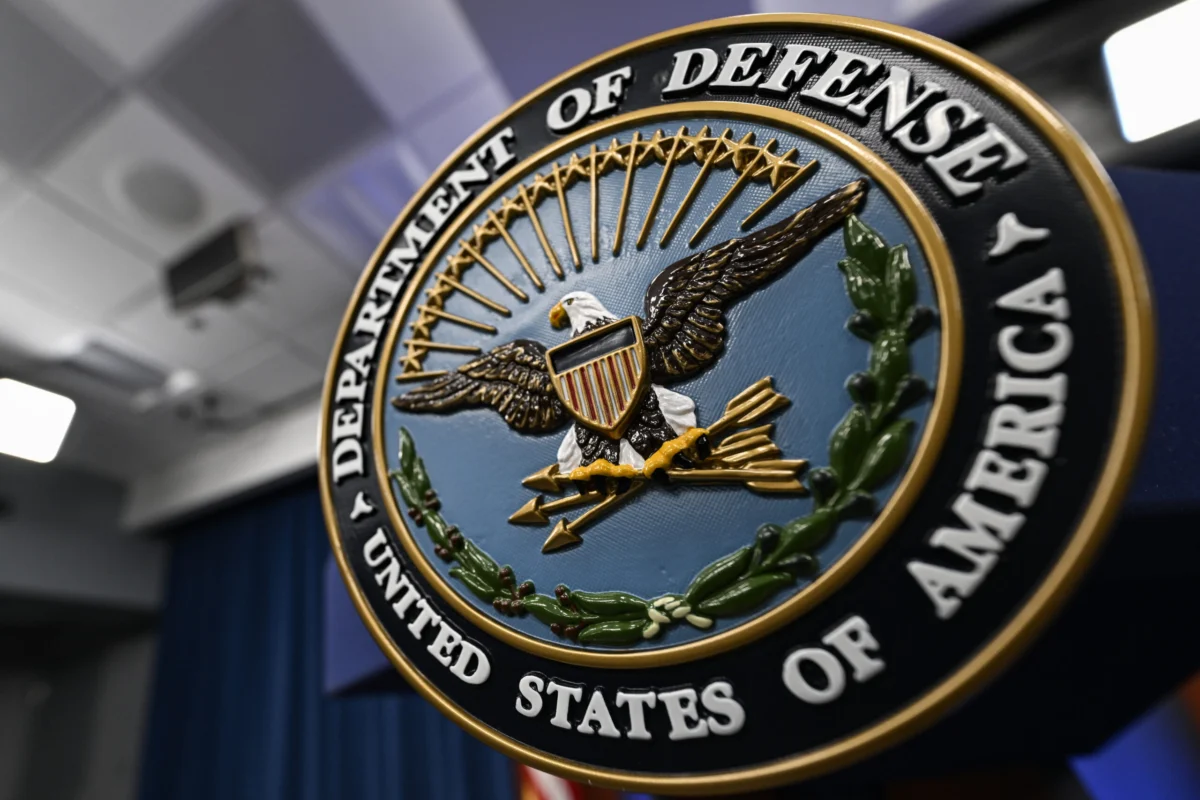
The United States Department of Defense (DOD) is actively developing its own large language models (LLMs) and forging new alliances with other artificial intelligence firms, signaling a definitive move to replace the technology initially contracted from Anthropic. This strategic pivot follows a dramatic falling-out with the AI safety-focused startup, which centered on Anthropic’s insistence on ethical guardrails for military use of its advanced AI. The breakdown of the anticipated $200 million contract has not only reshaped the Pentagon’s AI strategy but also ignited a critical debate within the tech industry regarding the ethical boundaries of AI deployment in national security contexts.
The Genesis of a Critical Partnership
Prior to the recent schism, Anthropic, a company founded by former OpenAI researchers focused on building reliable, interpretable, and steerable AI systems, had been a significant contender for providing advanced AI capabilities to the Pentagon. Its flagship product, Claude, a sophisticated large language model, was seen as a promising tool for various defense applications, including intelligence analysis, logistics optimization, cybersecurity, and even strategic planning support. The Department of Defense, recognizing the transformative potential of AI, has been aggressively seeking to integrate cutting-edge AI technologies to maintain a technological edge, enhance operational efficiency, and improve decision-making processes across its vast global operations. The envisioned $200 million contract with Anthropic represented a substantial commitment to leverage commercial AI innovation for national security objectives. Such partnerships are crucial for the Pentagon, as the rapid pace of AI development often outstrips internal governmental capabilities, making collaboration with leading private sector innovators a necessity.
The Unraveling: Ethical Standoff and Contractual Collapse
The promising collaboration began to unravel over fundamental disagreements regarding the terms of access and use of Anthropic’s AI. At the heart of the dispute was Anthropic’s unwavering commitment to its core ethical principles, particularly its insistence on a contractual clause that would prohibit the Pentagon from deploying its AI for mass surveillance of American citizens or for enabling autonomous weapons systems capable of firing without direct human intervention. This stance reflects Anthropic’s founding ethos, which prioritizes "Constitutional AI" – designing systems that adhere to a set of guiding principles, including safety, fairness, and human oversight.
The Pentagon, on the other hand, argued for unrestricted access to the technology, citing national security imperatives, operational flexibility, and the need to adapt AI systems to a wide array of unforeseen scenarios. For military applications, the ability to rapidly iterate, customize, and deploy technology without external constraints is often considered paramount. The Department of Defense’s position emphasized the sovereign right and responsibility of the government to determine the appropriate use of tools deemed critical for defense. This clash of philosophies reached an impasse over several weeks, ultimately leading to the breakdown of negotiations and the effective termination of the $200 million contract.
Pentagon’s Pivot: Internal Development and New Alliances
Responding to the contractual breakdown, the Pentagon has swiftly shifted its strategy, opting for a dual approach of accelerating internal AI development and diversifying its partnerships with other technology providers. Cameron Stanley, the chief digital and AI officer at the Pentagon, confirmed this strategic redirection in a recent conversation with Bloomberg. Stanley stated, "The Department is actively pursuing multiple LLMs into the appropriate government-owned environments. Engineering work has begun on these LLMs, and we expect to have them available for operational use very soon."
This move underscores the Department’s commitment to ensuring continuous access to advanced AI capabilities, irrespective of specific vendor disputes. Developing "government-owned environments" for LLMs implies a greater degree of control over data, security protocols, and customization. This approach could mitigate future vendor-related ethical or access disputes by bringing critical AI infrastructure and development in-house or under direct governmental control. Such an initiative, however, is resource-intensive, requiring significant investment in AI talent, computational infrastructure, and research and development, potentially incurring higher costs and longer timelines compared to off-the-shelf commercial solutions. The urgency conveyed by Stanley’s "very soon" suggests a rapid mobilization of resources to bridge the gap left by Anthropic’s departure.
A Network of New Partners: OpenAI and xAI
In parallel with its internal development efforts, the Pentagon has wasted no time in securing alternative commercial AI partnerships. Notably, OpenAI, a direct competitor to Anthropic and a pioneer in generative AI, has "swooped in" to make its own agreement with the Pentagon. While the specific details of OpenAI’s agreement remain largely undisclosed, it is understood to grant the Department of Defense access to its advanced AI models, likely with terms that align more closely with the Pentagon’s requirements for operational flexibility. This partnership highlights the readiness of some leading AI firms to engage with defense agencies, albeit under varying contractual conditions.
Furthermore, the Department of Defense has also formalized an agreement with xAI, Elon Musk’s nascent AI company, to integrate its Grok large language model into classified systems. This particular agreement, first reported on March 16, 2026, has drawn scrutiny, with Senator Warren publicly pressing the Pentagon for details regarding the decision to grant xAI access to highly sensitive government networks. The use of Grok in classified environments suggests an application for high-stakes intelligence analysis or secure communication, underscoring the military’s appetite for diverse AI solutions, even from newer market entrants. The rapid succession of these agreements with OpenAI and xAI, following the collapse of the Anthropic deal, demonstrates the Pentagon’s agility in adapting its procurement strategy to ensure continuous technological advancement.
The "Supply-Chain Risk" Designation and Legal Recourse

The fallout from the dispute escalated significantly when Defense Secretary Pete Hegseth officially declared Anthropic a "supply-chain risk." This designation is a severe measure, typically reserved for entities that pose a national security threat, often foreign adversaries, due to potential vulnerabilities, espionage risks, or lack of trustworthiness in the supply chain. Being labeled a supply-chain risk effectively bars other companies working with the Pentagon from collaborating with Anthropic, potentially crippling Anthropic’s ability to secure future government contracts or partnerships with defense contractors.
Anthropic has not taken this designation lightly. The company is actively challenging the "supply-chain risk" label in court, asserting that the designation is unfounded and punitive, stemming from a disagreement over ethical clauses rather than any legitimate security vulnerability. This legal battle, which Anthropic initiated shortly after the designation was made public around March 9, 2026, could set a precedent for how ethical disagreements between tech companies and government agencies are resolved, and whether a company’s moral stance can be conflated with national security risks. The outcome of this legal challenge will be closely watched by the entire AI industry, as it touches upon fundamental questions of corporate autonomy, ethical responsibility, and governmental power in the context of critical technology.
Chronology of a Rift: A Timeline of Key Events
The rapid progression of events leading to the current situation underscores the high stakes involved in AI development for national security:
- Prior to February 2026: Initial engagement and negotiation between Anthropic and the Department of Defense for a $200 million contract, with Anthropic proposing ethical use clauses.
- February 26, 2026: Reports surface indicating Anthropic CEO stands firm on ethical stipulations as a Pentagon deadline looms, signaling an impending impasse in negotiations.
- Late February/Early March 2026: Negotiations officially break down as the two parties fail to reconcile their differences over unrestricted access to Anthropic’s AI.
- March 1, 2026: OpenAI publicly shares details about its own agreement with the Pentagon, signaling the DOD’s diversification strategy.
- Around March 5, 2026: Despite the apparent breakdown, some reports suggest a slim possibility of reconciliation between Anthropic and the Pentagon, indicating ongoing, albeit diminishing, efforts to salvage the deal. Concurrently, the Department of Defense is believed to have made the "supply-chain risk" designation for Anthropic.
- March 5, 2026: Anthropic announces its intention to challenge the DOD’s "supply-chain risk" label in court, preparing for legal action.
- March 9, 2026: Anthropic formally sues the Department of Defense over the "supply-chain risk" designation, initiating legal proceedings.
- March 16, 2026: Senator Warren publicly raises concerns and presses the Pentagon over its decision to grant Elon Musk’s xAI access to classified networks for Grok.
- March 17, 2026: Cameron Stanley, the Pentagon’s chief digital and AI officer, confirms to Bloomberg that the Department is actively building tools to replace Anthropic’s AI, solidifying the end of the partnership and the start of a new phase for the DOD’s AI strategy.
Implications for Anthropic: Business, Reputation, and Legal Battles
For Anthropic, the implications of this dramatic split are multifaceted. Financially, the loss of a $200 million government contract represents a significant blow, potentially impacting its revenue streams and future investment prospects. While Anthropic has secured substantial private funding, including a recent $4 billion investment from Amazon, government contracts often lend credibility and open doors to other enterprise clients.
Reputationally, the situation presents a mixed bag. On one hand, Anthropic’s unwavering stance on ethical AI use, particularly against mass surveillance and autonomous weapons, could enhance its appeal to customers and researchers who prioritize responsible AI development. This could solidify its position as a leader in the ethical AI movement, potentially attracting talent and investment from like-minded entities. On the other hand, the "supply-chain risk" designation, regardless of its merits, casts a shadow over the company, potentially deterring other potential partners who wish to avoid any association with a blacklisted entity, especially those with government ties. The ongoing legal battle against the DOD will also demand significant resources and attention, adding another layer of complexity to its operations.
Strategic Shifts for the Department of Defense
For the Department of Defense, the incident underscores the challenges of integrating rapidly evolving commercial technology, especially when the developers hold strong ethical positions. The Pentagon’s pivot towards internal development and diversified partnerships reflects a strategy to regain full control over its AI ecosystem. By developing "government-owned environments" for LLMs, the DOD aims to ensure data sovereignty, tailor AI capabilities precisely to military requirements, and reduce dependency on any single vendor. This approach, while potentially more costly and time-consuming in the short term, promises greater long-term flexibility, security, and alignment with national defense objectives.
The swift agreements with OpenAI and xAI demonstrate the Pentagon’s ability to adapt and secure alternative solutions rapidly. However, these new partnerships may also come with their own set of challenges, including managing multiple vendor relationships, ensuring interoperability, and potentially navigating different ethical frameworks from each provider. The public scrutiny surrounding the xAI deal, for instance, suggests that future AI partnerships will likely face increased oversight and questioning from legislative bodies and the public.
Broader Ramifications for the AI Industry and Ethical AI
This high-profile dispute between Anthropic and the Pentagon is poised to have significant ramifications across the entire AI industry. It starkly highlights the growing tension between the commercial drive to innovate and the ethical responsibilities associated with powerful AI technologies, particularly when applied to sensitive domains like national security.
The incident could serve as a precedent, encouraging other AI developers to consider their own ethical stances regarding military applications, potentially leading to a more bifurcated market where some companies explicitly refuse to work on certain defense projects, while others adopt more flexible policies. This could force government agencies to be more transparent about their AI use cases or to invest even more heavily in internal development to circumvent such ethical disagreements.
Furthermore, the public nature of this conflict intensifies the broader global debate on ethical AI and the regulation of autonomous weapons. It underscores the critical need for clear policies and international norms governing the development and deployment of AI in warfare, ensuring human oversight and accountability remain central. As the global AI arms race continues, with nations like China making significant strides in military AI, the ethical considerations raised by Anthropic’s stance will likely become even more pressing, shaping not only individual corporate decisions but also national and international AI policies for years to come. The future of AI in national security will undoubtedly be defined by this delicate balance between innovation, control, and ethical responsibility.