Galang Taruna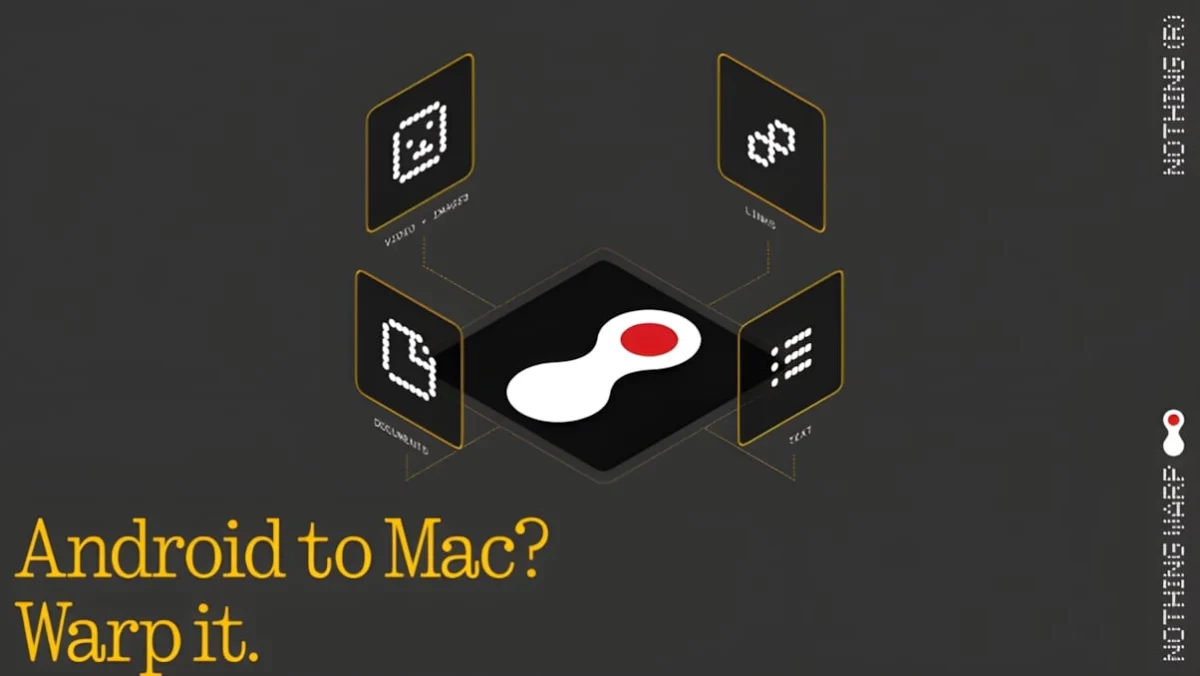
On April 15, 2026, Nothing, the London-based consumer technology company renowned for its distinctive design philosophy and community-centric approach, unveiled "Warp," a novel software tool designed to bridge the persistent gap in file sharing between Android smartphones and computers running macOS, Windows, or Linux. Hailed as a simple yet elegant answer to a widespread user frustration, the announcement was met with considerable interest across the tech community. However, in a perplexing turn of events, the company abruptly removed all traces of Warp mere hours after its grand reveal, sparking a wave of confusion and speculation among users and industry observers alike. This sudden withdrawal of a highly anticipated product represents a significant anomaly in the typical product launch cycle, raising questions about its underlying causes and potential implications for Nothing’s strategic direction.
The Genesis of Warp: Addressing a Universal Tech Challenge
The concept behind Warp was born from a ubiquitous problem experienced by virtually every multi-device user: the cumbersome process of sharing screenshots, text snippets, links, and various files across disparate operating systems. While solutions for same-ecosystem transfers (like Apple’s AirDrop or Google’s Quick Share) exist and excel, true cross-platform fluidity remains elusive. Nothing positioned Warp as a nascent "community project," signaling its intent to foster collaborative development based on user feedback. This approach aligns with Nothing’s established brand identity, which often emphasizes community engagement and iterative product refinement.
Warp was designed to be lightweight and accessible, comprising two primary components: a browser extension compatible with Chromium-based browsers (such as Google Chrome, Microsoft Edge, and Brave), available through the Chrome Web Store, and a dedicated Android application seamlessly integrated into the Android share menu. The core mechanism relied on a common Google account login to establish secure, bidirectional data flows. From an Android phone to a computer, users could simply tap "Share" on any file, video, or text, and it would be instantaneously transmitted. Conversely, PC users were presented with three intuitive options: an "Upload" button within the browser extension, a context-menu option ("Send with Nothing Warp") upon right-clicking selected content, or direct pasting from the clipboard.
Crucially, Nothing emphasized a commitment to user privacy and data security. The company stated that all data transfers would leverage Google Drive services, without any proprietary storage on Nothing’s end. Furthermore, files were purportedly deleted automatically from Google Drive post-transfer, ensuring minimal data retention and enhancing user confidence in the system’s privacy safeguards. The broad compatibility was another key selling point; Warp was designed to work with any recent Android device, not exclusively Nothing Phone models, thereby targeting a vast global audience of Android users.
A Market Ripe for Disruption: The Landscape of Cross-Device Sharing
The market for seamless cross-device file sharing is fragmented and replete with compromises. Apple’s AirDrop, while exceptionally efficient within its ecosystem, remains an exclusive feature, locking out non-Apple devices. Google’s Quick Share (formerly Nearby Share), a more recent entrant, offers a robust solution for Android and Chrome OS devices, with limited and often clunky integration with Windows via Google’s own tools. Samsung’s Quick Share, an evolution of its previous file-sharing capabilities, similarly provides a smooth experience primarily for Galaxy devices. Microsoft’s "Mobile Connecté" (formerly "Phone Link") offers deep integration between Android phones and Windows PCs, enabling features like mirroring notifications, calls, and some file transfers, but it often requires a dedicated app and can be resource-intensive.
Before these more recent solutions, users typically resorted to a patchwork of methods: emailing files to themselves, uploading to generic cloud storage services (like Google Drive, Dropbox, or OneDrive) and then downloading on another device, using instant messaging apps like Telegram or WhatsApp, or the perennial but often inconvenient method of physical cable connections. Bluetooth, while universal, is notoriously slow for larger files and often unreliable.
Warp aimed to carve out a unique niche by offering a platform-agnostic, lightweight solution that avoided the need for heavy native desktop applications and transcended the limitations of Bluetooth or the inconvenience of cables. While its reliance on Google Drive meant it wasn’t as instantaneously "peer-to-peer" as AirDrop, it promised a significantly streamlined multi-platform routine, alleviating the burden on overloaded messaging apps and email inboxes. The proposition was compelling: a simple, secure, and universal tool from a brand known for user-centric design.
The Abrupt Retreat: A Detailed Chronology of Events
The excitement surrounding Warp’s launch was short-lived. The initial announcement, disseminated through Nothing’s official channels and its community blog (nothing.community) around 7:00 AM ET (1:00 PM CEST) on April 15, 2026, was swiftly followed by a systematic dismantling of all associated assets. Within a matter of hours, Warp began to vanish.
- Mid-morning (ET): Reports began to surface on platforms like Reddit and various tech forums. Users attempting to access the announced download links for the Android application or the Chrome extension found themselves met with error messages or blank pages.
- Approximately 1:00 PM ET (7:00 PM CEST): The official blog post on nothing.community detailing Warp’s features and availability was completely removed. Attempts to access the URL resulted in a "page not found" error.
- Simultaneously: The Google Play Store listing for the Warp Android application (identified as beta version 0.9.10) became inaccessible for new downloads. Existing users who had managed to install it reported that the app might still function, but its public availability was terminated.
- Shortly thereafter: The Warp extension was purged from the Chrome Web Store, preventing any further installations.
This rapid and comprehensive removal left users who had either seen the announcement or attempted to download the tool in a state of bewilderment. Media outlets, including this publication, which had received official communications from Nothing regarding Warp, found their embedded links to the product non-functional. The speed and thoroughness of the withdrawal were highly unusual for a company of Nothing’s stature, particularly for a product that had been officially announced.
Silence from Nothing: Seeking Answers Amidst Speculation
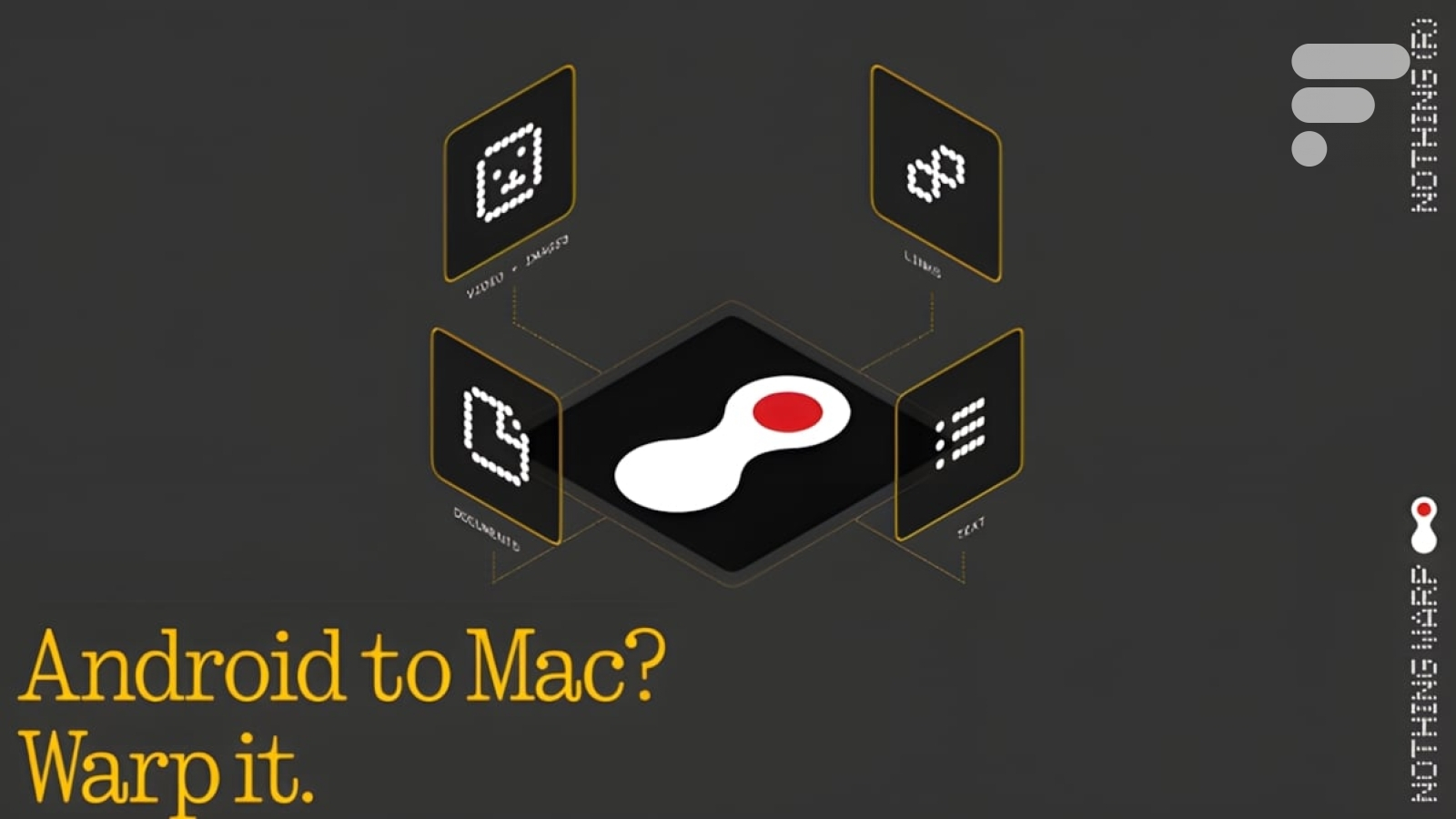
As of the time of this report’s writing, Nothing has maintained official silence regarding the reasons behind Warp’s sudden disappearance. Inquiries directed to the company’s press relations department have not yet yielded a substantive explanation. This lack of immediate communication has fueled a flurry of speculation across tech communities and analyst circles.
Several plausible scenarios have emerged to explain the unprecedented retreat, though none have been officially confirmed:
- Undiscovered Technical Glitches: Despite internal testing, it is conceivable that a critical technical flaw or bug was discovered shortly after the public launch. Such a flaw could range from severe performance issues to security vulnerabilities, necessitating an immediate withdrawal to prevent negative user experiences or potential data breaches. While development teams typically conduct rigorous pre-launch testing, real-world deployment on a diverse range of devices and network conditions can sometimes expose unforeseen problems.
- Google Drive API/Permissions Issues: Given Warp’s reliance on Google Drive for data transit, it is possible that there were unforeseen complications with Google’s API usage policies, rate limits, or specific privacy permissions. A misunderstanding or misconfiguration in how Warp interacted with Google Drive could have led to functionality breakdowns or even compliance concerns, triggering a rapid shutdown.
- Unforeseen Scalability Challenges: A sudden surge in user interest and downloads might have overwhelmed Warp’s backend infrastructure, leading to performance degradation. While Nothing likely anticipated a degree of uptake, the scale of global interest might have surpassed initial projections, revealing scalability limitations that required a temporary halt for re-engineering.
- Strategic Reassessment: In a more dramatic turn, the withdrawal could signal a rapid strategic reassessment. This might involve internal conflicts regarding the product’s direction, competitive pressures, or even legal considerations (e.g., patent disputes, intellectual property concerns). A last-minute executive decision to pivot or re-evaluate the product’s market fit could lead to such a drastic measure.
- Brand Reputation Management: Nothing, as a relatively young but ambitious brand, places a strong emphasis on user experience and product quality. If Warp, despite its promise, failed to meet internal quality benchmarks or presented a less-than-stellar experience in early public testing, the company might have opted for a swift, albeit embarrassing, withdrawal rather than risk tarnishing its brand image with a flawed product.
Industry analysts suggest that the "community project" designation might offer a slight buffer for Nothing. If Warp was truly an early-stage, experimental initiative, a public beta and subsequent withdrawal, while disruptive, could be framed as part of an iterative development process, allowing the company to learn and adapt without the full weight of a formal product launch failure.
The Broader Context: The Enduring Quest for Cross-Platform Harmony
The Warp incident underscores the persistent complexity and inherent challenges in creating truly seamless cross-platform experiences. While users increasingly operate within multi-device ecosystems – owning an Android phone, a Windows laptop, an iPad, and perhaps even a Linux-based server – the software bridges between these devices often remain fragile or proprietary.
The "walled garden" approach, exemplified by Apple’s tightly integrated ecosystem, offers superior user experience within its boundaries but at the cost of interoperability. Companies like Google, Microsoft, and Samsung are continually investing in solutions to expand their respective ecosystems’ reach, but universal, friction-less sharing remains an aspirational goal. The technical hurdles are manifold: varying operating system architectures, differing security protocols, diverse network configurations, and the sheer volume of data formats.
Nothing’s attempt with Warp, particularly its focus on simplicity and its broad compatibility beyond its own hardware, positioned it as a potentially significant player in this space. Its use of existing cloud infrastructure (Google Drive) as a secure conduit was an ingenious way to sidestep the need for proprietary server infrastructure and leverage established security measures. The ambition was clear: to offer an elegant, minimalist solution that reflected Nothing’s design ethos while solving a genuinely frustrating user problem.
Implications for Nothing and the Tech Landscape
The sudden withdrawal of Warp carries several implications for Nothing and the wider tech industry:
- Brand Perception: While Nothing’s brand is still relatively new, built on a foundation of transparency and community, this incident could slightly dent its reputation. The swift removal of an announced product, especially without immediate explanation, can lead to perceptions of disorganization or a lack of readiness. However, if Nothing provides a transparent and compelling explanation, and perhaps reintroduces an improved version of Warp in the future, it could mitigate long-term damage.
- User Trust: For users who were excited by Warp’s promise, the experience of a product appearing and disappearing so quickly can erode trust. Future product announcements from Nothing might be met with a degree of skepticism until the company demonstrates consistent and reliable product delivery.
- Competitive Landscape: The incident highlights the difficulty of competing in the cross-platform sharing arena, even for innovative companies. It reinforces the market dominance of established players and the complexity of building robust, universal solutions.
- Lessons Learned: For Nothing, this event will undoubtedly serve as a critical learning experience. It may lead to a re-evaluation of its product launch protocols, internal testing methodologies, and external communication strategies, particularly for "community projects" or beta initiatives.
Community Reaction and Future Outlook
The immediate reaction from the online community has been a mix of disappointment, curiosity, and empathy. Many users on Reddit and other forums expressed frustration at the disappearance of a tool that seemed to address a genuine need, while others speculated on the reasons, often giving Nothing the benefit of the doubt, assuming a critical technical issue. The community’s response underscores the strong engagement Nothing has cultivated, but also the high expectations placed upon the brand.
Looking ahead, the fate of Warp remains uncertain. Will Nothing re-launch it after addressing the underlying issues? Will it be shelved indefinitely? Or will elements of its technology be integrated into other Nothing products or services? The company’s next official communication will be crucial in shaping the narrative and reaffirming its commitment to innovation and user experience. Regardless of Warp’s ultimate destiny, its brief, enigmatic appearance and swift disappearance serve as a compelling reminder of the intricate challenges and dynamic nature of product development in the fast-paced world of consumer technology. The quest for seamless digital connectivity across devices continues, and every attempt, successful or not, contributes to the evolving landscape of how we interact with our technology.