Garick Elordi
The Nintendo Game Boy Advance (GBA), a cornerstone of portable entertainment, has officially reached its 25th anniversary, marking two and a half decades since it redefined the handheld market with 16-bit color and advanced processing power. Launched in Japan on March 21, 2001, and subsequently released in North America and Europe in June of the same year, the GBA served as the successor to the Game Boy Color, effectively bridging the gap between the 8-bit era and the modern handheld landscape. With over 81.5 million units sold globally during its lifecycle, the system remains a pivotal chapter in Nintendo’s history, boasting a library that transformed established franchises and birthed new intellectual properties that remain relevant today.
Technical Evolution and Market Impact
The Game Boy Advance represented a significant leap in hardware capabilities compared to its predecessors. Featuring a 32-bit RISC processor, the handheld was capable of rendering complex 2D sprite work and pseudo-3D environments that rivaled the Super Nintendo Entertainment System (SNES). This technical prowess allowed for a "golden age" of 2D gaming at a time when home consoles, such as the PlayStation 2 and GameCube, were shifting almost exclusively toward 3D graphics.
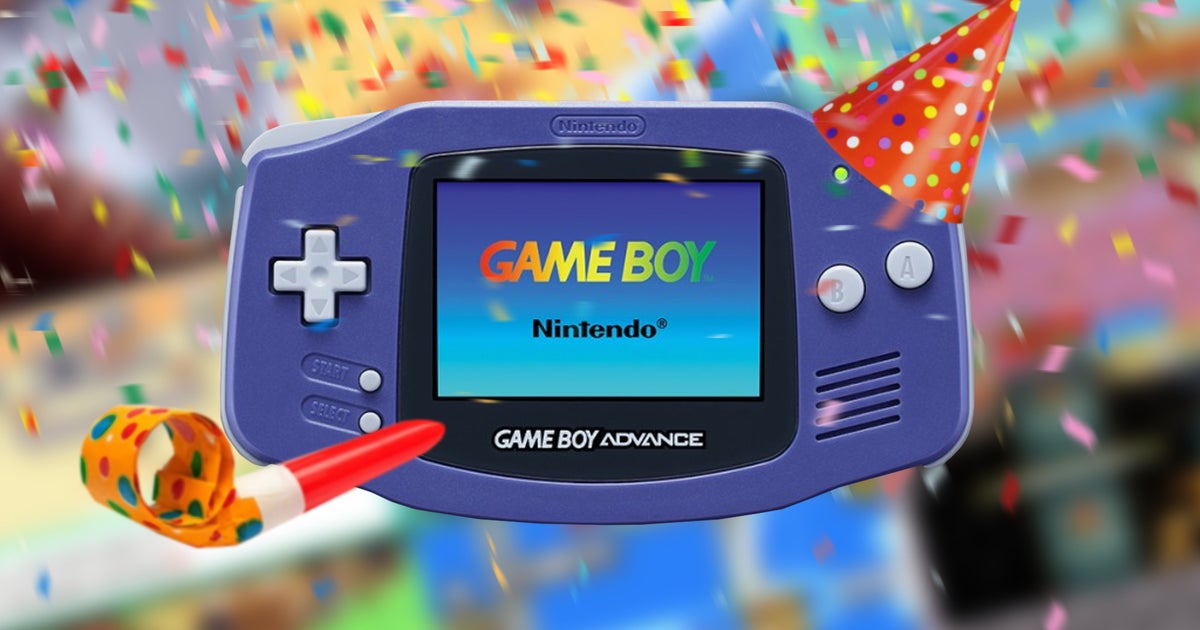
The GBA’s influence extended beyond its internal components. Its horizontal form factor was a departure from the vertical "portrait" orientation of the original Game Boy, offering better ergonomics for wider screens. However, the initial model’s lack of an internal light source became a point of contention among consumers, leading to the 2003 release of the Game Boy Advance SP. The SP model introduced a front-lit (and later back-lit) folding clamshell design and a rechargeable lithium-ion battery, setting the standard for portable hardware design for the next decade.
The Preservation of the GBA Library via Nintendo Switch Online
In recent years, Nintendo has utilized its Switch Online + Expansion Pack service to preserve the GBA’s legacy, making several of its most critically acclaimed titles available to a new generation of players. This digital curation serves as a vital tool for video game preservation, as original hardware and physical cartridges become increasingly rare and expensive on the secondary market.

The Legend of Zelda: Innovation Through Collaboration
The GBA was home to several transformative entries in The Legend of Zelda series. The Legend of Zelda: Four Swords, originally bundled with a port of A Link to the Past, introduced a multiplayer-centric approach to the franchise. By requiring players to cooperate to solve puzzles and navigate dungeons, it expanded the scope of what a handheld adventure could achieve.
Furthermore, The Legend of Zelda: Minish Cap, developed in collaboration with Capcom’s Flagship studio, is frequently cited as one of the most visually impressive titles on the system. Utilizing an art style inspired by The Wind Waker, the game introduced a shrinking mechanic that allowed players to explore the world from a microscopic perspective. This dual-layered world design showcased the GBA’s ability to handle intricate environmental puzzles and vibrant, high-fidelity pixel art.

The Metroidvania Renaissance: Castlevania: Circle of the Moon
At launch, Castlevania: Circle of the Moon demonstrated the potential of the GBA to deliver atmospheric, "console-quality" experiences. Developed by Konami, the title followed the "Metroidvania" blueprint established by Symphony of the Night. Despite early criticisms regarding the game’s dark color palette—which was difficult to see on the original non-backlit GBA screen—it remains a landmark title for its deep RPG systems and challenging gameplay. Its success paved the way for two subsequent GBA entries, Harmony of Dissonance and Aria of Sorrow, solidifying the handheld as the premier platform for the genre.
Platforming and RPG Diversification
While the GBA saw numerous ports of SNES classics under the Super Mario Advance banner, it also allowed for experimental titles like Wario Land 4. This game departed from traditional Mario mechanics, focusing on puzzle-platforming and a unique "escape" mechanic that added a layer of tension to every level.

In the RPG sector, the GBA saw the birth of the Mario & Luigi series with Superstar Saga. Developed by AlphaDream, the game introduced a rhythmic, turn-based combat system and a comedic narrative that humanized the iconic brothers. Similarly, Camelot Software Planning’s Golden Sun series brought high-production-value RPGs to the handheld, featuring a complex "Djinn" system and environmental puzzles that utilized the player’s magical abilities outside of combat.
Chronology of the Game Boy Advance Lifecycle
To understand the GBA’s impact, one must look at the timeline of its hardware iterations and key software milestones:

- March 2001: Launch of the original Game Boy Advance in Japan.
- June 2001: Western launch; Castlevania: Circle of the Moon and F-Zero: Maximum Velocity headline the launch lineup.
- February 2003: Release of the GBA SP, addressing the demand for a backlit screen and portability.
- November 2004: Launch of the Nintendo DS, which featured a GBA cartridge slot, ensuring backward compatibility and a smooth transition to the next generation.
- September 2005: Release of the Game Boy Micro, a miniaturized version of the GBA aimed at collectors and fashion-conscious consumers.
- 2010: Official discontinuation of the GBA line, as the Nintendo DS family took full control of the handheld market.
The "Lost Classics": Challenges in Porting Hardware-Specific Features
While many GBA titles have found a home on the Switch, several iconic games remain elusive due to their reliance on unique hardware peripherals. This creates a significant hurdle for digital emulation and modern rereleases.
Motion Control and Haptic Feedback
WarioWare Twisted! and Drill Dozer are prime examples of games that utilized specialized cartridges. WarioWare Twisted! featured a built-in piezoelectric gyroscope, allowing for motion-based gameplay that was revolutionary in 2004. Similarly, Drill Dozer, developed by Game Freak, included a built-in rumble motor to simulate the sensation of the protagonist’s mechanical drill. Replicating these specific haptic and motion sensations on the Switch’s Joy-Con controllers requires significant re-engineering, which may explain their current absence from the Switch Online library.

The Pokémon Legacy: FireRed, LeafGreen, and Emerald
The GBA era was a transformative period for the Pokémon franchise. Pokémon FireRed and LeafGreen established the trend of remaking older generations with modern mechanics, a strategy Nintendo continues to use today. However, it is Pokémon Emerald that many fans consider the definitive GBA experience. As the "third version" of the Hoenn region games, it introduced the Battle Frontier, an extensive post-game challenge that has yet to be fully replicated in subsequent remakes. The high market value of original Emerald cartridges—often exceeding $200 USD—highlights the urgent demand for a digital rerelease on the Switch.
Supporting Data: Sales and Top Performers
The commercial success of the GBA was driven by a high software attach rate. According to historical Nintendo financial reports, the top-selling titles on the platform were:

- Pokémon Ruby and Sapphire: 16.22 million units
- Pokémon FireRed and LeafGreen: 12 million units
- Pokémon Emerald: 6.32 million units
- Mario Kart: Super Circuit: 5.91 million units
- Super Mario World: Super Mario Advance 2: 5.69 million units
These figures underscore the dominance of the Pokémon and Mario franchises in the handheld space, providing the financial stability that allowed Nintendo to fund more experimental projects like Rhythm Tengoku.
Broader Impact and Industry Implications
The Game Boy Advance did more than just sell units; it preserved the art of 2D game design. By providing a commercially viable platform for pixel art, it influenced a generation of developers who would later lead the "indie revolution" of the 2010s. Modern hits like Stardew Valley, Celeste, and Hollow Knight draw direct inspiration from the aesthetics and mechanics perfected on the GBA.

Furthermore, the GBA’s connectivity features—specifically the GBA-to-GameCube Link Cable—pioneered the concept of "asymmetric gameplay" and second-screen integration. While not always commercially successful at the time, these experiments laid the groundwork for the Nintendo DS and the Wii U.
As the industry moves further into the era of cloud gaming and high-fidelity 3D graphics, the 25th anniversary of the Game Boy Advance serves as a reminder of the power of focused, creative design. Whether through the Switch eShop or the preservation efforts of the gaming community, the GBA’s library continues to offer lessons in efficiency, charm, and gameplay-first philosophy. The next 25 years will likely see these titles continue to be celebrated as the "gold standard" of the 16-bit handheld experience.