Garick Elordi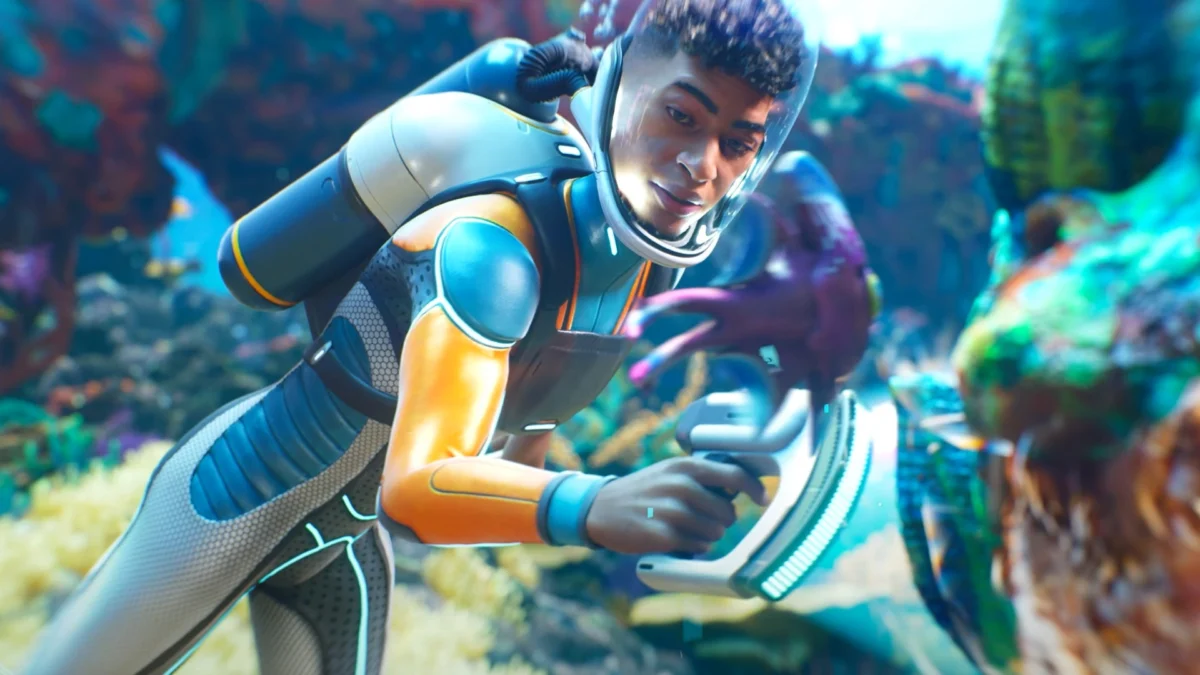
The legal confrontation between the South Korean gaming conglomerate Krafton and the original leadership of Unknown Worlds Entertainment has entered a volatile new phase. Following a landmark court ruling in Delaware that ordered the immediate reinstatement of Ted Gill as CEO of Unknown Worlds, legal representatives for the executive are now moving to have Krafton held in contempt. The escalating dispute centers on Krafton’s unilateral announcement of a May early access release for Subnautica 2, a move Gill’s team characterizes as a calculated act of defiance against judicial authority and a direct infringement on his reinstated operational control.
The Reinstatement of Ted Gill and the Delaware Ruling
The current crisis follows a "bombshell" verdict delivered earlier this week by a Delaware judge. The court found that Krafton—the publisher best known for PUBG: Battlegrounds—had fundamentally breached its Equity Purchase Agreement with Unknown Worlds. According to the court, Krafton improperly removed Ted Gill, studio founder Charlie Cleveland, and special projects director Max McGuire from their positions in the summer of 2023.
The judge’s opinion stated that Krafton had terminated these "Key Employees" without "valid Cause" and had "improperly seized operational control" of the studio. Consequently, the board resolution that had replaced the original leadership team with Steve Papoutsis, the CEO of Krafton-owned Striking Distance Studios, was declared "ineffective." The ruling was designed to restore the status quo, granting Gill "full operating authority" over Unknown Worlds and, crucially, total oversight of the release strategy for the highly anticipated sequel, Subnautica 2.
However, the transition of power has been anything but smooth. Within twenty-four hours of the ruling, a internal memo authored by Papoutsis was shared with staff and subsequently leaked to the press, asserting that the game had reached a development milestone and was "ready for Early Access release in May." Krafton’s subsequent confirmation of this date to multiple media outlets has triggered a swift legal retaliation from Gill’s counsel.
The $250 Million Earnout Conflict
At the heart of the acrimony is a financial dispute involving a staggering $250 million earnout bonus package. When Krafton acquired Unknown Worlds in 2021, the deal included performance-based incentives tied to the successful and timely launch of future projects, most notably Subnautica 2.
In their legal filings, the ousted founders alleged that Krafton intentionally disrupted the studio’s leadership and manipulated the development timeline to ensure these bonuses would never be paid. The founders claimed they were "deliberately pushed out" to allow Krafton to seize the reins and delay the project past the earnout window. This narrative of corporate sabotage gained significant traction during the discovery phase of the litigation, leading to one of the more unusual allegations in recent gaming history.
Evidence presented to the court suggested that Krafton’s CEO had allegedly consulted ChatGPT, an artificial intelligence language model, to "brainstorm ways to avoid paying" the earnout bonuses to the Unknown Worlds team. While Krafton has sought to minimize these claims, the judge’s finding that the terminations were without cause has lent substantial weight to the founders’ accusations of bad-faith dealings.
The Controversy Surrounding the May Release Announcement
The announcement of a May release date for Subnautica 2 is not merely a matter of scheduling; in the context of the court’s ruling, it is a matter of legal authority. Gill’s lawyers argue that by announcing the launch date without consulting the reinstated CEO, Krafton has effectively nullified the court’s order to return "full operating authority" to Gill.
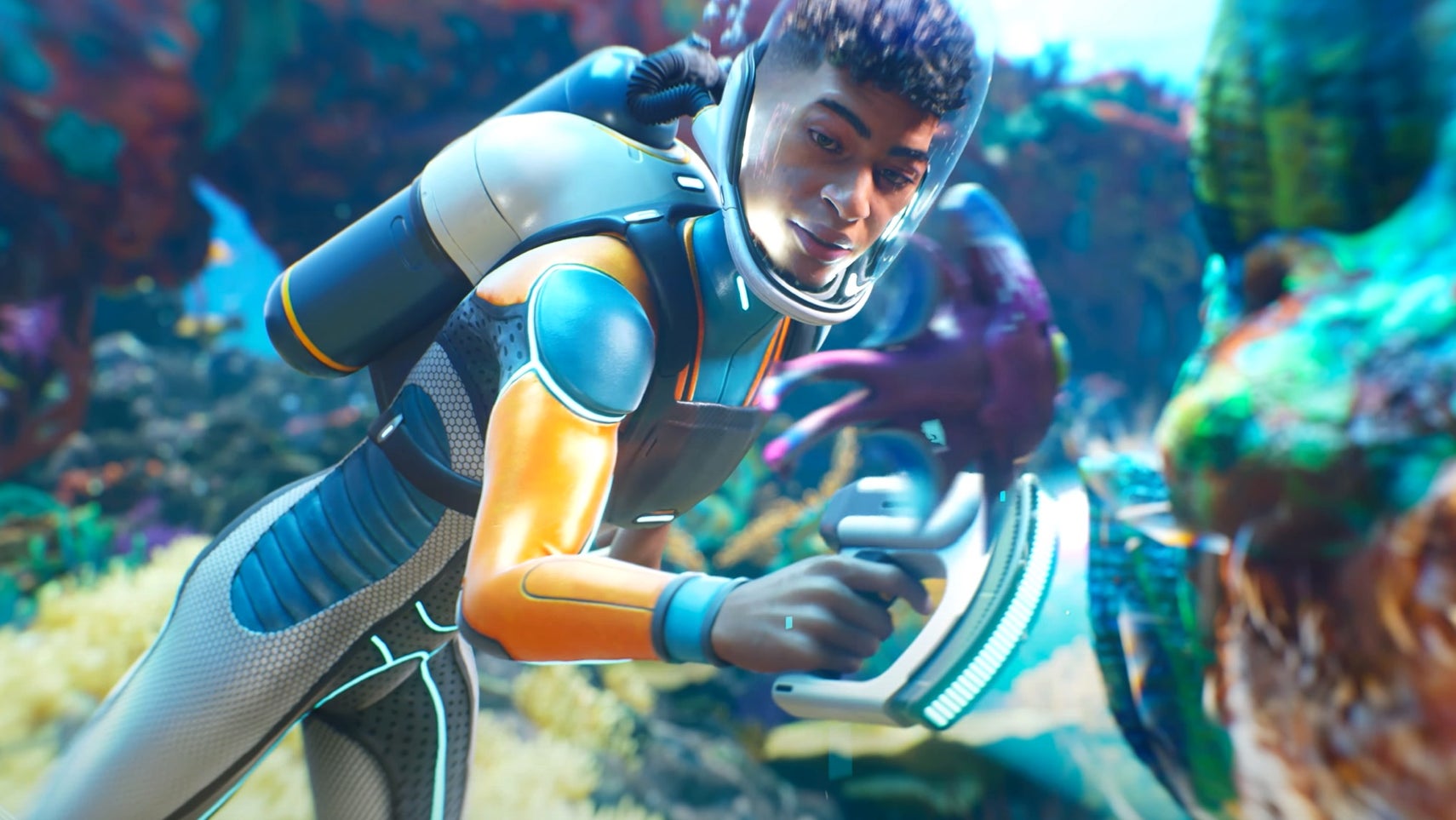
"Krafton self-servingly announced the launch without any regard to its impact on the game, the team, or the community—let alone this Court’s Opinion," Gill’s legal team wrote in their filing to the Delaware judge. They argued that the timing of the announcement was designed to "sow confusion" and strip Gill of his right to manage the most "momentous" aspect of a game’s lifecycle: its public debut.
The marketing of a title like Subnautica 2—the successor to a franchise that has sold over five million units—is a complex operation involving community coordination, trailer reveals, and synchronized press outreach. Gill’s team asserts that by "intentionally leaking" the May release window through a memo from a displaced executive (Papoutsis), Krafton has "further damaged the game" and deprived Gill of the opportunity to evaluate the project’s actual readiness.
Krafton’s Defense and Procedural Disputes
Krafton has pushed back against the allegations of contempt, characterizing the memo from Steve Papoutsis as an act of internal celebration rather than a formal corporate directive. The publisher argued that Papoutsis was "simply celebrating the UW employees’ efforts toward a past event," specifically a determination made by Krafton prior to the court’s ruling that the game was ready for a May launch.
Furthermore, Krafton’s legal team argued that the announcement does not legally bind Gill or prevent him from eventually changing the date if he sees fit. They maintained that Gill still possesses the "authority or discretion" to assess the state of the game independently.
Adding another layer of complexity is a procedural dispute regarding when the judge’s ruling actually took effect. Gill’s lawyers contend the order was active as of 9:00 AM on Monday, making any subsequent actions by Papoutsis or Krafton a direct violation. Krafton, however, argues that the ruling does not become enforceable until a final "implementing order" is signed by the judge—a document that is currently being finalized. This technicality has become the frontline of the current legal skirmish, as it determines whether Krafton’s communications with the press constituted a breach of a standing court order.
Chronology of the Subnautica 2 Dispute
- October 2021: Krafton officially acquires Unknown Worlds Entertainment, bringing the Subnautica IP under its corporate umbrella alongside PUBG and The Callisto Protocol.
- Summer 2023: Krafton abruptly removes CEO Ted Gill, founder Charlie Cleveland, and Max McGuire. Steve Papoutsis is installed as the new studio lead.
- Late 2023: The ousted founders file a lawsuit in the Delaware Court of Chancery, alleging breach of contract and a bad-faith attempt to avoid a $250 million earnout payment.
- Early 2024: Legal discovery reveals allegations that Krafton leadership used AI to find loopholes in the founders’ contracts.
- March 2024: A Delaware judge rules in favor of the founders, declaring their firing ineffective and ordering Gill’s immediate reinstatement with full authority.
- April 2024 (Day 1 post-ruling): Steve Papoutsis issues an internal memo stating Subnautica 2 will enter Early Access in May.
- April 2024 (Day 2 post-ruling): Gill’s legal team files a motion for contempt, alleging Krafton is sabotaging the transition and defying the court’s intent.
Broader Implications for the Gaming Industry
The friction between Krafton and Unknown Worlds serves as a cautionary tale for the broader video game industry, particularly regarding the trend of major publishers acquiring independent "prestige" studios. The "earnout" structure is a common feature in these acquisitions, intended to keep original talent motivated post-sale. However, as this case demonstrates, it can also create misaligned incentives where a parent company may benefit financially from a project’s delay or a leadership change.
The use of generative AI in corporate strategy—specifically to find ways to circumvent contractual obligations—is also a significant point of concern for labor advocates within the industry. If the court ultimately finds that Krafton used such tools to orchestrate the removal of the founders, it could set a legal precedent for how "good faith" is interpreted in the age of algorithmic management.
For the community of players, the primary concern remains the health of the Subnautica franchise. The original game was praised for its atmosphere, tight gameplay loop, and the passionate involvement of its developers. The current legal "civil war" between the studio’s creator and its owner threatens to overshadow the creative merits of the sequel. As Ted Gill’s lawyers noted, the announcement of a game’s release is a critical moment for community trust—a trust that is currently being tested by conflicting reports and courtroom drama.
As the Delaware court prepares to sign the final implementing order, the industry awaits to see if Krafton will face sanctions for its recent actions or if the May release of Subnautica 2 will proceed under a cloud of ongoing litigation. For now, the "full operating authority" promised to Ted Gill remains a point of intense legal contention.