Metty Iskandar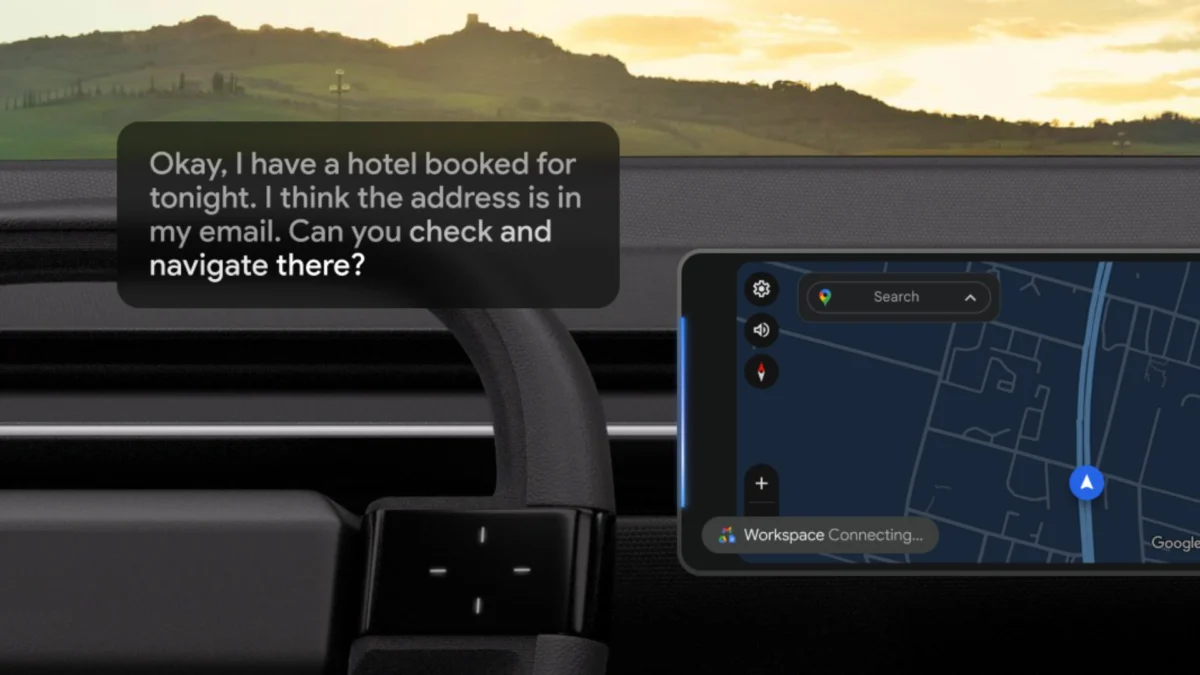
Google’s ambitious integration of its advanced AI model, Gemini, into Android Auto, initially heralded as a significant leap forward for in-car digital assistance, appears to be experiencing a considerably slower and less widespread rollout than initially projected. While Google announced the beginning of a global rollout in November, with promises of expansion over the subsequent months, user reports from across various regions indicate that the feature remains elusive for a substantial portion of the user base. This disparity between the announced timeline and the current reality is generating confusion and frustration among Android Auto users eager to leverage Gemini’s enhanced capabilities.
The initial announcement in November painted a picture of widespread availability, suggesting that Gemini would soon transform the Android Auto experience by offering more sophisticated conversational abilities and proactive assistance. Google stated that the feature would begin its global rollout in 45 languages, aiming to bring its next-generation AI to drivers worldwide. The expectation was that this rollout would progress steadily over the "next couple of months." However, as of late, this promised timeframe has largely passed, with user feedback collected from platforms like Reddit and the comments sections of official Google demonstrations on YouTube revealing a persistent lack of access for many.
User Frustration Amidst Slow Adoption
Across numerous online forums and discussion boards dedicated to Android Auto, a consistent theme emerges: users are reporting that despite adhering to all stated prerequisites, Gemini remains unavailable. These prerequisites typically include ensuring their smartphones are updated to the latest software versions, having the most recent Android Auto application installed, and crucially, switching their phone’s default AI assistant from the established Google Assistant to Gemini. Even after fulfilling these requirements, many users find themselves still interacting with the older, less capable Google Assistant interface within their vehicles.
The geographical spread of these reports is noteworthy, encompassing major markets such as the United States, various European nations, Australia, and other countries globally. This suggests that the issue is not confined to specific regional network limitations or device compatibilities but points towards a broader challenge in the deployment strategy or execution of the Gemini integration. The fact that users are encountering this issue across diverse mobile hardware and network conditions amplifies the concern about the rollout’s efficacy.
A Stalled Rollout: From Promise to Perception
Google’s strategy for deploying new features often involves a phased rollout, managed through server-side updates. This approach allows the company to monitor performance, gather feedback, and mitigate potential issues before a full-scale release. In the case of Gemini for Android Auto, the initial announcement was met with considerable anticipation, given Gemini’s purported advancements in natural language processing, context understanding, and multimodal capabilities. These advancements promised to make interactions with the car’s infotainment system more intuitive and efficient, allowing drivers to manage tasks like sending messages, setting navigation, controlling media, and accessing information with greater ease and less distraction.
However, the current situation suggests that this phased rollout may be encountering unforeseen complexities. Without explicit updates or further communication from Google regarding the reasons for the delayed or incomplete rollout, speculation among users and tech observers is rife. Some theories suggest that the integration might be more resource-intensive than initially anticipated, requiring significant server-side infrastructure adjustments. Others posit that the complexities of ensuring seamless and safe operation within the automotive environment, where split-second responses are critical, may be leading Google to exercise extreme caution.
Technical Prerequisites and User Compliance
The technical prerequisites for accessing Gemini on Android Auto, as understood from Google’s communications and user experiences, are multifaceted. Beyond the updated phone and app versions, a critical step involves the user actively transitioning their primary AI assistant on their mobile device to Gemini. This is not an automatic switch; users are expected to navigate their phone’s settings to designate Gemini as the default assistant. For many, this is a straightforward process. However, the continued absence of Gemini in Android Auto even after this switch has been made underscores the deeper issues at play.
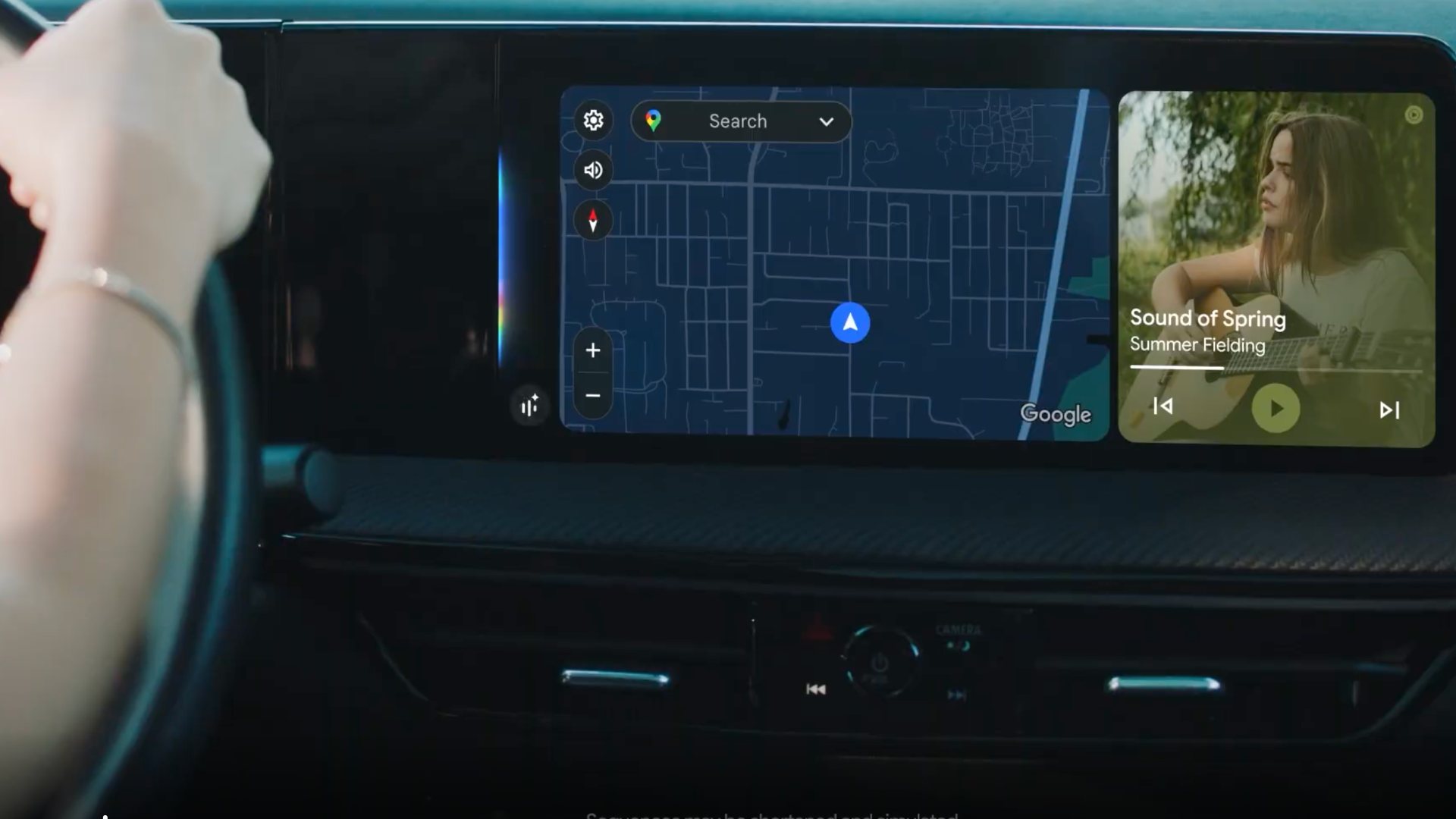
The underlying architecture of Android Auto is designed to project and adapt smartphone applications onto the vehicle’s display. Gemini’s integration into this system likely requires significant modifications to how the assistant interacts with the Android Auto interface, the vehicle’s CAN bus system for commands, and potentially cloud-based AI processing. The delay could stem from ensuring that these interactions are robust, secure, and do not compromise the stability or functionality of the core Android Auto experience.
Implications for Google’s AI Strategy
The slow rollout of Gemini on Android Auto carries broader implications for Google’s overarching artificial intelligence strategy. Gemini represents a significant investment and a cornerstone of Google’s future AI offerings, designed to be a unified and more capable AI model than its predecessors. Its successful integration into key Google products, such as Android Auto, is crucial for demonstrating its real-world value and driving adoption.
A protracted or problematic rollout in a high-visibility area like in-car infotainment could potentially undermine user confidence in Google’s ability to deliver on its AI promises. It could also provide an opening for competitors to highlight their own advancements in automotive AI or digital assistant technology. For Google, the automotive sector is a critical battleground for digital assistant dominance, with manufacturers increasingly relying on integrated software solutions to enhance the user experience.
A Look at Potential Causes and Future Prospects
While definitive reasons for the delay remain unconfirmed by Google, several factors could be contributing:
- Server-Side Infrastructure: The global rollout of a powerful AI model like Gemini requires robust server capacity and efficient data processing. Google may be scaling its infrastructure to handle the increased demand and complexity of Gemini’s operations across millions of vehicles.
- Testing and Validation: Ensuring that Gemini functions flawlessly and safely in diverse driving conditions and with a multitude of vehicle models is paramount. Rigorous testing and validation processes are likely underway to identify and rectify any potential bugs or performance issues.
- Regional Rollout Staggering: Google often staggers rollouts by region to manage server load and gather feedback from smaller user groups before a wider release. The current situation might represent an extended phase of this process.
- Compatibility Issues: While Android Auto is designed to be a standardized platform, variations in vehicle infotainment systems and smartphone hardware can lead to unforeseen compatibility challenges that require specific solutions.
The lack of official communication from Google since the initial announcement is a significant factor contributing to user uncertainty. Typically, when a rollout experiences delays or challenges, companies will issue updates to inform their user base and set revised expectations. The silence on this matter is notable and leaves users in the dark about the exact status of Gemini’s integration.
For users still awaiting Gemini in their Android Auto-equipped vehicles, the current situation offers little immediate solace. The experience of continuing to use the familiar Google Assistant, while functional, falls short of the advanced capabilities that Gemini was advertised to bring. This prolonged waiting period is a testament to the complexities involved in deploying cutting-edge AI technology into a safety-critical environment like a moving vehicle.
As of now, there is no clear indication from Google regarding when users can expect Gemini to become widely available on Android Auto. The company’s next communication on this matter will be crucial in managing user expectations and reaffirming its commitment to delivering on its AI-powered automotive vision. Until then, drivers hoping for a more intelligent and conversational in-car experience will continue to wait, with the promise of Gemini still hovering just beyond their reach. The success of this rollout will undoubtedly be a key indicator of Google’s ability to translate its AI advancements into tangible, user-benefiting products across its ecosystem.