Garick Elordi
The announcement comes after months of relative silence following the game’s high-profile reveal at Summer Game Fest in June 2025. While the studio maintains that internal development has been progressing at a steady pace, the leadership team concluded that the initial timeline was insufficient to achieve the "visceral" and "responsive" gameplay standards they have set for the project. In an industry where major intellectual property (IP) adaptations are often scrutinized for their adherence to source material and technical polish, PlaySide Studios appears to be taking a cautious approach to avoid the pitfalls of a rushed release.
A Strategic Postponement for Quality Assurance
The decision to delay Game of Thrones: War for Westeros was not made lightly, according to the developer’s blog. The transition from a 2026 release to early 2027 provides the team with approximately six to nine additional months of development time. This period is expected to be dedicated to "polishing," "balancing," and "optimizing" the complex interactions between the game’s various factions and hero units.
In the official statement, PlaySide Studios emphasized that their mission remains "unwavering." The studio articulated that the extension is a direct response to the complexity of the project, stating, "This decision gives us the time needed to continue building towards that goal and ensure that the game reaches the high level of quality we are aiming for." This sentiment echoes a broader trend in the AAA gaming industry, where developers are increasingly prioritizing long-term stability and player satisfaction over meeting rigid fiscal-year deadlines.
Industry analysts suggest that the delay may also be a tactical move to avoid a potentially crowded 2026 release schedule. By shifting to early 2027, War for Westeros could secure a more prominent position in the market, allowing it to capture the attention of RTS enthusiasts without competing against other major genre tentpoles.
Gameplay Mechanics and the Battle for the Iron Throne
Game of Thrones: War for Westeros aims to be the definitive strategy experience for the franchise, a goal that has eluded previous interactive adaptations of the series. The game is built around the core conflict of the Seven Kingdoms, allowing players to take command of one of four primary factions: House Stark, House Lannister, House Targaryen, or the Night King’s Army of the Dead.
Unlike traditional "base-building" RTS games that focus solely on resource management, War for Westeros places a heavy emphasis on its "Hero" system. Each House features iconic characters from the books and television series who act as powerful units on the battlefield. These heroes are not merely stronger versions of standard soldiers; they possess unique ability trees, can level up through combat experience, and provide passive buffs to the armies surrounding them.
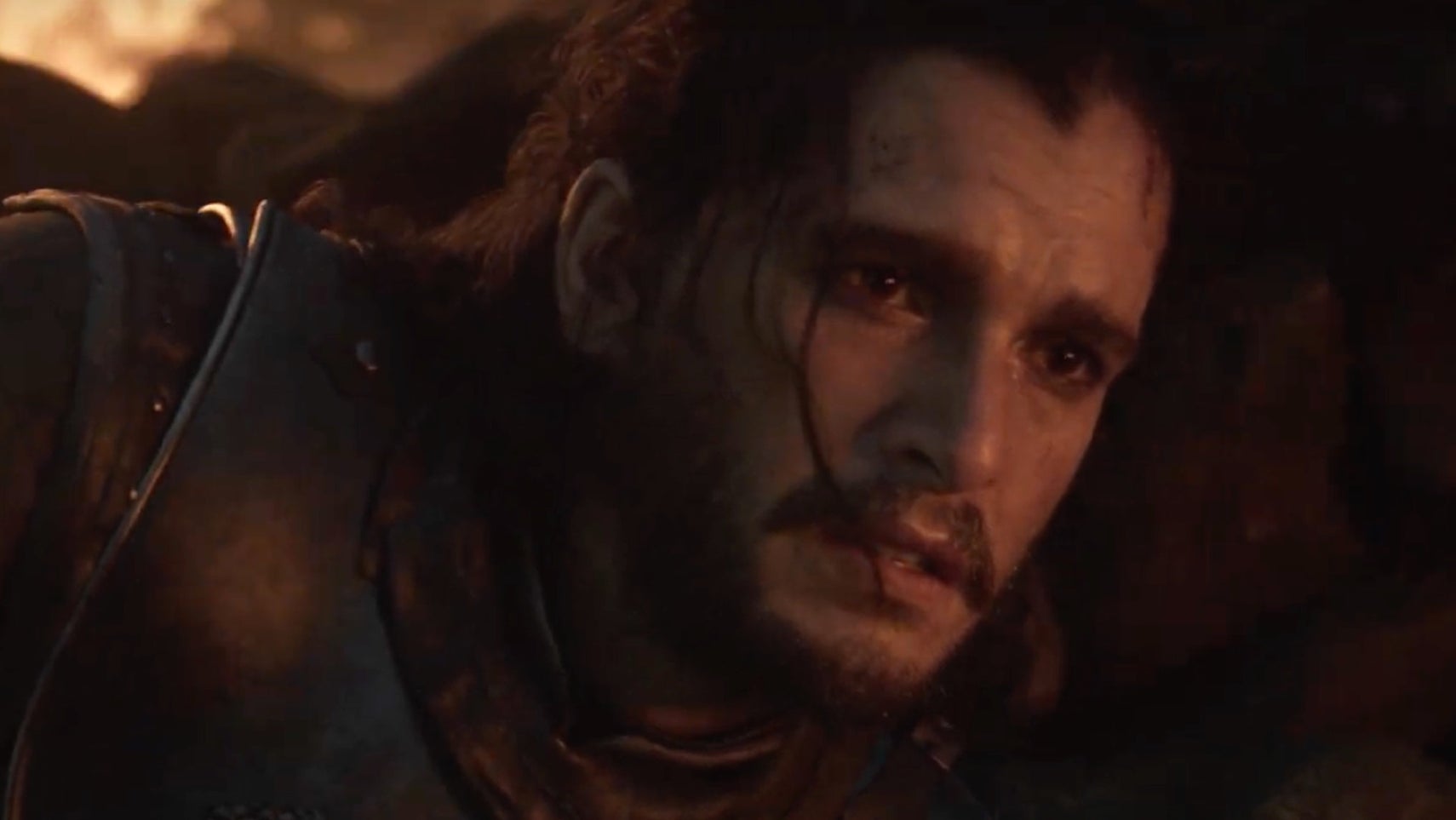
PlaySide has highlighted that the effective management of these heroes is the "key to continued success in skirmishes." For example, a House Stark player might utilize Jon Snow or Robb Stark to bolster infantry morale, while a Targaryen player would likely focus on the devastating aerial superiority provided by Daenerys and her dragons. The inclusion of the Army of the Dead introduces a unique asymmetrical gameplay element, forcing the "living" factions to adapt their strategies to counter an enemy that grows stronger with every casualty on the field.
Technical Ambitions: Responsiveness and Physical Impact
One of the most touted features of the upcoming title is its focus on "visceral" combat. PlaySide Studios has reportedly invested significant development time into unit behavior and the physical impact of interactions. In a genre often criticized for "floaty" combat where units simply clip through one another or trade invisible health points, War for Westeros seeks to provide a sense of weight and consequence to every clash.
The developers have noted a "massive emphasis on responsiveness," ensuring that player commands are executed with precision. This is particularly crucial in a real-time environment where a split-second decision to reposition a flank or activate a hero ability can determine the outcome of a battle. The studio’s focus on "feedback and impact" suggests a level of graphical and mechanical detail rarely seen in large-scale strategy games, involving advanced physics engines and procedural animation to depict the brutality of Westerosi warfare.
The Legacy of Game of Thrones in Interactive Media
The path to a successful Game of Thrones video game has been historically turbulent. Since the publication of A Game of Thrones in 1996 and the subsequent HBO series in 2011, several studios have attempted to capture the essence of Westeros.
Early attempts included Game of Thrones: Genesis (2011), an RTS that received mixed reviews for its clunky mechanics and steep learning curve. Telltale Games released a well-regarded narrative-driven episodic series in 2014, which focused on political intrigue rather than combat. More recently, the IP has seen significant commercial success in the mobile sector with titles like Game of Thrones: Conquest, though these games have often been criticized by "core" gamers for their reliance on microtransactions and simplified strategy elements.
War for Westeros represents the first major attempt in over a decade to bring a high-budget, traditional RTS experience to the franchise. For PlaySide Studios, the pressure is not only to create a functional game but to honor the complex lore and atmospheric depth that fans associate with the brand. The delay to 2027 is seen by many as a sign that the studio understands the weight of this responsibility.
PlaySide Studios: A Rising Force in the Strategy Genre
Based in Melbourne, Australia, PlaySide Studios has rapidly climbed the ranks of global game development. While they have a diverse portfolio across mobile and PC, they gained significant acclaim within the strategy community for Age of Darkness: Final Stand. That title, a "survival RTS," showcased the studio’s ability to handle massive unit counts on screen—up to 70,000 enemies—while maintaining performance and atmospheric tension.

The expertise gained from Age of Darkness is clearly being applied to War for Westeros. The studio’s ability to render large-scale swarms is particularly relevant for the Army of the Dead faction, which is expected to overwhelm players with sheer numbers. By securing the Game of Thrones license, PlaySide has moved into the "premier league" of international developers, and the success of this project will likely define the studio’s trajectory for the next decade.
Industry Context and the Evolution of the RTS
The delay of War for Westeros occurs during a period of perceived "renaissance" for the real-time strategy genre. After years of being overshadowed by MOBAs and First-Person Shooters, the RTS genre has seen a resurgence with titles like Age of Empires IV, Stormgate, and the upcoming Tempest Rising.
Modern RTS players have higher expectations for narrative integration and mechanical depth than they did during the genre’s golden age in the late 1990s. PlaySide’s decision to extend development suggests they are aiming for a product that can compete with the best in the genre, rather than relying solely on the strength of the Game of Thrones name. The additional time will likely be used to refine the AI, ensure cross-platform stability (if applicable), and expand the scope of the single-player campaigns.
Conclusion and Future Outlook
While the news of a delay is undoubtedly disappointing to fans who were eager to take the Iron Throne in 2026, the consensus among industry observers is one of cautious optimism. The history of game development is littered with titles that failed due to premature releases, while those that took the necessary time—such as Elden Ring or Baldur’s Gate 3—often went on to become era-defining successes.
PlaySide Studios has promised to provide more frequent updates as they move into the final stages of development throughout 2026. For now, the banners of the Great Houses remain furled, and the long winter of development continues. When Game of Thrones: War for Westeros finally arrives in early 2027, it will face the ultimate test: whether it can translate the brutal, complex, and beloved world of George R.R. Martin into a strategy masterpiece that stands the test of time.
The studio concluded their update by thanking the community: "Thank you for your patience and continued support. We know the wait has been long, and we do not take your support for granted." As 2027 approaches, the gaming world will be watching to see if PlaySide can truly deliver on the promise of a Westeros at war.