Metty Iskandar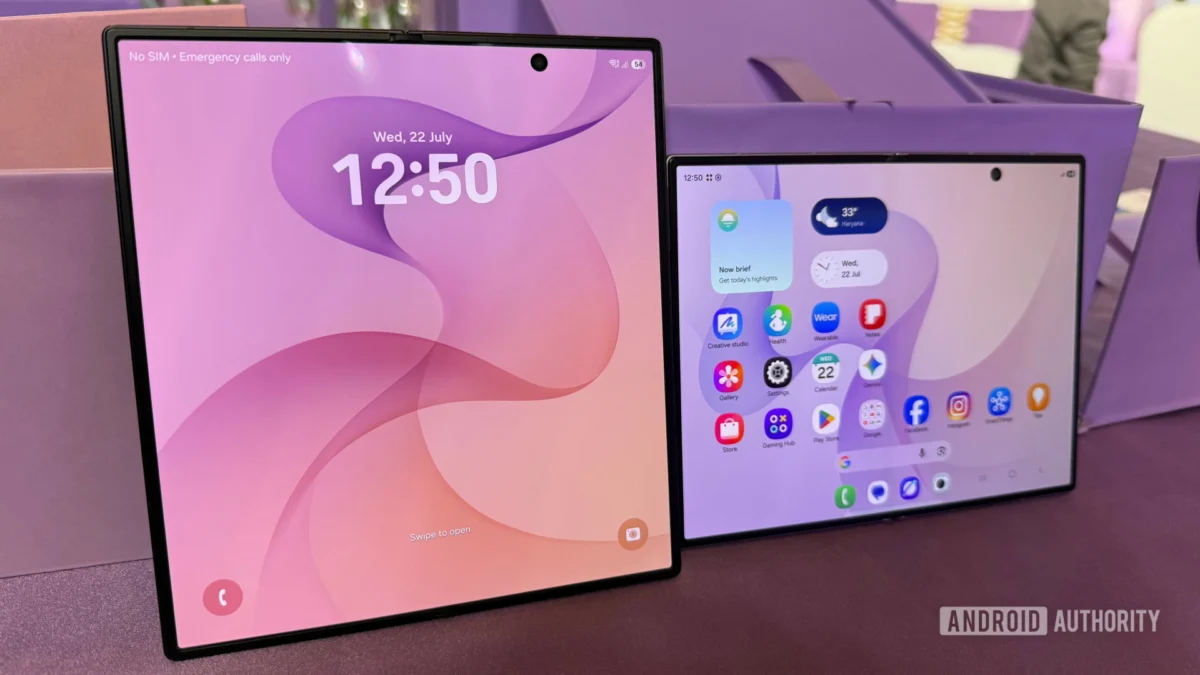
Samsung’s latest generation of foldable smartphones, the Galaxy Z8 series, has achieved unprecedented preorder success, signaling a significant shift in the market’s perception and adoption of foldable technology. Global preorders for the Z8 lineup have surged by over 30% compared to the previous year’s models, with the United States setting a new benchmark for Galaxy Z preorder records. This strong performance indicates that foldable phones are transitioning from a niche curiosity to a mainstream consumer desire, driven by refined designs, enhanced functionality, and strategic product segmentation.
A Surge in Demand: Unpacking the Preorder Success
The numbers released by Samsung paint a clear picture of burgeoning consumer interest. In the United States alone, the combined preorders for the Galaxy Z Fold 8 and the premium Galaxy Z Fold 8 Ultra have surpassed the previous record-holding Fold generation by a substantial margin after just 12 days of availability. This remarkable achievement follows an earlier announcement that the Z8 series also set an all-time preorder record for Samsung foldables in its home market of South Korea. This dual success across diverse markets underscores a growing global appetite for Samsung’s foldable innovations.
The standard Galaxy Z Fold 8 appears to be the primary driver of this impressive preorder volume, accounting for nearly half of all Z8 series preorders across U.S. carriers and retailers. The demand for this model has been so robust that specific color variants, such as the Lavender edition, have already sold out on Samsung’s U.S. online store. This phenomenon aligns with earlier reports suggesting that the Fold 8 was exceeding Samsung’s internal sales expectations and outselling its more expensive sibling, the Fold 8 Ultra, in numerous markets. This suggests that Samsung’s strategic decision to bifurcate the Fold line, offering a more accessible and distinct option alongside the top-tier Ultra, is proving to be a resounding success.
Rethinking Foldable Design: The Galaxy Z Fold 8’s Appeal
While the Galaxy Z Fold 8 Ultra, priced at a premium $2,099, undoubtedly caters to a segment of the market seeking the ultimate foldable experience, the regular Fold 8 is capturing a broader audience with its innovative design and more conventional price point. The Fold 8 adopts a less conventional, squatter form factor, featuring a wider cover screen that enhances usability when the device is closed. Its internal folding display boasts a 4:3 aspect ratio, which is particularly well-suited for media consumption, minimizing the black bars often seen when watching videos on taller, narrower screens. Furthermore, at just 201 grams, it is Samsung’s lightest Galaxy Z Fold model to date, addressing a common concern about the bulk and weight of foldable devices. This combination of a user-friendly display aspect ratio and reduced weight likely contributes significantly to its widespread appeal.
A Shifting Ecosystem: Foldable Owners Embrace Upgrades and Ecosystem Integration
Beyond the Fold models, Samsung’s foldable ecosystem is also demonstrating healthy growth. The company reports that over three times as many existing Galaxy Z Flip owners are upgrading to a Fold device in the current generation compared to the previous one. This indicates a growing confidence in the foldable form factor and a willingness among users to transition to larger, more versatile foldable devices as their primary mobile companions.
The synergy between Samsung’s foldable phones and its wearable technology is also becoming increasingly apparent. Nearly one in every four customers who preordered a Z8 series device in the U.S. also purchased one of the new Galaxy Watch 9 or Galaxy Watch Ultra 2 models. This suggests a successful strategy of bundling and ecosystem integration, where the purchase of a new foldable smartphone often leads to the acquisition of complementary smartwatches, further solidifying user loyalty within the Samsung ecosystem.
On a global scale, the Graphite color variant emerged as the most popular choice for both the Galaxy Z Fold 8 and Fold 8 Ultra. In contrast, the Pink shade dominated preorder numbers for the Galaxy Z Flip 8, indicating regional and demographic preferences influencing color selection.
The Road Ahead: From Niche to Mainstream
The official general sale of the Galaxy Z Fold 8, Fold 8 Ultra, and Flip 8 commences today, alongside the Galaxy Watch 9 and Watch Ultra 2. Samsung’s decision to expand its foldable lineup, potentially complicating consumer choices, appears to have paid off handsomely. The overwhelming preorder figures suggest that the company has accurately gauged and responded to consumer desires, effectively bridging the gap between cutting-edge technology and practical, desirable consumer electronics.
This surge in demand for foldable devices, particularly from a market leader like Samsung, has significant implications for the broader smartphone industry. It signals a potential inflection point where foldable technology moves beyond its early adopter phase and begins to capture a substantial share of the premium smartphone market. As manufacturing processes mature and component costs decrease, we can anticipate further innovation and more accessible pricing for foldable devices in the coming years. The success of the Galaxy Z8 series is not just a win for Samsung; it is a powerful indicator of the future direction of mobile technology.
Historical Context and Market Evolution
The journey of foldable smartphones from their inception has been one of iterative improvement and gradual market acceptance. Early iterations, such as the original Samsung Galaxy Fold, faced challenges related to durability and a perceived lack of compelling use cases beyond novelty. However, Samsung, along with other manufacturers, has persistently invested in research and development, addressing these initial concerns and refining the technology.
The introduction of the Galaxy Z Flip series, with its more compact and pocketable clamshell design, broadened the appeal of foldables beyond the larger, book-style form factor of the Fold series. This diversification of the foldable landscape allowed consumers to choose a device that best suited their individual needs and preferences. The evolution from the first generation of foldables to the current Z8 series represents a significant leap in screen durability, hinge engineering, and overall user experience.
The preorder success of the Z8 series can be contextualized within the broader smartphone market trends. While the overall smartphone market has experienced periods of stagnation, innovation in form factors like foldables has provided a much-needed catalyst for growth and consumer excitement. Samsung’s strategic approach of offering both a more accessible Fold 8 and a premium Fold 8 Ultra allows them to cater to a wider range of budgets and user needs within the foldable segment, a strategy that has evidently resonated with consumers.
Analyst Perspectives and Future Outlook
Industry analysts have largely welcomed the strong preorder numbers for the Galaxy Z8 series, viewing it as a validation of Samsung’s long-term investment in foldable technology. While specific sales figures for the preorder period are proprietary, the substantial year-over-year increase in demand suggests that foldables are no longer a speculative venture but a significant and growing revenue stream for Samsung.
The implications of this success extend beyond Samsung. Competitors are likely to accelerate their own foldable development and marketing efforts, potentially leading to more diverse and innovative offerings in the market. The increased adoption rate also encourages component suppliers to invest in scaling up production of specialized foldable displays and hinge mechanisms, which could, in turn, lead to cost reductions and further drive down prices for consumers.
The reported trend of Galaxy Z Flip owners upgrading to Fold devices is particularly noteworthy. It indicates that the foldable form factor itself is a compelling proposition, and as users become more familiar and comfortable with folding screens, they are inclined to explore more advanced and versatile foldable devices. This "upgrade path" within the foldable category is a positive sign for sustained market growth.
The integration of new Galaxy Watches with the foldable launch also highlights a strategic push towards a more connected and integrated device ecosystem. As consumers increasingly rely on smartwatches for health tracking, notifications, and quick interactions, the seamless pairing and synergistic functionality between their primary device (the foldable phone) and their wearable are becoming crucial purchasing considerations. Samsung’s success in bundling these devices during the preorder phase suggests a strong consumer response to this integrated approach.
Conclusion: A Resounding Endorsement for Foldables
The Galaxy Z8 series preorder performance is more than just a sales report; it’s a clear signal that foldable smartphones have moved beyond the experimental phase and are now a viable and desirable option for a significant segment of the global consumer base. Samsung’s strategic product segmentation, combined with continuous technological advancements, has evidently struck a chord with consumers. The unprecedented demand, particularly for the more accessible Galaxy Z Fold 8, suggests that affordability and thoughtful design are key to unlocking broader market adoption. As Samsung continues to refine its foldable technology and ecosystem, the future of smartphones appears increasingly hinged on innovation and flexibility.