Chandra Wibowo
State-sponsored cybercriminal operations, particularly those linked to North Korea and Iran, have been identified as the primary drivers behind a staggering 420% increase in on-chain malware activity this year, according to a comprehensive report by blockchain analytics firm Chainalysis. This surge signifies a sophisticated evolution in cyber warfare tactics, leveraging the inherent transparency and immutability of public blockchains to enhance the persistence and reach of malicious campaigns.
The Chainalysis report reveals that state-linked hackers were responsible for a significant majority of this escalating threat, accounting for approximately two-thirds of all new activity involving the storage of malware instructions or crucial infrastructure information directly on public blockchain networks. This strategic shift by state actors represents a departure from traditional methods, aiming to create a more resilient and difficult-to-disrupt attack surface. By embedding malicious code and operational directives within immutable blockchain records, these actors ensure that their infrastructure remains accessible even if associated domains, servers, or code repositories are taken offline. This resilience is a key factor in the prolonged success and adaptability of their operations.
One notable attribution by Chainalysis points to UNC5342, a hacking group with documented links to North Korea. This group has been implicated in previously unattributed malicious activities across multiple blockchain networks, including Tron, Aptos, and the BNB Smart Chain. The involvement of UNC5342 underscores the expanding operational footprint of North Korean cyber units and their ability to infiltrate and exploit diverse blockchain ecosystems. The report highlights that this technique of embedding malware instructions on-chain is not entirely novel. In 2025, North Korean hackers notably employed a similar method known as "EtherHiding" to conceal cryptocurrency-stealing code within smart contracts, demonstrating a consistent pattern of innovation and adaptation in their cyberattack strategies.
North Korea’s Evolving Infiltration Tactics
Adding to the alarming cybersecurity landscape, a separate report indicates that North Korea (DPRK) is employing an increasingly elaborate scheme to infiltrate United States companies. This strategy involves leveraging remote workers from third countries, including Iran and Lebanon, to successfully navigate initial job interview stages. Once these positions are secured, North Korean operatives reportedly take over, effectively using these footholds to gain access to sensitive information and financial resources. The ultimate objective of this infiltration, according to NBC reporting, is to fund the DPRK’s ongoing weapons programs, a persistent concern for international security.
This multi-pronged approach, combining sophisticated on-chain malware deployment with deceptive human-centric infiltration tactics, paints a grim picture of the evolving threat posed by state-sponsored cyber actors. The ability to operate across both the digital and human elements of organizational security presents a formidable challenge for cybersecurity professionals and national security agencies worldwide.

South Korea Cracks Down on Unregulated Prediction Markets
In a related development, South Korean authorities have reportedly referred users of the decentralized prediction market platform Polymarket to prosecutors. The legal basis for this action stems from the classification of Polymarket transactions as illegal gambling under South Korea’s Criminal Act. Regulators argue that users are staking assets on outcomes that cannot be predicted with certainty, a characteristic that falls afoul of existing gambling legislation. This move signals a tightening regulatory stance on decentralized finance (DeFi) applications that blur the lines between speculative markets and regulated financial activities. The implications for other similar platforms operating globally remain to be seen, but it underscores the increasing scrutiny faced by the DeFi sector from national jurisdictions.
Hong Kong’s Strategic Pivot in the Digital Asset Landscape
Hong Kong is navigating a complex period in its development as a digital asset hub. Metaplanet, a company previously involved in controversy over executive stock pool plans, has announced a significant reduction in its Series 10 stock pool, slashing it by 41%. This recalibration follows backlash from last week’s announcement regarding a plan to allocate up to 20% of its fully diluted shares to executives. Metaplanet intends to reduce the number of potential shares underlying the rights from 319.464 million to 188.19 million, also resetting the conversion ratio to its pre-September 2025 international share offering level. This adjustment is projected to extinguish over $220 million in warrant value and increase the company’s Bitcoin holdings per fully diluted share by approximately 8.8%.
Concurrently, the failure of the CLARITY Act vote in the United States has presented Hong Kong with what industry insiders describe as a "critical strategic window." The South China Morning Post reports that this legislative setback in the U.S. is prompting calls for Hong Kong policymakers to seize the opportunity to solidify its position in the global digital asset market. Experts like Allen Ding, director of Bitfire Research, emphasize the urgency of this moment, while Shawn Yan, founder of Cregis Technology, advocates for Hong Kong to focus on building infrastructure that can operate across regulatory boundaries, rather than waiting for a single jurisdiction to dictate market standards.
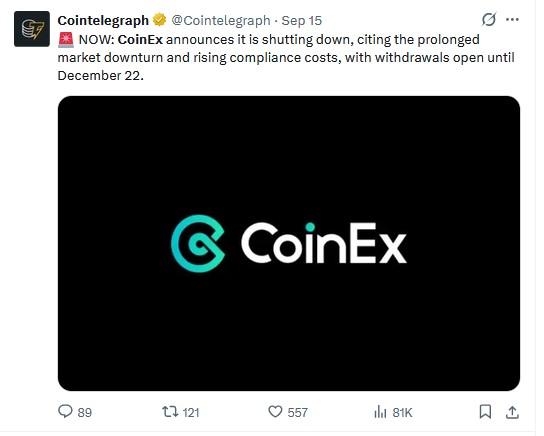
Adding to the evolving landscape in Hong Kong, the cryptocurrency exchange CoinEx has announced it will cease operations after nine years. The exchange cited declining trading volumes and liquidity during the prolonged bear market, coupled with escalating regulatory and compliance costs, as the primary reasons for its closure. CoinEx has informed users that withdrawals will remain open until December 22nd, providing a limited window for customers to retrieve their assets. This decision reflects the challenging economic and regulatory environment faced by many crypto exchanges globally.
India’s Bold Strides in Tokenized Securities and Crypto Regulation
India is making significant advancements in the tokenization of financial instruments. The country’s securities regulator, the Securities and Exchange Board of India (SEBI), in conjunction with the central bank, has launched a pilot program for tokenized corporate bonds. This initiative has already seen three companies issue a combined 10.25 billion rupees (approximately $107 million) through this new market infrastructure. The "Demat 2.0" project allows corporate bonds to be issued and held as digital tokens on a distributed ledger managed by India’s statutory depositories. This system is integrated with the Reserve Bank of India’s (RBI) wholesale central bank digital currency (CBDC) via its Unified Market Interface, signaling a deep integration of blockchain technology within the traditional financial system.

In parallel, India’s Parliamentary Standing Committee on Finance has concluded its year-long review of cryptocurrency policy. The government is expected to provide its response next week, paving the way for the committee to finalize and submit its comprehensive report. This review is a critical step towards establishing a clearer regulatory framework for digital assets in the country. Furthermore, India’s Enforcement Directorate is enhancing its capabilities to tackle economic crimes involving cryptocurrencies. The agency aims to expedite economic crime investigations to within 18 months, underscoring a commitment to increased oversight and enforcement in the crypto space.
Vietnam’s Growing Role in the Digital Asset Ecosystem
Vietnam is emerging as a significant player in the blockchain and cryptocurrency industry. Bitcoin Suisse, a Swiss-based crypto service provider, plans to relocate up to half of its Swiss-based jobs to Bratislava and Vietnam. Established in Zug in 2013, Bitcoin Suisse offers a range of services including crypto trading, custody, staking, and lending. The company intends to establish a new operational center in Vietnam to manage a substantial portion of its back-office and administrative functions, indicating a strategic expansion into the region.
Vietnamese regulators are also actively developing new mechanisms for monitoring crypto assets. Guided by recommendations from the Financial Action Task Force (FATF), the country is building a supervisory framework that will cover crypto asset service providers and investor transactions. This initiative aims to enhance compliance and mitigate risks associated with the growing digital asset market.
In a notable development for the country’s financial sector, Binance, the world’s largest cryptocurrency exchange, has signed a Memorandum of Understanding (MOU) to assist in the development of the Vietnam International Finance Center in Ho Chi Minh City. This partnership signifies a commitment to fostering the growth of Vietnam’s financial infrastructure with the support of major global players in the blockchain industry.
Singapore’s Dual Approach to Traditional and Digital Finance
Singapore Exchange (SGX) has achieved a significant milestone, becoming the first major Asian traditional finance exchange to receive approval from the U.S. Commodities Futures Trading Commission (CFTC) to offer Bitcoin and Ethereum perpetual futures to U.S. institutions. This development positions Singapore as a key gateway for U.S. institutional investors seeking exposure to crypto derivatives through regulated channels.
Meanwhile, Singapore’s High Court has provided crucial guidance on the valuation of crypto assets in legal claims. A recent court decision has established a precedent for valuing digital assets that deviates from traditional breach-date damage assessment principles. Law firm Reed Smith noted that the court is unlikely to permit claimants to delay mitigation efforts for extended periods and then seek damages based on a higher present-day market price, signaling a more pragmatic approach to asset valuation in dispute resolution.
In a stark reminder of the illicit activities that can occur within the crypto space, six Malaysian men were sentenced in Singapore to lengthy prison terms, some up to 12 years and 11 months, along with caning. Their convictions stemmed from a 2024 armed robbery involving cryptocurrency, cash, and luxury items, highlighting the ongoing challenges of combating crypto-related crime.
Thailand’s Stablecoin Regulation and Malaysia’s Crypto-Friendly Stance
Thailand’s Securities and Exchange Commission (SEC) has proposed new regulations for stablecoins, including a daily transfer cap of 5 million baht (approximately $151,000) per user. This measure is intended to enhance consumer protection and prevent potential misuse of stablecoins within the financial system.
Fitch Ratings has identified Malaysia as one of the more crypto-curious Muslim-majority nations. The local Securities Commission has declared Bitcoin, Ethereum, Ripple, and Stellar as Sharia-compliant, indicating a more open and accommodating approach to digital assets within the Islamic finance framework. This classification could foster greater adoption and integration of these cryptocurrencies within Malaysia’s financial landscape.
The global cryptocurrency market continues to evolve at a rapid pace, marked by increasing sophistication in cyber threats, evolving regulatory landscapes across jurisdictions, and strategic moves by both established financial institutions and emerging digital asset players. The interplay between technological innovation, regulatory oversight, and geopolitical factors will undoubtedly shape the future trajectory of this dynamic sector.