admin
admin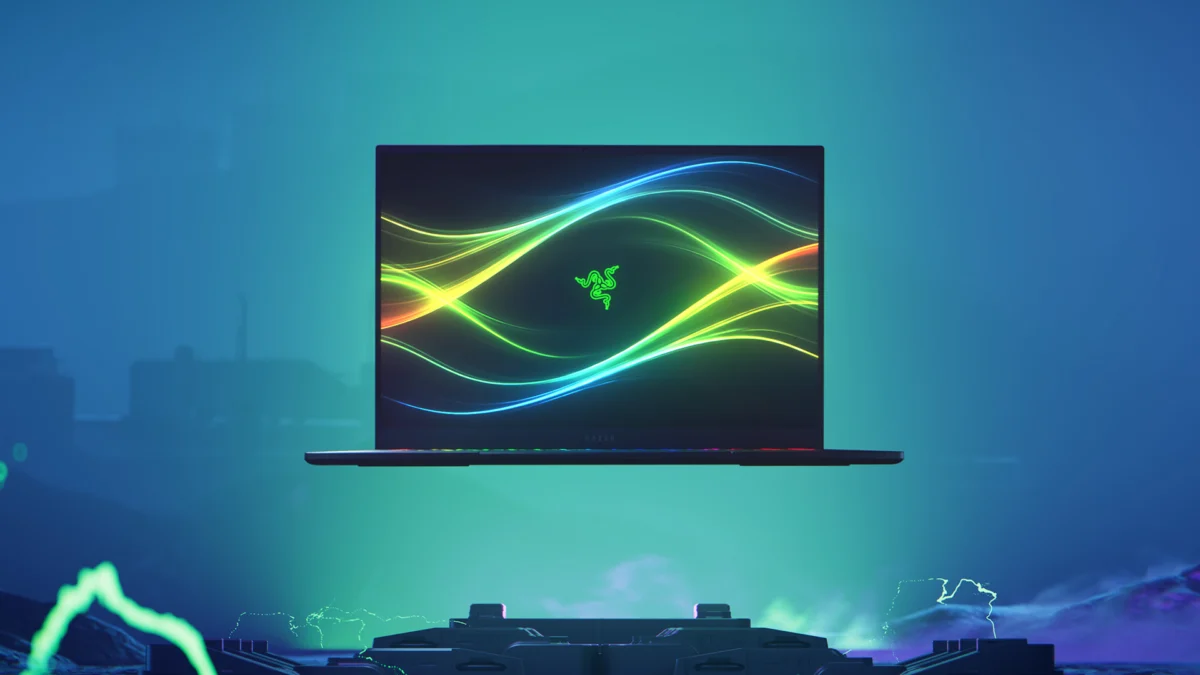
The high-end gaming laptop market is defined by a promise of uncompromising performance and premium build quality, yet recent reports indicate that even the most expensive configurations are not immune to catastrophic hardware failures. A consumer who recently invested $4,500 in a top-tier Razer Blade 16, featuring the latest NVIDIA GeForce RTX 5080 graphics processor and 64GB of RAM, reported a total system failure within the first week of ownership. The incident, which has gained significant traction within the enthusiast community, highlights ongoing concerns regarding the reliability of flagship mobile hardware and the efficacy of manufacturer return policies. The failure manifested as a "Code 43" error, a notorious Windows Device Manager status indicating that the operating system has disabled a hardware component because it reported a problem or failed to initialize correctly.
Technical Analysis of the Code 43 Error in Modern GPUs
A Code 43 error is a generic message that signifies a communication breakdown between the operating system and the hardware component. In the context of a high-performance gaming laptop like the Razer Blade 16, this error typically suggests one of three primary failure modes: a corrupted firmware/driver environment, a failure in the GPU’s silicon, or a malfunction in the power delivery system. Given that the user in this instance attempted exhaustive troubleshooting—including driver reinstallation, power discharges, Embedded Controller (EC) updates, and BIOS flashes—the likelihood of a physical hardware defect remains high.
In enthusiast-grade laptops, the GPU is often subject to intense thermal stress and high current draw. The RTX 5080 mobile architecture, while designed for efficiency, requires a robust Voltage Regulator Module (VRM) to manage power spikes. Industry analysts suggest that a Code 43 error following a system crash often points to a blown capacitor or a failure in a power rail. When a power rail fails, the GPU may still receive enough trickle power to be "seen" by the system, but it cannot initialize its high-performance states, leading Windows to disable the device to prevent further electrical damage. For a $4,500 machine, such a failure within seven days of use raises questions about quality control (QC) standards during the manufacturing process of these high-density PCBs.
Chronology of the Hardware Failure and Initial Support Interaction
The timeline of the incident begins with the delivery of the Razer Blade 16, a machine often lauded as the "MacBook of gaming laptops" due to its unibody aluminum chassis and high-refresh-rate OLED display. The owner, identified by the Reddit handle "Embarrassed_Will1901," noted that the initial unboxing experience was positive, despite the absence of a physical receipt in the packaging. This minor administrative hurdle was quickly cleared by Razer’s digital support team, who successfully linked the purchase to the user’s account, seemingly setting the stage for a premium ownership experience.
The failure occurred abruptly during a session of Age of Empires II. While the title is an optimized strategy game, it still utilizes the GPU for modern rendering techniques. According to the user, the system crashed mid-game, and upon rebooting, the NVIDIA GeForce RTX 5080 was no longer functional. The Windows Device Manager displayed the Code 43 warning, and the laptop reverted to using integrated graphics, effectively rendering the $4,500 investment a basic productivity machine.
Over the subsequent 48 hours, the user engaged in a series of technical interventions. These included:
- Driver Sanitization: Utilizing Display Driver Uninstaller (DDU) to remove all traces of NVIDIA software before a clean reinstall.
- Firmware Updates: Applying the latest BIOS and EC updates provided by Razer to ensure the motherboard’s communication protocols were current.
- Power Cycling: Performing a deep power discharge to reset the hardware’s internal state.
When these measures failed to restore the GPU, the user escalated the matter to Razer’s "Laptop Specialist" team. The specialists officially tagged the unit as having a "hardware issue," confirming that the problem was not software-based but a fundamental defect in the machine’s internal components.
The "Good as New" Controversy and Replacement Policies
The conflict shifted from technical failure to a dispute over consumer rights when Razer’s support team offered a resolution. Despite the laptop being only seven days old, Razer reportedly offered a "good as new" replacement rather than a brand-new retail unit. In the consumer electronics industry, "good as new" is often a euphemism for a refurbished device—a unit that may have been previously owned, repaired, and re-certified for use.
For a consumer who had just spent $4,500, the prospect of receiving a refurbished machine in exchange for a brand-new one that failed within a week was deemed unacceptable. This practice is a common point of contention in the technology sector. While manufacturers argue that refurbished units undergo "rigorous testing" that exceeds standard factory checks, consumers maintain that a "Dead on Arrival" (DOA) or "early-life failure" should be remedied with a factory-sealed replacement.

This specific scenario highlights a discrepancy between a manufacturer’s internal Return Merchandise Authorization (RMA) protocols and the expectations of the premium market. In many jurisdictions, consumer protection laws mandate that a defective product must be replaced with an identical new product or a full refund if the failure occurs within a reasonable "short-term" window, typically 14 to 30 days.
Policy Ambiguity: Purchase Date vs. Delivery Date
The situation was further complicated by the interpretation of Razer’s 14-day return policy. The user sought a full refund to avoid the "good as new" replacement cycle, but encountered conflicting information from Razer’s representatives. One communication stated that the customer has 14 calendar days from the date they received the item to initiate a return. However, a subsequent message from the logistics team suggested that only orders delivered within 14 days of the purchase date qualify for a refund.
This distinction is critical in the world of high-end tech, where shipping times, customs delays, and "pre-order" windows can easily exceed 14 days. If a policy is based on the purchase date rather than the delivery date, a consumer’s right to return a defective product could theoretically expire before the product even arrives at their doorstep.
In this case, the user had only been in physical possession of the Blade 16 for seven days. The refusal to grant a straightforward refund based on a "window expiration" that ignores the delivery date is a practice that legal analysts suggest could be a violation of the Magnuson-Moss Warranty Act in the United States or similar consumer rights directives in the European Union. These laws generally require that warranty and return windows begin when the consumer takes possession of the goods.
Broader Implications for the High-End Gaming Laptop Market
The failure of a flagship device like the Razer Blade 16 serves as a case study for the risks inherent in the "thin-and-light" performance race. As manufacturers cram desktop-class components like the RTX 5080 into chassis less than an inch thick, the margin for error in thermal management and electrical engineering becomes razor-thin.
- Quality Control vs. Volume: As Razer and its competitors (such as ASUS ROG, Alienware, and MSI) scale production to meet the demand for high-refresh-rate gaming, the pressure on QC teams increases. A single faulty batch of VRMs or a slight misalignment in the vapor chamber cooling system can lead to widespread "Code 43" incidents.
- The "Enthusiast Tax" and Service Expectations: Consumers paying a "premium tax" for brands like Razer expect a service level commensurate with the price. When a $1,000 laptop fails, a refurbished replacement might be tolerated; when a $4,500 flagship fails, the expectation is "white-glove" service.
- Environmental Impact of RMA Cycles: The practice of shipping "good as new" units often results in multiple shipping legs, increasing the carbon footprint of a single purchase. A more robust initial QC process would mitigate the need for these complex and customer-frustrating RMA loops.
Potential Resolutions and Technical Recourse
For the owner of the defective Razer Blade 16, the path forward remains narrow. If Razer continues to insist on the "good as new" replacement or denies a refund based on the 14-day window, the user may have to resort to a credit card chargeback or formal arbitration.
From a technical standpoint, if the user were to take the machine to an independent repair specialist, the fix would likely involve a microscopic inspection of the GPU power rails. Specialists in "board-level repair" often find that Code 43 errors on high-end laptops are caused by a single failed MOSFET or a shorted ceramic capacitor. While these components cost pennies, the labor and expertise required to replace them on a 12-layer PCB are significant. However, seeking third-party repair would almost certainly void the remaining manufacturer warranty, making it a risky proposition for a week-old device.
Conclusion: A Call for Policy Transparency
The incident involving the $4,500 Razer Blade 16 is more than a simple hardware failure; it is a reflection of the friction between corporate policy and consumer reality. As hardware becomes more expensive and complex, the "safety net" provided by manufacturers must become more robust, not more restrictive.
The industry at large faces a turning point. If premium brands wish to maintain their status, they must ensure that their return and replacement policies are as "top-tier" as the silicon they sell. For now, the "Code 43" error remains a stark reminder that in the world of high-performance computing, the price tag is no guarantee of permanence, and the quality of customer support is just as important as the frames per second. The final resolution of this case will likely serve as a benchmark for how Razer intends to treat its most invested customers in the RTX 50-series era.