Garick Elordi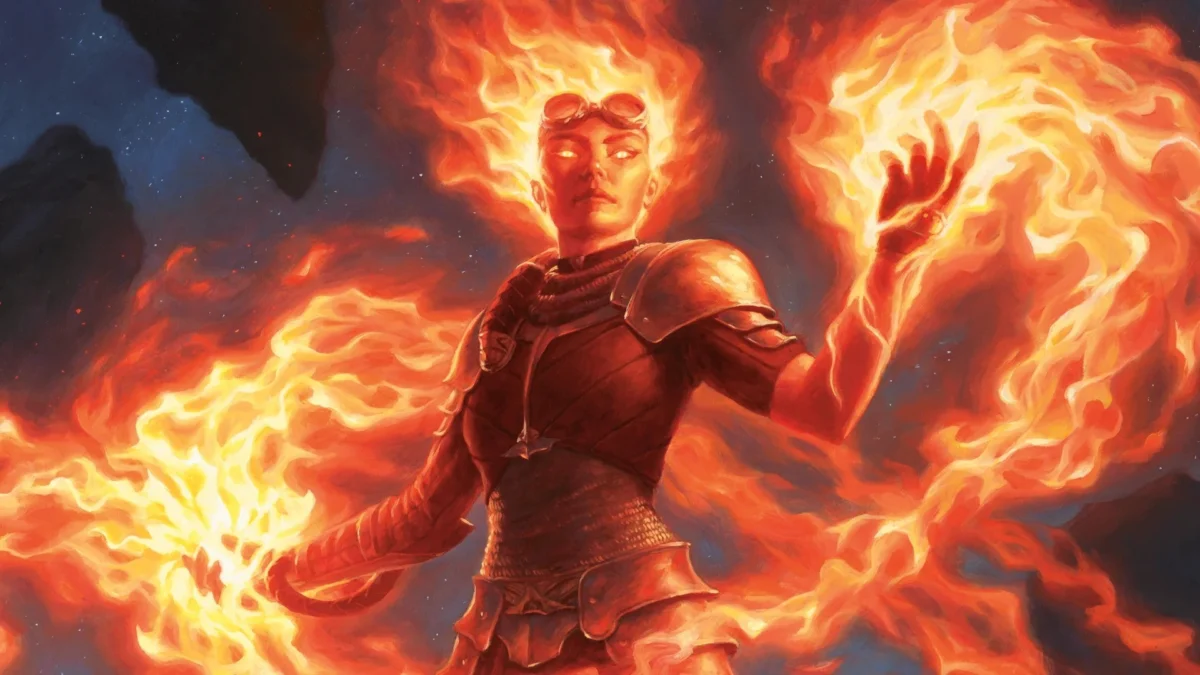
The leadership transition at Wizards of the Coast, a subsidiary of Hasbro and the primary engine behind global hits like Magic: The Gathering and Dungeons & Dragons, marks a significant turning point for the company as it navigates a volatile period in the digital gaming sector. John Hight, who assumed the presidency of Wizards of the Coast (WotC) following a distinguished career at Blizzard Entertainment, is set to step down from his role on September 1. According to a recent filing with the U.S. Securities and Exchange Commission (SEC), Hight will not be leaving the organization entirely but will instead transition into a specialized advisory role. This move comes at a critical juncture, as Hasbro attempts to balance the immense profitability of its tabletop franchises with the high-risk, high-reward nature of internal AAA video game development.
The departure follows a tenure that, while brief, was characterized by an aggressive push toward digital integration and the expansion of WotC’s intellectual properties into new media. Hight’s move to an advisory capacity allows him to continue offering strategic insights while the company searches for a successor capable of managing the dual demands of physical hobby gaming and a burgeoning digital portfolio. The SEC filing indicates that this transition is part of a broader organizational realignment, intended to streamline operations and focus resources on a select group of high-priority projects.
A Legacy of Digital Expertise and Strategic Hiring
John Hight joined Wizards of the Coast with a formidable reputation in the gaming industry, having previously served as the general manager of the World of Warcraft franchise at Blizzard Entertainment. His hiring was widely seen as a signal that Hasbro intended to double down on its digital ambitions. During his time at Blizzard, Hight was credited with stabilizing the Warcraft ecosystem and overseeing the successful launch of multiple expansions and the "Classic" initiative. His transition to WotC was meant to bring that same level of operational discipline to the Magic: The Gathering Arena platform and the suite of Dungeons & Dragons digital tools.
Under Hight’s leadership, WotC sought to bridge the gap between traditional tabletop players and a younger, digital-native audience. This strategy involved significant investment in internal development studios, such as Archetype Entertainment, and a focus on high-fidelity RPG experiences. However, the complexities of modern game development, combined with shifting market conditions, have forced a reassessment of how many projects a toy-centric parent company like Hasbro can realistically support simultaneously.
Financial Context: The $56 Million Impairment Charge
The news of Hight’s transition arrived just one week after Hasbro disclosed a $56 million impairment charge against its gaming division. In financial terms, an impairment charge occurs when the market value of an asset—in this case, several in-development video games—drops below its "book value" on the company’s balance sheet. This write-down essentially serves as a formal acknowledgment that several projects currently in the pipeline are no longer expected to generate the returns necessary to justify their continued development.
This financial maneuver resulted in the cancellation of multiple unannounced video game projects. While the company has not publicly named the "dead" projects, industry analysts suggest they likely included experimental titles or smaller-scale digital ventures that did not align with Hasbro’s new "fewer, bigger, better" strategy. This pivot is designed to mitigate risk in a gaming market that has seen significant contraction and mass layoffs across the board in 2023 and 2024. By clearing these assets off the books, Hasbro is attempting to protect its bottom line while focusing its capital on "sure bets" within its most popular franchises.
The Survival of High-Profile Projects: Exodus and Warlock
Despite the cancellations and the $56 million write-down, Hasbro has confirmed that its flagship digital projects remain on track. Chief among these is Exodus, a sci-fi role-playing game being developed by Archetype Entertainment. Led by industry veterans James Ohlen and Chad Robertson—both former BioWare leads—Exodus is positioned as a spiritual successor to the cinematic RPG style popularized by the Mass Effect series. The game gained significant traction following a trailer reveal at The Game Awards, featuring actor Matthew McConaughey and highlighting a narrative centered on time dilation and high-stakes interstellar travel.
The other major project confirmed to be safe is Warlock, a title set within the Dungeons & Dragons universe. While details on Warlock remain scarce, it is believed to be a cornerstone of WotC’s strategy to capitalize on the massive success of Larian Studios’ Baldur’s Gate 3. The critical and commercial triumph of Baldur’s Gate 3 proved that there is a massive global appetite for deep, narrative-driven D&D experiences, and Warlock is expected to be Hasbro’s primary internal effort to replicate that success in-house.
Official Responses and Corporate Strategy
In a statement provided to Gamesindustry.biz, Wizards of the Coast emphasized that the leadership change does not reflect a decline in the health of the business. "After two years as President of Wizards of the Coast, John Hight is transitioning from the role, effective September 1," the statement read. "We’re deeply grateful for his leadership and the contributions he’s made to our teams and our games during his tenure. John will continue to support Wizards in an advisory capacity while pursuing other creative and professional opportunities he’s passionate about."
The company was quick to reassure investors and fans that its core products remain robust. "There is no change to the strength of the Wizards business. Magic: The Gathering and Dungeons & Dragons continue to perform incredibly well, consistent with our most recent earnings release, and our upcoming 2027 video game slate, including Exodus and Warlock, remains on track."
Hasbro has already initiated a search for Hight’s successor, looking for candidates both internally and externally. The ideal candidate will likely need to possess a rare blend of experience in the "analog" world of tabletop publishing and the technical expertise required to manage multi-year AAA game development cycles.
Broader Implications for the Gaming Industry
The situation at Wizards of the Coast is emblematic of a larger trend within the entertainment industry. Following the "gaming boom" of the early 2020s, many companies overextended their development pipelines. Now, facing higher interest rates and a more discerning consumer base, major publishers are retracting. Hasbro’s decision to take a $56 million hit now, rather than continuing to fund underperforming projects, is a pragmatic, if painful, move to ensure the long-term viability of the WotC segment.
Wizards of the Coast remains the "crown jewel" of Hasbro’s portfolio. While the company’s traditional toy divisions (like Nerf and My Little Pony) have faced headwinds, WotC has consistently delivered growth. The success of the "Universes Beyond" initiative in Magic: The Gathering—which brought franchises like The Lord of the Rings, Fallout, and Warhammer 40,000 into the card game—has opened new revenue streams and attracted a broader demographic. Similarly, the 2024 refresh of the Dungeons & Dragons core rulebooks is expected to drive significant sales in the tabletop sector.
However, the "digital frontier" remains the company’s greatest challenge. The transition of John Hight suggests that Hasbro is still fine-tuning its leadership formula for this space. The advisory role will allow Hight to see through the immediate transition, but the next president will face the daunting task of delivering Exodus and Warlock to a market that is increasingly crowded and unforgiving.
Chronology of Leadership and Change at WotC
The recent history of Wizards of the Coast leadership has been marked by rapid shifts as the company’s role within Hasbro evolved.
- January 2022: Chris Cocks, the former head of Wizards of the Coast, is named CEO of Hasbro, signaling the parent company’s intent to put WotC’s growth strategies at the center of the entire corporation.
- February 2022: Cynthia Williams is appointed President of WotC, bringing a background from Microsoft and Amazon to lead the digital transformation.
- Late 2023: Hasbro announces significant company-wide layoffs, totaling 1,100 employees, as part of a cost-cutting measure, though WotC is largely shielded from the brunt of the cuts due to its profitability.
- April 2024: Cynthia Williams resigns from her position.
- May/June 2024: John Hight is brought on board following his departure from Blizzard, tasked with stabilizing the gaming slate.
- August 2024: Hasbro announces a $56 million impairment charge and the cancellation of several video game projects.
- September 1, 2024: John Hight officially transitions to an advisory role, and the search for a new president begins.
As the search for a new leader commences, the industry will be watching closely. The success or failure of Exodus and the D&D digital ecosystem will likely determine whether Hasbro continues to invest in internal development or retreats to a licensing-only model, similar to its partnership with Larian Studios. For now, the focus remains on the 2027 slate, as the company bets its digital future on a smaller, more focused group of titles designed to define the next generation of Wizards of the Coast gaming.